Can Dogs Have Applesauce?
Many dog owners love to share treats with their pets, but knowing which foods are safe is important. Applesauce is a popular snack for humans—sweet, smooth, and easy to eat. But can dogs have applesauce? The answer is not as simple as “yes” or “no.” There are things you must consider before giving your dog applesauce. This article covers everything you need to know, from health benefits and risks to safe serving tips and common mistakes. Whether you have a puppy or a senior dog, you’ll find clear advice to help you make the right choice.
What Is Applesauce?
Applesauce is a puree made from cooked apples. It can be smooth or chunky, sweetened or unsweetened. Most store-bought applesauce contains just apples and water, but some brands add sugar, spices, or preservatives. Homemade applesauce is usually healthier because you control the ingredients.
Apples themselves are rich in fiber, vitamin C, and antioxidants. Applesauce keeps some of these nutrients, but the cooking process can reduce vitamin content. Store-bought applesauce often has less fiber than eating a whole apple because the peel is removed.
Typical Ingredients In Applesauce
- Apples
- Water
- Sugar (sometimes)
- Cinnamon (optional)
- Lemon juice (preservative)
- Artificial sweeteners (occasionally in “diet” versions)
Not all applesauce is the same. Some brands add extra sugar or chemicals. Always check the label before giving applesauce to your dog. Even “natural” applesauce can include hidden ingredients, so double-check for things like citric acid or added flavors.
Some homemade recipes also use honey, which is not recommended for dogs because it’s extra sugar.
Another detail to note is that applesauce made from different apple varieties can taste different. Tart apples like Granny Smith may produce a less sweet sauce, while sweet apples like Fuji or Gala make a naturally sweeter puree. For dogs, less sweet apples are often better because they contain less natural sugar.
Can Dogs Eat Applesauce?
Dogs can eat applesauce, but only under certain conditions. The applesauce must be plain and unsweetened. Many commercial applesauce products contain sugar, artificial sweeteners, or added flavors that are unsafe for dogs.
Why Plain Applesauce Is Safe
Plain, unsweetened applesauce is made from apples and water. Apples are safe for dogs in moderation. They provide fiber and vitamin C. The smooth texture of applesauce is easy for dogs to digest. It can be a good treat for puppies, older dogs, or pets with dental issues.
Plain applesauce is also less likely to upset your dog’s stomach compared to raw apples, especially for dogs who have trouble chewing. It’s easy to mix with other foods, and you can use it to hide medicine if your dog doesn’t like pills.
However, even plain applesauce should not be given in large amounts. Treat it as an occasional snack.
Dangerous Additives To Avoid
Some ingredients in applesauce are harmful to dogs. The most important ones to watch for:
- Sugar: High sugar can cause obesity, diabetes, and upset stomach.
- Artificial Sweeteners: Xylitol is toxic to dogs and can cause seizures and liver failure.
- Spices: Cinnamon is usually safe in small amounts, but nutmeg is toxic.
- Preservatives: Sulfites and other chemicals may cause allergic reactions.
If you give applesauce to your dog, it must be free from these additives. Even small amounts of xylitol can be life-threatening, so avoid “sugar-free” or “diet” applesauce unless you know it’s xylitol-free. Some preservatives, like potassium sorbate, are common in store-bought applesauce and can cause digestive problems in sensitive dogs.
Another hidden danger is apple seeds. While applesauce is usually seed-free, homemade versions sometimes miss a few seeds. Apple seeds contain cyanide, so always make sure apples are cored and seeds are removed.

Credit: www.pumpkin.care
Health Benefits Of Applesauce For Dogs
Applesauce has several health benefits for dogs, especially when served in moderation. Here’s what it offers:
1. Fiber
Fiber helps with digestion and bowel movement. Applesauce has less fiber than whole apples, but it still supports a healthy gut. Dogs with mild constipation may benefit from a spoonful of applesauce.
Fiber also helps your dog feel full, which can prevent overeating. For dogs who struggle with weight, fiber from applesauce can be a helpful part of a balanced treat routine.
2. Vitamin C
Vitamin C boosts the immune system. Dogs produce their own vitamin C, but extra from fruits can help fight stress and illness. Dogs under stress, such as those recovering from surgery or illness, may benefit from small amounts of extra vitamin C.
3. Antioxidants
Antioxidants protect cells from damage. Apples contain quercetin and catechin, which reduce inflammation. This can help dogs who suffer from joint pain or skin problems. Antioxidants also support brain health in older dogs, making applesauce a good snack for seniors.
4. Hydration
Applesauce is mostly water. It can help keep dogs hydrated, especially during hot weather. For dogs who don’t drink enough, mixing applesauce with water is a simple way to increase liquid intake.
5. Low Calories
Plain applesauce is low in calories. It’s a good treat for overweight dogs. Unlike fatty treats, applesauce offers flavor without extra fat or carbs.
Nutritional Data
Here’s a quick look at the nutritional values in 100g of unsweetened applesauce:
| Nutrient | Amount |
|---|---|
| Calories | 44 kcal |
| Fiber | 1.2 g |
| Sugar | 9.2 g |
| Vitamin C | 2.7 mg |
| Water | 89 g |
Compared to many commercial dog treats, applesauce is lighter on calories and contains no unhealthy fats or preservatives.
Risks And Side Effects
While applesauce has benefits, there are risks if you don’t serve it correctly.
1. High Sugar Content
Even natural applesauce has sugar from apples. Too much sugar can lead to weight gain, dental problems, and diabetes. Dogs’ teeth are sensitive to sugar, and regular exposure can cause plaque and gum disease. Over time, high sugar treats can lead to health problems.
2. Allergies
Some dogs are allergic to apples or preservatives. Signs include itching, vomiting, diarrhea, and swelling. Always watch for new symptoms after introducing applesauce. If your dog is allergic to other fruits, be extra careful and start with a tiny amount.
3. Choking Hazard
Chunky applesauce or applesauce with peel pieces can be a choking risk, especially for small dogs. For puppies and seniors, stick to smooth applesauce.
4. Artificial Sweeteners
Xylitol is extremely dangerous for dogs. It can cause a drop in blood sugar and liver damage. Always check for xylitol or other sweeteners. Some brands use sweeteners like sorbitol or stevia, which can also upset your dog’s stomach.
5. Gastrointestinal Upset
Too much applesauce can cause diarrhea or stomach pain. Start with a small amount and watch your dog’s reaction. If your dog has a sensitive stomach, applesauce may cause loose stool.
Comparison: Applesauce Vs. Whole Apples For Dogs
| Aspect | Applesauce | Whole Apple |
|---|---|---|
| Fiber | Lower | Higher |
| Calories | Low | Low |
| Choking Risk | Low (smooth) | High (core, seeds) |
| Sugar | Medium | Medium |
| Preparation | Easy (ready to eat) | Needs coring, peeling |
| Artificial Additives | Possible | None |
One insight many owners miss: whole apples have more fiber and fewer additives, but you must remove the seeds and core to prevent choking and cyanide poisoning. Applesauce is easier to serve but can hide unhealthy ingredients.
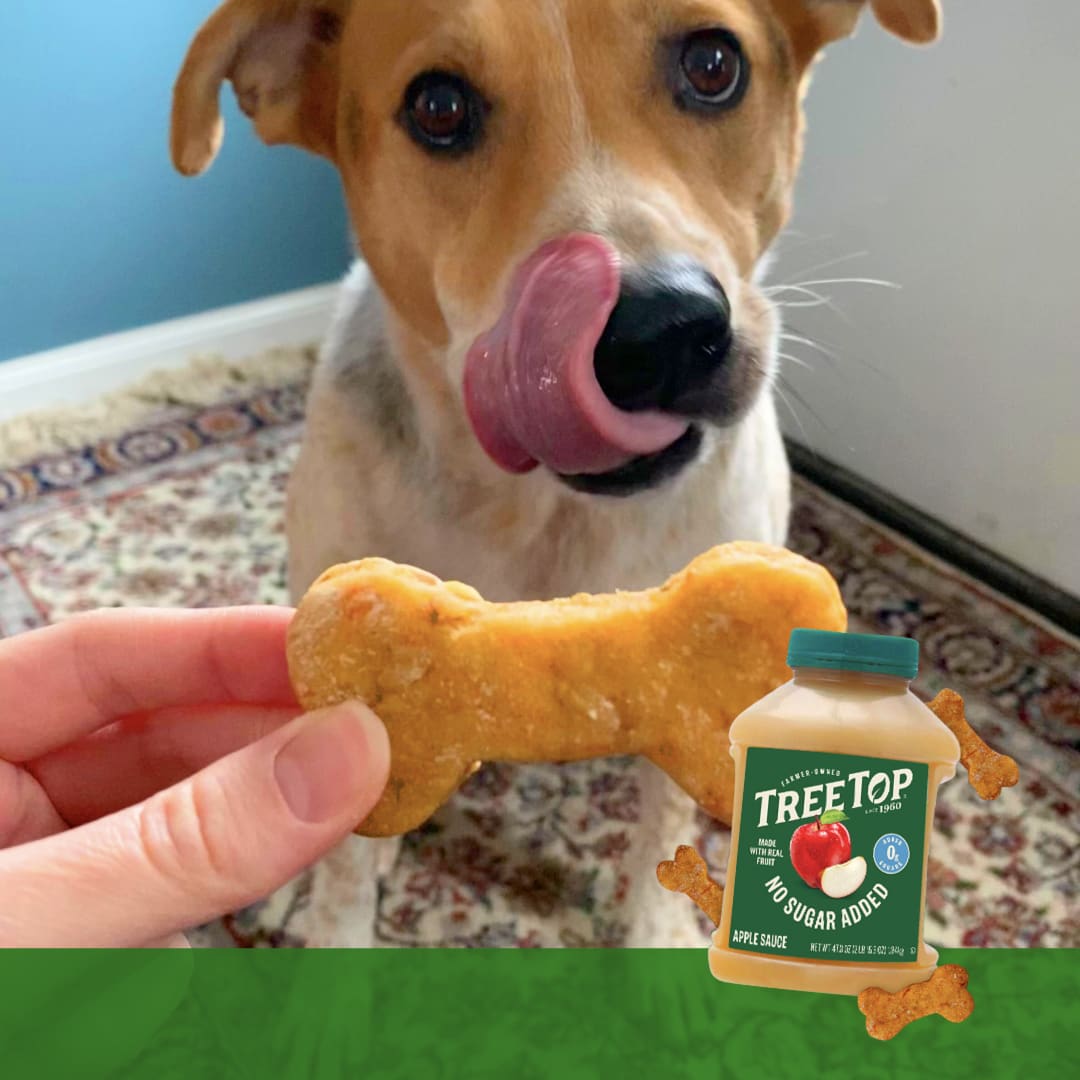
Credit: treetop.com
How To Serve Applesauce To Dogs
Giving applesauce to your dog is safe if you follow these steps.
Step 1: Choose Unsweetened Applesauce
Buy applesauce labeled “unsweetened” and check ingredients. There should be only apples and water. Avoid “diet” or “lite” versions because they may contain xylitol.
If you’re unsure about a brand, look for organic or natural products with minimal ingredients. Organic applesauce is less likely to have preservatives.
Step 2: Start Small
Offer a teaspoon for small dogs or a tablespoon for large dogs. Watch for any reaction. If your dog tolerates it well, you can give applesauce as an occasional treat.
If your dog is new to applesauce, spread a small amount on their usual food and monitor for changes in stool or energy level. A gradual introduction reduces the risk of stomach upset.
Step 3: Mix With Other Foods
You can mix applesauce with:
- Dry kibble (to add moisture)
- Plain yogurt (for extra nutrition)
- Peanut butter (make sure it’s xylitol-free)
This makes meals tastier and easier to eat. Mixing applesauce into kibble can help picky dogs eat their meals or help older dogs swallow food more easily.
Another practical tip: combine applesauce with pumpkin puree for a healthy, fiber-rich treat. Both are gentle on the stomach and support digestion.
Step 4: Make Homemade Applesauce
Homemade applesauce is safest. Use fresh apples, remove the core and seeds, cook with water, and blend. Avoid adding sugar or spices.
Simple Homemade Applesauce Recipe For Dogs
Ingredients:
- 2 apples (any variety, peeled and cored)
- 1/2 cup water
Instructions:
- Cut apples into small pieces.
- Place apples and water in a pot.
- Simmer for 15-20 minutes until soft.
- Mash or blend until smooth.
- Cool before serving.
Serving size: 1 teaspoon (small dogs), 1 tablespoon (large dogs).
Homemade applesauce can be stored in the fridge for up to one week. For longer storage, freeze in small portions. This prevents waste and makes it easy to use as needed.
Applesauce For Puppies And Senior Dogs
Puppies have sensitive stomachs. Applesauce is easy to digest, but only give a small amount. It can help with teething pain or mix with puppy food.
Senior dogs may have dental issues. Applesauce is soft and gentle on gums. It also helps older dogs swallow medicine or supplements.
Special Considerations
- Puppies under 3 months should avoid applesauce unless your vet approves.
- Senior dogs with diabetes or kidney disease should not eat applesauce.
For puppies, applesauce can be useful during crate training or when transitioning to solid food. For seniors, applesauce can mask bitter medicine, making it easier to give pills.
A helpful tip: if your senior dog refuses dry food, mix a small spoonful of applesauce to soften their meal. This encourages eating and reduces stress.
Always consult your vet before making changes to your dog’s diet. Some older dogs have weakened kidneys or are prone to sugar-related health issues, so extra caution is needed.
Applesauce As A Training Treat
Some owners use applesauce as a training reward. It’s cheap, easy to carry, and dogs love the taste. You can freeze applesauce in small cubes and use them for positive reinforcement.
Benefits
- Low-calorie alternative to commercial treats
- Easy for dogs with dental issues
- Variety for picky eaters
Applesauce is also useful for scent-based training. Dogs respond well to new smells and flavors, so applesauce can motivate dogs who ignore regular treats.
Drawbacks
- Can be messy
- Not suitable for every dog
- Must be unsweetened
If you want to use applesauce for training, keep portions small and carry wipes for cleanup. Avoid using applesauce in outdoor training where dirt can stick to the treat.
Another tip: mix applesauce with crushed kibble for a textured reward. This creates a unique treat that most dogs enjoy.
Applesauce In Dog Recipes
Applesauce is a versatile ingredient in homemade dog treats. It adds moisture and sweetness without unhealthy fats.
Example Dog Treat Recipe
Ingredients:
- 1 cup unsweetened applesauce
- 2 cups oat flour
- 1 egg
Instructions:
- Mix applesauce, oat flour, and egg.
- Shape into small balls or cookies.
- Bake at 350°F (180°C) for 15 minutes.
- Cool and serve.
Serving size: 1 treat per 10 pounds of body weight.
Why Applesauce Works
- Replaces oil or butter
- Makes treats soft and chewy
- Adds flavor without extra calories
Many homemade dog treats use applesauce instead of sugar or fat. Applesauce is also a good base for other healthy ingredients like pumpkin or shredded carrots.
For a simple frozen treat, fill ice cube trays with applesauce and freeze. Dogs enjoy licking these cubes, especially in summer.

Credit: www.loneralj.com
Applesauce For Dogs With Health Issues
Some dogs have medical conditions that affect their diet.
Dogs With Diabetes
Applesauce is high in natural sugar. Dogs with diabetes should avoid it. If your dog has diabetes, ask your vet before offering applesauce. Even small amounts can affect blood sugar.
Dogs With Allergies
If your dog has food allergies, check for reactions when introducing applesauce. Use single-ingredient applesauce to avoid triggers. If your dog reacts to apples, choose another fruit like blueberries or pumpkin.
Dogs With Kidney Disease
High potassium in apples can be risky for dogs with kidney disease. Applesauce is not recommended for these dogs. Even homemade applesauce can cause problems, so avoid it entirely.
Dogs With Obesity
Plain applesauce can be a low-calorie treat, but only in small amounts. Too much sugar can contribute to weight gain. Combine applesauce with high-fiber foods to help your dog feel full.
Applesauce And Other Fruits: Comparing Safety
Dogs can eat some fruits, but not all. Here’s a quick comparison:
| Fruit | Safe for Dogs? | Preparation Needed | Risks |
|---|---|---|---|
| Applesauce | Yes, if unsweetened | Check ingredients | Sugar, additives |
| Banana | Yes | Peel, slice | High sugar |
| Blueberries | Yes | Wash | None |
| Grapes | No | N/A | Toxic, kidney failure |
| Peach | Yes | Remove pit | Pit toxic |
| Avocado | No | N/A | Toxic |
Bananas and blueberries are safe. Grapes and avocados are not. Always prepare fruit to remove seeds, pits, or skin as needed. One practical insight: some fruits, like peaches, need extra care because the pit is toxic. Always remove pits and seeds before serving any fruit.
How Much Applesauce Can Dogs Have?
Moderation is key. Applesauce should be an occasional treat, not a regular part of your dog’s diet.
General Guidelines
- Small dogs (under 20 lbs): 1 teaspoon, 1–2 times per week.
- Medium dogs (20–50 lbs): 1 tablespoon, 1–2 times per week.
- Large dogs (over 50 lbs): 2 tablespoons, 1–2 times per week.
Too much applesauce can cause digestive issues. Adjust serving size based on your dog’s size, activity level, and health.
Signs Of Overfeeding
- Loose stool
- Vomiting
- Weight gain
- Lethargy
If you notice any of these signs, stop applesauce and see your vet. Another insight: even healthy dogs can develop sensitivities, so always monitor your pet after new foods.
Common Mistakes When Giving Dogs Applesauce
Many owners make mistakes when introducing applesauce. Here are the most common ones:
1. Choosing Sweetened Applesauce
Sugar hurts dogs. Always pick unsweetened applesauce.
2. Not Checking For Xylitol
Xylitol is deadly for dogs. Check the label every time.
3. Giving Too Much
A big portion can cause diarrhea or weight gain. Start with small amounts.
4. Ignoring Allergies
Some dogs react badly to apples or preservatives. Watch for signs of allergy.
5. Using Applesauce As A Meal Replacement
Applesauce is not balanced food. It’s only a treat, not a substitute for dog food.
A less obvious mistake: some owners use applesauce every day as a reward, which can add up to too much sugar over time. Treat applesauce as a special snack, not a routine part of meals.
Expert Opinions And Research
Veterinarians generally agree that plain applesauce is safe for dogs as an occasional treat. The American Kennel Club (AKC) recommends apples for dogs, but reminds owners to avoid cores and seeds. Research shows that apple fiber supports gut health in dogs. However, most experts warn against sugar and artificial additives.
For more in-depth information, you can visit the American Kennel Club.
Most experts also highlight the importance of variety. Applesauce is only one option—use it alongside other safe fruits and vegetables to keep your dog’s diet balanced.
Practical Tips For Dog Owners
- Always check the ingredients before buying applesauce.
- Make homemade applesauce for best safety.
- Introduce applesauce slowly and monitor for side effects.
- Use applesauce as a treat, not a main food.
- Avoid applesauce for dogs with diabetes, kidney disease, or allergies.
- Keep applesauce portions small to prevent digestive upset.
- Store applesauce in the fridge and use within one week.
- Freeze applesauce in small cubes for easy portioning.
- Never give applesauce with xylitol or other artificial sweeteners.
- Talk to your vet before making diet changes.
If you travel with your dog, bring a small container of applesauce as a backup treat. It’s easy to transport and doesn’t spoil quickly when refrigerated.
Frequently Asked Questions
Can Applesauce Help Dogs With Constipation?
Yes, applesauce contains fiber that can help mild constipation. Start with a small amount, such as 1 teaspoon. If constipation continues, see your vet. Too much applesauce may cause diarrhea.
Is Applesauce Safe For Puppies?
Unsweetened applesauce is safe for most puppies in small amounts. It’s easy to digest and gentle on their stomachs. However, puppies under 3 months should not have applesauce unless your vet approves.
Can Applesauce Cause Allergies In Dogs?
Some dogs are allergic to apples or preservatives in applesauce. Signs include itching, vomiting, and swelling. Always introduce applesauce slowly and watch for reactions.
What Brands Of Applesauce Are Best For Dogs?
Choose brands with only apples and water. Avoid added sugar, spices, or artificial sweeteners. Homemade applesauce is safest. Popular brands like Mott’s offer unsweetened options, but check every label.
How Should I Store Applesauce For My Dog?
Store applesauce in the fridge in a sealed container. Use within one week. You can freeze applesauce in small cubes for long-term storage. Never leave applesauce out for more than two hours.
Another practical tip: if you notice mold or a sour smell, throw away the applesauce. Spoiled applesauce can cause stomach upset and should never be served.
Final Thoughts
Dogs can enjoy applesauce as a safe, healthy treat—but only if it’s plain and unsweetened. Always check labels for sugar and xylitol, and start with small amounts. Applesauce is easy to digest and works well for puppies, senior dogs, and pets with dental issues. Homemade applesauce is best, and you can use it in dog treat recipes or as a training reward.
Remember, applesauce should never replace regular dog food. Keep portions small and consult your vet if your dog has health issues. With careful choices, applesauce can be a tasty, nutritious addition to your dog’s diet. Your pet deserves treats that are both delicious and safe, so always put their health first.
If you follow these guidelines, applesauce can be a simple, enjoyable way to give your dog something special. Every pet is unique, so watch for individual reactions and keep their safety as your top priority.