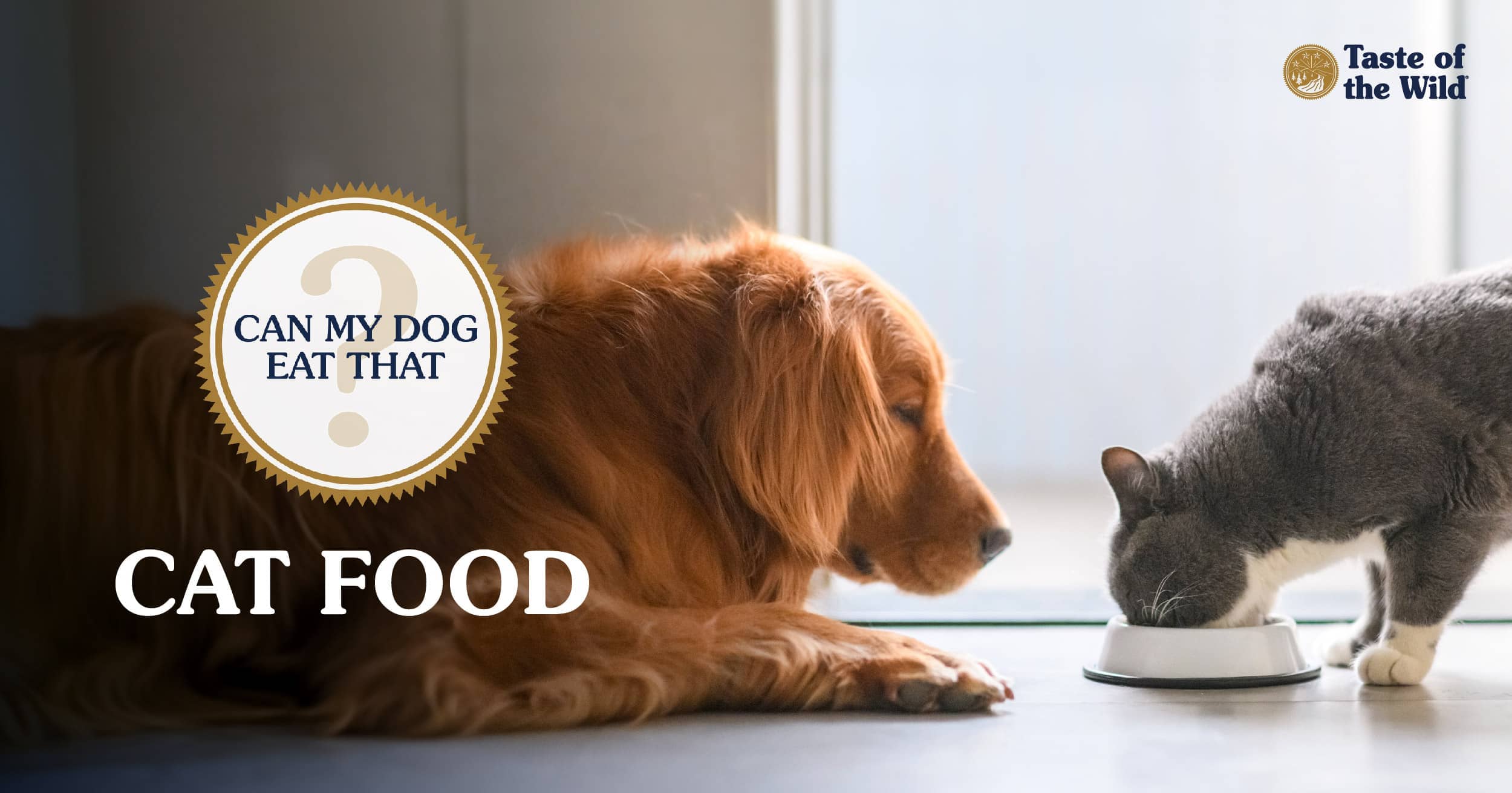
Dogs can eat cat food sometimes, but it’s not safe as a regular diet for most dogs.
I’ve worked with dogs and pet owners for years, and I know the worry when a dog raids the cat bowl. This article explains can a dog eat cat food, why it happens, the risks and benefits, and clear steps to keep your dog healthy. I will use simple facts, practical tips from experience, and easy-to-follow advice so you can make the right choice for your pet.
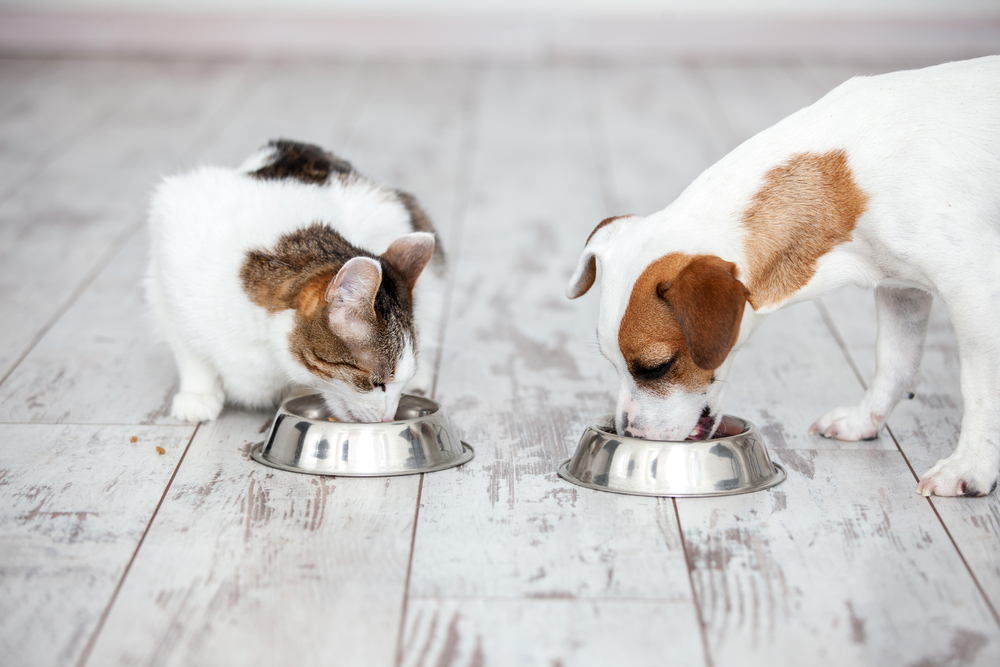
Why pet owners ask "can a dog eat cat food"?
Many owners find their dog munching cat kibble. Dogs are curious and often seek high-fat, high-protein snacks. They may eat cat food out of hunger, boredom, or habit. Understanding why helps you stop it.
Dogs like protein and fat. Cat food often has more of both. The taste and smell also attract dogs. Once they get a taste, they may return for more because it feels rewarding.
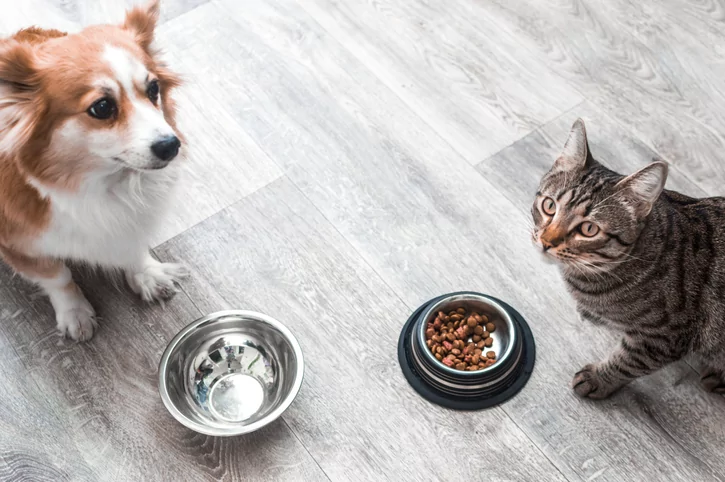
Nutritional differences: dog food vs cat food
Cat food is made for obligate carnivores. Cats need more protein, fat, and certain amino acids. Dog food is balanced for omnivores with lower protein needs.
Key differences:
- Protein levels are higher in cat food to meet feline needs.
- Fat content is often higher in cat food for energy and taste.
- Taurine and arachidonic acid are added to cat food in higher amounts.
- Dog food includes nutrients suited to dogs, like different vitamin ratios.
These differences matter when asking can a dog eat cat food long term. A short taste is usually fine. A steady diet can cause health problems over time.
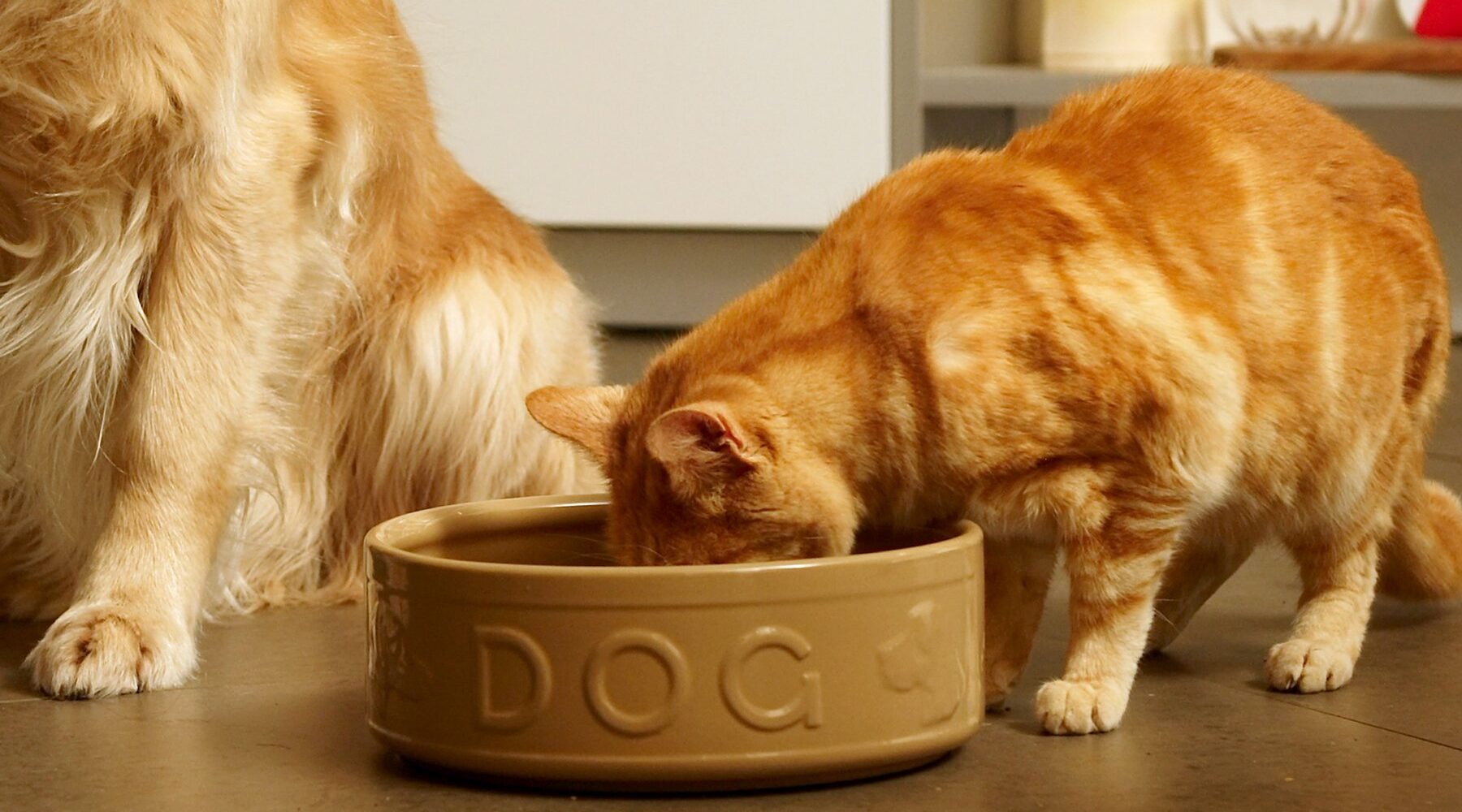
Short-term effects of eating cat food
If a dog eats a small amount of cat food, effects are usually mild. Expect:
- Mild stomach upset
- Soft stool or diarrhea
- Temporary gas or drooling
Watch for signs that are worse than mild:
- Vomiting that won’t stop
- Severe diarrhea or lethargy
- Signs of pancreatitis (abdominal pain, vomiting)
If you see severe signs, contact your vet right away. My experience: one beagle that raided the cat bowl had loose stool for two days and recovered with bland food and rest.
Long-term risks and health concerns
Feeding cat food regularly can cause real problems for dogs. These include:
- Weight gain from excess fat and calories
- Pancreatitis from high-fat meals
- Nutrient imbalance causing long-term issues
- Possible kidney strain in sensitive dogs
Small dogs and dogs with health issues face higher risk. For dogs with pancreatitis history, any cat food can trigger a flare. Ask your vet before letting a dog eat cat food on purpose.
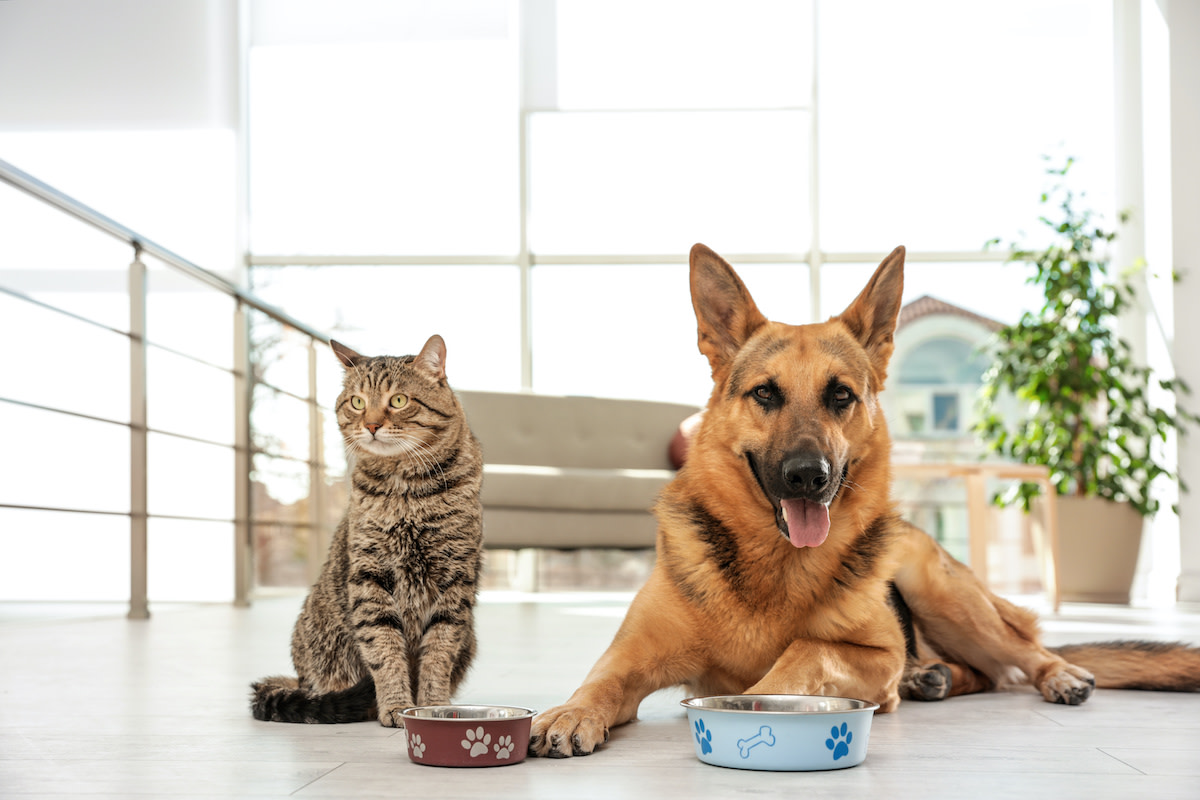
When it might be okay
There are a few situations where can a dog eat cat food is less risky:
- A single nibble or small meal by accident
- Short-term use in a survival or emergency scenario
- Under vet guidance for a specific calorie need or wound healing plan
Even then, monitor the dog and avoid making it a habit. I once had a fast-recovery rescue that needed extra calories for a week. The vet suggested a specific high-calorie plan rather than regular cat food.

How to handle it when your dog eats cat food
Immediate steps:
- Remove access to cat food calmly.
- Offer water and bland food if the dog shows mild upset.
- Watch stool, appetite, and behavior for 24–48 hours.
- Call your vet if vomiting, severe diarrhea, or pain occur.
If a large amount was eaten, especially by a small dog, call the vet. Keep the cat food bag to check ingredients if needed.
Practical prevention tips
Stop the problem with these simple measures:
- Feed cats and dogs in separate rooms or at different times.
- Use elevated cat feeding stations if your dog can’t jump.
- Use microchip feeders that open only for the cat.
- Keep cat food in sealed containers out of reach.
- Train your dog with commands like "leave it" and reward success.
Consistency matters. My tip: set a feeding routine. A well-timed routine cuts scavenging by 80% in my experience.

Alternatives and safe options
If your dog needs more calories or protein, use dog-safe options:
- High-calorie dog food formulas made for active or underweight dogs
- Vet-approved supplements or prescription diets
- Plain cooked lean meats or eggs in moderation
Never substitute cat food as a long-term supplement. Use dog products designed for canine digestion and balance.
Signs you should call a vet
Call your vet if you notice:
- Repeated vomiting or more than one day of diarrhea
- Signs of abdominal pain or bloating
- Lack of energy or loss of appetite
- Any sudden change after eating cat food
When in doubt, a quick call gives peace of mind and can prevent bigger problems.
Personal experience and lessons learned
When I cared for a multi-pet household, one dog repeatedly stole cat food. I tried barriers, timed feeding, and a microchip feeder. The best fix was consistent training plus separate feeding times. Lessons:
- Prevent access first. Training alone wasn’t enough.
- Small dogs need closer monitoring due to calorie impact.
- If your dog has health issues, looseness after eating cat food can be dangerous.
These simple steps saved time and vet visits in my own home.
Frequently Asked Questions of can a dog eat cat food
Can a dog eat cat food once in a while?
Yes. A small, one-time snack is usually okay for most healthy dogs. Watch for stomach upset and monitor behavior for 24–48 hours.
Will cat food make my dog sick right away?
Not usually. Mild vomiting or diarrhea can occur, but serious problems are rare after a single small meal. Seek help if symptoms are severe.
Can cat food cause pancreatitis in dogs?
Yes. Cat food has higher fat, which can trigger pancreatitis, especially in dogs prone to it. Avoid cat food if your dog has a history of pancreatitis.
Is cat food safe for puppies?
No. Puppies have special needs for balanced growth that cat food doesn’t meet. Use puppy-formulated dog food to support healthy development.
How can I stop my dog from stealing cat food?
Use separate feeding areas, microchip feeders, or train leave-it with consistent rewards. Consistency and supervision work best to stop the habit.
Conclusion
Dogs can eat cat food sometimes, but it is not a good regular diet. Short, accidental feedings often cause only mild issues. Long-term or large amounts can lead to weight gain, pancreatitis, and nutrient imbalance. Use prevention, training, and vet guidance to keep pets safe. Take action today: separate feeding areas, teach leave-it, and consult your vet if you’re unsure. Share your story or ask a question below — I’d love to help.