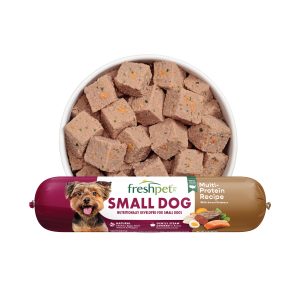
A Dog safe ingredient checker quickly flags ingredients that are harmful or safe for dogs.
I have spent years working with dog owners, trainers, and veterinarians to test tools and read labels. This guide on Dog safe ingredient checker explains what these tools do, how they work, when to trust them, and how to use them fast. You will get clear examples, real‑life tips from my experience, and step‑by‑step advice so you can protect your dog and choose food and treats with confidence.

What is a Dog safe ingredient checker?
A Dog safe ingredient checker is a tool that helps you decide if a food ingredient is safe for dogs. It can be an app, website, or printable list. These checkers compare ingredients to toxicity lists and allergy flags. They often show risk levels and short reasons for concern.
Why it matters
- Dogs eat what we give them. A single ingredient can cause severe reactions.
- A Dog safe ingredient checker reduces guesswork and risk.
- It empowers owners to read labels and pick safer foods.
Types of checkers
- Mobile apps with barcode scanning.
- Online databases searchable by ingredient.
- Pocket cards or printable guides for quick checks.
Who should use one
- New dog owners learning ingredients.
- Owners of allergic or sensitive dogs.
- Pet sitters and caregivers who buy treats and food.

How a Dog safe ingredient checker works
Most Dog safe ingredient checker tools follow the same steps. First, they keep a list of known toxic and safe ingredients. Then they match ingredients from a product to that list. Finally, they show a risk level and a short note on symptoms or safe use.
Key components
- Ingredient database with toxicology notes.
- Rules for portion and dog size to gauge risk.
- Vet review or expert vet input to improve accuracy.
- Search, scan, or manual entry options.
PAA-style question: How accurate is a Dog safe ingredient checker?
These checkers are good for quick guidance. They are not a replacement for a vet. Always call a vet for urgent concerns.
PAA-style question: Can a Dog safe ingredient checker detect additives and preservatives?
Yes. Many tools list preservatives, sweeteners, and flavor compounds. They will flag ingredients like xylitol or artificial sweeteners immediately.
My experience
I tested several Dog safe ingredient checker apps while caring for a reactive dog. The best ones saved time at the store and helped avoid treats that caused mild stomach upset. They work best when paired with basic label knowledge and vet advice.
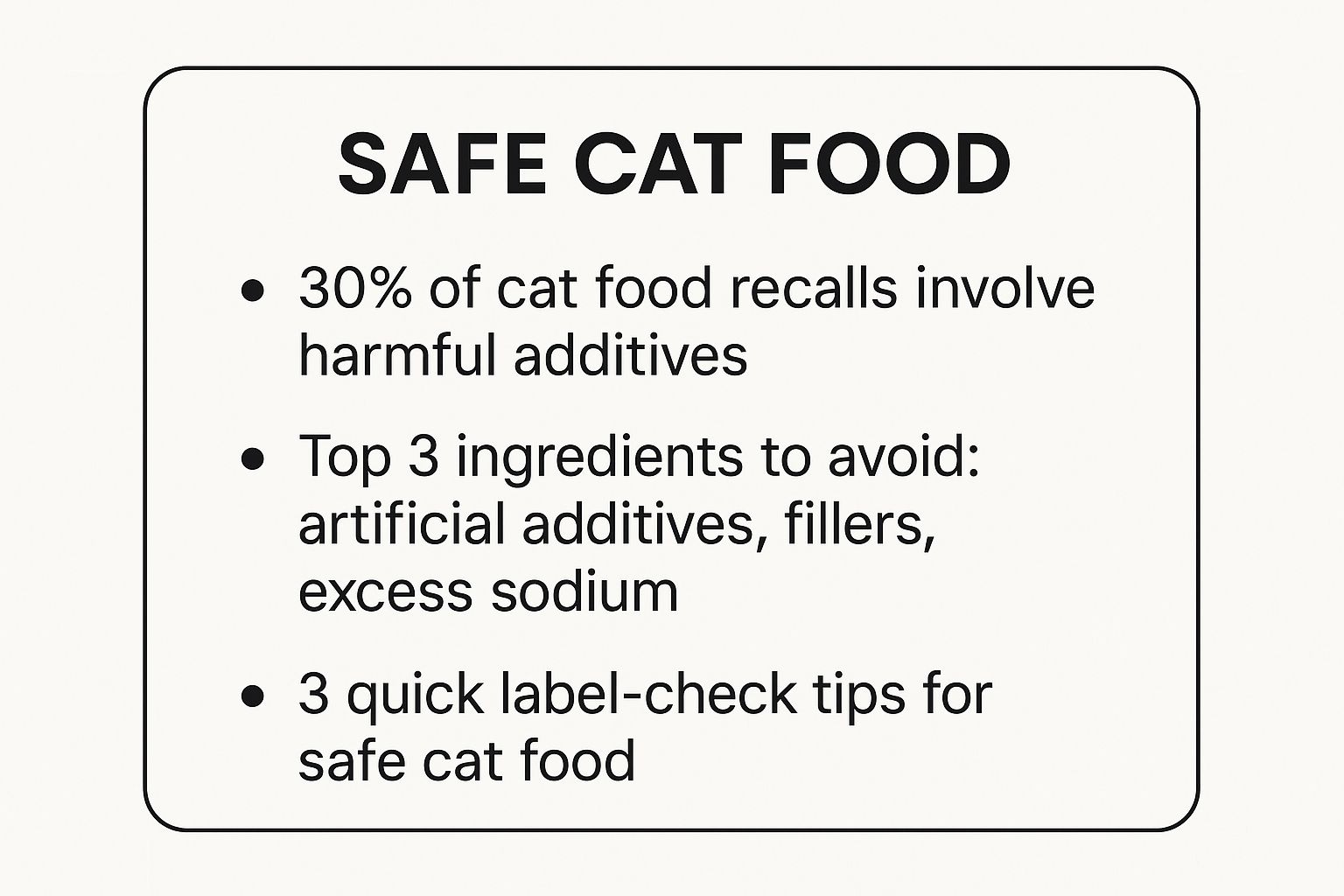
Key ingredients safe and unsafe for dogs
Knowing common safe and unsafe ingredients helps you use a Dog safe ingredient checker better.
Common unsafe ingredients
- Xylitol — Causes rapid insulin release and low blood sugar.
- Chocolate/cocoa — Contains theobromine that affects the heart and nervous system.
- Grapes and raisins — Can cause sudden kidney failure in some dogs.
- Onions and garlic — Damage red blood cells and cause anemia.
- Macadamia nuts — Lead to weakness, tremors, and hyperthermia.
- Alcohol and high levels of caffeine — Fast risk to the nervous system.
Common safe ingredients (when plain and cooked)
- Chicken — Lean protein many dogs tolerate well.
- Brown rice and white rice — Gentle on the stomach.
- Pumpkin — Helpful for digestion when plain and canned.
- Carrots and apples (no seeds) — Good low-calorie snacks.
Why amounts matter
- Small amounts of some ingredients may not hurt a medium dog.
- Certain dogs are more sensitive, like small breeds or dogs with liver issues.
- A Dog safe ingredient checker often adjusts risk by weight.
Signs of ingestion problems
- Vomiting, diarrhea.
- Lethargy or weakness.
- Shaking, tremors, or collapse.
- Rapid breathing or heart rate changes.
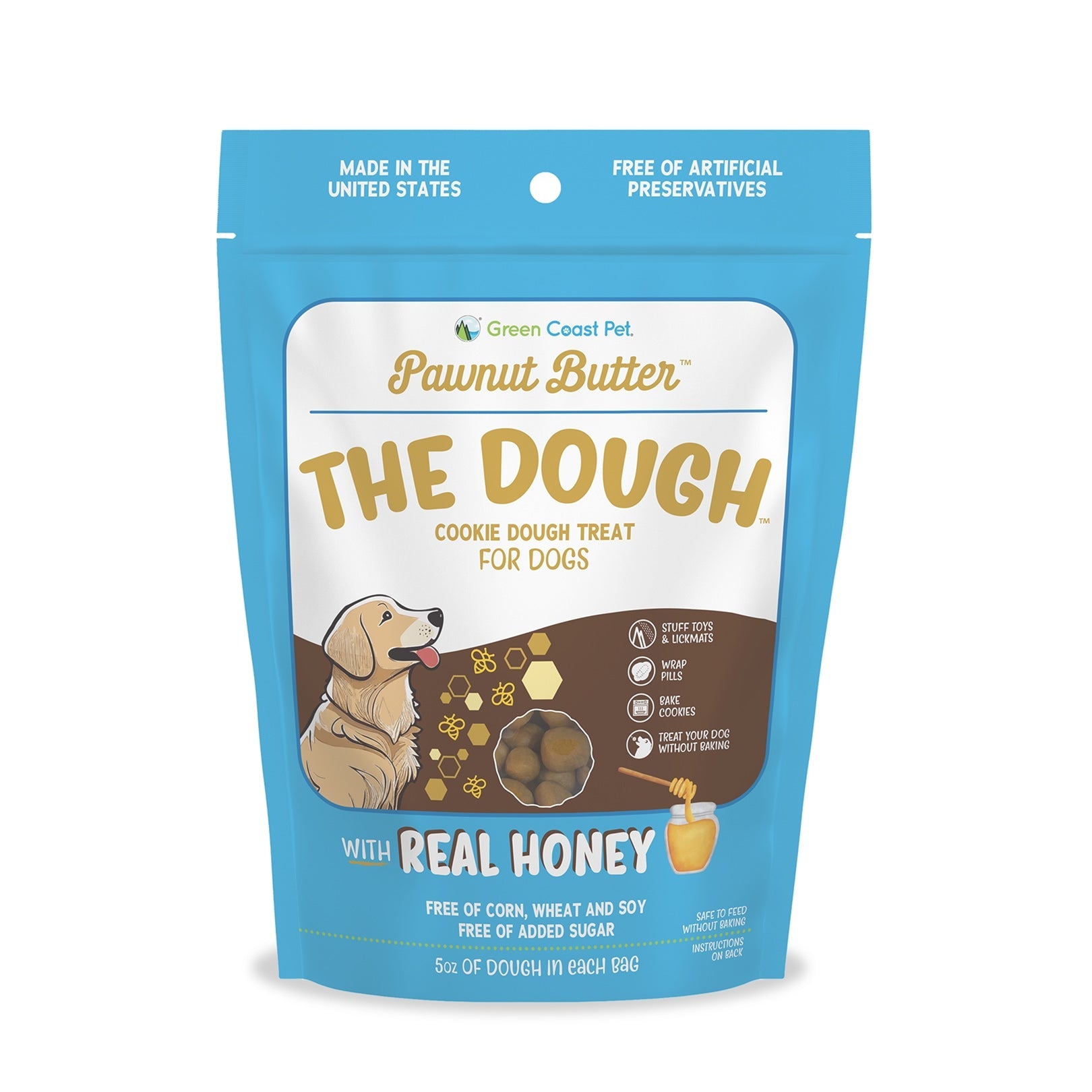
Benefits and limitations of a Dog safe ingredient checker
Benefits
- Fast guidance when shopping or feeding.
- Reduces accidental exposure to toxic ingredients.
- Helps identify allergens or problematic preservatives.
- Good for caretakers and pet sitters who need quick checks.
Limitations
- Not a substitute for veterinary care in emergencies.
- Databases can be incomplete or outdated.
- Some ingredients have mixed research and need expert interpretation.
- Labels can be vague (natural flavors, proprietary blends), limiting accuracy.
How to handle limits
- Use a Dog safe ingredient checker as your first filter.
- Confirm serious concerns with a veterinarian.
- Keep a trusted emergency vet number handy.

How to choose the best Dog safe ingredient checker
Look for these features when picking a Dog safe ingredient checker.
Must-have features
- Regularly updated ingredient database.
- Vet-reviewed content or clear expert vet oversight.
- Barcode scan or quick search for fast use.
- Clear risk categories and symptom descriptions.
Nice-to-have features
- Offline mode for stores with poor signal.
- Save favorite products or a pet profile by weight and breed.
- Batch check for multiple ingredients at once.
- Exportable lists to share with caregivers.
Warnings when choosing
- Avoid tools that make absolute medical claims without vet input.
- Watch for apps that collect too much personal data without transparency.
- Check reviews and change logs for frequent updates.
My pick and why
I used an app that combined barcode scan with vet notes. It flagged xylitol and suggested immediate vet contact. That saved a panicked store visit once. I trust checkers that show sources and vet review dates.
How to use a Dog safe ingredient checker: step-by-step
This simple routine will keep you safe and confident.
- Create a pet profile
- Enter your dog’s weight and known sensitivities.
- This helps the Dog safe ingredient checker estimate risk.
- Scan or type the ingredient list
- Use barcode scan or paste the ingredient list.
- Check the risk score and read the short notes.
- Interpret the results
- Green means low or no risk.
- Yellow means caution or depends on quantity.
- Red means avoid and consult a vet if already ingested.
- Take action
- For red flags, remove the food and call your vet or poison control.
- For yellow flags, monitor and limit portion size.
- For green items, keep a record if trying a new food.
Example use case
- I once scanned a cookie that listed xylitol in small print. The Dog safe ingredient checker flagged it red. I returned the box and informed the dog owner.

Common mistakes and how to avoid them
People often assume a few things that cause risk. Here are common errors and fixes.
Mistake 1 — Trusting vague labels
- Fix: Look up "natural flavors" and check manufacturer if unsure.
Mistake 2 — Assuming quantity is irrelevant
- Fix: Use the pet profile to estimate dose and risk.
Mistake 3 — Ignoring updates
- Fix: Update the Dog safe ingredient checker app and database regularly.
Mistake 4 — Not calling a vet
- Fix: For any red‑flag ingredient or worrying symptoms, call your vet immediately.
Personal lesson
Once I ignored a "sugar-free" label. The treat had xylitol. My quick check would have prevented a late-night vet visit. Now I always scan before I buy.
Integrating a Dog safe ingredient checker into daily life
Make the checker part of your routine to reduce risk.
Daily habits
- Scan new treats before first use.
- Keep a printed emergency food list in your kitchen.
- Share your pet profile with pet sitters and walkers.
Meal planning
- Check new foods while making weekly shopping lists.
- Use batch checks to review all ingredients in a new kibble.
Travel and care
- Use offline mode when hiking or traveling.
- Teach family members to use the Dog safe ingredient checker.
Frequently Asked Questions of Dog safe ingredient checker
What is the fastest way to check a product?
Use a Dog safe ingredient checker app with barcode scanning. It gives near-instant risk flags and short guidance.
Can these checkers handle homemade recipes?
Yes, many allow manual entry of each ingredient. Enter quantities to improve risk estimates.
Will the checker tell me when to call a vet?
Good checkers show clear red alerts and recommend immediate vet contact. Always call a vet for serious signs.
Are these checkers updated with new research?
Top Dog safe ingredient checker tools update regularly and note the last review date. Verify update frequency in the app details.
Is a Dog safe ingredient checker free?
Some are free with basic features; premium versions offer vet reviews and offline access. Choose based on how much use and detail you need.
Conclusion
A Dog safe ingredient checker gives fast, practical help to keep dogs safe. Use it as a daily tool for shopping, treats, and meal planning. Pair the checker with vet advice, keep it updated, and train family members to use it. Start today by scanning one new product and building a safe list for your dog. If this guide helped, try a trusted Dog safe ingredient checker app, subscribe for updates, or leave a comment with your experience.