A Dog food ingredients checker helps you read labels, spot harmful items, and choose safe, balanced kibble.
I have spent years testing dog foods and using tools to decode labels. This guide on Dog food ingredients checker brings clear steps, ingredient breakdowns, and real-world tips so you can pick the best food for your dog. I will show how a Dog food ingredients checker works, what to trust, what to avoid, and how to use these tools with confidence.

How a Dog food ingredients checker works
A Dog food ingredients checker scans labels, analyzes ingredient order, and flags concerns. Most checkers use ingredient databases and nutrition rules. They rate foods for protein source, fillers, preservatives, and additives.
Common checks include:
- Protein type and source.
- Presence of whole meats versus by-products.
- Grains, starches, and fiber sources.
- Artificial colors, flavors, and preservatives.
- Vitamins, minerals, and guaranteed analysis.
A reliable Dog food ingredients checker explains why an ingredient is good or bad. It breaks complex chemistry into plain language. That helps you make choices that match your dog’s age, size, and health.
Key ingredients to look for
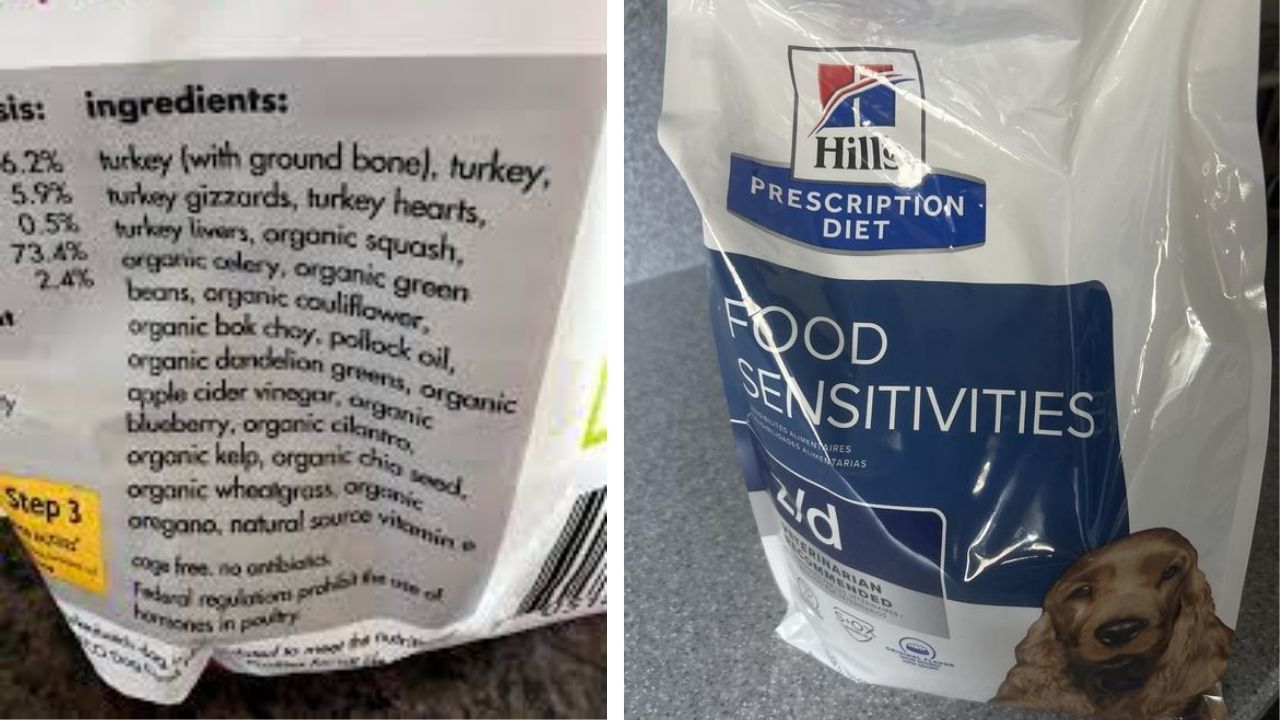
Good labels tell you what your dog will eat and absorb. A Dog food ingredients checker highlights quality ingredients so you can compare brands quickly.
Look for:
- Real meat listed first, such as chicken, beef, or salmon.
- Named organ meats like liver or heart for natural nutrients.
- Whole foods: sweet potato, peas, brown rice, and pumpkin.
- Omega-3 and omega-6 sources, like fish oil or flaxseed.
- Probiotics and prebiotic fibers for gut health.
- Clear vitamin and mineral mixes, not vague proprietary blends.
Why order matters: ingredients are listed by weight. A Dog food ingredients checker alerts you when water or glycerin inflate the weight of meat, or when plant proteins outnumber real meat. That helps you find formulas with more usable protein.
.png)
Ingredients to avoid and why
Not every ingredient is equal. A Dog food ingredients checker calls out fillers, risky additives, and vague terms.
Watch for these red flags:
- Generic meat terms like "meat by-products" without species. They can vary in quality.
- Unnamed "meat meal" without source. Check if it lists the animal.
- Artificial preservatives such as BHA, BHT, and ethoxyquin. These may be linked to health risks in long-term studies.
- Artificial colors and flavors. They add no nutrition and can cause sensitivities.
- High levels of corn, wheat, or soy as primary protein sources for dogs with allergies or sensitivities.
- Excessive salt, sugar, or glycerin that masks low-quality protein.
A Dog food ingredients checker helps you spot these items fast. It will explain why each flagged ingredient matters for digestion, allergies, or long-term health.

Using a Dog food ingredients checker: step-by-step
A clear process makes label-checking less stressful. Use a Dog food ingredients checker with this routine.
Step 1: Gather labels and photos
- Take a clear photo of the ingredient panel and guaranteed analysis.
- Enter brand and formula into the checker.
Step 2: Review the summary
- Look at the overall rating and main flags.
- See highlighted top ingredients and protein sources.
Step 3: Inspect problem areas
- Check for red-flag additives or vague terms.
- Note any high-carb fillers or unnamed meat sources.
Step 4: Match to your dog
- Compare the result to your dog’s needs—puppy, senior, active, or sensitive.
- Use the checker’s feeding guidelines to estimate portion sizes.
Step 5: Test the food slowly
- Switch gradually over 7–10 days.
- Monitor stool, coat, energy, and appetite.
Using a Dog food ingredients checker this way keeps decisions practical. It saves time and reduces guesswork when shopping.
Personal experience and practical tips
I started using a Dog food ingredients checker after my own dog had itchy skin. The checker revealed a plant-protein-heavy formula with unnamed by-products. After switching to a higher-meat formula flagged as "clean" by the checker, the itch reduced in weeks.
What I learned:
- Tools simplify label reading but don’t replace a vet. Always consult for allergies or medical issues.
- Don’t chase perfect scores. Look for patterns across brands.
- Small changes matter. Gradual diet swaps reduce gut upset.
- Keep receipts and sample bags when trying new food. Many brands offer returns or refunds.
A Dog food ingredients checker became my first filter. It cut the number of brands I needed to research by half. Combine it with feeding logs and photos to spot real improvements.
Limitations and reliability of checkers
Dog food ingredients checkers are useful, but they have limits. Understand these limits to use them wisely.
Common limitations:
- Database gaps: New formulas may be missing or outdated.
- Label ambiguity: Checkers rely on manufacturer labeling and can’t verify sourcing.
- Individual variation: A checker can’t predict one dog’s allergy to chicken or grains.
- Algorithm bias: Different tools weigh ingredients in different ways, so ratings vary.
To improve trust:
- Use multiple checkers to compare results.
- Cross-check with third-party testing results if available.
- Ask your vet for a clinical perspective on flagged ingredients.
A Dog food ingredients checker is a strong screening tool. Treat it as the first step, not the final verdict.
.png)
Comparing popular checkers and tools
There are many ways to analyze labels. A quick comparison helps you pick the right Dog food ingredients checker for your needs.
Free apps and websites
- Good for quick scans and shopping decisions.
- Provide basic flags and ingredient definitions.
Paid tools and memberships
- Offer deeper analysis, full nutrition breakdowns, and custom recommendations.
- May include expert consultations or allergen labs.
Veterinary nutrition services
- Best for dogs with medical needs or severe allergies.
- Provide tailored diets backed by clinical tests.
How to choose:
- Pick a checker with transparent criteria.
- Prefer tools that show ingredient reasoning instead of only a score.
- Use a Dog food ingredients checker that updates its database regularly.
PAA-style questions to answer common queries
What does "meal" mean on a label?
- Meal is a dehydrated, concentrated protein source made from animal parts. The nutrition depends on the source, so a Dog food ingredients checker will note whether the meal is from chicken, fish, or unnamed animals.
Is "by-product" always bad?
- Not always. By-products can contain nutrient-rich organs. A Dog food ingredients checker flags unnamed by-products and explains the quality concerns tied to sourcing and processing.
How does order of ingredients matter?
- Ingredients are listed by weight before cooking. A Dog food ingredients checker highlights when water or heavy grains push meat lower in the list, which can hide true protein content.
Can checkers detect recalls or contamination?
- Some advanced Dog food ingredients checker tools include recall alerts and safety news. However, they rely on public reports and cannot test the food directly.
Are grain-free diets better?
- Grain-free diets may help dogs with specific grain allergies but are not inherently better for all dogs. A Dog food ingredients checker helps evaluate if a grain-free formula replaces grains with healthy alternatives.
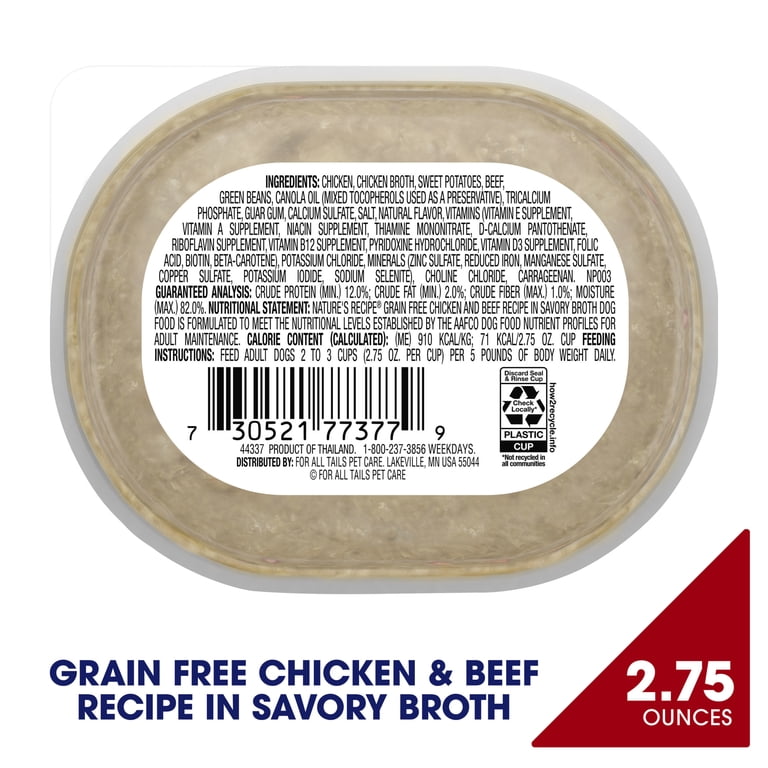
How to act on checker results
Once a Dog food ingredients checker gives feedback, take clear steps.
Decide based on priorities:
- If your dog has allergies, prioritize named protein sources and grain-free options only if needed.
- For healthy maintenance, choose balanced formulas with whole foods and omega sources.
Test gradually:
- Mix new food slowly over a week.
- Keep a log of signs like stool quality, energy, and skin condition.
When to consult a vet:
- If your dog has chronic symptoms, weight issues, or sudden changes, get professional advice before diet changes.
Tips for smarter shopping and label reading
Buy with confidence by combining tools and habits.
Smart shopping tips:
- Compare similar formulas side by side using a Dog food ingredients checker.
- Watch for promotional claims like "human-grade" and verify ingredient lists.
- Buy small bags or samples before committing to a large purchase.
- Store food properly to preserve quality and avoid rancidity.
Label reading habits:
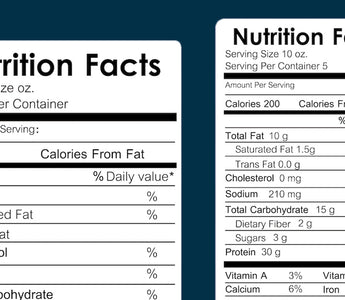
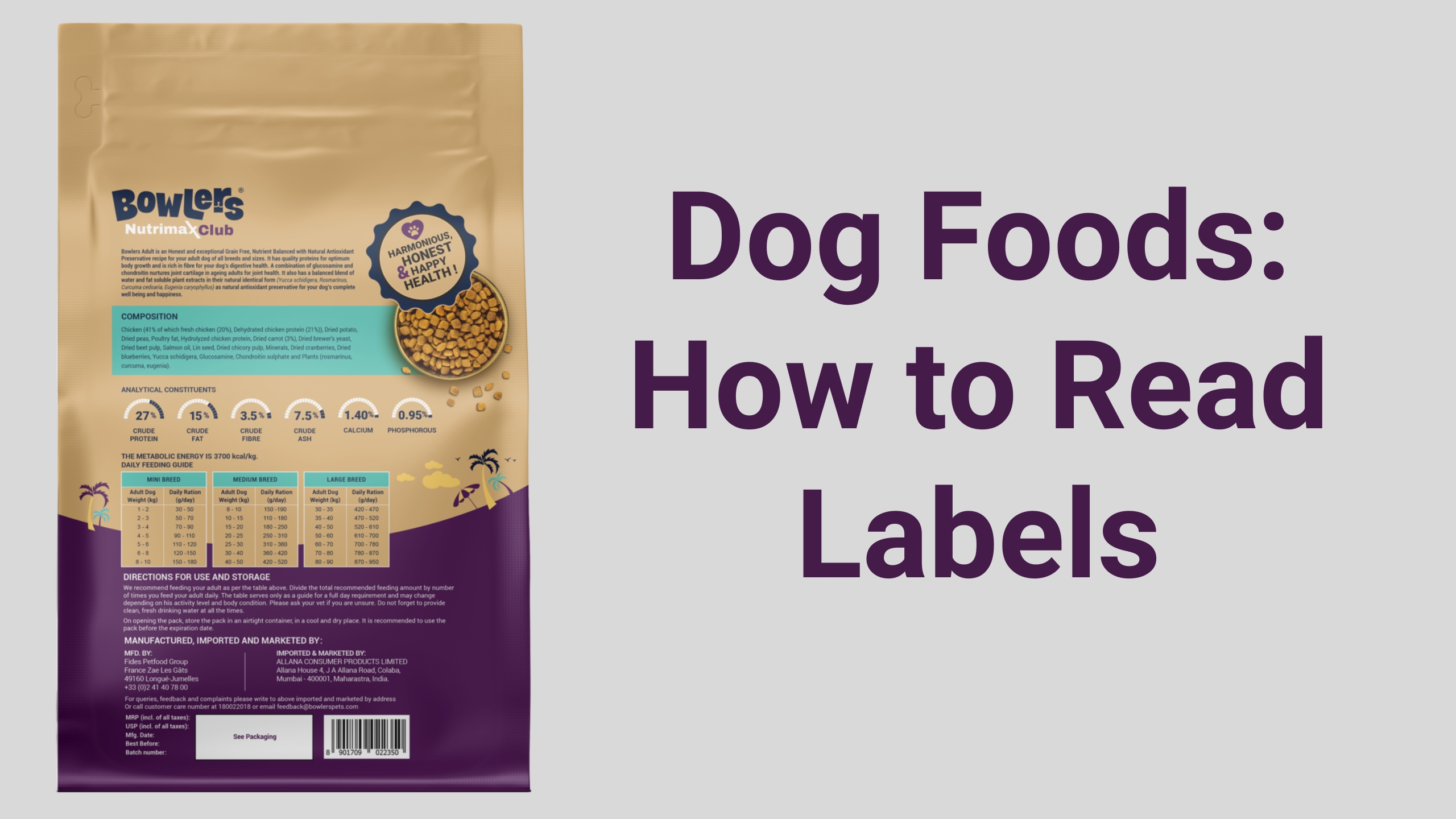
- Always read both the ingredient list and the guaranteed analysis.
- Watch for deceptive marketing on the front panel.
- Note the calorie content to adjust portion sizes correctly.
Frequently Asked Questions of Dog food ingredients checker
What is a Dog food ingredients checker?
A Dog food ingredients checker is a tool that analyzes ingredient lists and nutrition panels. It flags key positives and negatives to help you choose healthier dog food.
Can a checker diagnose food allergies?
No. A Dog food ingredients checker can highlight common allergens but cannot diagnose allergies. For diagnosis, work with a veterinarian and consider allergy testing.
Are all checkers accurate?
Accuracy varies by tool. A Dog food ingredients checker is only as good as its database and rules, so cross-check results and use multiple sources.
How often should I use a Dog food ingredients checker?
Use it whenever you try a new formula or brand. Also re-check periodically, as recipes can change without notice.
Does the checker replace veterinary advice?
No. A Dog food ingredients checker is an educational and screening tool. Consult your vet for medical conditions, special diets, or complex nutritional needs.
Conclusion
A Dog food ingredients checker brings clarity to confusing labels. Use it to spot quality proteins, avoid harmful additives, and match food to your dog’s needs. Combine checker results with vet advice, slow diet trials, and your observations to make the best choice. Start by scanning one current bag of food and compare two alternatives this week—small steps yield big improvements. Share your experience or questions below and subscribe to stay updated on smarter feeding choices.