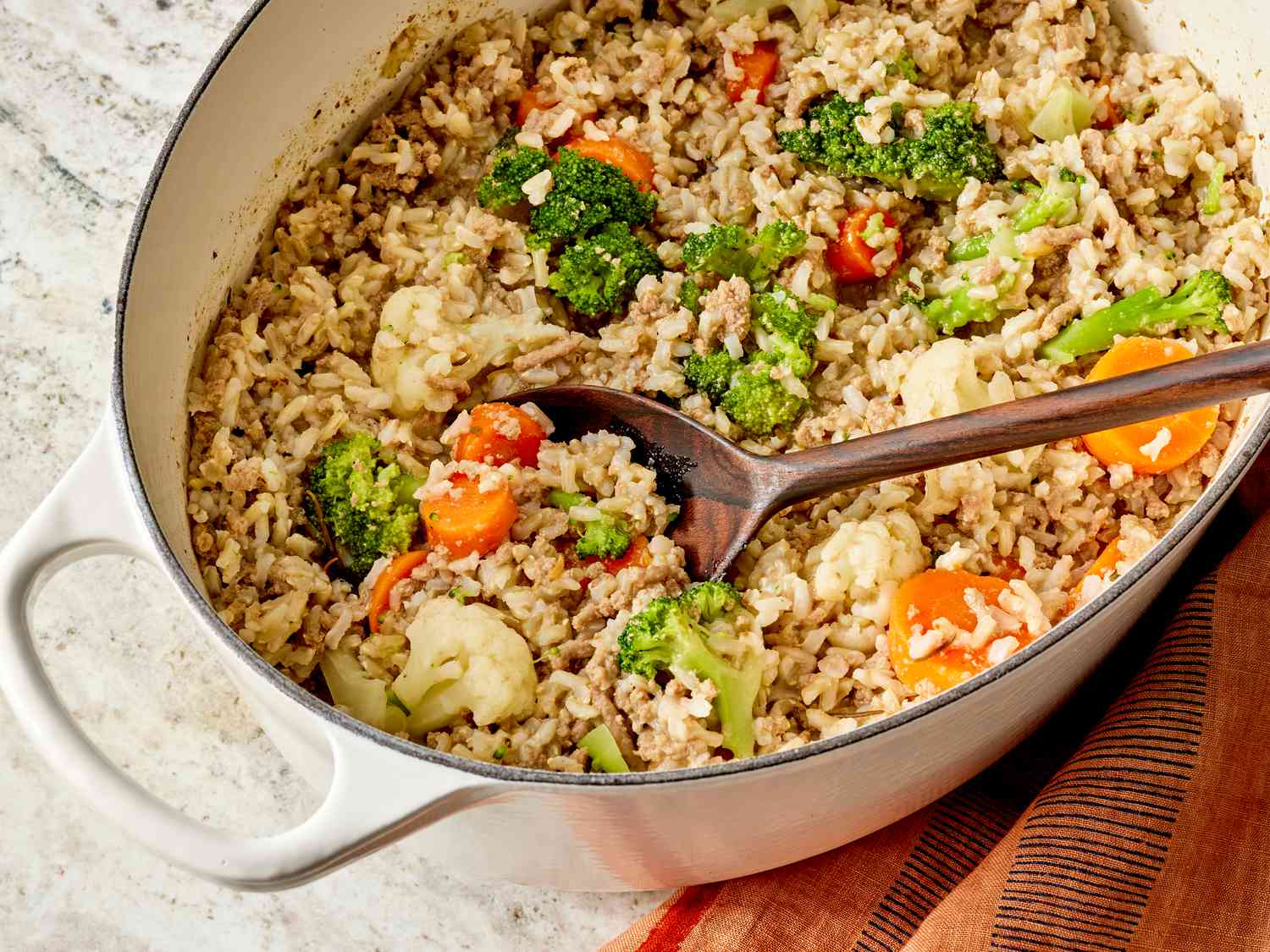
Good homemade dog food ingredients list: lean protein, safe carbs, veg, healthy fats, and supplements.
I have spent years cooking for dogs and studying canine nutrition. This guide gives a clear, practical Homemade dog food ingredients list that you can trust. Read on for simple choices, safety tips, and real recipes you can try today.
Key ingredients for a balanced meal
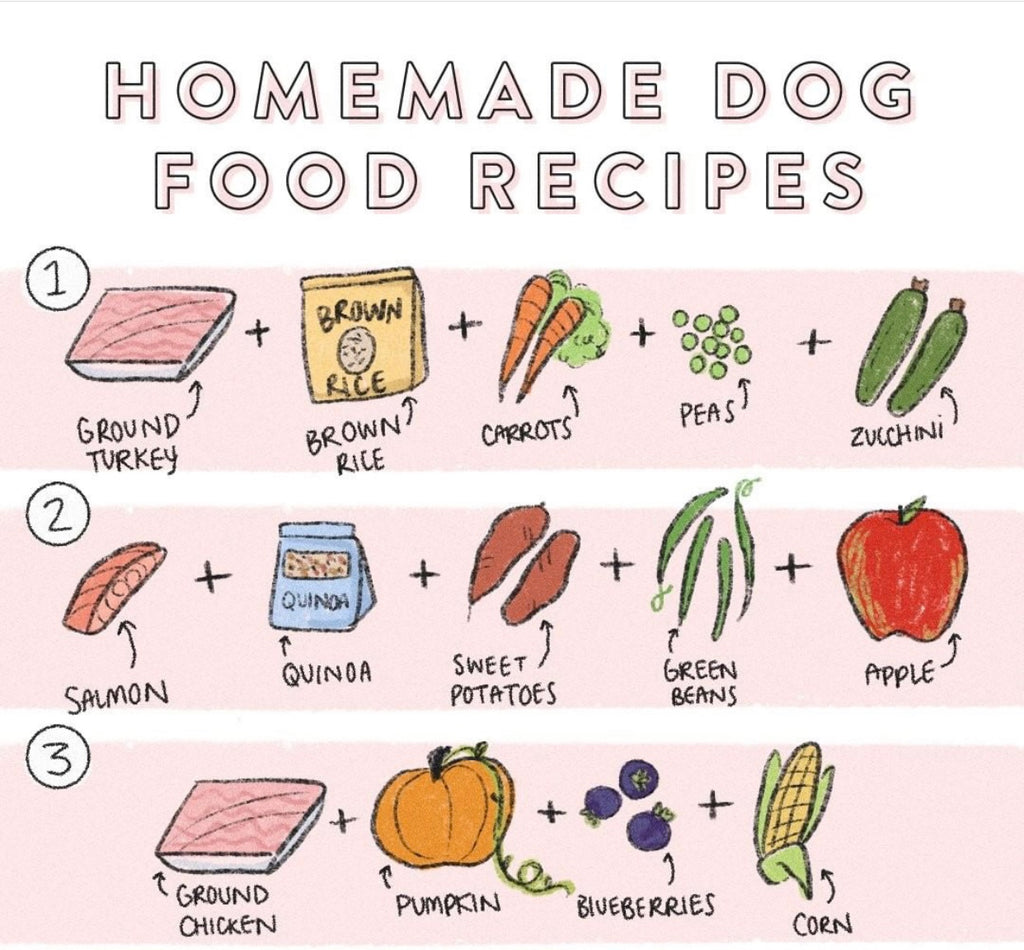
A solid Homemade dog food ingredients list centers on protein, carbs, fats, vegetables, and key minerals. Each ingredient plays a role. Proteins build muscle. Carbs and fiber give energy and gut support. Fats help skin and brain health. A complete list helps you meet daily needs and avoid gaps.
Protein sources
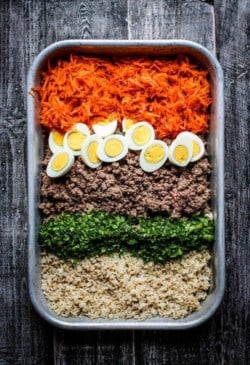
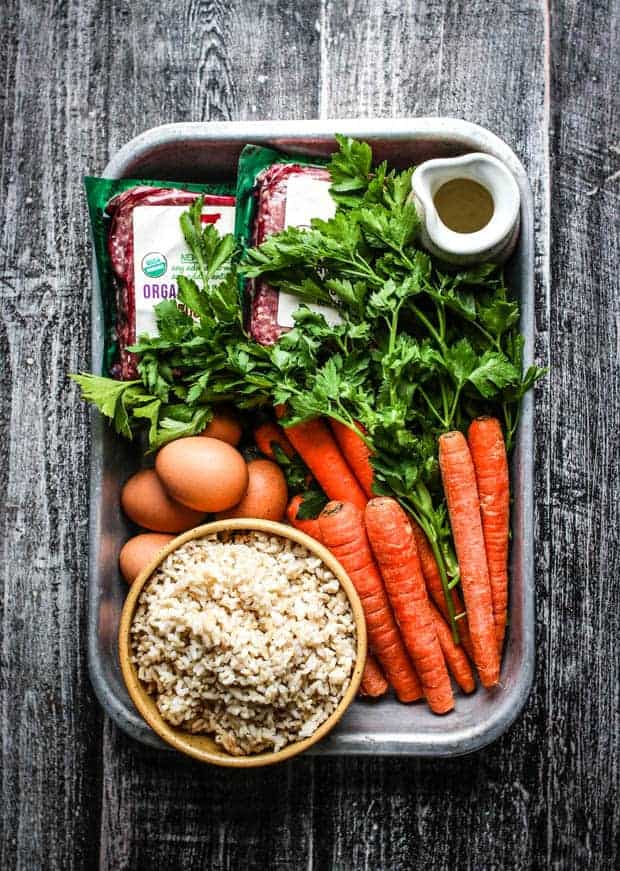
Protein is the base of any Homemade dog food ingredients list. Aim for high-quality, digestible proteins.
- Chicken: Lean and digestible. Remove bones and skin. Cook thoroughly.
- Turkey: Similar to chicken. Good for dogs with sensitivities.
- Beef: Rich and filling. Choose lean cuts to avoid too much fat.
- Lamb: Good for dogs with some allergies. Use in moderation.
- Fish: Salmon and sardines add omega-3s. Cook well to remove parasites.
- Eggs: Whole eggs are nutrient dense. Cook eggs to improve digestibility.
- Organ meats: Liver and kidney are nutrient-packed. Use small amounts.
From my kitchen tests, mixing two protein types once a week keeps meals interesting and reduces food aversions.

Carbohydrates and fiber
Carbs add energy and fiber helps digestion. A Homemade dog food ingredients list should include gentle carbs.
- Rice: White or brown rice is easy to digest and cheap.
- Oats: Good for fiber and slow energy release.
- Sweet potatoes: High in fiber and vitamins. Cooked and mashed are best.
- Quinoa: A gluten-free seed that adds protein and fiber.
- Pumpkin: Great for digestion. Use plain, cooked pumpkin.
Keep portion sizes modest. Too many carbs dilute protein and nutrients.
Healthy fats
Fats supply calories and essential fatty acids. Include good fats in your Homemade dog food ingredients list.
- Fish oil: High in EPA and DHA for skin and brain health.
- Olive oil: Good for coat and heart health in small amounts.
- Flaxseed oil: Plant source of omega-3s. Use ground or oil form.
- Animal fats: From cooked meat. Use sparingly if dog tends to gain weight.
Fats add flavor and help absorb fat-soluble vitamins. Measure fat to avoid excess weight gain.
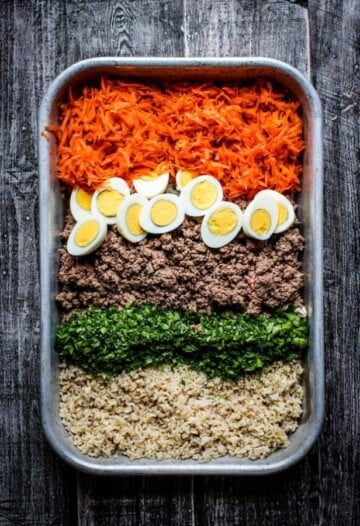
:max_bytes(150000):strip_icc()/140286_HomemadeDogFood_DDMFS_Beauty_009-6a6e82002dc3496eaa20dec6bfde6d6e.jpg)
Vegetables and fruits
Veggies and fruits give vitamins, minerals, and fiber. Not all are safe. Add them carefully to your Homemade dog food ingredients list.
- Carrots: Crunchy, good for teeth and vitamin A. Serve cooked or raw.
- Green beans: Low-calorie and high in fiber. Steam or boil.
- Peas: Add protein and fiber. Use cooked peas.
- Spinach: Small amounts provide iron and calcium. Cook to reduce oxalates.
- Blueberries: Antioxidant-rich treats in small amounts.
- Apples: Remove seeds and core. A crisp source of fiber and vitamin C.
Avoid grapes, raisins, onions, garlic, and raw potatoes. They can be toxic to dogs.
Essential supplements and micronutrients
A Homemade dog food ingredients list often needs added micronutrients to be complete. Whole foods don’t always cover every need.
- Calcium: Bone meal, ground eggshell, or a vet-formulated calcium powder. Critical for bones.
- Fish oil: For omega-3 fatty acids if fish isn’t frequent.
- Multivitamin: A balanced dog multivitamin can fill gaps.
- Probiotics: Helpful for digestion during diet changes.
- Vitamin E: Protects cell health and supports skin.
I add a vet-recommended multivitamin when I rotate recipes. It reduces gaps and simplifies planning.

Ingredients to avoid and why
A good Homemade dog food ingredients list must also list unsafe items. These can cause illness or worse.
- Chocolate and caffeine: Toxic and can be fatal.
- Grapes and raisins: Can cause kidney failure.
- Onions and garlic: Damage red blood cells and cause anemia.
- Xylitol: Sweetener found in gum and some peanut butters. Causes low blood sugar and liver damage.
- Alcohol and raw yeast dough: Dangerous and toxic.
- Raw certain fish and pork: Risk of parasites and bacteria if not handled properly.
When in doubt, check with your vet before adding a new item to the list.

How to build a balanced Homemade dog food ingredients list
Balance is key. Follow a simple framework to build meals that meet nutrition needs.
- Start with protein: 40 to 50 percent of the meal by volume.
- Add carbs and vegetables: 30 to 50 percent depending on activity level.
- Include healthy fats: 5 to 10 percent.
- Add supplements: As recommended by a vet.
- Rotate proteins weekly: Prevent allergies and keep interest.
Example plate for an active medium dog:
- 1 cup cooked chicken
- 1/2 cup cooked brown rice
- 1/2 cup mixed vegetables
- 1 tsp fish oil
- 1/4 tsp calcium supplement
I used this framework when I transitioned my dog from kibble. We tested weight and stool quality. The change improved energy and coat shine after a few weeks.
Preparation, portioning, and storage tips
Good practice keeps food safe and consistent.
- Cook meats thoroughly to kill bacteria. Avoid added salt and seasoning.
- Cool food before refrigerating. Store in airtight containers.
- Portion by weight. Use a kitchen scale and follow calorie needs.
- Freeze portions for up to 3 months. Thaw in the fridge.
- Keep a food log for two weeks when you start a new recipe. Note weight, stool, and energy.
Tip from experience: label each container with date and ingredients. It saves time and helps trace reactions.
Common mistakes and troubleshooting
New home cooks make some repeatable errors. Know them to avoid trouble.
- Skipping calcium: Leads to bone issues over time.
- Overfeeding treats: Causes weight gain and nutrient imbalance.
- Relying on a single protein: May trigger allergies.
- Not measuring calories: Weight changes quietly over weeks.
- Ignoring stool changes: Stool is a quick health signal.
If your dog shows vomiting, diarrhea, or sudden appetite loss, stop the new food and consult your vet.
Frequently Asked Questions of Homemade dog food ingredients list
What should a complete Homemade dog food ingredients list include?
A complete list should include proteins, carbs, healthy fats, vegetables, and necessary supplements like calcium and omega-3s. Balance these based on your dog’s age, size, and activity.
How much protein should be in a homemade dog meal?
Aim for roughly 40 to 50 percent of the meal by volume from quality protein sources. Active dogs may need more protein. Puppies need higher protein for growth.
Can I feed raw meat as part of a Homemade dog food ingredients list?
Raw meat carries bacterial and parasite risks. If you choose raw, follow strict hygiene and consult a vet to balance nutrients and reduce risks.
How do I know if my homemade diet is balanced?
Monitor weight, coat, energy, and stool. Regular vet checks and blood work help confirm balance. A vet or canine nutritionist can assess your recipes.
Are supplements necessary when using a Homemade dog food ingredients list?
Often yes. Supplements like calcium, omega-3s, and a multivitamin help fill gaps. Use vet guidance to choose the right products.
Conclusion
A thoughtful Homemade dog food ingredients list gives your dog real, wholesome nutrition. Focus on quality proteins, safe carbs, healthy fats, and key supplements. Start slow, track results, and consult your vet to tailor meals for your dog. Try one new recipe this week. Share your experience or ask questions below to keep improving your dog’s diet.