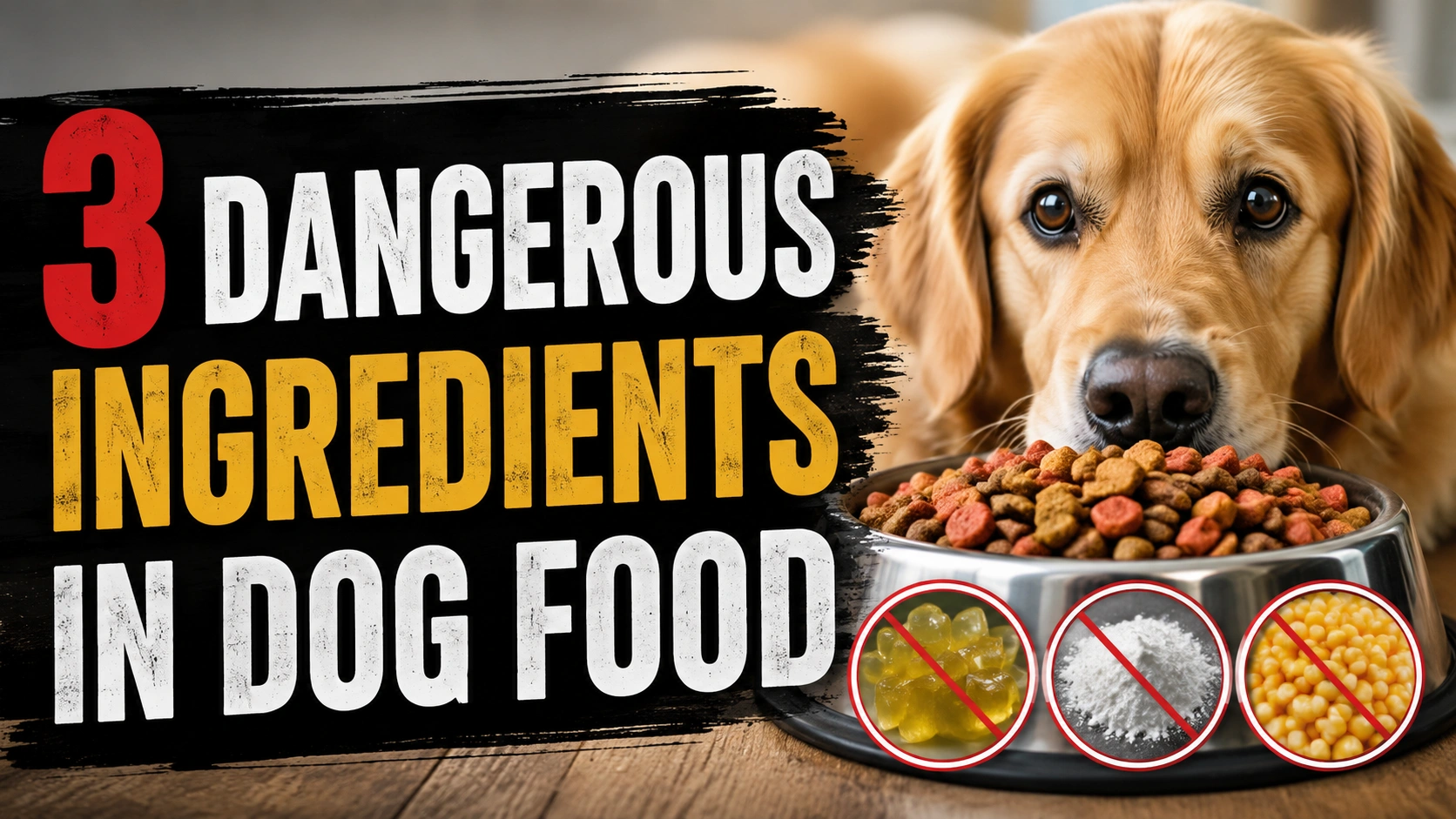
Xylitol, synthetic preservatives (BHA/BHT/ethoxyquin), and low-quality meat by-products commonly found in pet foods.
I have spent years reading labels, advising pet owners, and researching ingredients. This article explains the 3 dangerous ingredients in dog food with clear, practical guidance. You will learn what these ingredients are, why they matter, how to spot them on labels, safer choices, and simple steps to protect your dog. Read on for tested tips and plain‑spoken advice you can use today.
Why these ingredients matter
Dogs eat what we buy. Ingredients affect health now and later. The 3 dangerous ingredients in dog food can cause immediate illness, long‑term organ damage, or poor nutrition. Knowing these risks helps you avoid problems and choose better food.
Common harms include
- Immediate toxicity that needs urgent care.
- Chronic damage that shows over months or years.
- Poor nutrition that weakens immunity and quality of life.
I have counseled anxious owners whose dogs had sudden problems after eating foods with hidden toxins. That experience taught me to read labels and trust clear ingredient lists. Use the next sections to spot trouble fast.
The 3 dangerous ingredients in dog food
To be clear, the 3 dangerous ingredients in dog food I focus on are xylitol, synthetic preservatives (BHA/BHT/ethoxyquin), and low-quality meat by-products. Below I explain each one, the risks, what signs to watch for, and label clues.
Xylitol
What it is
- A sugar alcohol used as a sweetener in many human foods and sometimes in pet treats.
Why it is dangerous - Xylitol causes a rapid drop in blood sugar in dogs. It can also cause liver failure. Even small amounts are dangerous.
Signs of poisoning - Vomiting, weakness, wobbliness, collapse, seizures, and tremors. Symptoms can start within 15–30 minutes.
Label clues - Look for xylitol, birch sugar, or sugar alcohols listed in ingredients. Beware of treats and flavored supplements that mimic human candy.
Personal note - I once helped an owner who gave a peanut butter with xylitol to their dog. It led to an emergency vet visit. That taught me always to check human foods before sharing.
Synthetic preservatives: BHA, BHT, ethoxyquin
What they are
- Chemicals added to keep fat from going rancid. Common names are BHA, BHT, and ethoxyquin.
Why they are dangerous - Studies link long-term exposure in animals to liver and kidney changes and potential cancer risk. They can also irritate sensitive dogs.
Signs to watch for - Chronic symptoms like hair loss, skin problems, weight loss, or unusual organ test results on bloodwork.
Label clues - Check the ingredient list for BHA, BHT, ethoxyquin, or vague terms like “preservatives.” Foods with long shelf lives and low-cost kibbles often use these.
Practical evidence - In practice, switching to foods without these preservatives often improves coat and digestion in sensitive dogs within weeks.
Low-quality meat by-products and unnamed meat meals
What they are
- Terms like “meat by-products,” “animal digest,” or “meat meal” can hide what parts of animals were used. Quality and safety vary a lot.
Why they are dangerous - Low-quality by-products can be nutrient-poor, contaminated, or sourced from animals with drugs or toxins. They can also trigger allergies.
Signs to watch for - Poor coat, low energy, digestive upset, and allergic responses such as scratching or ear infections.
Label clues - Prefer named meats like “chicken,” “beef,” or “salmon.” Watch for vague terms such as “meat and bone meal” without species named.
Real-world tip - After swapping a dog with chronic ear infections to a diet with named single proteins, the infections dropped. Clear labeling matters.
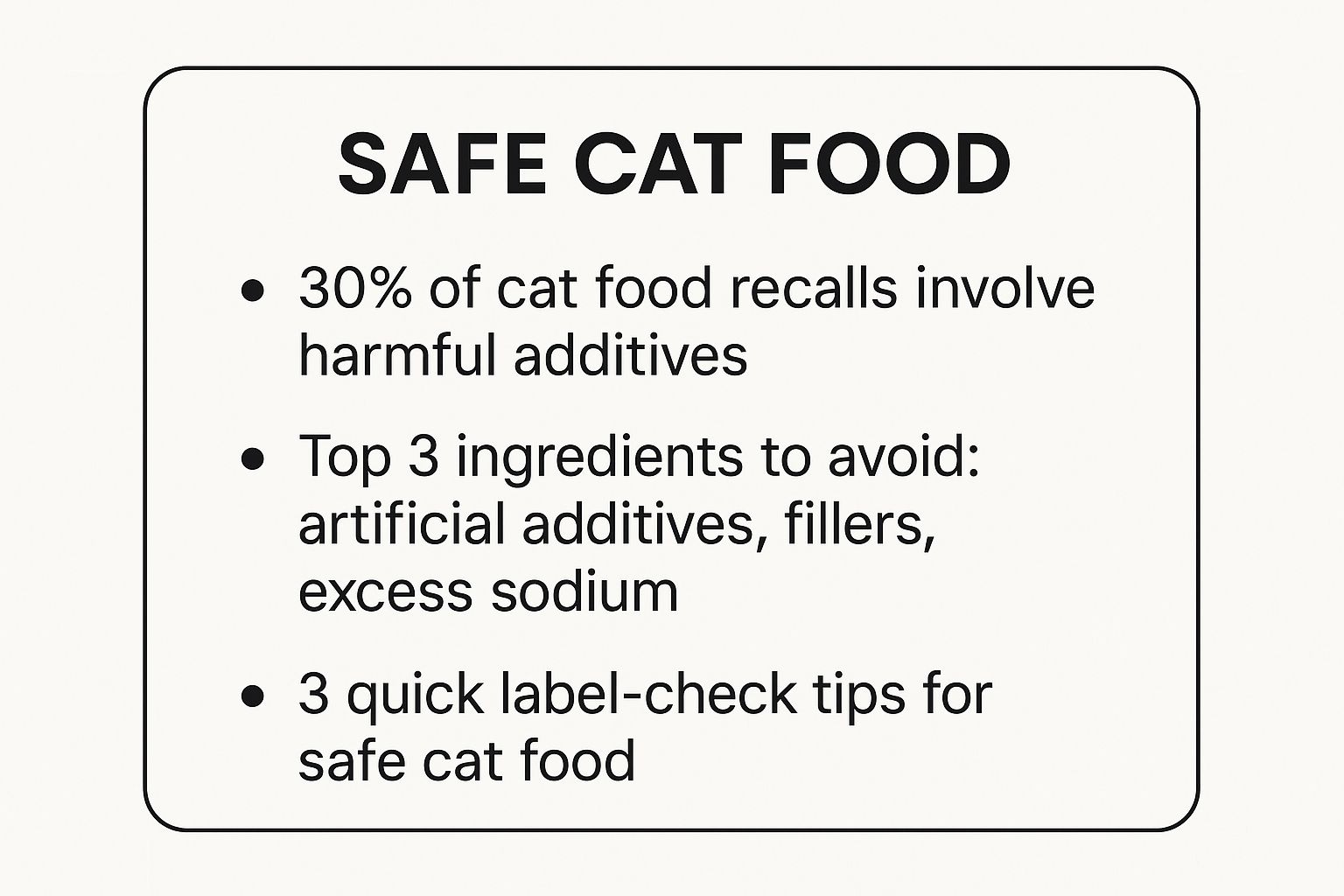
How to read labels and avoid these ingredients
A few small habits on shopping day let you avoid the 3 dangerous ingredients in dog food.
Quick label checklist
- Look at the top five ingredients for named protein sources.
- Scan for listed preservatives: BHA, BHT, or ethoxyquin.
- Watch for xylitol in treats and paste-like supplements.
- Avoid vague terms: “meat by-products,” “animal digest,” or unnamed “meal.”
- Check the guaranteed analysis for protein and fat percentages.
Practical steps
- Buy smaller bags to avoid long storage times.
- Store food in a cool, dry place to reduce need for heavy preservatives.
- If a treat label looks human-focused (sweet flavors, “sugar-free”), read it carefully for xylitol.
Note on marketing claims
- “Natural” and “holistic” are not regulated uniformly. Honest ingredient lists matter more than buzzwords.
Short PAA-style questions
Can xylitol appear in dog food?
Yes. Xylitol is rare in complete kibble but can be in treats and flavored pastes. Always read treat ingredient lists.
Are BHA and BHT banned?
No. They are allowed in pet food in many places but have safety concerns with long-term exposure. Choosing foods without them removes the risk.
Does “meat meal” mean bad quality?
Not always. “Chicken meal” can be high quality if sourced responsibly. The problem is unnamed or vague meal sources.
Safer alternatives and practical tips
Choosing safer foods reduces stress and boosts your dog's long-term health. Avoid the 3 dangerous ingredients in dog food by following these options and tips.
What to choose
- Foods with named protein sources (for example, “chicken,” “salmon”).
- Foods that list natural preservatives like mixed tocopherols (vitamin E).
- Single‑ingredient treats for training; avoid sweeteners.
- Limited-ingredient diets for dogs with allergies.
Home habits that help
- Wash hands after handling human snacks.
- Keep candy and sugar-free gum out of reach.
- Rotate foods slowly when testing new diets to watch for reactions.
- Keep a list of emergency numbers and bring packaging if you need a vet.
Budget tips
- You can find good food without breaking the bank. Look for shorter ingredient lists and named proteins. Watch for sales on trusted brands.
Personal lesson - In my experience, a clear label and simple ingredients beat fancy marketing every time. A calm dog and fewer vet visits are worth the time spent reading labels.
Frequently Asked Questions of 3 dangerous ingredients in dog food
What immediate signs indicate xylitol poisoning?
Look for vomiting, weakness, wobbling, and collapse. Seizures and rapid changes in consciousness can follow quickly.
How do I check for ethoxyquin or BHA on labels?
Scan the ingredients for names like ethoxyquin, BHA, or BHT. If you see “preservatives” without detail, contact the brand for specifics.
Are meat by-products always unsafe?
No. Some by-products are nutritious. The issue is lack of transparency. Prefer named species and reputable brands.
Can switching food reverse damage from these ingredients?
Some effects, like skin or digestive issues, may improve once the ingredient is removed. Severe toxicity, such as xylitol-induced liver failure, can be irreversible and needs urgent care.
Is homemade food safer than commercial food?
Homemade can be safer if balanced correctly. It is easy to miss nutrients. Consult a vet or a canine nutritionist before changing to homemade diets.
Conclusion
Protecting your dog starts with clear label reading and small shopping habits. The 3 dangerous ingredients in dog food — xylitol, synthetic preservatives (BHA/BHT/ethoxyquin), and low-quality meat by-products — are avoidable with simple steps. Take action now: check your current food, read treat labels, and pick products with named proteins and natural preservatives. If you found this guide helpful, try reviewing your pantry today and share what you discover or ask a question below.