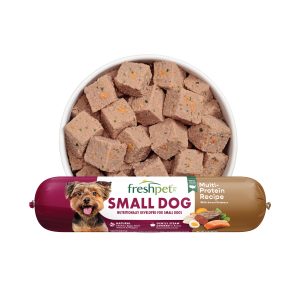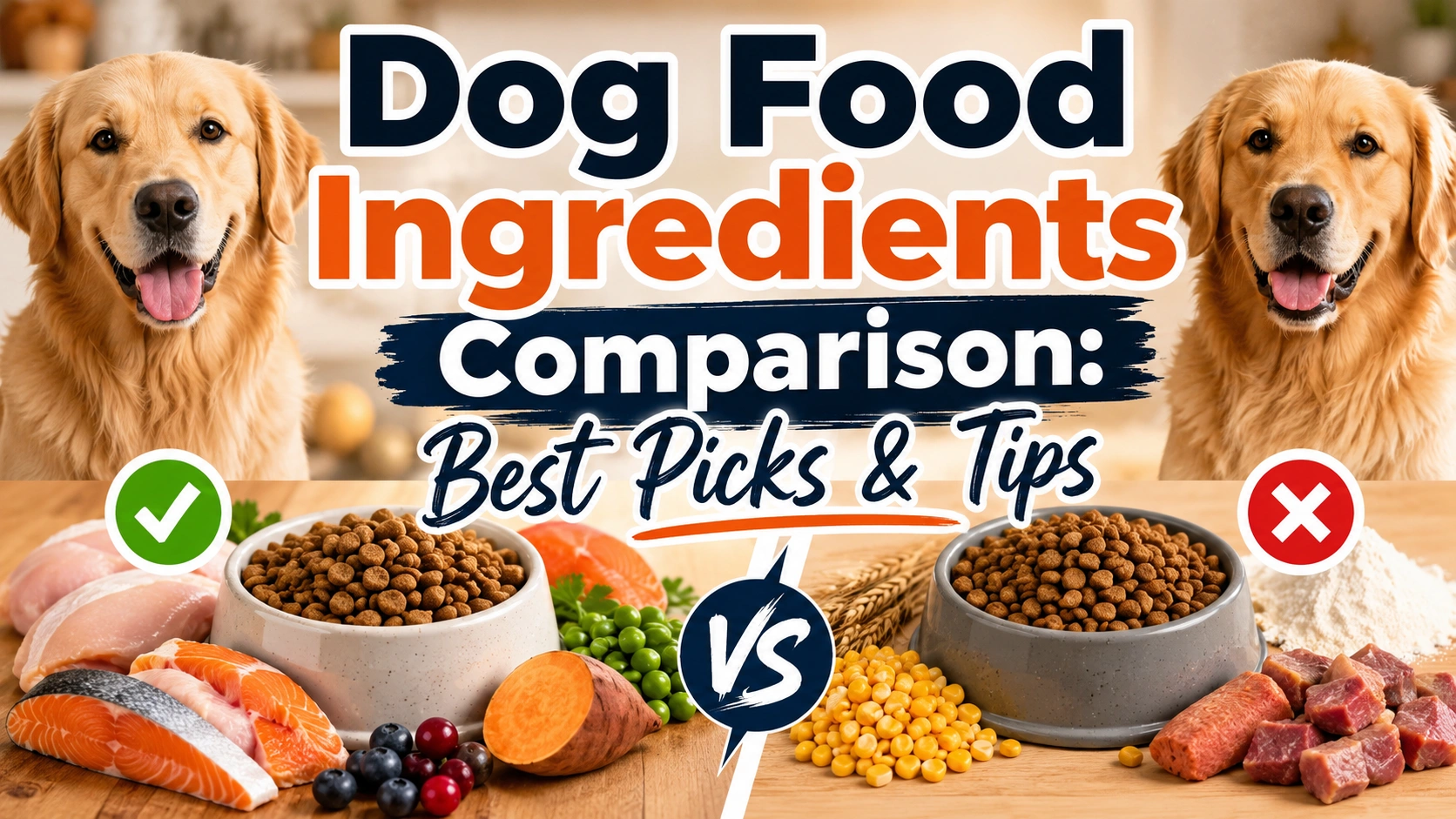
Dog food ingredients comparison shows which foods best meet nutrition, safety, and value.
I have spent years reading labels, testing recipes, and working with vets to compare dog food ingredients. This guide gives a clear, expert look at how to compare ingredients. You will learn what matters most, how to read labels, and real tips from my hands-on experience. Whether you feed kibble, wet food, or homemade meals, this dog food ingredients comparison will help you pick the best option for your dog.

Why ingredients matter for your dog
Ingredients decide how well a meal fuels your dog. Good ingredients give energy, support the immune system, and help digestion. Poor ingredients can cause allergies, weight gain, or poor coat health. This dog food ingredients comparison helps you spot quality and avoid marketing tricks.
Common ingredient groups and what they mean
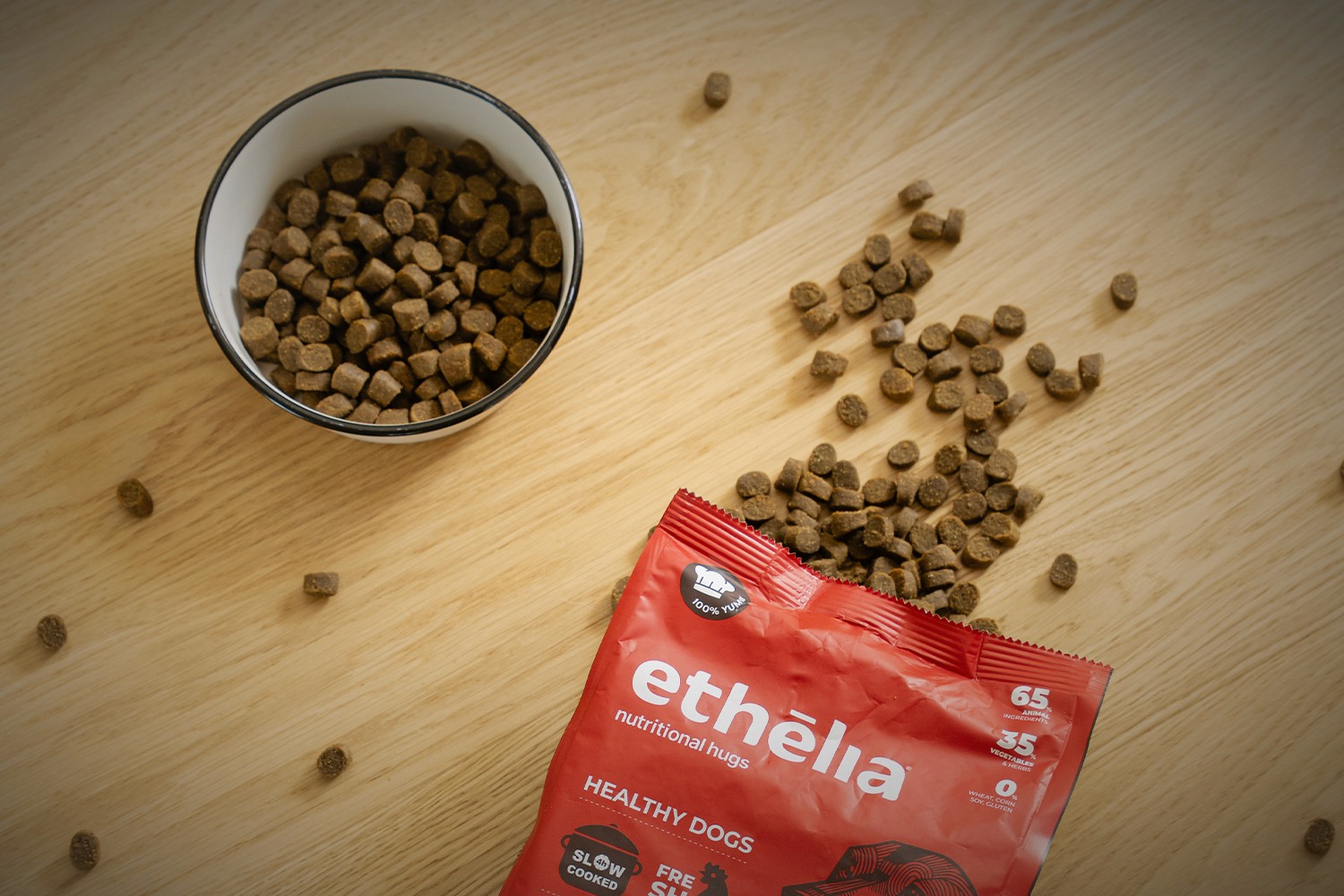
Here are the main ingredient groups you will see on labels. Knowing these groups makes any dog food ingredients comparison easier.
- Proteins — Meat, fish, eggs, and meals. Proteins build muscle and support recovery.
- Carbohydrates — Rice, oats, potatoes, and grains. Carbs provide easy calories and fiber.
- Fats — Animal fat, fish oil, and plant oils. Fats give energy and aid skin and coat health.
- Fibers — Beet pulp, pea fiber, and cellulose. Fiber helps gut health and stool quality.
- Vitamins and minerals — Added to meet AAFCO standards and prevent deficiencies.
- Additives and preservatives — Natural or synthetic agents to keep food fresh and stable.
Comparing popular protein sources
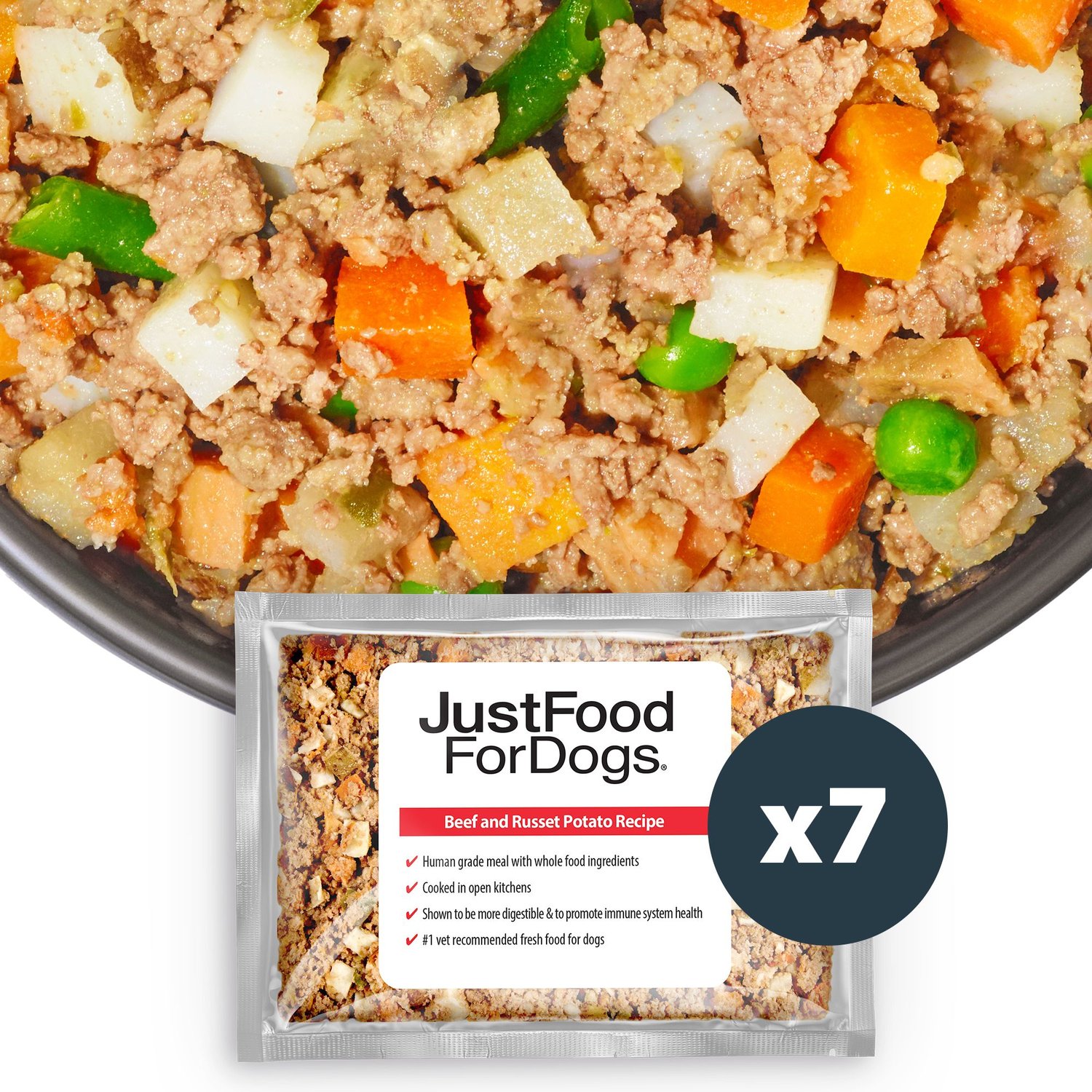
Protein source often drives quality and cost. This dog food ingredients comparison can guide choices by protein type.
- Chicken and turkey — Lean, common, and typically digestible. Watch for “chicken by-product” vs “chicken.”
- Beef and lamb — Rich and flavorful but can cause allergies in some dogs.
- Fish — High in omega-3 fats. Good for skin and joints. Check for mercury risk in some fish.
- Novel proteins — Duck, venison, rabbit. Useful for dogs with common allergies.
- Plant proteins — Pea protein and soy blend protein. Good for some diets but may lack certain amino acids.
Fillers, grains, and controversial ingredients
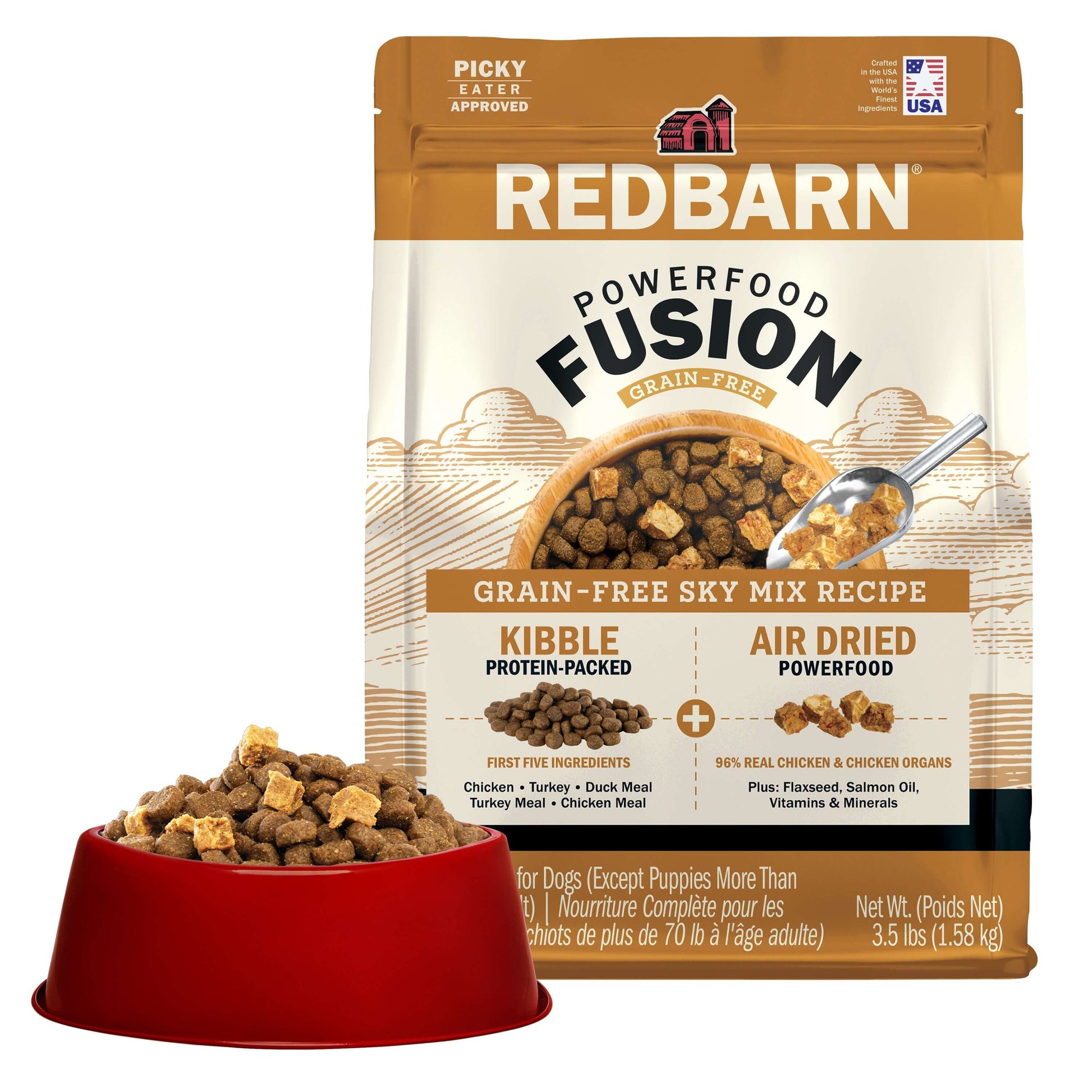
Not all fillers are bad, but some add little nutrition. This section helps you weigh common fillers in a dog food ingredients comparison.
- Corn and wheat — Cheap carbs that provide energy. Some dogs are sensitive or allergic.
- Soy — A protein source and binder. Can cause reactions in some pets.
- By-products — Organs and ground parts. These can be nutrient-dense or low-quality depending on sourcing.
- Peas and lentils — High in protein and fiber. Useful, but overuse can affect nutrient balance.
- Artificial colors and flavors — Added for appearance or palatability. They offer no health benefit.

Additives, supplements, and preservatives
Supplements can be a real benefit when added correctly. This dog food ingredients comparison highlights which extras matter.
- Probiotics — Support digestion and gut flora. Often helpful for sensitive dogs.
- Omega-3 fatty acids — Support skin, coat, and brain health. Fish oil is a top source.
- Glucosamine and chondroitin — Support joint health in large or older dogs.
- Vitamins and minerals — Needed to make a diet complete and balanced.
- Preservatives — Natural (tocopherols) or synthetic (BHA, BHT). Natural options are preferred by many owners.
How to read a dog food label — step by step
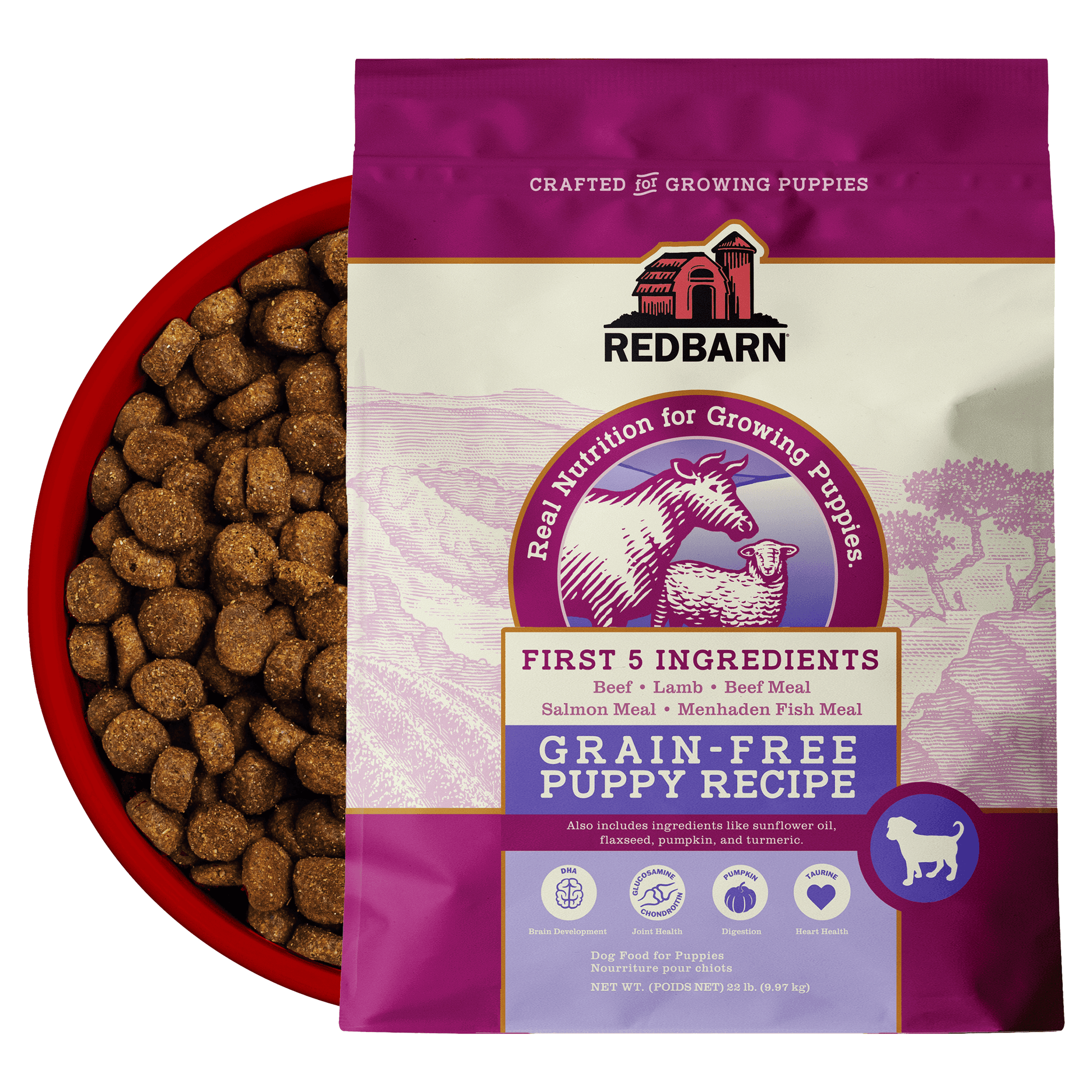
Reading labels is key to any dog food ingredients comparison. Use this simple checklist.
- Start with the ingredient list. Ingredients are listed by weight before cooking.
- Look for named meats first. “Chicken” is better than “meat” or “animal.”
- Check guaranteed analysis. This shows protein, fat, fiber, and moisture levels.
- Find the AAFCO statement. It confirms the food meets basic nutritional needs.
- Note additives and preservatives. Prefer natural preservatives when possible.
My tip from experience: compare two labels side by side on the same device. I often print a quick checklist and mark protein source, first filler, and any novel additives. This made my choices clearer and faster.
Choosing based on life stage and health
Different dogs need different nutrition. This dog food ingredients comparison helps match food to needs.
- Puppies — Need higher protein and fat for growth. Look for puppy or growth formulas.
- Adults — Balanced protein and fat for maintenance. Weight-control options for less active dogs.
- Seniors — Lower calories, more joint support, and high-quality protein to preserve muscle.
- Allergies and sensitivities — Novel protein or hydrolyzed formulas can help.
- Obesity or weight loss — Look for higher fiber and controlled calories.
My real-world tips, mistakes to avoid, and lessons learned
I have switched foods for many dogs over the years. These are the best hands-on tips from that work.
- Introduce new food slowly. Sudden changes cause digestive upset in many dogs.
- Don’t chase marketing claims. “Human-grade” or “natural” can be vague.
- Watch for hidden sugars. Dried fruit and syrups add unnecessary calories.
- Test one change at a time. Swap proteins before trying a whole new diet plan.
- Ask your vet about special needs. Blood tests and allergy checks can guide choices.
A mistake I made early on was switching to a cheaper kibble to save money. The dog’s stool quality worsened and coat dulled. Returning to a slightly pricier food with a better protein and fat profile fixed the issue in weeks. That taught me that ingredient quality often saves money on vet visits later.
Practical shopping checklist
Use this short checklist during shopping to apply your dog food ingredients comparison in real life.
- First ingredient should be a named protein.
- Avoid vague terms like “meat” or “meat meal” without source detail.
- Look for an AAFCO statement that matches your dog’s life stage.
- Check fat and protein percentages to match activity level.
- Prefer natural preservatives and whole-food sources of nutrients.
- Balance budget with ingredient quality rather than price alone.
Frequently Asked Questions of Dog food ingredients comparison
What is the best protein for dogs?
The best protein depends on your dog. High-quality animal proteins like chicken, beef, and fish are common choices and are usually easily digestible.
How do I spot low-quality ingredients?
Low-quality ingredients often appear as vague terms like “meat” or many unnamed by-products. Look for named meats and recognizable whole foods.
Are grains harmful in dog food?
Grains are not inherently harmful. They provide energy and fiber for many dogs. Only dogs with diagnosed grain sensitivities should avoid them.
Should I worry about plant proteins like pea or soy?
Plant proteins can be part of a balanced diet but may lack some amino acids found in animal proteins. Balance and quality matter more than single ingredients.
How often should I change my dog’s food for variety?
You can rotate proteins a few times per year to provide variety and reduce allergy risk. Make changes slowly over 7–10 days to avoid digestive upset.
Can homemade diets beat commercial foods in ingredients comparison?
Homemade diets can use high-quality ingredients but must be balanced for vitamins and minerals. Work with a vet or nutritionist to avoid gaps.
Conclusion
This dog food ingredients comparison gives you practical tools to choose better food for your pet. Focus on named proteins, clear labels, and supplements that match your dog’s needs. Start small: compare two labels, try one new ingredient, and watch your dog for changes. If you found this helpful, try a label comparison today, leave a comment about your results, or subscribe to get more hands-on tips and updates.