Worst puppy food brands skimp on meat, use fillers, dyes, and vague by-products.
If you are worried about Worst Puppy Food Brands, you are right to be careful. I review dog diets for a living and have worked with many vets and shelters. I have seen the damage a bad formula can do. In this guide, I break down how to spot Worst Puppy Food Brands, why they fail, and what to buy instead. Read on to protect your pup’s health and growth.
:strip_icc()/Spruce-best-dog-food-at-walmart-4173197-a02410eb5618412b8495e0eaba6420a8.jpg)
What Makes a Brand One of the Worst Puppy Food Brands?
Puppies grow fast. They need energy, protein, minerals, and fatty acids in the right amounts. Worst Puppy Food Brands miss the mark on these basics. They hide weak formulas behind cute bags and clever buzzwords.
Here is how I define the worst:
- No AAFCO growth or all life stages claim, or a vague claim that does not mention growth.
- No feeding trials for growth. Only a basic nutrient profile is used, with no real-world proof.
- Vague or split meat sources, like meat by-product or multiple plant proteins to inflate protein.
- Poor calcium to phosphorus ratio for growth. Large breeds need extra care here.
- No in-house nutrition expert. No quality control data. No digestibility numbers.
- History of recalls or safety gaps, and little transparency when asked for details.
Trusted brands share proof. They employ a board-certified veterinary nutritionist. They run feeding trials for growth. They publish digestibility and quality control data. Worst Puppy Food Brands do none of this. They sell a story, not results.
Label Red Flags That Often Signal the Worst Puppy Food Brands
The label tells a story. You can learn a lot in one minute if you know where to look. Worst Puppy Food Brands leave clues right on the bag.
Watch for these signs:
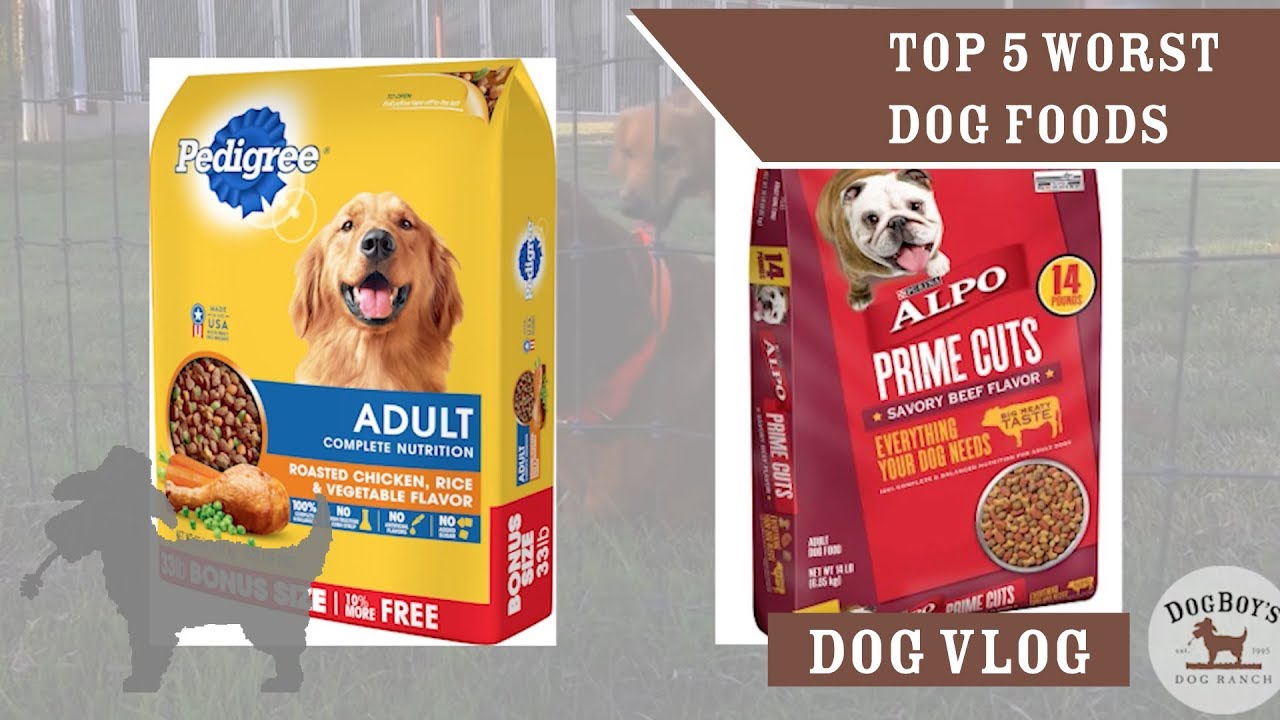
- Vague animal proteins like meat, poultry, animal, or by-product with no species named.
- Plant protein boosters near the top. Pea protein, lentil flour, and potato protein can mask low meat.
- Artificial colors like Red 40 and Yellow 5. Dogs do not care about color. Dyes add no value.
- Old-school preservatives like BHA, BHT, or ethoxyquin.
- Added sugars like corn syrup or sucrose that do not belong in puppy food.
- Salt listed before mid-panel. That hints at flavor tricks over quality.
- Misleading claims. With chicken means only 3 percent is needed to claim with.
- No clear AAFCO growth statement for puppies. For large breeds, it must say including growth of large size dogs.
The best brands do the opposite. They list named meats. They skip dyes. They show real science. Worst Puppy Food Brands rely on noise and hope you do not read the fine print.

Ingredient Watchlist: What To Avoid Or Limit
Some ingredients are not evil on their own. But in puppy diets, they can push out better nutrients. Worst Puppy Food Brands use a lot of them.
Keep an eye on:
- Vague by-products and unnamed animal fats.
- Multiple legumes or starches high on the list.
- Artificial colors and flavors.
- Sweeteners and sugar alcohols.
- Copper sulfate at very high levels without balance.
- Rendered fats with no antioxidant system listed.
- Generic fish meal with no species and no DHA/EPA claim.
Puppies need steady DHA for brain and eye growth. They need the right minerals for bones. Weak ingredients crowd out the good stuff. This is why the Worst Puppy Food Brands fail young dogs.

Nutrition Standards That Good Brands Meet (and Worst Puppy Food Brands Ignore)
Puppy formulas should meet known standards. In the US, foods must meet AAFCO nutrient profiles for growth or all life stages. Strong brands go a step further and prove it in feeding trials. Worst Puppy Food Brands skip proof and hide behind pretty claims.
Key targets to look for:
- AAFCO growth statement. For large breeds, it must say including growth of large size dogs.
- Calcium and phosphorus in safe ranges for growth. The ratio should be close to 1.2:1 to 1.4:1.
- DHA from fish oil or algal oil. Look for 0.1 percent or higher on a dry matter basis.
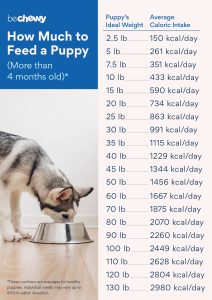
- Clear caloric density so you can feed the right amount.
- Digestibility data. Higher digestibility means fewer tummy issues and better stools.
Reputable groups advise that brands employ qualified nutritionists, run growth trials, and have strict quality control. I ask brands for this data. Worst Puppy Food Brands rarely respond with anything useful.
Health Risks Linked To Low-Quality Puppy Diets
Diet shapes growth. When the formula is poor, the risks stack up. I have seen these issues many times in practice.
Common problems include:
- Loose stools, gas, and bloating from low digestibility and fiber games.
- Dry coat and itchy skin from weak fatty acid balance.
- Fast, uneven bone growth from bad mineral ratios. This can raise orthopedic risk in large breeds.
- Poor focus and training response if DHA is low.
- Rare heart issues can link to diet patterns. The science is still ongoing. Balanced diets help lower risk.
Worst Puppy Food Brands do not plan for growth. They plan for shelf space. Your puppy pays the price.
Marketing Tricks Used By the Worst Puppy Food Brands
Packages shout fresh, holistic, or premium. Price and pictures can mislead. Worst Puppy Food Brands use hype to cover gaps in nutrient science.
Look out for:
- Grain-free sold as better with no reason. Grain-free can work, but it is not a health badge.
- Human-grade thrown around without true USDA kitchen standards across the line.
- Superfoods listed far down the label. A sprinkle does not change the core recipe.
- Breed-specific bags with the same base formula inside.
A good bag does not need noise. It needs proof. Worst Puppy Food Brands sell theater, not evidence.
How I Review a Bag: A Step-by-Step Checklist
I use a simple flow when I shop for clients. You can do this in five minutes in the aisle.
- Read the AAFCO statement. It must state growth or all life stages. For large breeds, it should include that phrase.
- Scan the first five ingredients. Look for named meats and meals. Avoid vague animal parts.
- Check fat sources. Named fish oil is a plus for DHA.
- Hunt for dyes and flavorings. If you see them, move on.
- Look for calories per cup. Tiny pups need energy you can track.
- Search the brand site for a nutritionist, feeding trials, and quality control. If they hide this, that is a red flag.
- Email support with two questions. Do you run growth feeding trials? What is your average protein digestibility? The best brands answer fast and clear.
This method has saved many families from Worst Puppy Food Brands. It keeps the focus on facts, not ads.
Real Cases From The Clinic And Rescue
At a rescue, we had a litter with soft stools and dull coats. The food had vague meat, lots of peas, and dyes. We moved them to a growth-tested diet with named meats and fish oil. Within two weeks, stools firmed up and coats shined.
A client with a Great Dane pup fed a bag that lacked a large-breed growth claim. The calcium was too high. We switched to a large-breed puppy formula with the right ratio. Growth evened out, and joint strain signs eased.
Another case had a picky toy breed on a sweetened formula. The pup loved it but gained fat fast. We chose a higher-protein, no-sugar recipe with clear calories. Weight normalized, and energy went up.
These stories are common with Worst Puppy Food Brands. Better food changes the path fast.
Safer Alternatives And How To Choose Better
You have options at many price points. The key is proof.
Use this shortcut:
- Pick a brand that employs a board-certified veterinary nutritionist.
- Look for an AAFCO growth or all life stages claim backed by feeding trials.
- Choose named animal proteins up front, plus named fish oil for DHA.
- For large breeds, confirm the formula is safe for large size puppies.
- Ask the brand for digestibility and quality control details.
Home-cooked diets can work, but only with a vet nutritionist recipe and routine checks. Raw diets can carry harmful germs. If you choose raw, use strict safety steps and talk to your vet. Worst Puppy Food Brands make risky promises. Proven brands earn trust.
Transition Plan And Feeding Tips
Change food slow to protect the gut. I use this simple schedule and track stools.
- Days 1–2: 75 percent old, 25 percent new.
- Days 3–4: 50 percent old, 50 percent new.
- Days 5–6: 25 percent old, 75 percent new.
- Day 7: 100 percent new.
Extra tips:
- Feed three to four small meals a day at first.
- Limit treats to 10 percent of calories.
- Store kibble in the original bag inside an airtight bin.
- Weigh your pup weekly and adjust by body score.
- If stools stay loose, slow the switch and call your vet.
This plan helps you move away from Worst Puppy Food Brands with less stress.
Frequently Asked Questions of Worst Puppy Food Brands
Are grain-free diets part of the Worst Puppy Food Brands?
Not by default. Grain-free is a tool, not a badge. Choose a diet that meets growth standards and has proof, with or without grains.
How can I tell if a brand uses a real nutrition expert?
Check the website and product sheets. Look for a named board-certified veterinary nutritionist and clear quality control details.
Do puppies need DHA, or is regular fat enough?
They need DHA for brain and eye growth. Look for named fish oil or algal oil that supplies DHA in every serving.
Is higher protein always better for puppies?
Not always. You need enough quality animal protein plus the right minerals and fats. Balance matters more than any single number.
What if my puppy is doing fine on a cheap food?
Short term can look fine, but growth is complex. Review the label and ask the brand for proof to avoid long-term risks.
Conclusion
Worst Puppy Food Brands cut corners on meat, minerals, and science. They lean on buzzwords and bright pictures. Now you can spot the red flags and choose better with a clear checklist. Your puppy’s growth depends on what goes in the bowl today.
Take action this week. Audit your bag, email the brand for data, and plan a smart switch if needed. Want more guides like this? Subscribe, share your questions, or drop a comment with your pup’s story.