Reports tied certain dog food brands to heart disease, but causation remains unproven.
The topic is complex, emotional, and evolving. I have spent years speaking with veterinarians, cardiologists, and pet owners, and I have reviewed the science behind diet-associated dilated cardiomyopathy. This guide explains what we know about Dog Food Brands Linked to Heart Disease, what is still uncertain, and how to choose a safe, balanced diet for your dog with calm, practical steps.
What veterinarians mean by heart disease in dogs
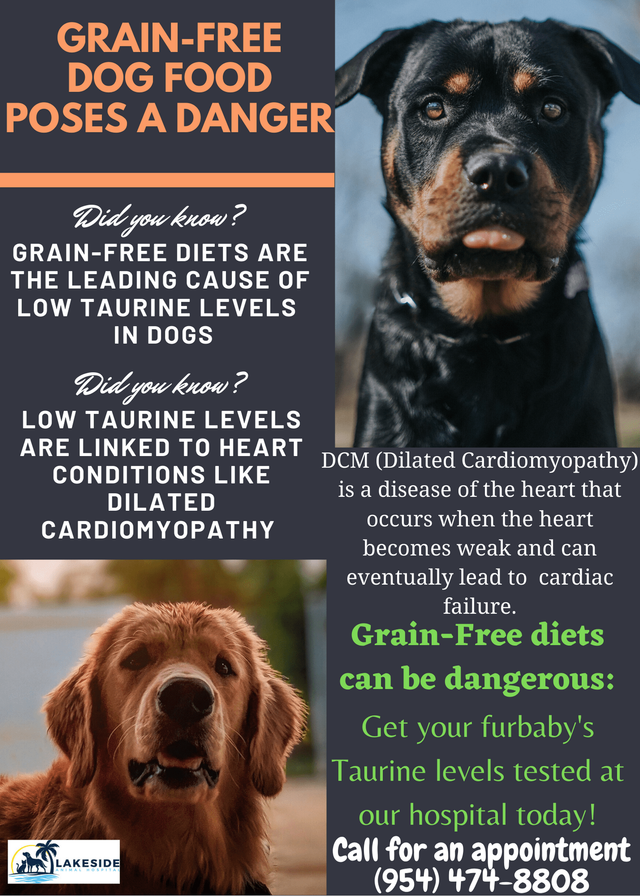
Most headlines here point to dilated cardiomyopathy. DCM is a disease where the heart muscle becomes weak and enlarged. It can lead to low energy, cough, fainting, or even heart failure.
Some breeds have genetic risk. Food may play a role in some cases. DCM is not one single disease. It is a group of problems that can look the same on an ultrasound. That is why the debate around Dog Food Brands Linked to Heart Disease needs care.

What the FDA and researchers have reported about Dog Food Brands Linked to Heart Disease
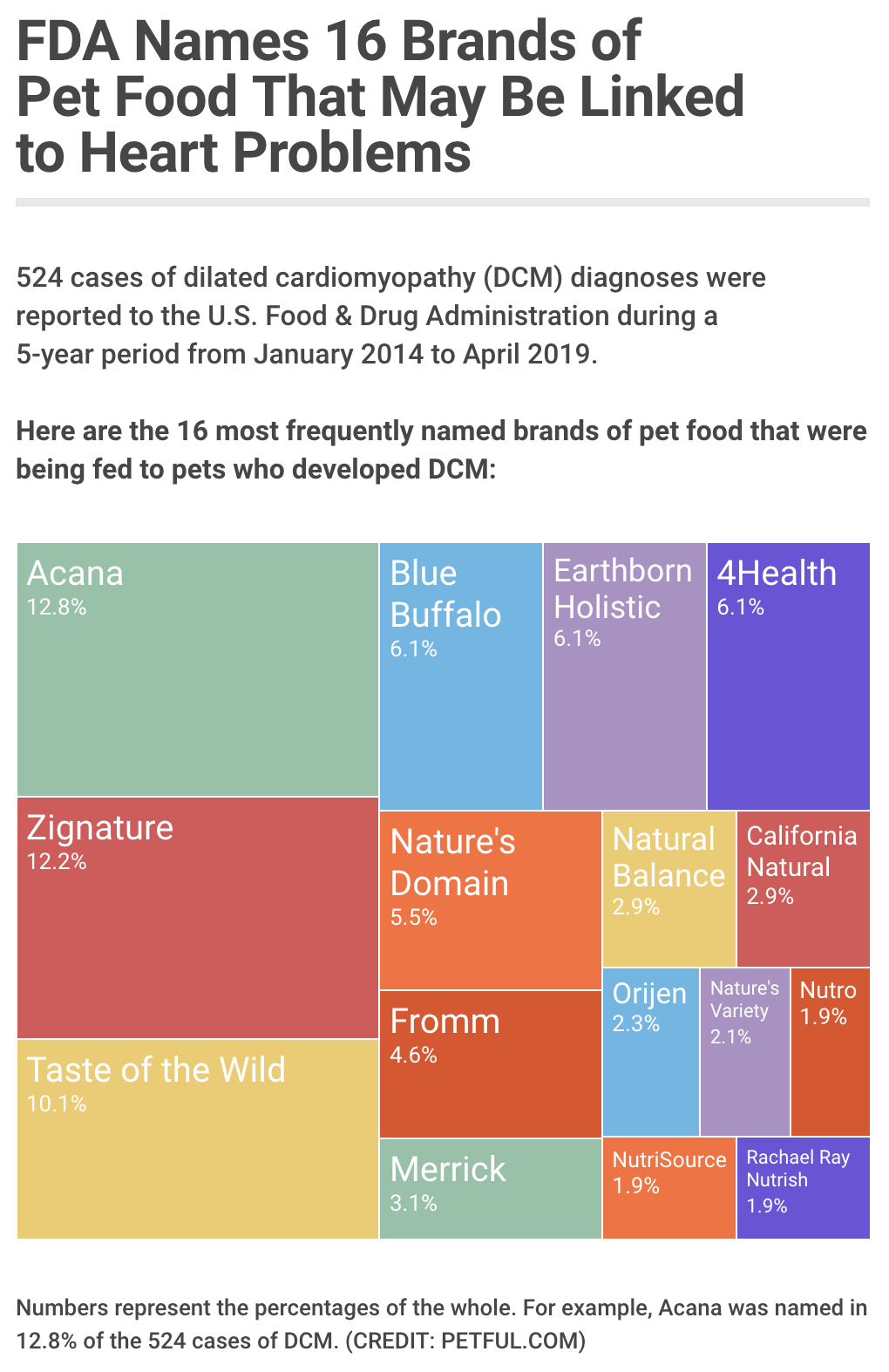
Starting in 2018, federal regulators began to study reports of DCM in dogs eating certain diets. In 2019, an update listed brands most often named in case reports. The agency stressed that counts do not prove cause. Reports can reflect brand size, popularity, and reporting bias. Later updates stated no clear causal link had been found, and the work is ongoing.
Key points from public updates and peer-reviewed research:
- Many reported dogs were eating grain-free diets.
- Many foods had peas, lentils, or potatoes high on the ingredient list.
- Some dogs had low taurine levels. Some improved after diet change and care.
- Not all dogs had low taurine. Not all cases were on grain-free diets.
- No recalls were ordered based on this issue alone.
As of the 2019 summary, brands most often named in reports included:
- Acana
- Zignature
- Taste of the Wild
- 4Health
- Earthborn Holistic
- Blue Buffalo
- Nature’s Domain
- Fromm
- Merrick
- California Natural
- Natural Balance
- Orijen
- NutriSource
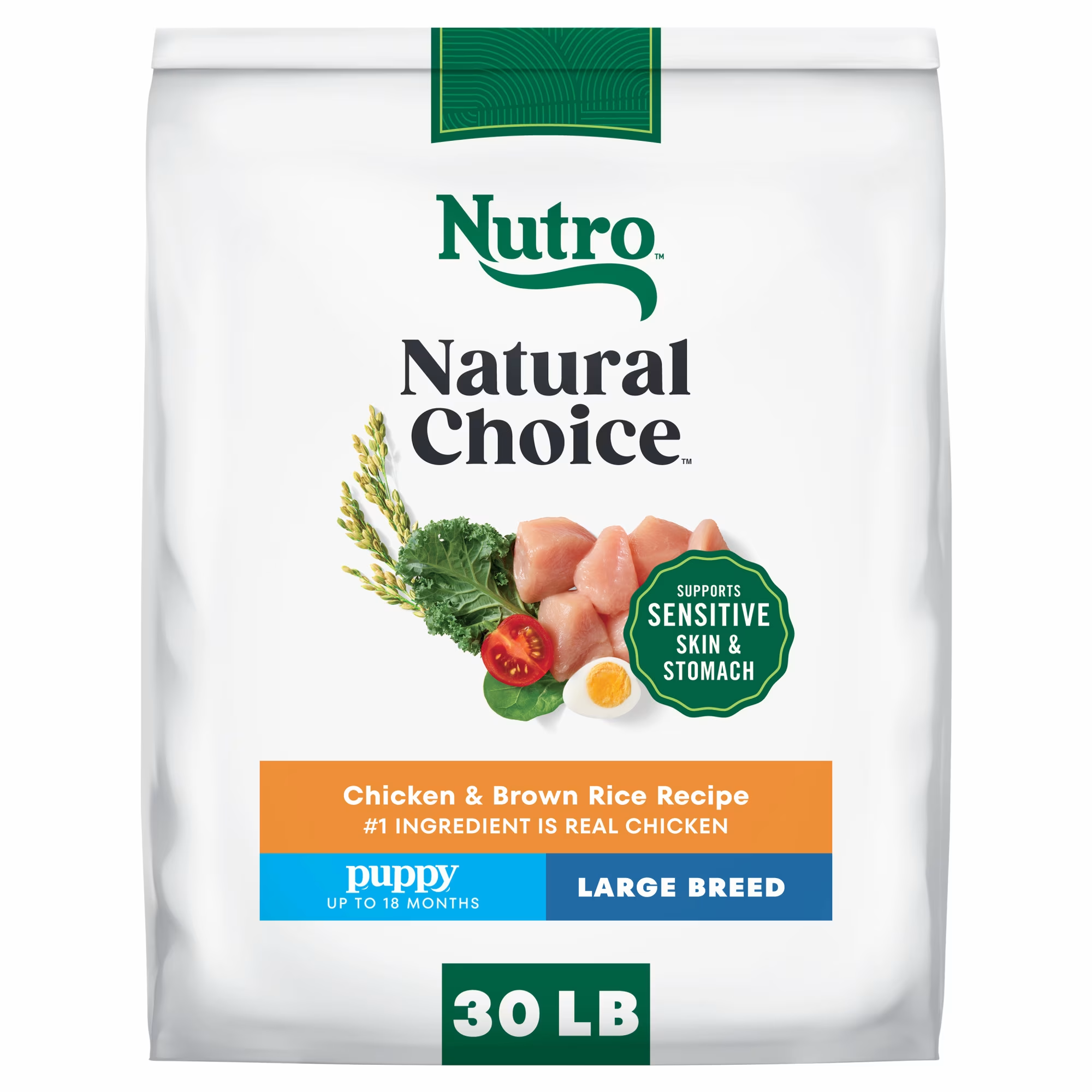
- Nutro
- Rachael Ray Nutrish
This list does not prove these brands cause DCM. It reflects case submissions through that date. Newer data may differ. The central message for readers searching Dog Food Brands Linked to Heart Disease is this: evidence is mixed, and decisions should focus on total diet quality and your dog’s needs.

Ingredients and diet patterns under scrutiny
Research has focused on how diet patterns might influence heart health. Here is what is under the microscope:
- Grain-free formulas. Often use legumes or potatoes in place of grains.
- Pulses. Peas, lentils, chickpeas, and their fractions like pea protein or pea fiber.
- Exotic proteins. Kangaroo, bison, venison, duck, lamb, or multiple exotics in one recipe.
- Very high fiber or unusual ingredient mixes. May change how dogs digest amino acids.
Why it might matter:
- Taurine and its building blocks. Dogs make taurine from methionine and cysteine. Diets low in these, or with poor bioavailability, may lower taurine status in some dogs.
- Fiber and binding. Certain fibers can bind bile acids. That can raise taurine needs.
- Processing and heat. Extreme processing can change amino acid availability.
What I tell clients who ask about Dog Food Brands Linked to Heart Disease is simple. Look beyond the brand name. Study the ingredient pattern. Aim for tested, balanced, and proven formulations.
Dog Food Brands Linked to Heart Disease: how to read claims and reports
It is easy to panic when you see lists online. Slow down and assess:
- Are claims based on case reports, or controlled trials?
- Do numbers adjust for sales volume?
- Is the report current, or from 2019?
- Did the company reformulate since then?
Stronger signals to look for in a company:
- They employ a full-time, board-certified veterinary nutritionist.
- They run AAFCO feeding trials on final diets, not only meet profiles.
- They publish digestibility and nutrient data, including taurine and amino acids.
- They have quality control with third-party checks.
These points do not guarantee safety. They do help you sort noise from proof when reading about Dog Food Brands Linked to Heart Disease.
Breeds, age, and other risk factors
Genetics still matter. Some large breeds carry a known risk for DCM. Nutrition may add to that risk in some dogs.
Groups often discussed:
- Golden Retrievers, Doberman Pinschers, Great Danes, Irish Wolfhounds, and Boxers.
- Dogs with low taurine status.
- Senior dogs or very large dogs with high energy needs.
Takeaway for readers studying Dog Food Brands Linked to Heart Disease. Diet is one variable. Breed, age, and health history also shape risk.

How to choose a safer food today
You can make a strong choice with a few checks:
- Prefer brands that do feeding trials and publish details.
- Choose grain-inclusive formulas unless your vet says otherwise.
- Avoid foods where peas, lentils, or potatoes dominate the first several spots.
- Keep protein sources simple. Rotate only after a stable period.
- Confirm AAFCO complete and balanced for your dog’s life stage.
- Contact the company. Ask who formulates the diet and about quality controls.
If you must feed grain-free, speak with your vet. Ask about taurine testing, especially if your breed is at risk. Practical steps beat fear when exploring Dog Food Brands Linked to Heart Disease.

How to transition your dog’s diet
Switching too fast can upset the gut. Use a slow plan:
- Days 1 to 2. 75 percent old food, 25 percent new food.
- Days 3 to 4. 50 percent old, 50 percent new.
- Days 5 to 6. 25 percent old, 75 percent new.
- Day 7 onward. 100 percent new food.
Watch stool, energy, and appetite. Pause and go slower if needed. A calm transition supports heart and gut while you act on concerns about Dog Food Brands Linked to Heart Disease.
Signs to watch and when to see your vet
DCM can be quiet at first. Call your vet if you notice:
- Low energy or exercise intolerance.
- Cough, fast breathing at rest, or belly swelling.
- Fainting or collapse.
Your vet may suggest tests:
- Physical exam and chest X-rays.
- Echocardiogram with a cardiologist.
- Blood markers like NT-proBNP.
- Whole blood and plasma taurine levels.
Early care saves lives. If you worry about Dog Food Brands Linked to Heart Disease, do not wait on symptoms. Talk to your vet now.
Common myths about Dog Food Brands Linked to Heart Disease
Let’s clear the air.
- Myth: All grain-free foods cause heart disease. Reality: Not proven. The issue is complex, and many dogs do well on many diets.
- Myth: Grains are fillers and harmful. Reality: Cooked grains add energy, fiber, and nutrients. Many healthy dogs thrive on grain-inclusive diets.
- Myth: Taurine pills fix every case. Reality: Supplements can help some dogs. Others need full cardiac care and diet changes.
- Myth: Boutique equals better. Reality: Small brands can be great. Size does not replace data, feeding trials, or quality systems.
- Myth: If the brand was named once, it is unsafe forever. Reality: Formulas change. Strong brands reformulate and test.
These points help you read claims about Dog Food Brands Linked to Heart Disease with a cool head.
Real-world stories and lessons from my practice
A Golden Retriever I worked with, Luna, came in tired and coughing. She ate a grain-free diet high in peas. Her vet found early DCM. We switched to a grain-inclusive food from a company with feeding trials. She got taurine as advised. Three months later, her energy was back, and her echo showed improvement.
Another case, a mixed-breed rescue, had normal taurine but poor heart function. Diet change alone did not fix it. Cardiac meds were key. This taught me not to pin everything on Dog Food Brands Linked to Heart Disease. Diet is part of care, not the whole plan.
Lessons you can use:
- Track what you feed. Save the bag and lot code.
- Do bloodwork and an echo when in doubt.
- Work with your vet. Adjust diet, not just one nutrient.
- Recheck in 3 to 6 months. Look for real changes, not guesses.
Frequently Asked Questions of Dog Food Brands Linked to Heart Disease
Are grain-free diets safe for most dogs?
Many dogs do fine on grain-free diets, but concerns remain for some formulas. Work with your vet, and pick brands with strong testing and quality controls.
Should I avoid peas or lentils in dog food?
Small amounts are common and can be fine. Avoid diets where these ingredients dominate the first several spots unless guided by your vet.
Do all Dog Food Brands Linked to Heart Disease need to be recalled?
No. Regulators have not found a clear causal link and have not ordered broad recalls. Evaluate each product on current data, not old headlines.
Can taurine supplements prevent DCM?
Taurine can help some dogs, especially at-risk breeds or those with low levels. Test first when possible, and use supplements under veterinary guidance.
How can I check if a brand is trustworthy?
Ask who formulates the food, whether they run AAFCO feeding trials, and for nutrient and digestibility data. Trusted brands answer these questions clearly.
How fast will I see changes after a diet switch?
Some dogs show more energy in weeks. Heart changes take months and should be checked by your vet.
Is homemade dog food safer for heart health?
Not by default. Many homemade diets lack key nutrients without a veterinary nutritionist’s recipe and follow-up.
Conclusion
Diet and heart health are linked in complex ways, and the story is still unfolding. When you see claims about Dog Food Brands Linked to Heart Disease, focus on proven steps: choose brands with strong nutrition teams, avoid formulas dominated by pulses, and partner with your vet on testing and follow-up.
Take action today. Review your dog’s bag, call the maker with the checklist above, and plan a smart transition if needed. If this guide helped, share it with a friend, subscribe for more evidence-based pet care, or leave a comment with your questions.