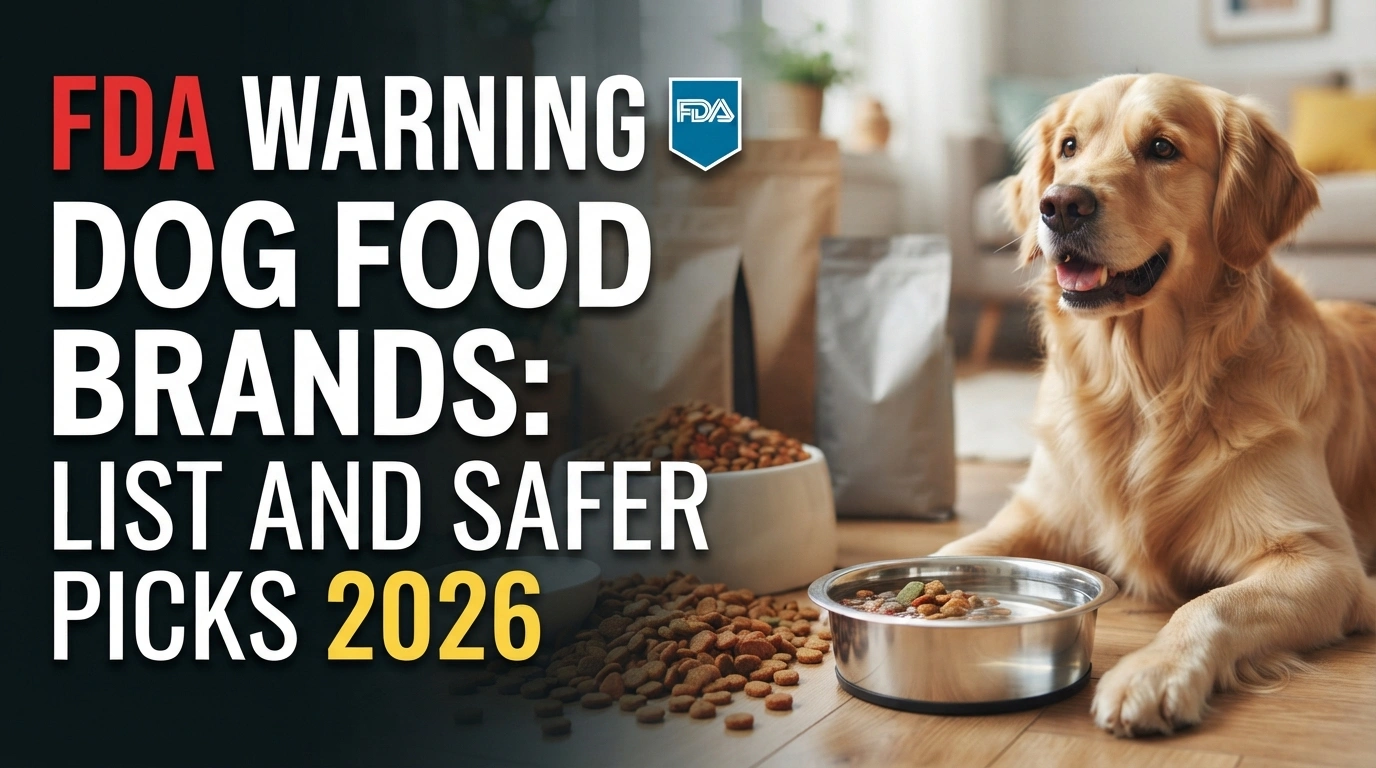
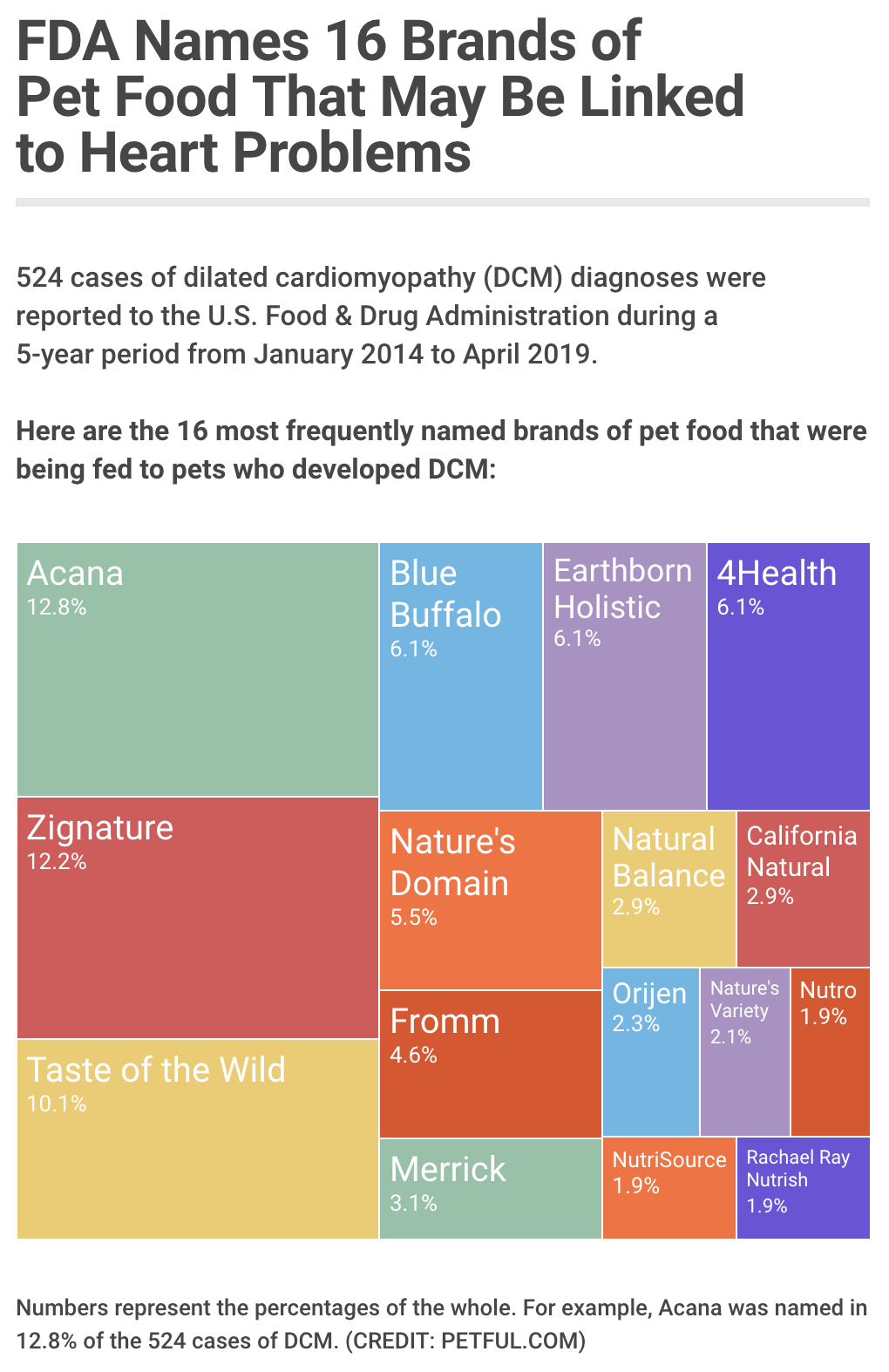
FDA Warning Dog Food Brands signal safety risks, recalls, or compliance violations.
If you feed a beloved dog every day, you deserve clear, calm answers when headlines get loud. In this guide, I unpack FDA Warning Dog Food Brands with plain language, hands-on tips, and expert context. You will learn what these warnings mean, where to find the latest lists, how to act fast, and how to choose safer food with confidence.

What an FDA warning to a dog food brand really means
Not every safety alert is the same. The FDA oversees pet food safety, but most recalls are voluntary. Brands usually act after they find a problem or after the FDA flags risks during inspections or testing. When you see FDA Warning Dog Food Brands in the news, it can be a recall, a public health alert, an advisory, or a formal warning letter.
Here is how these actions break down in simple terms:
- Recalls happen when a product may harm pets or violates the law. They can be broad or narrow by lot code.
- Public health alerts or advisories warn of a risk even before a formal recall is set.
- Warning letters tell a company to fix violations. They often follow inspections, product tests, or outbreak investigations.
- Import alerts can hold products at the border when a repeated risk is found.
A recall class signals urgency:
- Class I means the highest risk.
- Class II means a moderate risk.
- Class III means the risk is lower but still needs action.
The FDA uses preventive rules under modern food safety laws to push companies to find hazards, test, and improve controls. When systems fail, you may see FDA Warning Dog Food Brands appear across news feeds and FDA pages.
How to find the latest FDA Warning Dog Food Brands list
Lists change fast. Always check official and current sources before you act.
Do this:
- Search the FDA Recalls, Market Withdrawals, and Safety Alerts page, then filter for pet or animal food.
- Check the FDA Warning Letters database for animal food firms.
- Look at your brand’s website and social pages. Reputable brands post recall notices and links to lot codes.
- Review retailer notices. Big stores email or post alerts if a brand they carry is affected.
- Ask your veterinarian. Clinics receive safety notices and can advise on next steps.
Save proof:
- Keep the bag or can with the lot code, UPC, and best-by date.
- Take clear photos before you discard anything.
This is the fastest path to verify if your bag is included in FDA Warning Dog Food Brands today.
Common triggers behind FDA Warning Dog Food Brands
Most FDA actions come from a short list of problems. Knowing them helps you read labels and act fast.
Frequent issues include:
- Pathogens like Salmonella, Listeria, or E. coli. These can make dogs and people sick.
- Mycotoxins like aflatoxin or fumonisin from moldy grains. These can harm the liver.
- Nutrient errors. Too much vitamin D can cause serious illness. Imbalanced minerals can strain kidneys and bones.
- Physical hazards. Plastic, metal, or bone fragments can injure the mouth or gut.
- Misbranding or false claims. Labels must match what is in the bag. Health claims must be true and legal.
- Cross-contamination. This happens when raw and cooked lines are not well separated.
- Storage or transport failures. Heat and humidity can raise risk for pathogens and toxins.
If a test, a complaint, or an inspection finds one of these problems, it can lead to FDA Warning Dog Food Brands and a recall or letter.
Health signs to watch for in your dog
Most dogs do well on safe, balanced food. Still, keep an eye out, especially after news about FDA Warning Dog Food Brands.
Call your vet if you see:
- Vomiting, diarrhea, bloody stool, or fever
- Lethargy, loss of appetite, or weight loss
- Excessive thirst or urination
- Yellow gums or eyes, bruising, or seizures
- Cough, weakness, or signs of heart stress
Dogs can hide pain. If your gut says something is off, call your vet and mention recent diet changes or any recall you noted.
What to do if your dog’s food is recalled
If your bag appears on FDA Warning Dog Food Brands lists, act with calm speed.
Steps to take:
- Stop feeding the product right away.
- Photograph the bag, UPC, lot code, and best-by date.
- Check the recall notice for refund steps. Many brands offer refunds or replacements.
- Contact the brand’s customer care. Keep names, dates, and case numbers.
- Report your issue to the FDA Safety Reporting Portal if your dog is sick.
- Clean bowls, scoops, storage bins, and floors with hot, soapy water. Then disinfect.
- Call your veterinarian if your dog has symptoms. Bring photos and your recall notes.
Do not toss the bag until you record all codes. Those numbers confirm if your product is part of the recall.
How companies respond and what accountability looks like
Firms named in FDA Warning Dog Food Brands notices must fix root causes. The best ones move fast and are transparent.
Look for these steps from a responsible brand:
- A public notice with clear lot codes and instructions
- A root cause analysis that explains what failed
- A corrective action plan with timelines and verification
- Stronger controls like test-and-hold, kill steps, and supplier checks
- Environmental monitoring and sanitation upgrades
- Third-party audits and open communication with pet parents and vets
Trust grows when a company shares facts, not fluff. Silence is a red flag.
Choosing safer dog food: a simple, vet-informed checklist
Good brands work to stay far from FDA Warning Dog Food Brands. Use this checklist when you shop or email a manufacturer.
Ask or check for:
- Meets AAFCO nutrient profiles for your dog’s life stage
- Conducts feeding trials, not just lab formulation
- Employs a qualified nutrition team, ideally with board-certified nutritionists
- Publishes lot codes and welcomes questions about sourcing and testing
- Uses test-and-hold for pathogens and toxins
- Has a traceable supply chain and robust supplier audits
- Shares recall history and corrective actions
Everyday safety tips:
- Buy from high-turnover stores to reduce age and heat exposure
- Store kibble in the original bag inside an airtight bin
- Wash scoops and bowls often
- Use food within 30 to 45 days of opening, unless the label says otherwise
Small habits cut big risks.
My hands-on experience tracking alerts and helping pet parents
I set calendar reminders to scan FDA recall pages each week. I also keep text alerts from key retailers and brand newsletters. This simple routine helped me spot FDA Warning Dog Food Brands early and guide families before problems grew.
A client once called me in a panic after a recall hit late Friday. We read her lot code together, confirmed the match, and saved the bag info. Her dog had mild vomiting. We called the vet, filed a report, cleaned all bowls, and switched to a safe backup food for two weeks. The brand refunded her fast. The lesson was clear: do not wait, and never throw out packaging before you take photos.
Common mistakes to avoid:
- Tossing the bag too soon
- Assuming all best-by dates are recalled
- Skipping a vet call for “mild” signs
- Storing food in hot garages
These small fixes protect your dog and your peace of mind during FDA Warning Dog Food Brands events.
Frequently Asked Questions of FDA Warning Dog Food Brands
What does it mean when a product appears under FDA Warning Dog Food Brands?
It means the FDA or the company found a safety, labeling, or compliance issue. You should check your lot code, stop feeding if included, and follow the recall steps.
Are all recalls dangerous for my dog?
Risk varies by issue and lot. Read the notice, watch your dog for signs, and call your vet if anything seems off.
How do I check if my dog food is recalled?
Go to the FDA recall page and filter for pet food. Then match your brand, product name, lot code, UPC, and best-by date.
Can I return recalled pet food without a receipt?
Most brands honor returns with the bag and lot code. Photos often help if the store also needs proof.
How often do FDA Warning Dog Food Brands happen?
They are not daily, but they occur across the year. Frequency depends on testing, inspections, and the issues found.
What should I feed while I wait for guidance after a recall?
Use a safe backup your dog tolerates, such as a different lot or brand that meets AAFCO. Keep meals simple to watch for any signs.
Conclusion
Safety news can feel loud, but your plan can be simple: verify, act, and document. Keep packaging, check official lists, call your vet when in doubt, and choose brands that earn your trust. Use this guide any time you see FDA Warning Dog Food Brands and turn worry into a clear, calm checklist.
If this helped, share it with a fellow pet parent, subscribe for more pet safety guides, or leave a question so I can help you next.