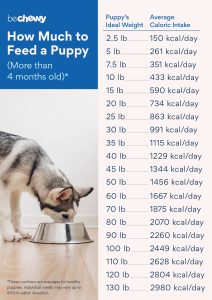
Bringing a new puppy home is one of the most exciting moments you can experience as a pet owner. That tiny bundle of fur brings endless energy, sloppy kisses, and so much fun to your household. But when mealtime arrives, reality sets in. You stand in front of a giant bag of dog kibble, holding a measuring cup, wondering if you are feeding too much or not enough. Believe me, every dog parent has stood right where you are now.
Hi, I’m Zak Fahim. As a lifelong pet enthusiast and practical pet writer for PetFreakz, I’ve navigated puppy nutrition with plenty of growing pups over the years. Figuring out how much to feed a puppy per day does not need to feel like advanced math. While every pup has unique needs based on age, breed, and growth speed, following a simple daily framework keeps mealtime easy and stress-free.
In this guide, we will break down daily portion sizes, feeding schedules by age, and visual body checks so you can keep your puppy lean, strong, and thriving. Let’s make sure your furry friend gets the perfect balance of calories and nutrients for proper growth.

Quick Answer
Most puppies require between 1/2 cup to 4 cups of dry puppy food per day, split into 3 or 4 smaller meals depending on their age, weight, and expected adult size. Small breed puppies weighing under 10 pounds eat smaller portions around 1/2 to 1 cup daily, while large breed puppies need up to 3 or 4 cups to power rapid bone growth. Always start by checking the daily feeding table on your AAFCO-compliant puppy food bag, and adjust the portion based on your puppy’s waistline and body condition.
What Determines How Much a Puppy Eats?
Here’s the thing about puppies: their nutritional needs change rapidly as they grow. A two-month-old pup builds skeleton structure, organ tissue, and muscle at an incredible pace. Because of this rapid growth, puppies burn through calories much faster than full-grown dogs. However, you cannot simply fill their bowl to the brim and let them eat endlessly.
Several major factors determine your puppy’s exact daily food portion. Understanding these details helps you tailor every meal to your pet’s needs without guesswork.
Key factors influencing your puppy’s daily food portions include:
- Age and Growth Stage: Young puppies between 8 and 16 weeks need maximum energy density per pound of body weight to support rapid bone development.
- Expected Adult Breed Size: Toy breeds mature much faster than giant breeds like Great Danes, requiring different caloric intake patterns.
- Food Calorie Density: High-protein, nutrient-rich commercial dog foods require smaller cup portions than budget formulas filled with excessive grains.
- Daily Energy & Activity Level: An active working puppy playing outdoors all afternoon burns far more calories than a quiet lap pup.
So what should you look for in a balanced diet? Proper puppy food must contain higher levels of protein, healthy fats, and balanced minerals compared to standard adult food. According to guidelines set by the Association of American Feed Control Officials (AAFCO), complete and balanced puppy formulas are specifically crafted to meet growth and reproduction nutritional profiles.
To keep your pup’s growth on track, ensure their diet provides:
- High-quality animal proteins like chicken, beef, or salmon for building strong muscles
- Omega-3 fatty acids like DHA to support healthy brain and eye development
- Balanced calcium and phosphorus ratios to prevent rapid bone malformation
- Digestible carbohydrates and probiotics for daily gut health and immune support
How to Tell If You Are Feeding Your Puppy the Right Amount

How do you know if your pup is getting enough food? Feeding bags give helpful starting numbers, but they are general guides. Every puppy processes food at a slightly different metabolic rate. The best way to know if your portion sizes are spot-on is by checking your puppy’s physical body condition rather than relying on their appetite alone.
Puppies are naturally food-motivated and will gladly eat extra kibble even when full. Relying on their begging behavior often leads to overfeeding and early puppy obesity. Instead, run a simple hands-on test every week to monitor their shape.
Use these practical visual cues to check your puppy’s weight:
- The Hands-On Rib Test: You should feel your puppy’s ribs easily under a thin layer of skin and fat without pressing hard. If the ribs stick out sharply, increase the portion slightly. If you cannot feel the ribs at all, trim back the daily food cup count.
- The Overhead Waist View: Look down at your puppy while they stand. You should see a gentle hourglass waist curve inward behind the ribcage.
- Stool Consistency Check: Firm, fully formed stools mean your puppy absorbs nutrients properly. Loose, watery, or overly soft stools often signal overfeeding, while small, hard pellets suggest underfeeding or mild dehydration.
The American Kennel Club (AKC) recommends monitoring your puppy’s body condition score weekly during early growth phases to adjust portions before weight issues develop.
Below is a general daily feeding chart based on estimated adult weight and age. This represents the total amount of dry food per day, which you should divide evenly across their daily scheduled meals.
| Expected Adult Weight | 2 to 3 Months Old | 4 to 5 Months Old | 6 to 9 Months Old | 10 to 12 Months Old |
|---|---|---|---|---|
| Toy (5–12 lbs) | 1/2 to 3/4 cup | 2/3 to 1 cup | 1/2 to 3/4 cup | 1/2 cup (Adult Food) |
| Small (13–25 lbs) | 3/4 to 1 1/3 cups | 1 1/4 to 1 3/4 cups | 1 to 1 1/2 cups | 1 to 1 1/4 cups |
| Medium (26–50 lbs) | 1 1/2 to 2 cups | 2 to 2 2/3 cups | 2 to 2 1/2 cups | 1 3/4 to 2 1/4 cups |
| Large (51–75 lbs) | 2 to 2 2/3 cups | 3 to 3 3/2 cups | 3 1/3 to 4 cups | 2 3/4 to 3 1/2 cups |
| Giant (76–100+ lbs) | 2 2/3 to 3 1/2 cups | 3 1/2 to 4 1/2 cups | 4 1/2 to 5 1/2 cups | 4 to 5 cups |
How to Calculate and Serve the Right Portion Size Step by Step
Serving the ideal daily kibble portion takes just a couple of minutes once you build a consistent routine. Having the proper supplies nearby makes meal preparation clean and accurate every single day.
Before you get started, gather these essential feeding supplies:
- Standard measuring cup or digital kitchen food scale for accurate portions
- High-quality AAFCO-certified dry puppy kibble or balanced canned food
- Clean stainless steel or non-porous ceramic pet bowls
- Fresh, filtered water in a heavy, tip-proof bowl
- Low-calorie training treats (budgeted into total daily calories)
Follow these steps to accurately calculate and serve your puppy’s daily meals:
- Read the Dog Food Bag Chart: Locate the feeding table on the back of your food bag. Match your puppy’s age with their estimated adult weight to find the suggested baseline portion per day.
- Divide the Daily Total into Meals: Take the recommended total daily cups and divide it by the number of meals your puppy eats each day based on their age bracket.
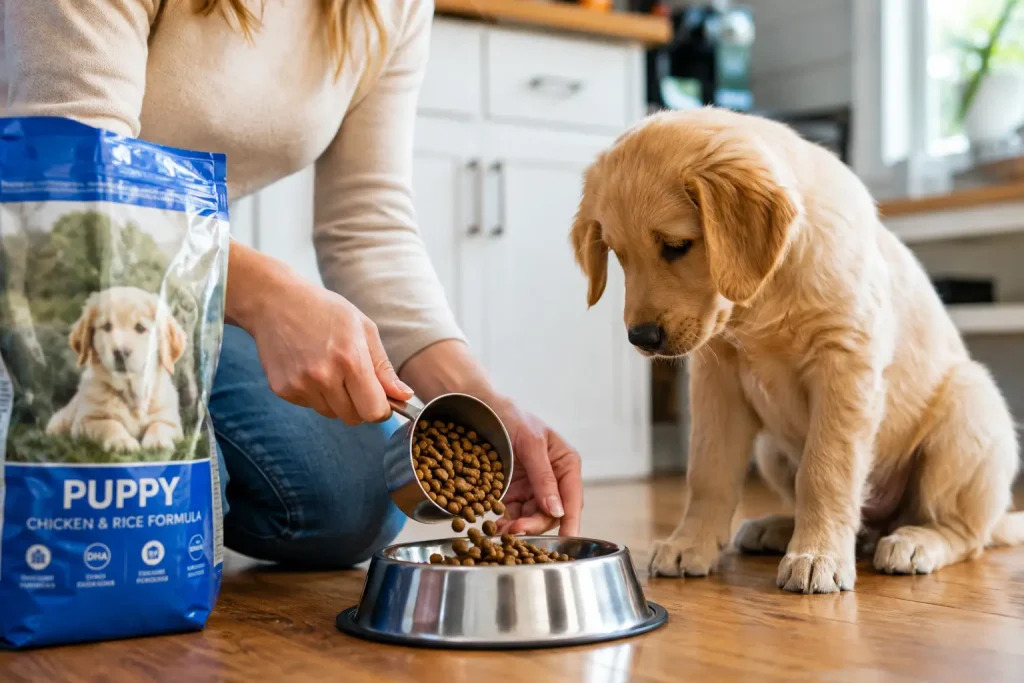
- Measure Portions Accurately: Use a real measuring cup or weigh portions on a scale. Eyeballing food scoops with a cup or mug usually leads to accidental overfeeding.
- Establish a Consistent Feeding Schedule: Feed your puppy at fixed times every day. Pick predictable meal hours that match your household schedule.
- Monitor Body Condition Weekly: Adjust the total cup portion up or down by roughly 10% if your puppy appears too thin or carries extra belly fat.
Spacing meals evenly throughout the day helps prevent sudden drops in blood sugar, keeps digestion steady, and makes household potty training far easier. Use this simple meal schedule chart as a everyday baseline guide for your pup.
| Puppy Age Bracket | Recommended Meals per Day | Meal Spacing Interval | Portion Strategy Notes |
|---|---|---|---|
| 6 to 12 Weeks | 4 Meals Daily | Every 3 to 4 hours | Crucial for small stomachs; prevents hypoglycemia in toy breeds. |
| 3 to 6 Months | 3 Meals Daily | Morning, Midday, Evening | Supports steady energy for active growth and house training routines. |
| 6 to 12 Months | 2 Meals Daily | Morning and Evening | Transitions pup toward adult schedule; keeps appetite consistent. |
| 12+ Months (Adult) | 1 to 2 Meals Daily | 12 hours apart | Shift to complete adult dog food formulas gradually. |
Common Puppy Feeding Mistakes to Avoid
When feeding a growing pup, good intentions can sometimes lead to simple mistakes. Avoiding these common feeding errors protects your puppy’s stomach, keeps their growth steady, and helps build great adult habits.
Keep these practical warnings in mind during daily feeding routines:Warning: Avoid Free-Feeding Your Puppy
Leaving a full food bowl out all day makes potty training significantly harder because you cannot predict when your puppy will need a bathroom break. Free-feeding also hides changes in appetite that might signal early digestive issues or illness.
- Overusing High-Calorie Treats: Training treats add up quickly. Keep treats to less than 10% of your pup’s total daily caloric allowance, and deduct kibble portions on heavy training days.
- Switching to Adult Dog Food Too Early: Standard adult dog food lacks the elevated protein, calcium, and caloric density puppies need. Keep toy and medium breeds on puppy food for 12 months, and large breeds up to 18–24 months.
- Adding Unnecessary Calcium Supplements: Over-supplementing calcium in large breed puppies can cause abnormal bone growth and severe hip or joint disorders. Stick to balanced commercial dog food unless your vet advises otherwise.
- Changing Dog Food Brands Suddenly: Switching kibble brands overnight causes sudden gastrointestinal distress, vomiting, and diarrhea. Always blend new kibble with old food gradually over 7 to 10 days.
- Ignoring Stool and Body Changes: Don’t blindly follow food bag charts if your puppy gains excessive weight or looks too lean. Always adjust amounts according to your dog’s actual body condition.
Expert Tips from Zak
Over my years working with pet owners and writing pet nutrition guides, I’ve gathered several practical tricks that make puppy feeding time smoother and safer for everyone involved.Zak’s Tip: Soften Dry Kibble for Young Pups
If your 8-to-10-week-old puppy hesitates to chew hard kibble, splash a few tablespoons of warm water or low-sodium bone broth over their dry food. Let it sit for five minutes to soak and soften into a warm mash. This enhances aroma, eases baby teeth discomfort, and boosts hydration.Zak’s Tip: Use Slow Feeder Bowls for Gulping Pups
Does your pup inhale their entire food bowl in under 30 seconds? Rapid eating causes swallowed air, gas, and stomach upset. Try using a slow-feeder maze bowl or a puzzle toy to turn mealtime into a fun mental workout that slows down their eating pace.Zak’s Tip: Practice Restful Post-Meal Time
Avoid vigorous outdoor running or rough play immediately after a full meal. Allowing your puppy to rest quietly for 30 to 45 minutes after eating aids digestion and lowers the risk of stomach bloating or stomach upset.
Key Takeaways
- Calculate daily portions using your puppy’s age and target adult weight, not just their current weight.
- Divide the total daily food portion into 3 to 4 smaller meals for puppies under 6 months of age.
- Check your puppy’s physical body condition weekly using the rib test and overhead waist check.
- Keep daily treats within 10% of overall daily calorie intake to prevent unintended weight gain.
- Transition between food brands slowly over 7 to 10 days to protect sensitive digestive systems.
Frequently Asked Questions
How often should an 8-week-old puppy eat per day?
An 8-week-old puppy should eat four small meals per day spaced roughly 3 to 4 hours apart. Their stomachs are tiny, so smaller, frequent feedings maintain steady blood sugar levels and support efficient digestion without overloading their bellies.
How do I know if I am feeding my puppy enough food?
You can verify your puppy gets enough food by feeling their ribcage and checking their energy levels. You should feel their ribs beneath a slight layer of fat without sharp bone protrusion, and they should maintain steady energy and firm, structured stools.
What should I do if my puppy seems hungry all the time?
Puppies are naturally curious and opportunistic eaters that often act hungry even when fully fed. Check their body condition score first; if their ribs and waist look healthy, do not increase meal size. If they are growing thin, increase daily portions by 10%.
When should I switch my puppy from puppy food to adult dog food?
Small and medium breed puppies generally switch to adult dog food around 10 to 12 months of age. Large and giant breeds continue growing longer and should remain on specialized puppy food for 18 to 24 months to support gradual joint and bone growth.
Is wet food or dry kibble better for a growing puppy?
Both wet food and dry kibble provide complete nutrition when formulated to meet AAFCO growth guidelines. Dry kibble helps scrape tartar off teeth and is cost-effective, while wet food offers extra hydration and appeals to picky eaters. Combining both is a popular option.
Can I add water or broth to my puppy’s dry food?
Yes, adding warm water or low-sodium dog broth to dry kibble enhances smell, softens food for tender baby teeth, and boosts daily hydration. Allow the mixture to sit for a few minutes before serving so the kibble absorbs the liquid.
Final Thoughts on Puppy Daily Feeding
Determining how much to feed a puppy per day comes down to matching portions to your pup’s age, expected adult size, and individual physical condition. While feeding charts give you an excellent baseline starting point, observing your puppy’s waistline and ribcage helps you make smart, small adjustments along the way.
Remember that steady, controlled growth is always healthier than rapid weight gain. By pairing balanced puppy nutrition with regular veterinary care from trusted organizations like the American Veterinary Medical Association (AVMA), you build a firm foundation for a lifetime of pet health and happiness.
For more practical pet advice on keeping your growing dog healthy, explore our complete guide on essential puppy training tips and check out our expert recommendations for the best dog food for puppies guide today.