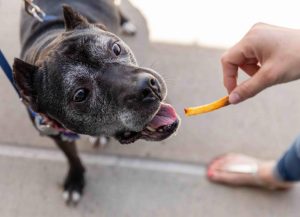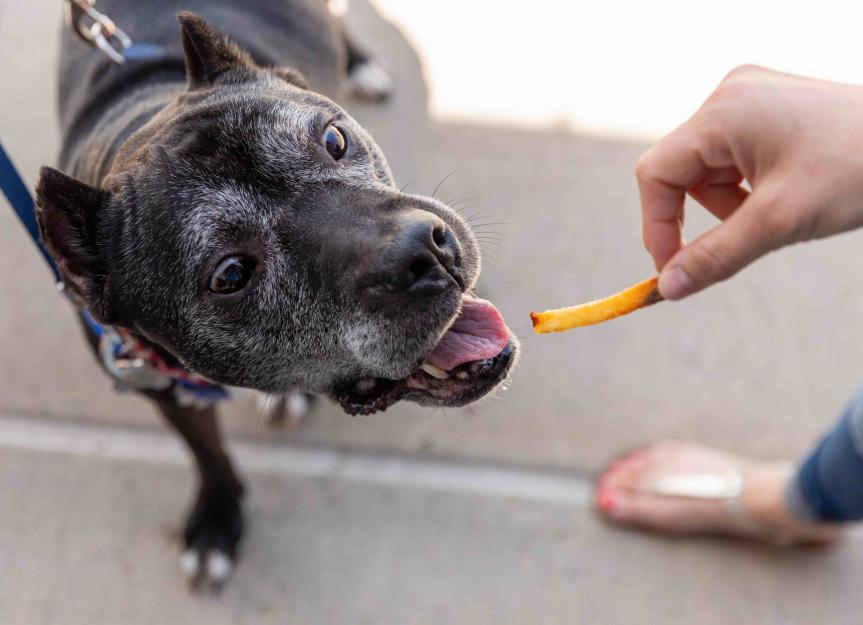
Dogs should not eat fried food because it can upset digestion and add unhealthy fat.
If you have ever shared a fries smell with your dog staring up at you, you are not alone. As someone who has spent years writing about pet nutrition and reading veterinary guidance, I can say this topic comes up a lot for a reason: fried food is one of those human treats that looks harmless in a small bite, but can create real trouble for dogs. In this guide, we will break down why fried food is risky, what can happen if your dog eats it, and what to do instead so you can make smart, safe choices for your pet.
What Counts as Fried Food for Dogs?
Fried food includes anything cooked in a lot of oil or fat. That can mean French fries, fried chicken, onion rings, doughnuts, fried fish, and even battered snacks.
For dogs, the problem is not just the food itself. It is also the oil, seasoning, batter, salt, and grease that come with it. A plain piece of chicken is very different from a fried chicken strip coated in salt and spices.
In everyday life, I have seen people assume “just one fry” is no big deal. Sometimes it is not an emergency, but it is still not a good habit. The more often a dog eats fried food, the more stress it puts on the stomach, pancreas, and weight control.
Can Dogs Eat Fried Food?
Dogs can technically eat a tiny amount of fried food and may not get sick right away, but that does not make it safe. Fried food is not a healthy or recommended part of a dog’s diet.
The biggest issue is that fried foods are usually high in fat and often full of seasoning. Dogs are much more sensitive to greasy foods than people, and even a small amount can lead to vomiting, diarrhea, or abdominal pain in some dogs.
If your dog has a sensitive stomach, is overweight, or has a history of pancreatitis, fried food is even riskier. In my experience, these are the dogs that tend to react the fastest and the hardest.
Why Fried Food Is Bad for Dogs
Fried food is hard on dogs for several reasons. Each one matters on its own, but together they create a perfect storm for digestive trouble.
High fat content
Fried food absorbs oil during cooking. That extra fat can be difficult for dogs to digest and may trigger stomach upset.
Too much fat can also contribute to pancreatitis, which is inflammation of the pancreas. This condition can be very painful and may require urgent veterinary care.
Heavy seasoning and salt
Many fried foods are loaded with salt, garlic powder, onion powder, paprika, or spice blends. Some of these ingredients can irritate a dog’s stomach, and others can be toxic.
Onion and garlic are especially concerning because they can damage red blood cells over time. Even if the food does not contain enough to cause an instant emergency, repeated exposure is still unsafe.
Grease and batter
Grease can coat the digestive tract and make food harder to process. Batter adds refined carbs and often more oil, which does not help a dog’s nutrition.
This is why fried fast food tends to cause loose stool, gas, and vomiting more often than plain home-cooked meat. It is the combo, not just the frying, that causes problems.
Risk of weight gain
Fried foods are calorie dense. Dogs do not need many extra calories before weight starts to creep up.
Extra weight can lead to joint stress, breathing problems, and a higher risk of diabetes. I have seen people underestimate this because the treats are “just small bites,” but those bites add up fast.
What Happens If a Dog Eats Fried Food?
One accidental bite may not always cause serious harm, but it can still cause symptoms. The reaction depends on the dog, the amount eaten, and the type of fried food.
Common signs include:
• Vomiting
• Diarrhea
• Gas and bloating
• Stomach pain
• Lethargy
• Refusing food
• Excessive thirst
• Restlessness
If the fried food was very greasy, the dog may also act uncomfortable, pace, or keep trying to lie down and get back up. That belly discomfort is often the first clue that something is wrong.
If the food included onions, garlic, spicy seasoning, or bones, the risk goes up. In those cases, it is smarter to call your vet right away rather than waiting to see what happens.
Can Fried Food Cause Pancreatitis in Dogs?
Yes, fried food can contribute to pancreatitis in dogs, especially in dogs that are already at risk. Pancreatitis happens when the pancreas becomes inflamed, often after a very fatty meal.
Symptoms can include:
• Repeated vomiting
• Severe belly pain
• Hunched posture
• Weakness
• Fever
• Loss of appetite
• Dehydration
This is one of the main reasons veterinarians warn against fried food. A single rich meal can be enough to set off a flare in a susceptible dog, especially a smaller dog or one with a history of digestive problems.
Which Fried Foods Are Especially Dangerous?
Some fried foods are worse than others because of hidden ingredients or extra grease.
Examples that are especially risky include:
• Fried chicken with skin, breading, and seasoning
• French fries with salt or seasoning
• Onion rings
• Fried foods cooked with garlic, onion, or spice mix
• Fried fish with bones or heavy batter
• Doughnuts and other fried sweets
• Fast food items with sauces and cheese
The sweet fried foods are not better just because they do not look “savory.” Sugar, fat, and oil can still upset your dog’s stomach and add useless calories.
Are There Any Fried Foods Dogs Can Eat Safely?
There is no fried food that is truly healthy for dogs. That said, a very small accidental bite of plain fried food is not always dangerous.
Plain means no onion, garlic, salt, sauce, chili, or bones. Even then, it should be treated as an occasional mistake, not a treat.
If you want to share food safely, a better option is plain cooked protein with no seasoning. A small piece of boiled or baked chicken is far safer than anything fried.
What to Do If Your Dog Eats Fried Food
If your dog steals fried food, stay calm. Panic does not help, but quick action does.
Follow these steps:
- Check what was eaten. Find out the food type, amount, and whether it had onions, garlic, spices, or bones.
- Watch your dog closely. Look for vomiting, diarrhea, drooling, pain, or unusual behavior.
- Offer fresh water. Do not force food or water, but make water available.
- Do not induce vomiting unless your vet tells you to. Some foods and situations make this unsafe.
- Call your veterinarian if the food was greasy, seasoned, or included toxic ingredients.
If your dog ate a large amount or starts showing symptoms, do not wait too long. Fast treatment can make a big difference, especially with pancreatitis or toxic ingredients.
Signs You Should Call a Vet Right Away
Some cases need medical help fast. Do not “wait and see” if you notice any of these warning signs:
• Repeated vomiting
• Swollen or painful abdomen
• Trouble breathing
• Collapse or weakness
• Blood in vomit or stool
• Severe diarrhea
• Signs of dehydration
• Eating onions, garlic, or a large fatty meal
In real life, this is where people often hope the dog will “sleep it off.” Sometimes that happens. But if the dog looks unwell, it is better to call early than to regret waiting.
Healthier Treat Alternatives to Fried Food
Dogs still deserve treats. They just need the right kind.
Better options include:
• Plain cooked chicken or turkey
• Small pieces of cooked carrot
• Blueberries
• Apple slices without seeds
• Green beans
• Pumpkin puree with no sugar or spice
• Commercial dog treats made for your dog’s size and diet
These choices are easier on the stomach and far less likely to cause problems. I usually tell readers to think of treats like seasoning for a dog’s day, not a second dinner.
How to Prevent Your Dog From Getting Fried Food
Prevention is much easier than dealing with an upset stomach later.
Here are a few simple habits:
• Keep fried food out of reach on counters and tables
• Use covered trash cans
• Tell guests not to feed your dog from the plate
• Teach a solid “leave it” cue
• Feed your dog before mealtimes if begging is a problem
• Store leftovers safely right away
These small steps help a lot. Many “my dog ate my fries” stories happen because the food was left unattended for just a minute.
What Veterinarians Generally Recommend
Most veterinarians advise keeping fried food out of a dog’s diet. The concern is not just short-term stomach upset, but long-term risks like obesity and pancreatitis.
The broader veterinary nutrition consensus is simple: dogs do best on balanced diets made for their life stage and health needs. Human fried foods do not fit that plan.
This matches what I have seen in practical pet care advice too. When owners switch from table scraps to consistent dog-safe treats, stomach issues often improve fast.
Frequently Asked Questions of Can dogs eat fried food
Can dogs eat a french fry?
A single plain fry is unlikely to be toxic, but it is still not a good habit. Fries are salty, greasy, and offer little nutritional value for dogs.
Can dogs eat fried chicken?
Fried chicken is not safe as a regular food for dogs. The breading, oil, seasoning, and sometimes bones can all cause problems.
What if my dog ate greasy food and now has diarrhea?
Mild diarrhea may pass, but keep an eye on your dog for vomiting, pain, or weakness. If the symptoms last more than a day or get worse, contact your veterinarian.
Is air-fried food safe for dogs?
Air-fried food is usually less greasy than deep-fried food, but it still may contain salt, seasoning, or sauces. Plain, unseasoned air-fried meat is safer than regular fried food, but it should still be given only in small amounts.
Can fried food kill a dog?
Most of the time, a small amount will not be fatal. However, if the food contains toxic ingredients like onion or garlic, or if it triggers severe pancreatitis, it can become life-threatening.
What should I give my dog after they eat fried food?
Offer fresh water and monitor them closely. If your dog seems fine, a bland meal may help later, but call your vet if vomiting, diarrhea, or pain starts.
Conclusion
Fried food is not a safe choice for dogs because it is usually too fatty, too salty, and too hard to digest. While one small accidental bite may not always lead to a crisis, repeated exposure can raise the risk of vomiting, diarrhea, weight gain, and even pancreatitis.
The safest path is simple: keep fried food away from your dog and offer healthier treats instead. If your dog ever sneaks a greasy snack, stay calm, watch for symptoms, and call your vet when something seems off. If this guide helped, explore more dog nutrition tips and share your questions in the comments.