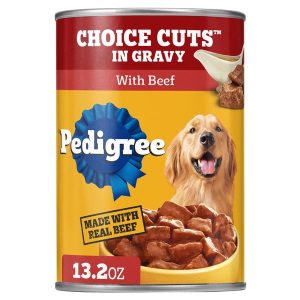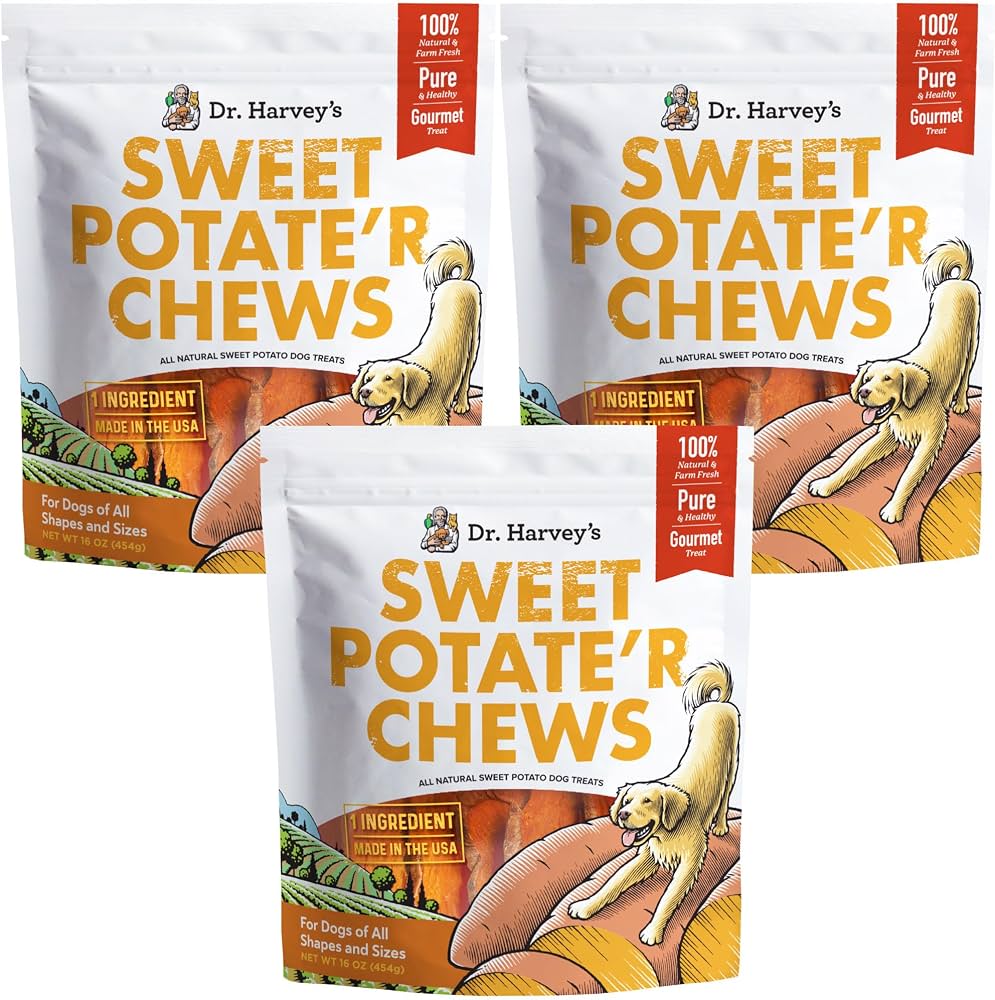
Xylitol, chocolate, grapes, raisins, and macadamia nuts are among the most dangerous ingredients in dog treats.
I’ve worked with dogs for years and reviewed hundreds of treat labels, so I know how easy it is to miss hidden toxins. This article explains what ingredients are bad for dogs in treats, why they harm pets, how to read labels, safe alternatives, and clear steps to take if a dog eats something harmful. Read on to protect your dog and make smarter treat choices with confidence.
Why understanding what ingredients are bad for dogs in treats matters
Knowing what ingredients are bad for dogs in treats helps you avoid emergencies and long-term health problems. Many harmful items are common in human snacks and pet treats alike. A single treat can cause poisoning, stomach problems, or chronic issues like pancreatitis. Learning the signs of trouble and the risky ingredients makes you a better pet parent.
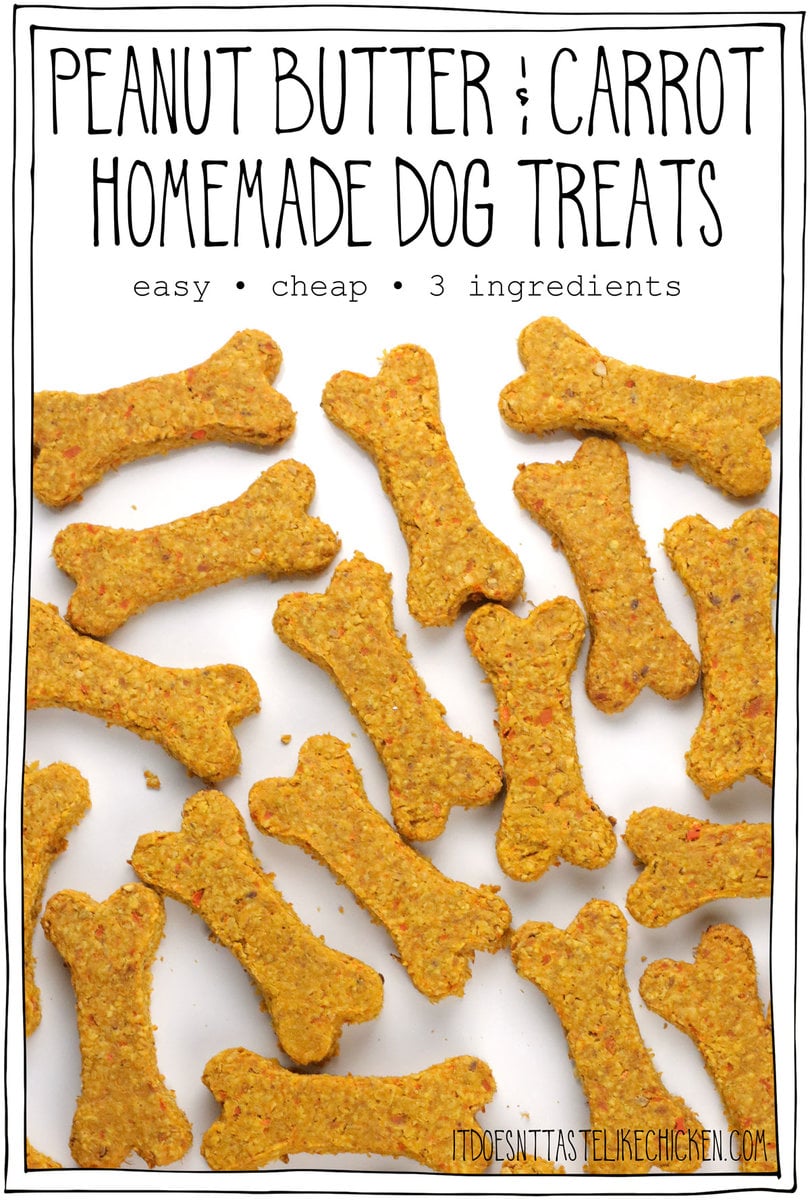
Top ingredients that are bad for dogs in treats
Below are the most important ingredients to avoid and a short note on why each one is dangerous.
- Xylitol — A sugar alcohol used in sugar-free gum, candy, and some treats. It causes rapid insulin release, severe low blood sugar, and liver failure in dogs.
- Chocolate (theobromine and caffeine) — Dark chocolate and baking chocolate are especially toxic. Symptoms include vomiting, restlessness, rapid heart rate, tremors, and seizures.
- Grapes and raisins — Even small amounts can cause sudden kidney failure in some dogs.
- Macadamia nuts — Can cause weakness, tremors, vomiting, and high temperature. Dogs usually recover, but effects are concerning.
- Onions and garlic (all forms: raw, cooked, powdered) — Damage red blood cells and can cause anemia over time.
- Alcohol and raw bread dough — Alcohol and fermenting dough can cause intoxication, low blood sugar, and dangerous gas expansion in the gut.
- Caffeine (coffee, tea, energy drinks) — Similar to chocolate: causes tremors, hyperactivity, fast heart rate, and possibly seizures.
- High salt and sodium-rich ingredients — Too much salt can lead to dehydration and sodium poisoning, especially in small dogs.
- High-fat or fried treats — Can trigger pancreatitis, a painful and potentially life-threatening inflammation of the pancreas.
- Artificial sweeteners and some sugar substitutes (especially xylitol again) — Many are unsafe or have unknown long-term effects.
- Certain nuts (walnuts, especially moldy ones) — Can contain toxins or mold that cause stomach upset or neurological signs.
- Nutmeg and other toxic spices in large amounts — Nutmeg contains myristicin which can cause tremors and hallucinations in pets.
- Moldy or spoiled ingredients — Mycotoxins from molds can cause seizures and liver damage.
- Excessive dairy or lactose-heavy treats — Many dogs are lactose intolerant and will show diarrhea or gas after dairy-rich treats.
What ingredients are bad for dogs in treats shows up in many forms—powders, extracts, or “human-grade” ingredients—so reading the full ingredient list matters.
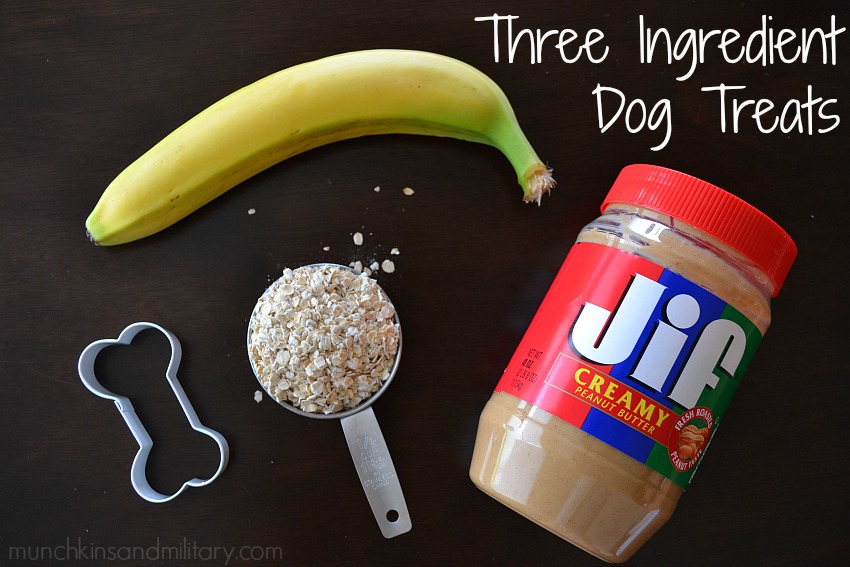
How these ingredients harm dogs: causes and symptoms
Understanding how bad ingredients act helps you react fast.
- Xylitol causes sudden low blood sugar and liver damage; watch for weakness, vomiting, collapse, or jaundice.
- Chocolate and caffeine overstimulate the nervous and cardiovascular systems; expect hyperactivity, vomiting, tremors, fast heartbeat.
- Grapes/raisins often create kidney failure; early signs are vomiting and lethargy, which can progress to no urine output.
- Onions and garlic damage red blood cells; look for pale gums, rapid breathing, weakness, and dark urine.
- High-fat treats can cause lethargy, severe abdominal pain, vomiting, and changes in appetite linked to pancreatitis.
Timing matters: some problems appear in hours (vomiting, shaking), others show up in 24–72 hours (kidney or liver failure). If you suspect ingestion, act fast.
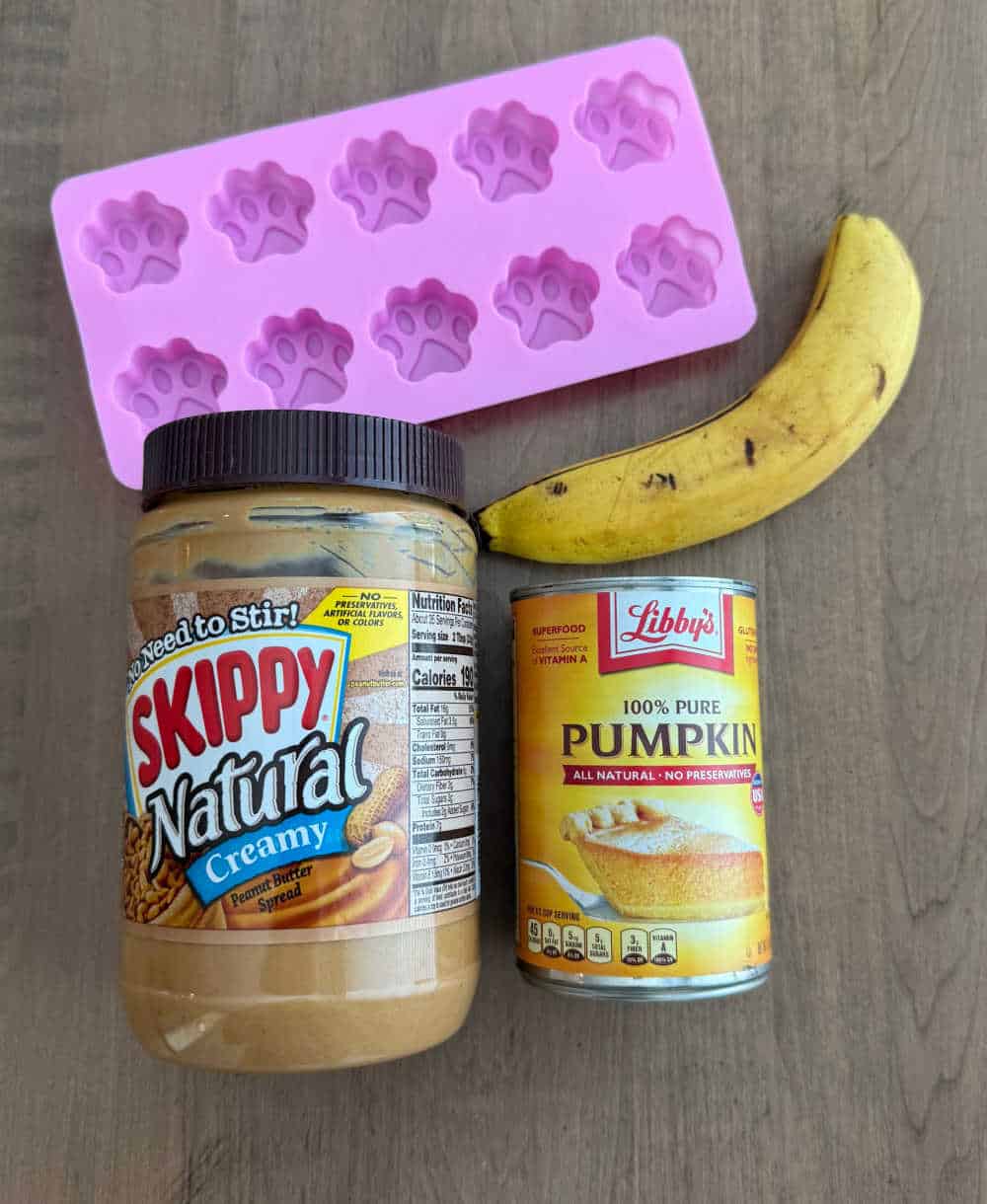
How to read treat labels to avoid harmful ingredients
Simple steps make label reading quick and effective.
- Check the first five ingredients — they make up most of the product by weight.
- Scan for tricky names — xylitol, theobromine, potassium sorbate, BHA, BHT, and “natural flavors” (which can hide garlic or onion powder).
- Watch for multiple sugar substitutes — even if one is safe, blends can be risky.
- Note fat and salt content on the guaranteed analysis — very high fat or sodium levels are red flags.
- Be skeptical of “human-grade” or “all-natural” claims — they do not guarantee safety for dogs.
- When in doubt, contact the manufacturer or ask your vet before feeding.
Practice makes label reading fast. Keep a short cheat sheet on your phone with the worst offenders.

Safe ingredients and healthy treat alternatives
If you want safe, tasty treats, choose whole-food options and dog-specific snacks.
- Plain cooked chicken, turkey, or lean beef (no bones, no seasoning).
- Small pieces of apple (no seeds), banana, or blueberries in moderation.
- Carrot sticks, green beans, and sweet potato (cooked) as low-calorie treats.
- Commercial treats with short ingredient lists: single protein, no artificial sweeteners, no garlic/onion.
- Freeze-dried single-ingredient proteins like liver or salmon.
- Low-fat plain yogurt or kefir in tiny amounts for dogs that tolerate dairy.
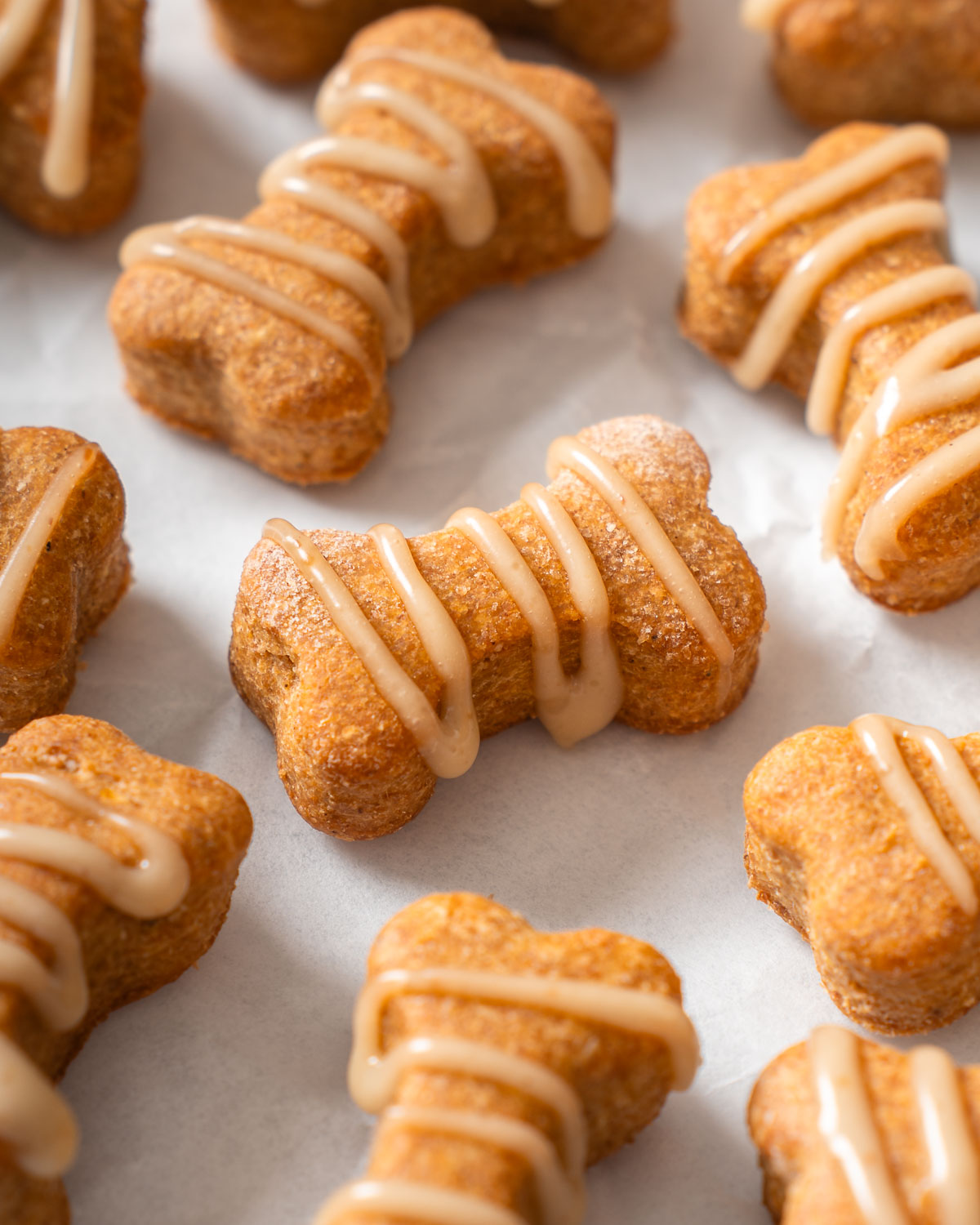
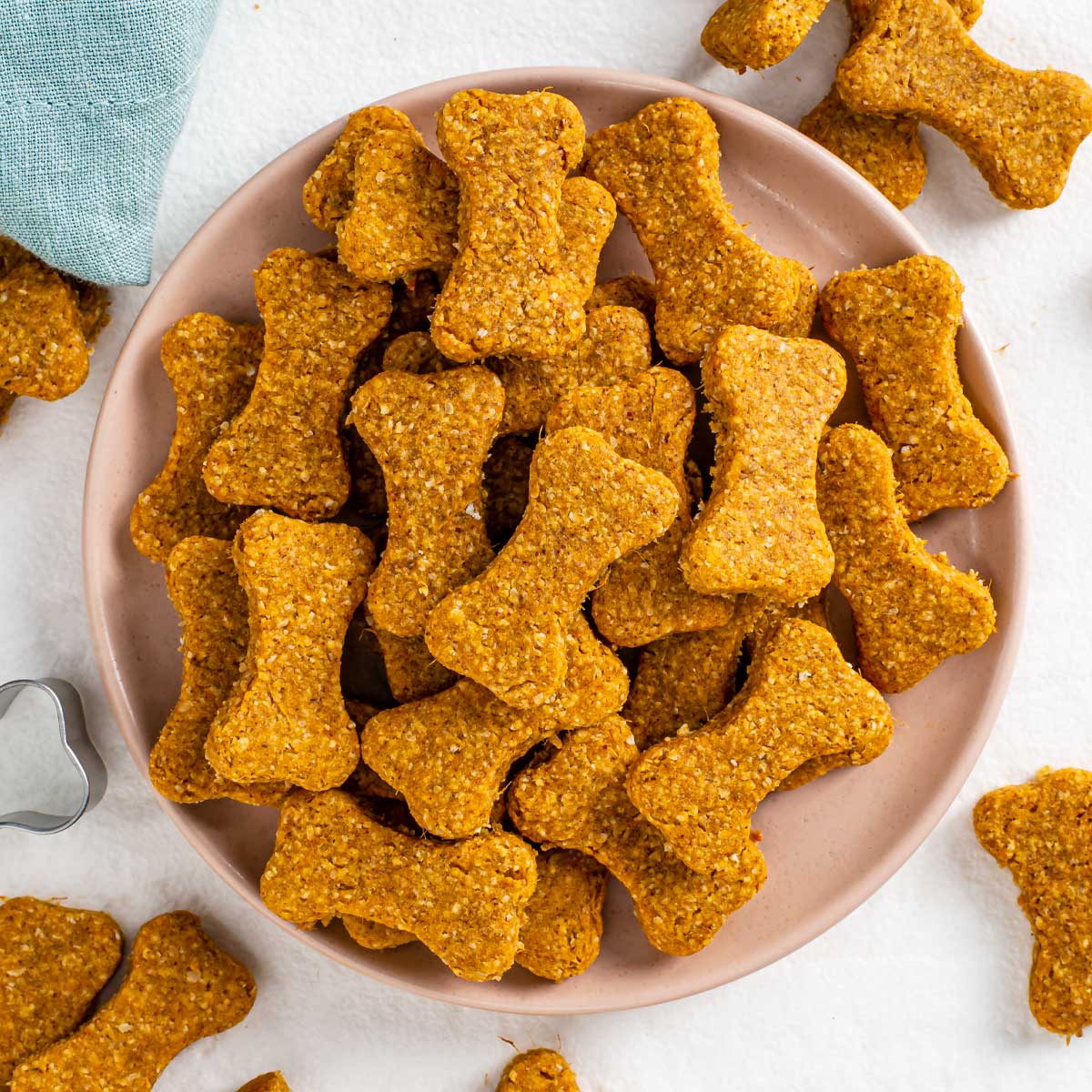
Homemade treat idea: Mix plain canned pumpkin (not pie mix), oats, and mashed banana. Bake small bites and store in the fridge. This avoids many hidden ingredients and lets you control fat and sugar.
What to do if your dog eats a treat with a harmful ingredient
Stay calm and follow these steps.
- Identify what and how much the dog ate. Save the packaging or take a photo of the ingredients.
- Call your veterinarian or pet poison helpline immediately. Early guidance matters.
- If advised by a vet, induce vomiting only under professional instruction; do not induce vomiting for sharp objects, caustics, or if the dog is seizuring or collapsed.
- Watch for symptoms: vomiting, diarrhea, weakness, tremors, excessive drooling, rapid heart rate, dark urine, or difficulty breathing.
- Follow vet instructions for monitoring at home or immediate clinic care.
Keep emergency numbers handy and save them in your phone now. Prevention is easier than treatment.

Common concerns (PAA-style questions)
Can a little chocolate harm my small dog?
Yes. Even small amounts of dark or baking chocolate can be toxic to small dogs. Call your vet to assess the risk based on weight and amount eaten.
Is peanut butter safe for dogs if it contains xylitol?
No. Any peanut butter with xylitol is unsafe. Always read labels and choose brands that state “xylitol-free.”
Are all nuts dangerous for dogs?
Not all, but many are risky. Macadamia nuts and moldy walnuts are especially harmful; even safe nuts are high in fat and can cause pancreatitis.

Personal experience: lessons from treating dogs and reading labels
I once had a client whose dog developed sudden lethargy after eating a “grain-free” cookie marketed for dogs. The label hid onion powder under “natural flavors.” The dog recovered, but we learned to check for synonyms and vague terms.
Key lessons I’ve learned:
- Short ingredient lists are easier to evaluate.
- Keep a small list of banned ingredients in your phone.
- Introduce new treats in tiny amounts and watch for reactions for 48–72 hours.
These habits prevented repeat emergencies in my practice and made feeding less stressful for owners.
Practical tips for buying and storing treats
A few simple habits keep treats safe and healthy.
- Buy treats from reputable brands with clear labeling.
- Avoid bulk bins unless you can verify the product’s full ingredient list.
- Store treats in airtight containers away from kids and other pets.
- Check expiration dates and avoid treats with visible mold or rancid smells.
- Use treats as rewards, not meal replacements, to control calories.
Frequently Asked Questions of What ingredients are bad for dogs in treats
What should I do if my dog eats xylitol?
Call your vet or a poison helpline immediately. Xylitol can cause low blood sugar and liver failure, and early treatment is critical.
Can dogs eat grapes or raisins in small amounts?
No. Even small amounts of grapes or raisins can cause kidney failure in some dogs, so avoid them entirely.
Are store-bought “natural” treats always safe?
No. “Natural” labels don’t guarantee safety. Natural flavors or botanical extracts can still contain toxic components for dogs.
How can I spot hidden onion or garlic in a treat?
Look for terms like “natural flavors,” “spices,” “onion powder,” or ingredients listed as proprietary blends. When unsure, contact the maker.
Is low-sugar or sugar-free the same as safe?
Not necessarily. Sugar-free can mean xylitol or other sweeteners that may be harmful. Always check ingredient lists.
Can fat-free treats prevent pancreatitis?
Lower-fat treats reduce risk, but pancreatitis can still occur from other causes. Work with your vet to choose appropriate treats for at-risk dogs.
What immediate signs mean I should go to the emergency vet?
Seizures, collapse, difficulty breathing, persistent vomiting or inability to urinate are emergencies. Rapid response can save a life.
Wrap up
Knowing what ingredients are bad for dogs in treats keeps your pet safe and helps you choose better snacks. Avoid xylitol, chocolate, grapes/raisins, macadamia nuts, onions, garlic, and high-fat or high-salt treats. Read labels carefully, pick single-ingredient or clearly labeled dog treats, and act quickly if you suspect poisoning. Use the practical tips here to make label reading a habit and to pick safe, tasty alternatives your dog will love.
Take action today: delete or flag any treats in your home that list risky ingredients, save emergency numbers, and try a fresh, simple homemade treat recipe this week. If you found this helpful, leave a comment or subscribe for more pet safety tips.