Common worst ingredients in dry dog food include unnamed meat meals, cheap fillers, and artificial preservatives.
I’ve worked with dogs, trainers, and pet parents for years, and I’ve seen how the worst ingredients in dry dog food can quietly harm health. This article will explain those ingredients, why they are a problem, and how to spot and avoid them when shopping. You’ll get practical label-reading tips, safer ingredient choices, and real-life lessons from my experience caring for picky eaters and allergy-prone dogs. Read on to learn what to avoid and how to choose better dry dog food for your pet’s long-term health.
Why ingredient quality matters
Ingredient quality drives nutrition, digestibility, and long-term health for dogs. Low-quality ingredients often deliver fewer nutrients and more fillers that add calories without benefits. Over time, poor ingredients can worsen allergies, weight issues, and digestive upset. Choosing good ingredients can support energy, coat health, and overall well-being.

Top worst ingredients in dry dog food
Below are the worst ingredients in dry dog food to watch for. Each item explains why it’s problematic and what label names to avoid. Knowing these will help you make smarter choices for your dog’s food.
Unnamed "meat" or "meat meal" and vague by-products
When labels say "meat" or "meat meal" without naming the animal, you lose clarity on protein source and quality. These vague terms can include low-value parts, mixed species, and ingredients that vary by batch. Dogs need consistent, named proteins like "chicken meal" or "lamb meal" for reliable nutrition. Avoid vague meat listings to reduce risk of poor amino-acid profiles and contaminants.
Poultry by-product meal and unnamed by-products
By-products can contain organ meat, bone, and other parts that are low-cost and variable. Some by-products are nutritious in controlled amounts, but many low-quality by-product meals are inconsistent and may include feathers or beaks. Frequent feeding of cheap by-products can expose dogs to lower bioavailable protein and higher ash content. Look for named organ meats in small amounts rather than vague by-products.
Cheap cereal fillers: corn, wheat, and soy as main ingredients
Corn, wheat, and soy are common cheap fillers that often appear high on the ingredient list. These ingredients add calories but are less nutrient-dense than animal proteins, and they can trigger allergies in sensitive dogs. Relying on cereal fillers can dilute a food’s protein density and increase carbohydrate load. Prefer foods where named meat is the first ingredient, not grain fillers.
Rendered fats and unspecified animal fats
"Animal fat" or "rendered fat" can mask the source and quality of fats used in the formula. These fats may come from lower-quality rendering processes and can oxidize quickly if poorly preserved. Oxidized fats lead to rancidity and may harm palatability or long-term health. Choose foods that list specific fats or note preserved, omega-rich sources.
Artificial preservatives: BHA, BHT, and ethoxyquin
BHA, BHT, and ethoxyquin are synthetic preservatives used to prolong shelf life. Some studies have raised concerns about long-term health risks, and many pet owners prefer natural alternatives. Repeated exposure may increase oxidative stress in some animals. Opt for foods preserved with mixed tocopherols, vitamin E, or vitamin C when possible.
Artificial colors and flavors
Dyes and synthetic flavors add no nutrition and can provoke allergies or sensitivities in some dogs. Terms like "artificial color" or color numbers on labels signal unnecessary additives. These are used mostly for human appeal and do nothing for pet health. Pick foods without coloring agents and with natural flavors derived from real meat.
Propylene glycol and other humectants
Propylene glycol is used to keep some treats and soft foods moist, but it’s controversial in pet nutrition. While short-term exposure may be tolerated, many owners avoid it due to safety concerns and better natural alternatives. It is best to avoid foods or treats that list propylene glycol, glycerin, or similar humectants when other options are available.
Protein isolates and textured vegetable protein
Isolated vegetable proteins and textured vegetable protein (TVP) boost apparent protein numbers but are lower in essential amino acids for dogs. These plant-based protein boosters can mask low meat content. Dogs need complete proteins with all essential amino acids. Favor named meat meals and whole meat sources over protein isolates.
Added sugars and high glycemic carbohydrates
Added sugars and high-glycemic carbs like white rice and potato in excess can spike blood sugar and add empty calories. Many dog foods contain sweeteners or high carbs to improve flavor and texture. Over time, excess sugar and carbs can contribute to obesity and metabolic issues. Choose formulas with controlled carbohydrate sources and no added sugars.
Excessive salt and flavor enhancers
High salt or flavor enhancers can make food palatable but may be harmful in excess, especially for dogs with heart or kidney conditions. Labels may hide flavor enhancers under terms like "natural flavors" or "animal digest." Be wary if a food tastes extremely strong; it may be masking poor ingredient quality. Look for balanced sodium levels and minimal use of flavor concentrates.
Health risks linked to these ingredients
Low-quality ingredients can lead to allergies, digestive upset, and poor coat and skin health. Over time, diets heavy in fillers and artificial additives may increase obesity risk and reduce life quality. Some preservatives have been linked to cellular stress in studies, though direct causation in pets is still debated. Always weigh risks and talk to your vet when choosing a long-term diet for your dog.

How to read labels and avoid the worst ingredients
Reading labels is the best defense against the worst ingredients in dry dog food. Start with the first five ingredients and the guaranteed analysis. Check for named meat sources, limited fillers, and natural preservatives. Look for clear sourcing and avoid vague terms that hide low-quality inputs.
- Look for a named meat as the first ingredient, such as "chicken" or "lamb."
- Watch for vague terms like "meat," "meat meal," or "animal fat" and avoid them when possible.
- Avoid synthetic preservatives (BHA, BHT, ethoxyquin) and artificial colors or flavors.
- Prefer whole-food carbs like brown rice, oats, or sweet potato over plain corn or wheat.
- Check the guaranteed analysis for realistic protein and fat levels that match your dog's needs.

Source: houndsy.com
Is "meat meal" always bad?
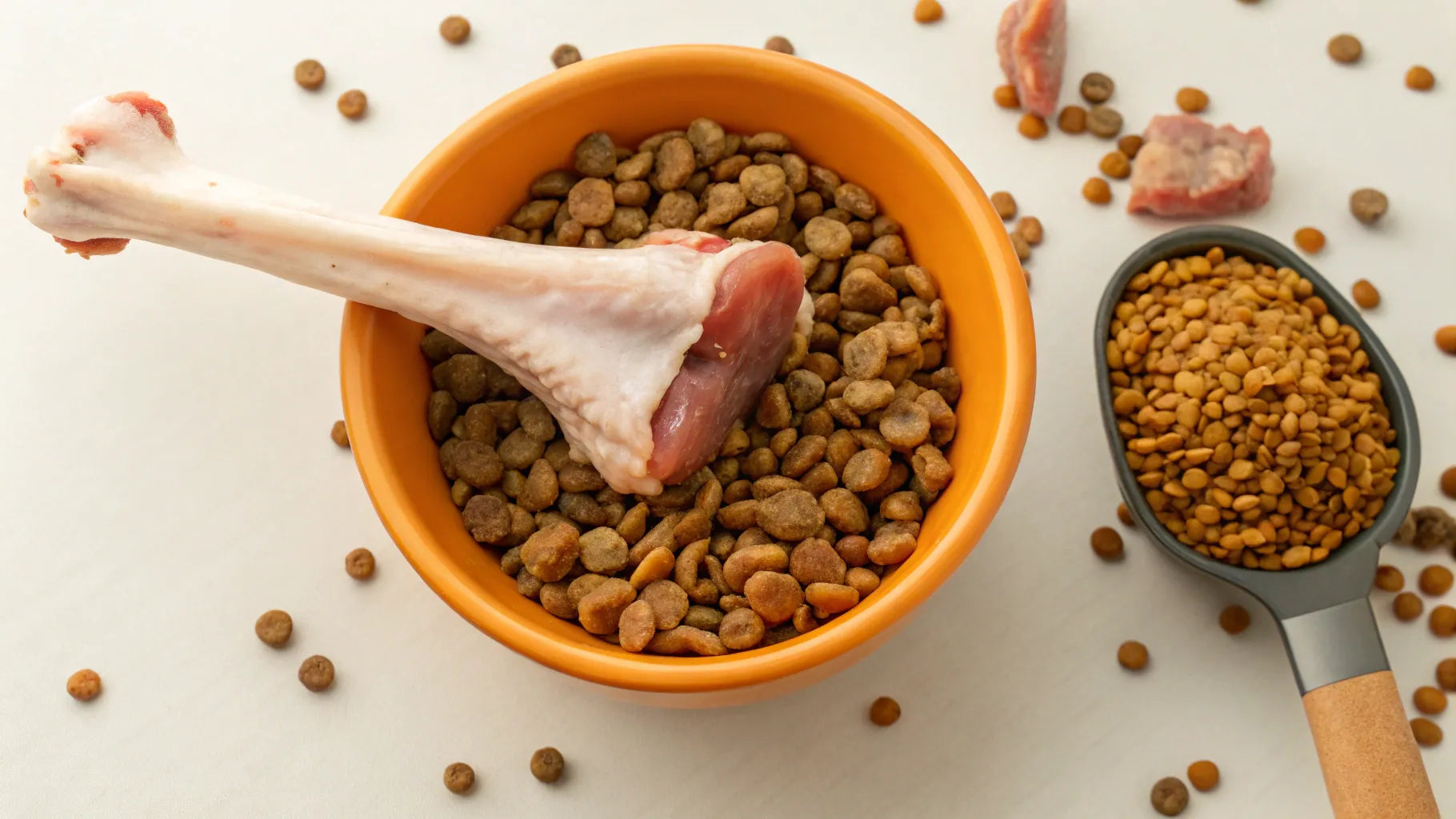
Meat meal can be a good concentrated protein if the source is named and quality-controlled. The problem arises when the label simply says "meat meal" without telling you which animal. Choose brands that specify "chicken meal" or "beef meal" to ensure better traceability and consistency.
Are preservatives like BHA and BHT proven to cause cancer in dogs?
Some studies suggest links between long-term exposure and cellular damage, but results are mixed and species-specific. To be cautious, many pet owners pick foods preserved with natural antioxidants like mixed tocopherols. Asking manufacturers about preservation methods helps clarify safety.
Better ingredients and alternatives
Choosing better ingredients reduces health risks and improves nutrition long term. Aim for whole named meats, quality meat meals, limited whole grains or grain-free whole-food carbs, and natural preservatives. Watch for novel proteins if your dog has allergies, and consult your vet about grain-free diets due to certain heart concerns. Packed nutrition matters more than trendy claims or flashy labels.
- Named meat or meat meal (chicken, lamb, salmon)
- Whole-food carbs (brown rice, oats, sweet potato)
- Natural preservatives (mixed tocopherols, vitamin E)
- Probiotics and fiber for gut health (listed with strain or source)
- Limited additives and no artificial colors, flavors, or sugar
Source: thebigbadwoof.com

Personal experience and practical tips
I once switched a rescue dog from a bargain dry food to a moderate-priced, clear-label formula. Within weeks, stool quality improved, itching dropped, and coat gloss returned. The change cost a bit more but saved on vet visits and discomfort. Here are practical tips I learned the hard way.
- Transition slowly over 7–10 days to avoid digestive upset.
- Rotate proteins occasionally to reduce sensitivity risk, but not too often to cause instability.
- Keep a food journal for symptoms like itching, gas, or changes in weight.
- If your dog has chronic issues, try an elimination diet under vet supervision.
Source: thebigbadwoof.com

Frequently Asked Questions of Worst ingredients in dry dog food
What is the single worst ingredient to avoid in dry dog food?
The worst ingredient is often an unnamed "meat" or unspecified "meat meal" because it hides low-quality protein sources. Avoid vague terms and look for named proteins like "chicken meal" or "beef meal."
Are artificial preservatives really harmful to dogs?
Some synthetic preservatives have raised safety concerns in long-term studies, though evidence is mixed. Many owners choose foods preserved with natural antioxidants to reduce potential risks.
Can corn and wheat cause allergies in dogs?
Yes, corn and wheat can trigger allergies in some dogs, but they are not the only causes of food allergies. If your dog shows signs of allergy, try an elimination diet and consult your vet.
Is a higher protein percentage always better?
Not always. Protein quality matters more than just percentage. Look for named, bioavailable animal proteins rather than high numbers driven by plant isolates.
Should I avoid grain-free diets because of heart risks?
Grain-free diets have been linked in some cases to heart issues in dogs, but the connection is complex and not universal. Speak with your veterinarian before switching diets, especially for large or high-risk breeds.
How can I ensure my dog's food is trustworthy?
Choose brands with transparent sourcing, named ingredients, and clear quality controls. Look for manufacturers that provide feeding trials, AAFCO statements, or third-party testing.
Conclusion
Understanding the worst ingredients in dry dog food helps you choose safer, more nutritious options for your pet. Focus on clear-label, named proteins, low filler content, and natural preservatives to support long-term health. Start small: read the first five ingredients, transition slowly, and track your dog’s response. If you found this useful, try comparing labels on your current bag and share your findings or questions in the comments below.