Dog food and cat food meet different biological needs, so one should not routinely replace the other.
Dog Food vs Cat Food: What's the Difference? It comes down to more than flavor or kibble size. Dogs and cats have different digestive systems, nutrient needs, and evolutionary diets. A small bite of the wrong food is usually harmless, but regular feeding can cause health problems.
After reviewing pet nutrition guidance and helping owners compare labels, I’ve found that the biggest mistakes come from assuming all pet food is interchangeable. This guide explains the key differences, when a food swap may be safe, and how to choose a complete diet for your pet.
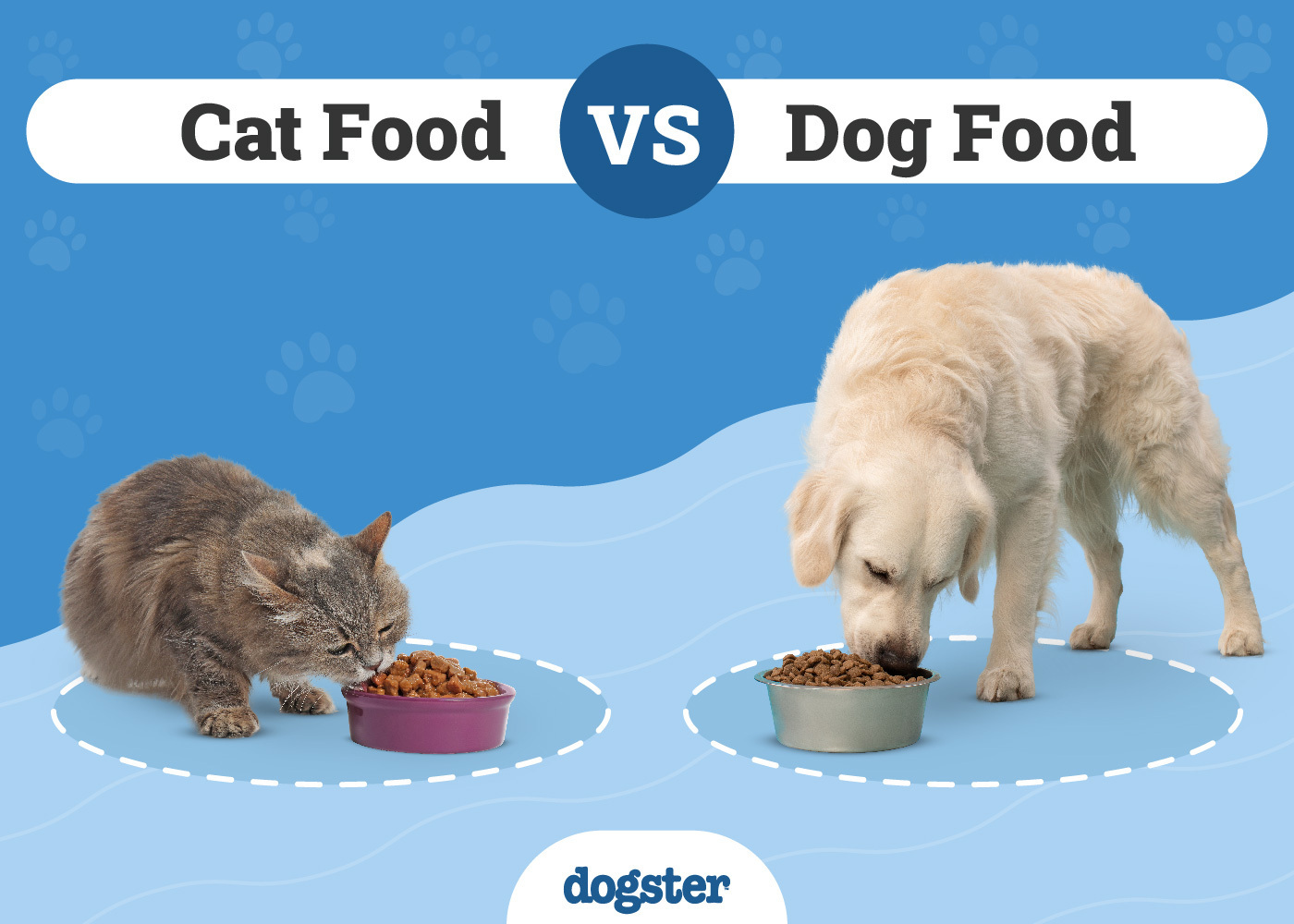
Dog Food vs Cat Food: What’s the Difference?
The simple answer is that cat food is made for obligate carnivores, while dog food is made for more flexible omnivores. Cats need certain nutrients from animal-based ingredients because their bodies cannot make enough of them on their own.
Dogs can use nutrients from both animal and plant sources. They still benefit from animal protein, but their diet can safely include selected grains, vegetables, and other plant ingredients when the food is properly balanced.
Dog Food vs Cat Food: What's the Difference? The main differences include:
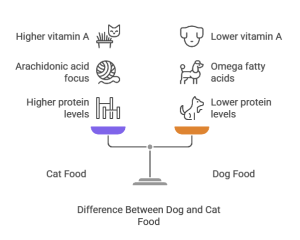
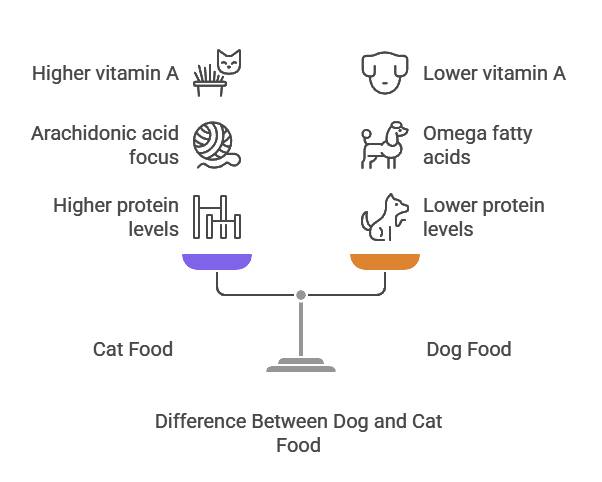
• Protein levels: Cat food often contains more protein than standard dog food.
• Taurine: Cats need taurine in their diet, while healthy dogs can usually make enough taurine themselves.
• Arachidonic acid: Cats must get this fatty acid from food. Dogs can usually make it from other fats.
• Vitamin A: Cats need ready-made vitamin A from animal sources. Dogs can convert beta carotene into usable vitamin A.
• Calories: Cat food is often richer in fat and calories.
• Flavor and texture: Cat food is usually designed to appeal to a cat’s strong preference for meat-based flavors.
These differences are not accidents. They reflect the basic biology of each species.
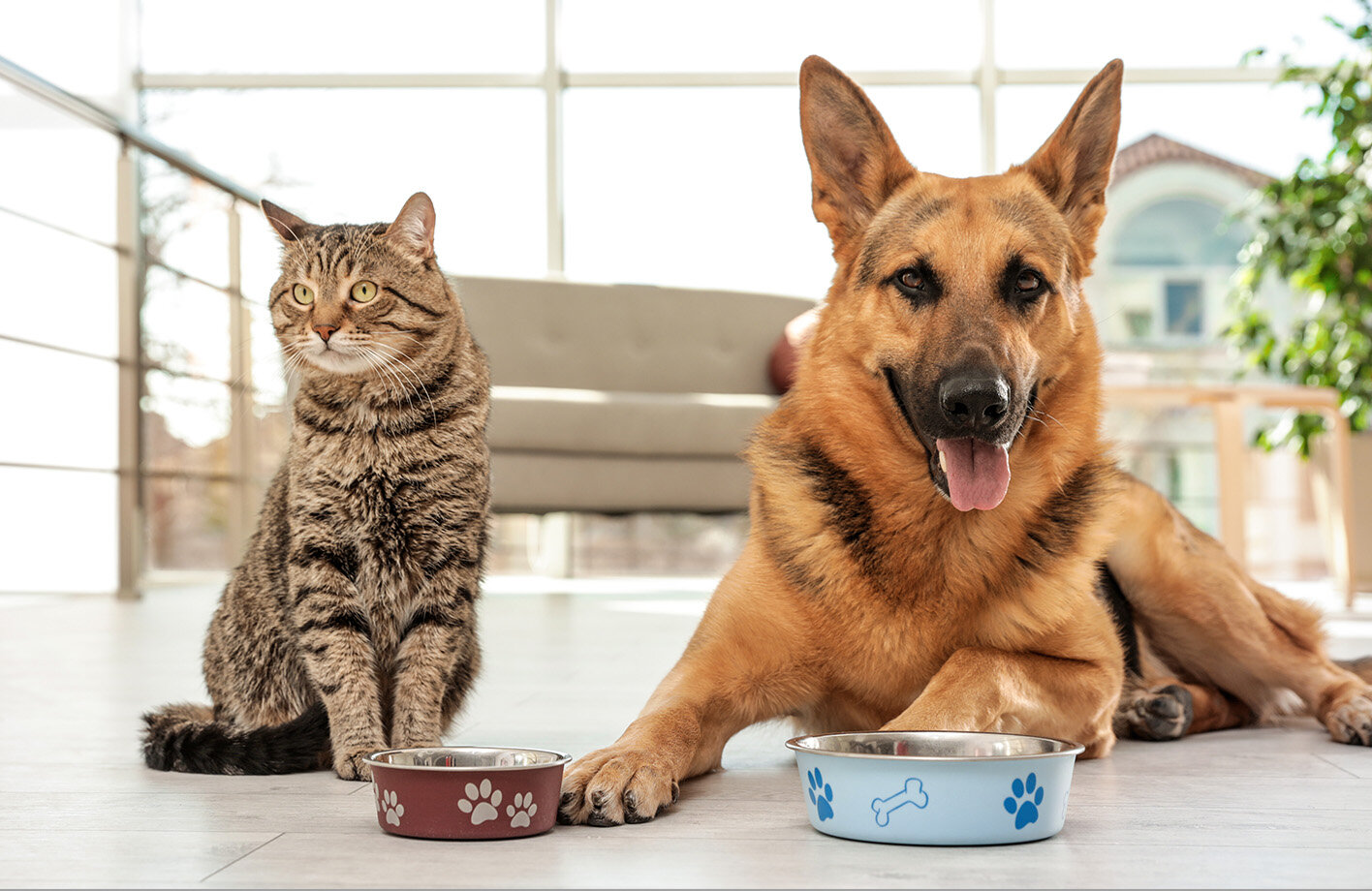
Why Dogs and Cats Need Different Nutrients
To understand Dog Food vs Cat Food: What's the Difference?, it helps to look at how each animal evolved.
Cats are obligate carnivores. This means they rely on animal tissues for several vital nutrients. Their bodies are not designed to get all required nutrients from plants or to make certain compounds in sufficient amounts.
Dogs are considered omnivores with adaptable digestive systems. They can digest many plant ingredients and use a wider range of food sources. This does not mean dogs should eat an unbalanced diet or live on table scraps.
Taurine
Taurine supports the heart, eyes, muscles, and nervous system. Cats cannot produce enough taurine naturally, so commercial cat food must provide it.
Most healthy dogs can make taurine from other amino acids. However, certain dog breeds and some dogs with heart concerns may need special dietary advice from a veterinarian.
Vitamin A
Cats cannot turn beta carotene from plants into active vitamin A efficiently. They need preformed vitamin A from animal ingredients or a carefully formulated supplement.
Dogs can convert beta carotene into vitamin A. This gives them more flexibility in how they obtain this nutrient.
Arachidonic acid
Arachidonic acid is an essential fatty acid for cats. They need it for skin, coat, reproductive, and inflammatory functions.
Dogs can usually produce arachidonic acid from other fatty acids. This is another reason cat food and dog food formulas are not identical.

Dog Food vs Cat Food: Nutritional Comparison
The nutritional profile is one of the clearest answers to Dog Food vs Cat Food: What's the Difference?
| Nutrient or feature | Dog food | Cat food |
|---|---|---|
| Protein | Moderate to high, based on life stage | Often higher |
| Taurine | Usually not required in the same way | Required for cats |
| Arachidonic acid | Usually not required | Required |
| Vitamin A | Dogs can use beta carotene | Cats need preformed vitamin A |
| Calories | Often moderate | Often more calorie-dense |
| Carbohydrates | May provide useful energy | Can be included, but cats have less need |
| Moisture | Dry and wet options | Dry and wet options |
| Taste profile | Varied flavors | Often strongly meat-focused |
These are general patterns, not rules for every product. Prescription diets, puppy food, kitten food, senior formulas, and weight-control diets can have very different nutrient levels.
Why cat food often has more protein
Cats use protein for energy and body maintenance. Their bodies keep using protein even when other energy sources are available. Dogs can adjust their protein use more easily based on the rest of the diet.
A high-protein diet is not automatically healthy for every pet. A cat with kidney disease, for example, may need a carefully selected therapeutic diet. Always follow your veterinarian’s advice for a medical condition.
Why cat food can be higher in calories
Cats often eat small meals. Cat food is designed to provide a lot of nutrition in a small serving. This makes it attractive to dogs, especially dogs that enjoy rich smells and strong flavors.
That richness can create trouble. A dog that repeatedly eats cat food may gain weight, develop digestive upset, or receive an unbalanced nutrient mix.

Can Dogs Eat Cat Food?
Most healthy dogs can eat a small amount of cat food without serious harm. A few bites, a stolen meal, or a lick from the cat’s bowl is usually not an emergency.
However, cat food should not become a dog’s regular diet. Dog Food vs Cat Food: What's the Difference? becomes especially important when a dog eats cat food every day.
Possible problems include:
• Weight gain from extra calories and fat
• Vomiting or diarrhea
• Pancreatitis in dogs that are sensitive to rich foods
• Poor nutrient balance over time
• Worsening of existing liver, kidney, or digestive disease
Puppies, senior dogs, and dogs with medical conditions may be more sensitive. If your dog eats a large amount of cat food and develops repeated vomiting, severe diarrhea, belly pain, weakness, or a swollen abdomen, contact a veterinarian promptly.
How to stop a dog from eating cat food
Try practical changes rather than punishment. Dogs are natural scavengers, and cat food often smells like a very tempting snack.
• Feed pets in separate rooms.
• Place the cat’s bowl on a secure elevated surface.
• Use a microchip-activated feeder if needed.
• Remove leftover cat food after meals.
• Keep bags and cans closed and out of reach.
A simple barrier often works better than constant supervision.

Can Cats Eat Dog Food?
Cats can usually eat a small amount of dog food without immediate harm. Still, dog food does not meet a cat’s nutritional needs when fed as the main diet.
This is a more serious concern than a dog eating cat food. Cats need taurine, preformed vitamin A, arachidonic acid, and other nutrients in specific amounts. Dog food may not provide enough of them.
Long-term feeding of dog food to a cat may contribute to:
• Poor vision or eye disease
• Heart muscle problems linked with taurine deficiency
• Weak muscles
• Skin and coat changes
• Weight loss or poor growth
• Reproductive problems
Dog Food vs Cat Food: What's the Difference? is not just a question of protein. The balance of vitamins, minerals, fatty acids, amino acids, and calories matters too.
If a cat refuses its usual food and eats a little dog food for one day, it is usually better than eating nothing. Cats that stop eating for about 24 hours, or sooner if they are overweight or ill, need veterinary guidance because cats can develop serious liver problems after prolonged food refusal.
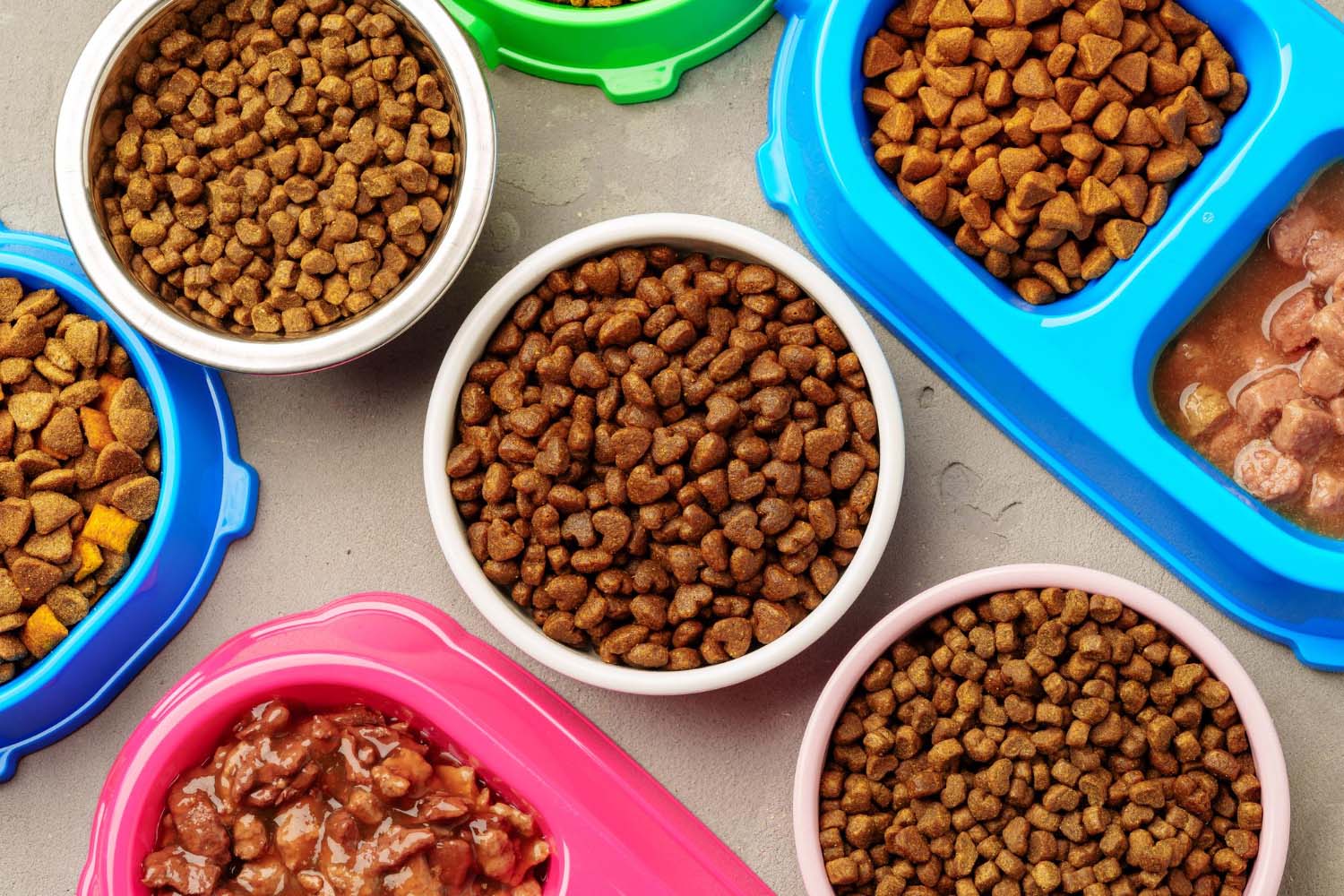
How to Read a Pet Food Label
A label can help you compare Dog Food vs Cat Food: What's the Difference? without guessing.
Look for a nutritional adequacy statement from the Association of American Feed Control Officials, often called AAFCO. This statement explains whether the food is complete and balanced for a life stage such as:
• Growth
• Maintenance
• All life stages
• Gestation and lactation
The words “complete and balanced” matter. A treat, topper, snack, or supplemental food is not meant to provide every nutrient your pet needs.
Check the species
A food should clearly say whether it is formulated for dogs or cats. Do not rely only on the ingredient list. Ingredients alone do not show the full nutrient balance.
Check the life stage
Puppies and kittens need different nutrient levels than adult pets. Pregnant and nursing animals also have special needs. A food for adult maintenance may not support healthy growth.
Check calories
Calorie information helps prevent overfeeding. This is useful because cat food often packs more calories into a smaller serving than dog food.
Do not judge food by one ingredient
“Chicken,” “beef,” or “salmon” on the front of a package does not tell the whole story. A good diet must provide the right amounts of protein, fat, vitamins, minerals, and amino acids.
Ingredient lists are useful, but they should be read with the adequacy statement and feeding directions.
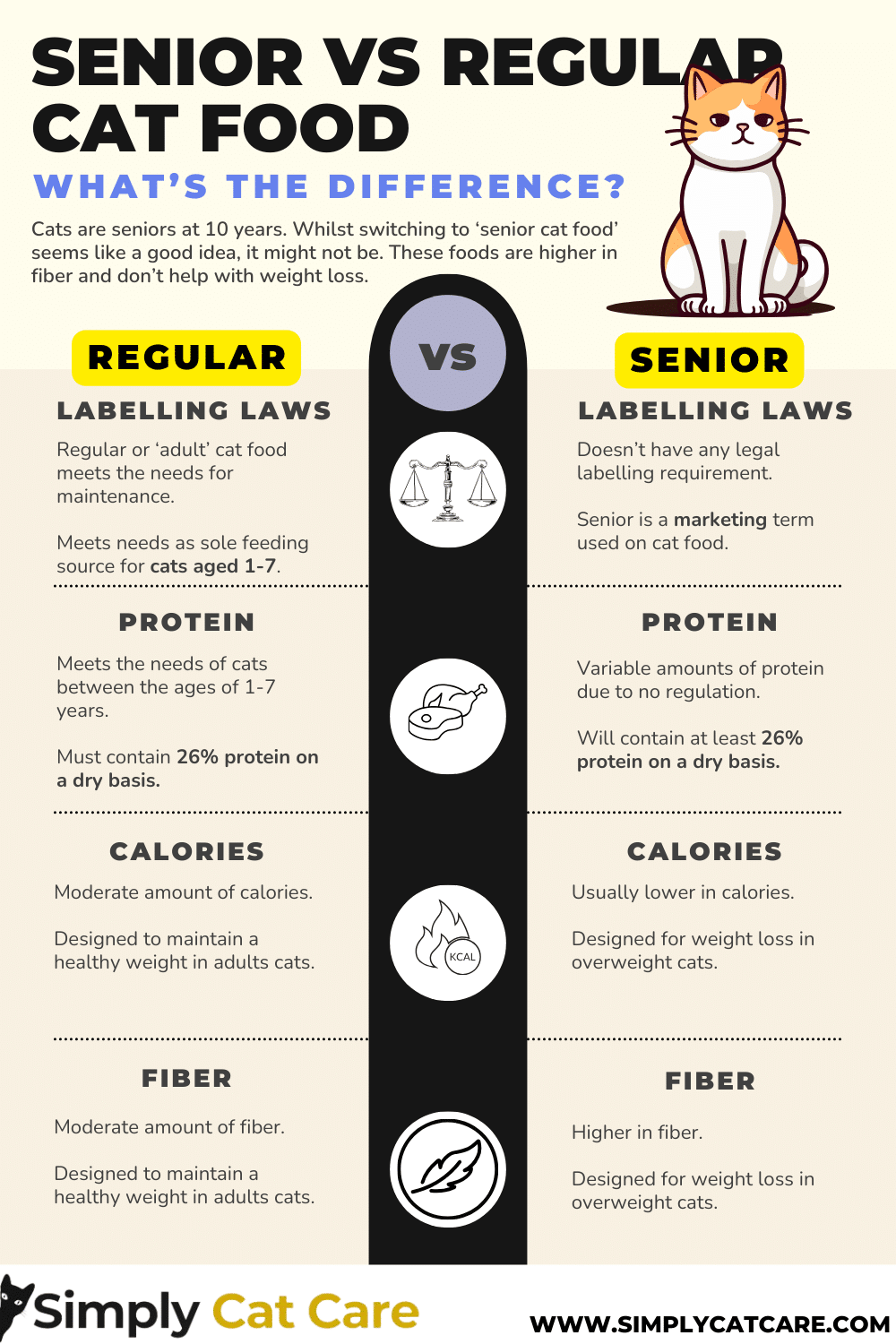
Wet Food and Dry Food: Does the Difference Matter?
Wet and dry food can both support health when they are complete and balanced for the correct species and life stage.
Wet food contains more water. This may help cats and dogs that do not drink much, although it is not a treatment for urinary or kidney disease by itself.
Dry food is convenient, easy to measure, and often less expensive per serving. It can also be useful in food puzzles and automatic feeders. However, dry food does not clean teeth reliably unless it is a specially tested dental diet.
For cats
Many cats enjoy wet food because of its smell and soft texture. Wet diets may also support daily water intake. Still, some cats do well on dry food, wet food, or a mix of both.
For dogs
Dogs can thrive on either format when the food meets their nutritional needs. The best choice depends on health, age, dental status, budget, and personal preference.
The key issue in Dog Food vs Cat Food: What's the Difference? is not whether the food is wet or dry. It is whether the formula is designed for the animal eating it.

Common Mistakes Pet Owners Make
Several feeding mistakes appear again and again in homes with both dogs and cats.
Mistake 1: Assuming pets can share one food
A dog and cat may live together, but they do not have the same nutritional blueprint. Sharing occasional bites is different from sharing a daily diet.
Mistake 2: Choosing food by marketing alone
Words such as “natural,” “premium,” and “holistic” may sound helpful, but they do not replace a complete and balanced statement. Focus first on nutritional adequacy and veterinary needs.
Mistake 3: Ignoring serving size
Feeding directions are a starting point. Activity, age, body condition, and health can change the right amount. Check your pet’s weight and body shape regularly.
Mistake 4: Changing food too fast
A sudden diet change can cause loose stool or vomiting. Unless a veterinarian gives different instructions, change foods over about seven days.
Days 1 and 2: Serve about 75% old food and 25% new food.
Days 3 and 4: Use about 50% old food and 50% new food.
Days 5 and 6: Use about 25% old food and 75% new food.
Day 7: Serve the new food.
Some pets need a slower change. Watch appetite, stool, energy, and vomiting during the process.
Choosing the Right Food for Your Pet
A practical way to choose food is to work through these steps.
Identify the species. Choose a food made for a dog or cat.
Identify the life stage. Select puppy, kitten, adult, senior, or all-life-stage food as appropriate.
Consider health needs. Allergies, obesity, kidney disease, diabetes, urinary problems, and digestive disease may require professional guidance.
Check the adequacy statement. Look for a complete and balanced formula.
Measure each meal. Use a measuring cup or kitchen scale.
Monitor body condition. You should be able to feel the ribs with light pressure, but they should not be sharply visible in most pets.
Review the plan with your veterinarian. This is especially important for growing pets and animals with chronic disease.
My most useful practical lesson is simple: the best food is not always the most expensive bag. It is the food that meets the pet’s nutrient needs, suits the pet’s health, and can be fed in the correct amount every day.
When to Call a Veterinarian
A food question becomes a medical question when symptoms appear.
Contact a veterinarian if your pet has:
• Repeated vomiting
• Bloody or severe diarrhea
• Loss of appetite
• Sudden weight loss or gain
• Extreme thirst or urination
• Weakness or unusual tiredness
• Trouble breathing
• A painful or swollen belly
• A history of kidney, liver, heart, or digestive disease
Ask for help sooner with kittens, puppies, pregnant pets, elderly animals, and pets taking medication. A veterinarian may recommend blood tests, a prescription diet, or a nutrition plan made for the animal’s condition.
No general article can replace an examination. Even accurate nutrition advice has limits because the right diet depends on the individual pet.
Frequently Asked Questions About Dog Food vs Cat Food: What's the Difference?
Is cat food bad for dogs?
Cat food is not usually toxic to dogs, and a small amount is often harmless. Regular feeding can cause excess calories, digestive upset, and an incomplete diet for dogs.
Is dog food bad for cats?
A small amount of dog food is usually not harmful to a healthy cat. Dog food should not replace cat food because it may lack enough taurine, preformed vitamin A, and other nutrients cats need.
Why do dogs like cat food so much?
Cat food often has a strong meat smell and a high level of protein and fat. These features can make it more appealing to dogs than their normal food.
Can a dog and cat share the same food?
They can share occasional small bites, but they should not share a regular diet. Each pet needs food formulated for its species, life stage, and health needs.
What happens if my cat eats dog food for one day?
A healthy cat will usually tolerate a small amount for one day. Return to complete cat food as soon as possible, and contact a veterinarian if the cat refuses food, vomits, or seems unwell.
What happens if my dog eats cat food every day?
Daily cat food can provide too many calories and may upset a dog’s stomach. Over time, it can contribute to weight gain and poor nutrient balance.
Do cats need more protein than dogs?
Cats generally need more protein and must obtain certain nutrients from animal-based sources. Dogs also need protein, but they can use a wider range of ingredients in a balanced diet.
Is wet cat food healthier than dry dog food?
Neither format is automatically healthier. Wet and dry foods can both be suitable when they are complete and balanced for the correct species and life stage.
Conclusion
Dog Food vs Cat Food: What's the Difference? The answer is rooted in biology. Cats need nutrients such as taurine, preformed vitamin A, and arachidonic acid, while dogs can use a broader range of nutrients and ingredients.
A bite of the wrong food is rarely a crisis. The real risk comes from regular feeding, large amounts, fast diet changes, or ignoring a pet’s medical needs. Check the species statement, choose a complete and balanced formula, measure portions, and watch your pet’s health.
Use these guidelines when shopping or feeding in a multi-pet home. For a personalized plan, speak with your veterinarian, explore trusted pet nutrition resources, and share your experience in the comments.