
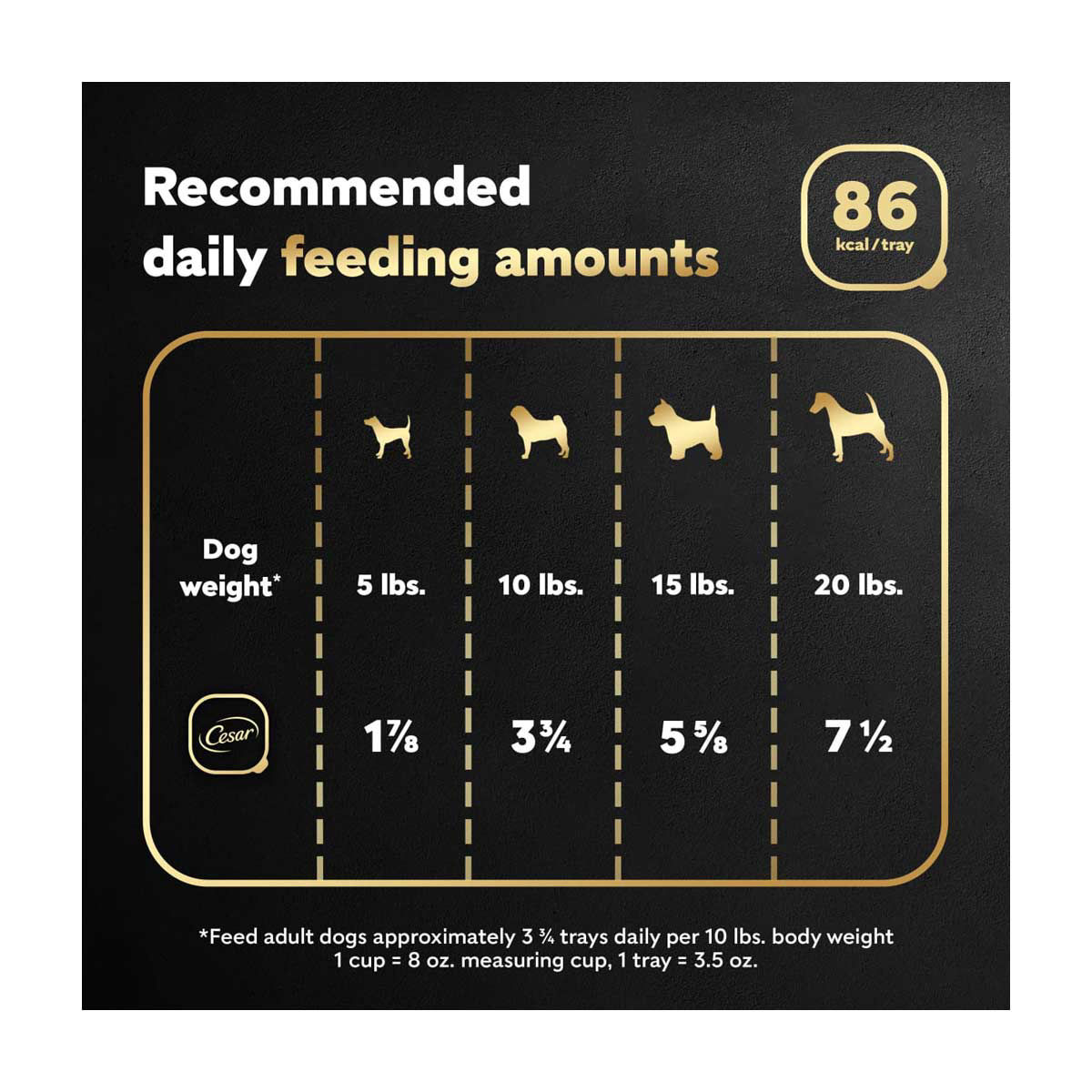
Most adult dogs need about one 3-ounce can per 10 pounds of body weight daily.
How many ounces of wet dog food per day your dog needs depends on body weight, age, activity, health, and the food’s calories. Can size alone can mislead you because one 5.5-ounce can may provide far more or fewer calories than another. This guide explains how to calculate a safe starting amount, adjust portions, and avoid common feeding mistakes.
How Many Ounces of Wet Dog Food Per Day Does a Dog Need?
A useful starting estimate is about 3 ounces of wet dog food per 10 pounds of body weight each day. This estimate works best for many healthy adult dogs eating a typical complete and balanced canned diet.
Here is a simple starting chart:
| Dog’s weight | Wet dog food per day | Approximate 3-ounce cans |
|---|---|---|
| 5 pounds | 1.5 ounces | ½ can |
| 10 pounds | 3 ounces | 1 can |
| 20 pounds | 6 ounces | 2 cans |
| 30 pounds | 9 ounces | 3 cans |
| 40 pounds | 12 ounces | 4 cans |
| 50 pounds | 15 ounces | 5 cans |
| 60 pounds | 18 ounces | 6 cans |
| 70 pounds | 21 ounces | 7 cans |
| 80 pounds | 24 ounces | 8 cans |
These amounts are only a starting point. The feeding guide on the label and the food’s calorie content are more accurate than a general ounces-per-pound rule.
A small, calm dog may need less food. A young, active dog may need more. Think of the chart as a map, not a strict road rule.
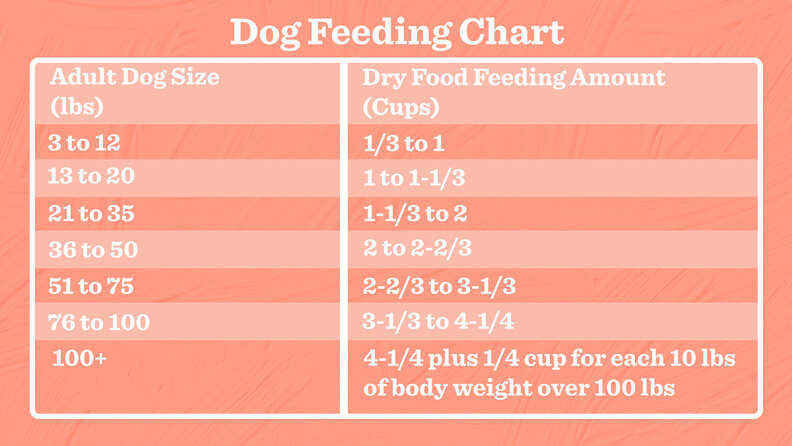
Why Wet Dog Food Amounts Vary
The answer to how many ounces of wet dog food per day changes because dogs have different energy needs. A 20-pound senior dog may need much less food than a 20-pound working terrier.
The main factors include:
• Body weight: Larger dogs usually need more calories, but not in a perfectly straight line.
• Age: Puppies need extra energy for growth. Senior dogs often need fewer calories, though some remain very active.
• Activity: Running, hiking, training, and outdoor work can raise calorie needs.
• Body condition: Thin dogs may need more food, while overweight dogs may need a careful calorie reduction.
• Health: Diabetes, kidney disease, digestive disease, and thyroid problems can change feeding needs.
• Reproductive status: Pregnant or nursing dogs may need much more food, especially during late pregnancy and lactation.
• Food calories: Two cans with the same weight can have very different calorie counts.
The most important lesson is this: ounces measure weight, but calories provide energy. Feeding by ounces without checking calories is like filling your car with a certain number of cups of fuel without knowing the fuel type.
How to Calculate Wet Dog Food by Calories
For a more accurate answer to how many ounces of wet dog food per day, start with daily calories. Then convert calories into ounces using the label.
Step 1: Estimate daily calorie needs
Veterinarians often begin with resting energy requirement, or RER. A common formula is:
RER = 70 × body weight in kilograms raised to the 0.75 power
This formula is useful, but it does not replace veterinary advice. Daily needs may be estimated by multiplying RER by a life-stage or activity factor.
Common starting factors include:
• Neutered adult dog: about 1.6 × RER
• Intact adult dog: about 1.8 × RER
• Dog prone to weight gain: about 1.4 × RER
• Puppy under 4 months: about 3 × RER
• Puppy over 4 months: about 2 × RER
These are broad estimates. Individual dogs can vary widely.
Step 2: Find calories per ounce
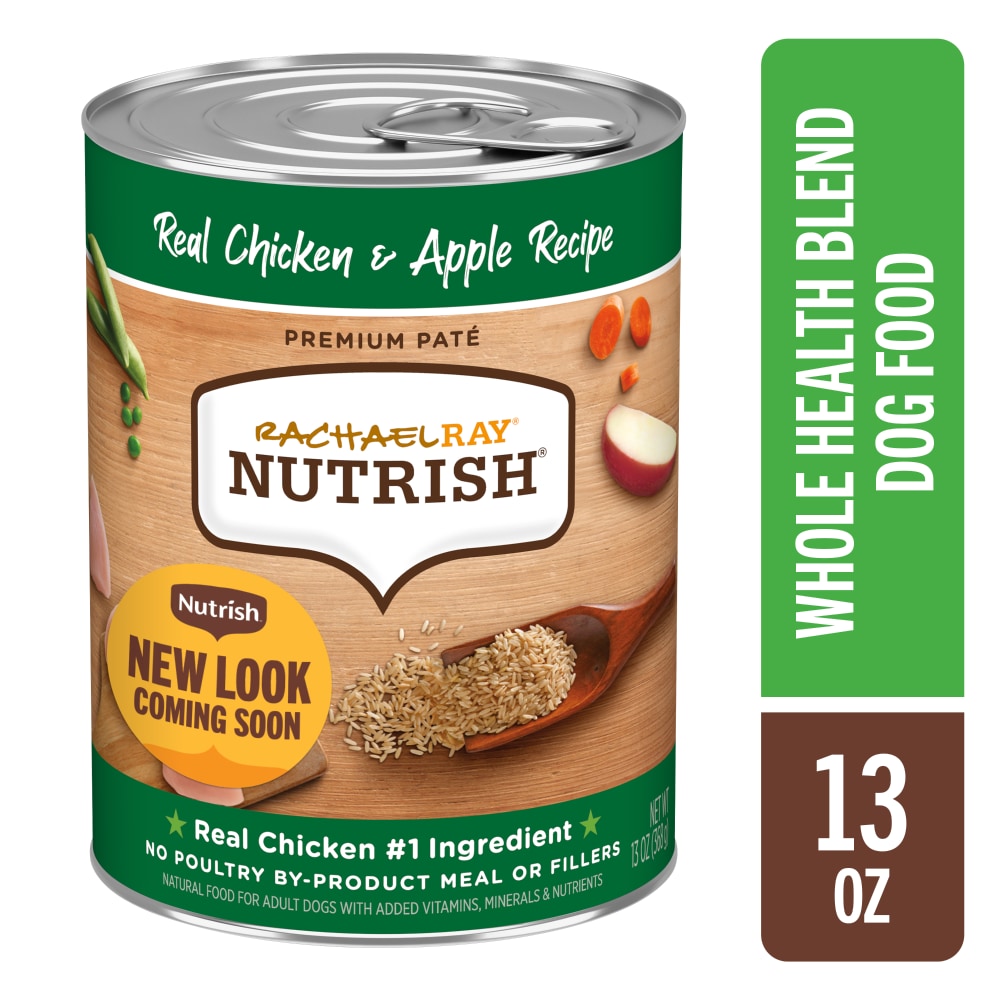
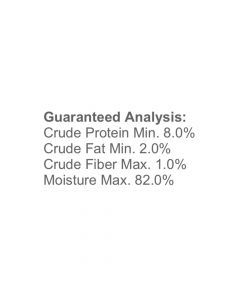
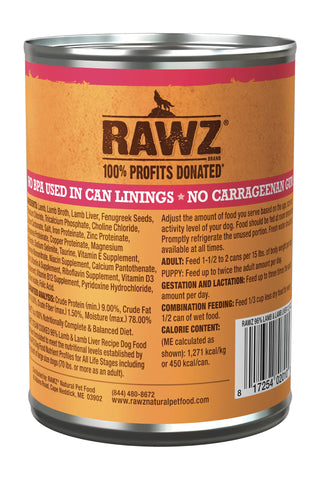
Look for “Calorie Content” on the can or package. It may list calories per can, kilogram, or 100 grams.
For example, imagine a 13-ounce can contains 450 calories.
450 calories ÷ 13 ounces = about 35 calories per ounce.
If your dog needs 700 calories per day:
700 ÷ 35 = 20 ounces per day.
That equals about 1½ cans daily.
Step 3: Divide the food into meals
Most adult dogs do well with two meals per day. A 20-ounce daily portion would become:
• 10 ounces in the morning
• 10 ounces in the evening
Puppies may need three or four smaller meals. Smaller meals can also help dogs that vomit after eating too quickly.
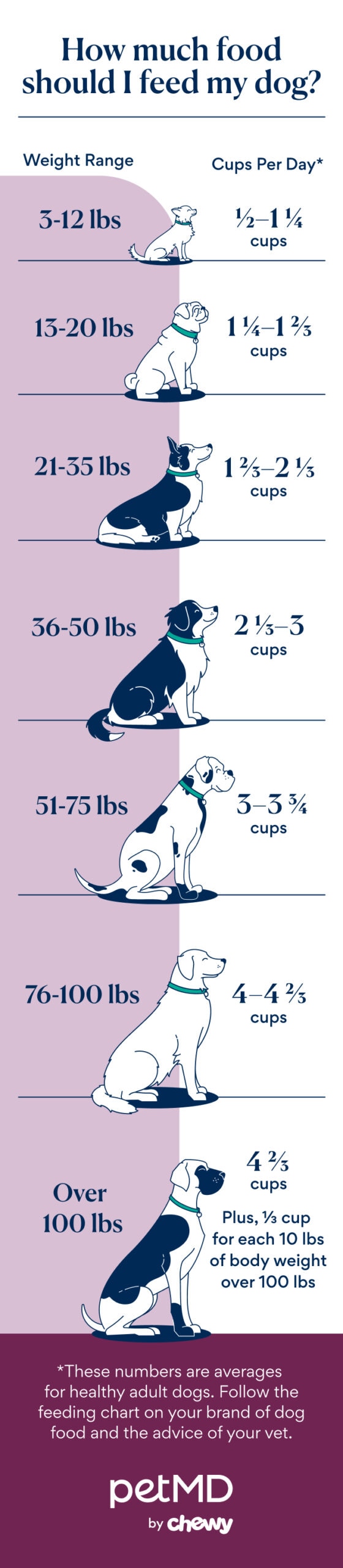
Wet Dog Food Feeding Chart by Weight
The following chart gives a practical starting point for how many ounces of wet dog food per day. It assumes a food with roughly 30 to 40 calories per ounce and a healthy adult dog.
| Dog’s weight | Daily calories, broad estimate | Wet food per day |
|---|---|---|
| 5 pounds | 200 to 300 calories | 5 to 9 ounces |
| 10 pounds | 300 to 450 calories | 8 to 15 ounces |
| 20 pounds | 500 to 750 calories | 13 to 25 ounces |
| 30 pounds | 700 to 1,000 calories | 18 to 33 ounces |
| 40 pounds | 850 to 1,250 calories | 22 to 42 ounces |
| 50 pounds | 1,000 to 1,450 calories | 25 to 48 ounces |
| 60 pounds | 1,150 to 1,650 calories | 29 to 55 ounces |
| 70 pounds | 1,300 to 1,850 calories | 33 to 62 ounces |
| 80 pounds | 1,450 to 2,050 calories | 36 to 68 ounces |
This chart may appear higher than some can-label guides. That difference shows why calorie density matters. Some wet foods contain 25 calories per ounce, while others contain 50 or more.
For example, a 40-pound dog might need around 900 calories daily. At 30 calories per ounce, the dog would need 30 ounces. At 45 calories per ounce, the same dog would need only 20 ounces.
Always use the label’s calorie statement when available.
How Many Cans of Wet Dog Food Should You Feed?
To find how many cans equal the daily amount, divide the total ounces needed by the can size.
For example, if your dog needs 18 ounces per day:
• With 3-ounce cans: 6 cans daily
• With 5.5-ounce cans: about 3⅓ cans daily
• With 12.5-ounce cans: about 1½ cans daily
However, this method works only when the food’s calories match the estimate. A 12.5-ounce can is not automatically equal to two 5.5-ounce cans in nutrition.
Many owners make the mistake of switching brands but keeping the same number of cans. That can quickly change calorie intake. Compare calories per can whenever you change recipes or brands.
If the daily portion does not divide evenly, measure the food with a kitchen scale or use a sealed container for leftovers. Refrigerate opened wet food and use it according to the package guidance.
How Much Wet Food Should Puppies Eat?
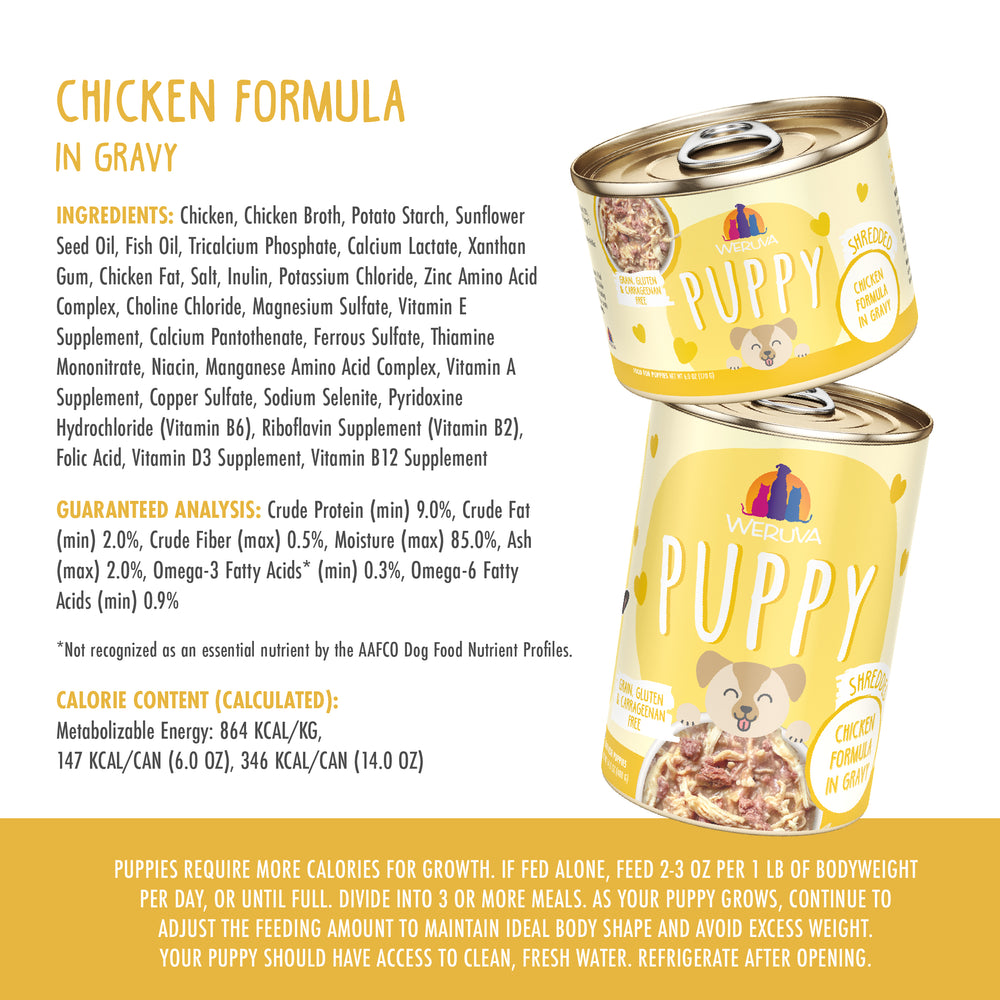
Puppies need more calories per pound than most adult dogs because they are building bone, muscle, and organs. The correct answer to how many ounces of wet dog food per day for a puppy depends heavily on age, expected adult size, and food formula.
Choose food labeled for growth or “all life stages.” Adult maintenance food may not provide the right balance for a growing puppy.
General feeding tips include:
• Feed puppies younger than 4 months about three to four times daily.
• Feed puppies older than 4 months about two to three times daily.
• Follow the puppy feeding chart on the package.
• Weigh your puppy often during rapid growth.
• Keep large-breed puppies on a diet made for controlled growth if recommended by your veterinarian.
Puppies should gain weight steadily, but rapid growth can stress developing bones and joints. Do not add extra food simply because a puppy begs. Instead, check body condition and growth with a veterinary professional.
How Much Wet Food Should Senior Dogs Eat?
Senior dogs may need fewer calories if they sleep more and exercise less. Yet age alone does not tell you how many ounces of wet dog food per day a senior dog should receive.
Some older dogs lose muscle or have dental trouble. Wet food can be easier to chew and may help improve food intake. Other seniors gain weight because of reduced activity.
Watch for these changes:
• A growing waistline
• Noticeable muscle loss
• Increased thirst or urination
• Vomiting or diarrhea
• Difficulty chewing
• Sudden food refusal
A sudden change in appetite can signal illness. If your senior dog eats much more or much less than usual, arrange a veterinary exam rather than simply changing portions.
How to Tell If Your Dog Is Getting the Right Amount
The best way to judge how many ounces of wet dog food per day is right for your dog is to monitor body condition over time.
A healthy dog often has:
• Ribs that you can feel with light pressure
• A visible waist when viewed from above
• An abdomen that rises slightly behind the ribs
• Good energy for the dog’s age and health
• Stable weight
If you cannot feel the ribs, your dog may be carrying extra fat. If the ribs, spine, or hip bones are sharply visible, the dog may be too thin. Long-haired dogs can hide weight changes, so use your hands rather than your eyes alone.
Weigh your dog every two to four weeks during a feeding adjustment. Change portions slowly, often by about 5% to 10%, unless your veterinarian gives different instructions.
One practical lesson is to count treats, chews, table scraps, and toppers. These extras can quietly add many calories. Treats should generally stay within about 10% of daily calories, with the rest coming from a complete and balanced diet.
Wet Food as a Full Diet or Food Topper
Not every wet product is designed to be a complete meal. Some are labeled for “intermittent or supplemental feeding only.” These products should not replace a balanced diet unless your veterinarian directs you to use them.
Check for a nutritional adequacy statement. A complete food should be suitable for your dog’s life stage, such as growth, maintenance, or all life stages.
If you mix wet and dry food, reduce the dry food rather than adding wet food on top. For example:
Find the calories in the wet portion.
Find the calories in the dry portion.
Keep the combined daily calories near your dog’s target.
Adjust based on weight and body condition.
A tasty spoonful of wet food can become a useful topper. But “just a little” every day can lead to weight gain if it is not counted.
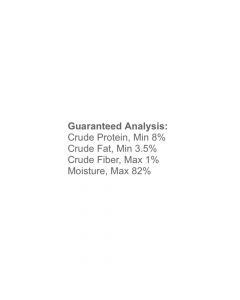
Common Mistakes When Measuring Wet Dog Food
Knowing how many ounces of wet dog food per day is only helpful if you measure the food correctly. Common mistakes include:
• Feeding by can count without checking can size
• Ignoring calories per can
• Changing brands without recalculating portions
• Adding treats without reducing meal calories
• Leaving wet food out for long periods
• Guessing portions with a large serving spoon
• Feeding the same amount after weight or activity changes
• Using a puppy, adult, or prescription food for the wrong life stage
A kitchen scale is one of the simplest tools for accuracy. Measure the full daily amount, divide it into meals, and store the unused portion safely.
In everyday feeding, consistency matters more than perfect math. A measured portion given at the same times each day makes weight changes easier to spot.
When to Ask a Veterinarian
A general chart cannot safely manage every dog. Ask your veterinarian for a specific plan if your dog is:
• Underweight or overweight
• Pregnant or nursing
• Younger than 12 months
• A large-breed puppy
• Diabetic
• Living with kidney, liver, heart, or digestive disease
• Taking medicine that affects appetite or weight
• Losing or gaining weight without a clear reason
• Refusing food for more than a day
• Having repeated vomiting or diarrhea
Veterinary nutrition needs can be complex. Prescription diets, homemade diets, and weight-loss plans should be used with professional guidance.
Reliable guidance often comes from your veterinarian, the food label, and established nutrition standards. Product labels provide useful starting data, but your dog’s response is the final practical test.
Frequently Asked Questions About How Many Ounces of Wet Dog Food Per Day
How many ounces of wet dog food should a 10-pound dog eat per day?
A 10-pound adult dog may start with about 3 to 8 ounces daily, depending on the food’s calories and the dog’s activity. Check the label and adjust the portion to maintain a healthy body condition.
How many ounces of wet dog food should a 20-pound dog eat per day?
A 20-pound adult dog may need roughly 6 to 15 ounces daily with many common foods. Calorie density, age, activity, and weight goals can move this amount higher or lower.
Is one can of wet food enough for a dog?
One can may be enough for a small dog, but it is rarely enough for a medium or large dog by itself. Compare the can’s calories with your dog’s daily calorie needs before deciding.
Can I feed wet dog food every day?
Yes, a complete and balanced wet food can be fed every day when it matches your dog’s life stage. A product labeled for supplemental feeding should not serve as the entire diet.
Should wet dog food be fed once or twice a day?
Most adult dogs do well with two meals per day. Puppies, dogs with some medical conditions, and dogs that eat too fast may benefit from smaller, more frequent meals.
How do I know if I am feeding too much wet food?
Weight gain, a disappearing waist, and ribs that are hard to feel can indicate overfeeding. Reduce portions gradually and ask your veterinarian for help if your dog gains weight despite careful feeding.
Is wet food better than dry food for dogs?
Neither is automatically best for every dog. Wet food offers high moisture and may be easier to chew, while dry food is often more calorie-dense and convenient; the best choice is complete, balanced, and suitable for your dog.
Conclusion
How many ounces of wet dog food per day depends on calories, body weight, age, activity, health, and body condition. A basic starting point is about 3 ounces per 10 pounds daily, but the food label offers a better guide when it lists calories.
Measure portions, count treats, monitor your dog’s weight, and adjust slowly. If your dog is growing, pregnant, ill, unusually thin, or overweight, work with a veterinarian for a safe feeding plan. Use this guide as a starting tool, then keep learning and share your feeding questions or experience with other dog owners.