
Most adult dogs need about one 13-ounce can daily per 25 to 30 pounds, but calories vary.
Knowing how many cans dog food per day your pet needs is more complex than counting cans. Your dog’s weight, age, activity, health, food calories, and can size all matter. This guide explains how to read feeding labels, estimate portions, avoid overfeeding, and adjust meals safely.

How Many Cans of Dog Food Per Day?
A healthy adult dog often needs about one 13-ounce can of wet dog food for every 25 to 30 pounds of body weight each day. However, this is only a starting point. Some foods contain twice as many calories per can as others.
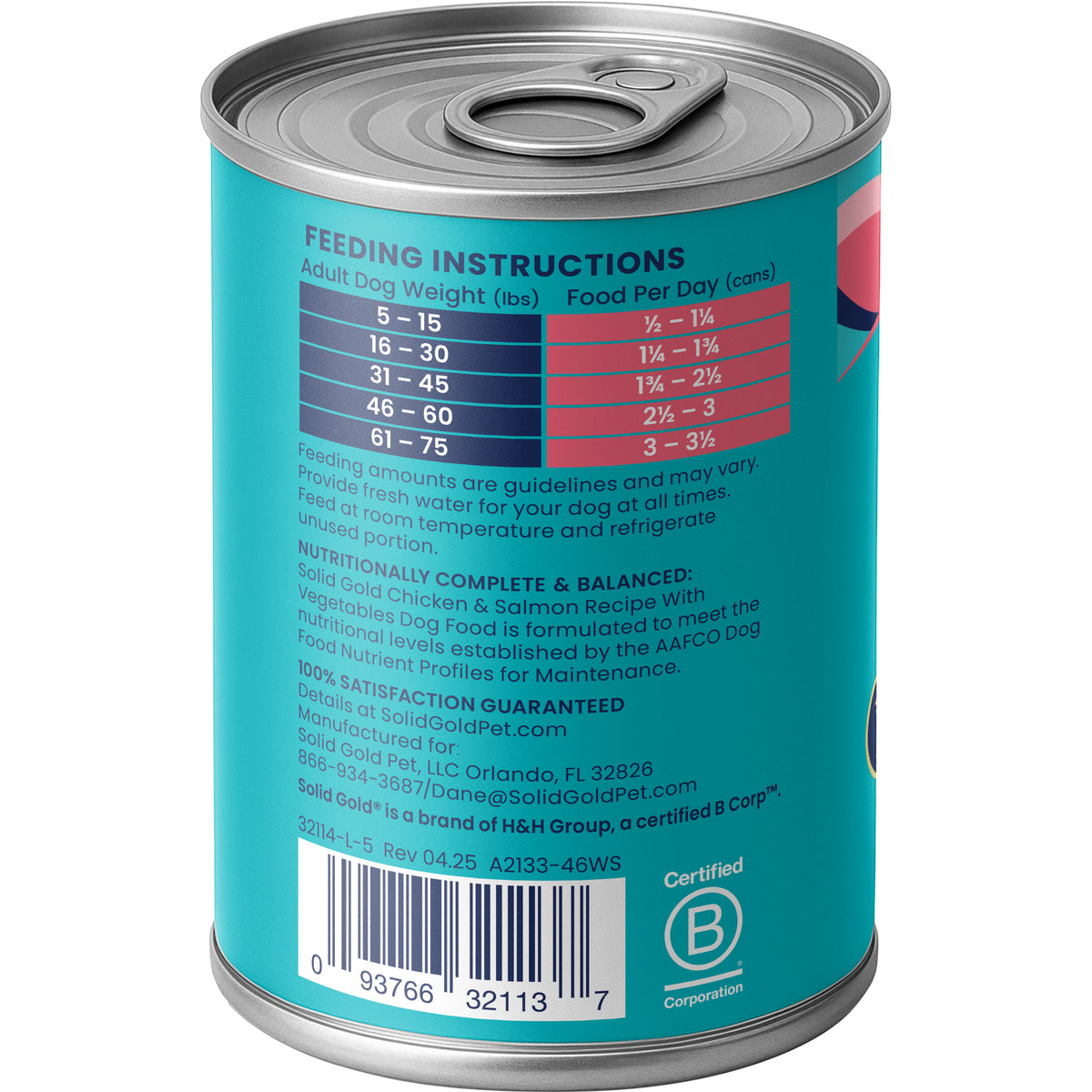
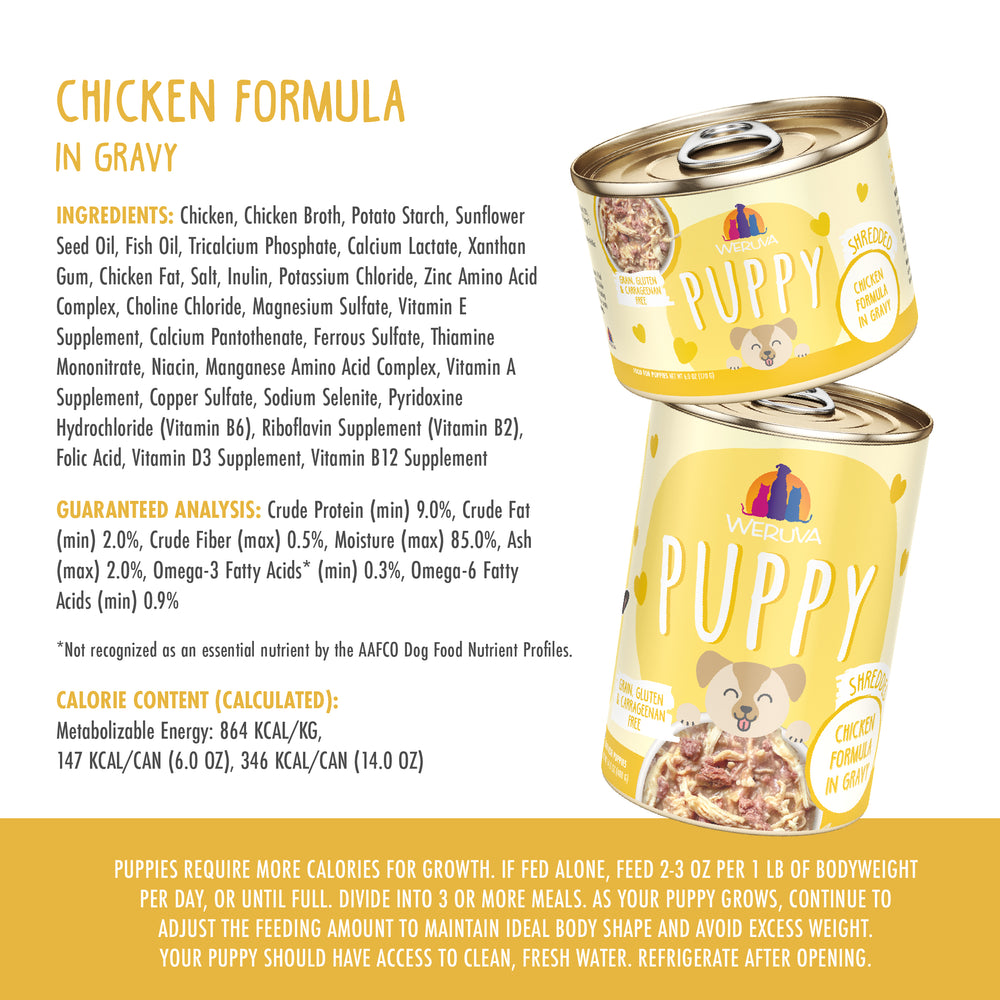
The best answer to how many cans dog food per day depends on the food’s calorie content. Look for the words “Calorie Content” on the label. It may show calories per can, per ounce, or per kilogram.
For example:
| Dog’s weight | Starting daily amount |
|---|---|
| 10 pounds | About ⅓ to ½ can |
| 20 pounds | About ¾ can |
| 30 pounds | About 1 can |
| 50 pounds | About 1½ to 2 cans |
| 70 pounds | About 2 to 2½ cans |
| 90 pounds | About 2½ to 3 cans |
These estimates assume a standard 13-ounce can and average-calorie adult food. They do not replace the feeding chart on the package or advice from your veterinarian.
Feed the daily amount in two meals for most adult dogs. Puppies, pregnant dogs, working dogs, and dogs with health problems may need a very different plan.
Why Can Size and Calories Matter
Not all cans contain the same amount of food. Common sizes include 3 ounces, 5.5 ounces, 12.5 ounces, and 13 ounces. A small can may look like a full meal, but it may provide far fewer calories than a large can.
The calorie difference can be surprising. One 13-ounce can may contain 350 calories, while another can of the same size may contain 600 calories. This is why the answer to how many cans dog food per day should never rely on can size alone.
Check these details on the label:
- Calorie content per can
- Recommended daily feeding amount
- Whether the food is complete and balanced
- The life stage listed on the package
- The can’s net weight
- The guaranteed analysis
A food marked “complete and balanced” has been formulated to meet established nutrient standards for a specific life stage. A food labeled for supplemental or intermittent feeding should not usually serve as your dog’s only diet.
A simple calorie example
Imagine your 30-pound dog needs about 700 calories each day.
- Food A provides 350 calories per can. Your dog may need about two cans.
- Food B provides 500 calories per can. Your dog may need about 1⅓ cans.
- Food C provides 250 calories per can. Your dog may need nearly three cans.
The cans look different in number, but the daily calorie intake may be similar.

A Better Way to Calculate Daily Food
A calorie-based estimate gives you a more useful answer than a general can rule. First, find your dog’s resting energy requirement, or RER. A common veterinary formula is:
RER = 70 × body weight in kilograms raised to the 0.75 power
You do not need to calculate this by hand. Online veterinary calorie calculators can help, but they are still estimates.
Daily calorie needs often use a multiplier:
- Neutered adult dogs: about 1.6 × RER
- Intact adult dogs: about 1.8 × RER
- Less active or overweight-prone dogs: about 1.2 to 1.4 × RER
- Puppies: about 2 to 3 × RER, depending on age
- Pregnant or nursing dogs: needs vary widely
- Active working dogs: often need more than a typical adult dog
These ranges are not exact rules. Two dogs with the same weight may need very different amounts because of muscle, metabolism, exercise, and health.
Example for a 30-pound dog
A 30-pound dog weighs about 13.6 kilograms. Its estimated RER is about 500 calories. A typical neutered adult may need roughly 800 calories per day, though some dogs need less or more.
If the canned food contains 400 calories per can:
800 ÷ 400 = 2 cans daily
That gives a starting estimate of two cans per day. Divide it into two meals, then monitor body condition for two to four weeks.
How Age and Lifestyle Change the Amount
Age is one of the biggest factors in how many cans dog food per day your pet needs. Growing puppies use energy to build bone, muscle, and organs. They may need more calories per pound than adult dogs.
Senior dogs often become less active. Some need fewer calories, while others lose muscle and need a diet with better protein or more calories. A senior dog with kidney, heart, dental, or joint disease may also need a therapeutic diet.
Activity matters too:
- A calm indoor dog may need fewer calories.
- A daily runner may need more food.
- A hunting or herding dog may need much more during active seasons.
- A dog recovering from illness may need a carefully planned diet.
- A pregnant or nursing dog may need several small meals and a higher-energy food.
Body condition is more useful than weight alone. You should be able to feel your dog’s ribs under a thin layer of fat. Your dog should have a visible waist when viewed from above and a slight abdominal tuck from the side.
How Much Wet Food Should Puppies Eat?
Puppies should eat food made for growth or for all life stages. Adult maintenance food may not provide the nutrient balance a growing puppy needs.
Puppies usually eat three or four meals each day when young. As they grow, many move to two meals daily. Follow the puppy feeding chart on the food label, then adjust with guidance from your veterinarian.
The answer to how many cans dog food per day for a puppy depends on:
- Current body weight
- Expected adult size
- Age in weeks or months
- Breed type
- Growth rate
- Food calorie density
- Activity level
Large-breed puppies need special care. Rapid growth can place stress on developing bones and joints. Do not add calcium or supplements unless your veterinarian recommends them.
Pregnant and nursing dogs also need individualized feeding. Their needs can rise sharply, especially during nursing. A veterinarian can help choose the right food and meal schedule.

Wet Food Feeding Guide by Dog Size
The following chart offers a general starting point for adult dogs eating average-calorie canned food. It assumes a 13-ounce can and a healthy body condition.
| Dog size | Approximate daily amount |
|---|---|
| 5 pounds | ¼ to ⅓ can |
| 10 pounds | ⅓ to ½ can |
| 15 pounds | ½ to ¾ can |
| 20 pounds | ⅔ to 1 can |
| 30 pounds | 1 to 1¼ cans |
| 40 pounds | 1¼ to 1¾ cans |
| 50 pounds | 1½ to 2 cans |
| 60 pounds | 1¾ to 2¼ cans |
| 80 pounds | 2¼ to 3 cans |
| 100 pounds | 3 to 3½ cans |
These figures are broad estimates, not strict prescriptions. A low-calorie food may require more cans. A high-calorie food may require fewer.
If you use 5.5-ounce cans, the number will be higher. For example, one 13-ounce can equals about 2.4 cans that contain 5.5 ounces each. Always compare calories, not just the number of containers.
Wet Food, Dry Food, and Mixed Feeding
Wet food contains much more water than dry food. This can help dogs take in fluids and may make meals more appealing. It is also often easier for dogs with missing teeth or sore mouths to eat.
Dry food is more calorie-dense in many cases. A small cup may provide the same calories as a full can of wet food. Therefore, replacing kibble with canned food requires a calorie comparison.
For mixed feeding, calculate each food separately. For example:
- Daily need: 800 calories
- Half from canned food: 400 calories
- Half from dry food: 400 calories
- Canned food: 400 calories per can
- Dry food: 400 calories per cup
The dog would receive one can and one cup of dry food per day, divided into meals.
Reduce treats when adding wet food. Treats, table scraps, toppers, and chews should generally provide no more than about 10% of daily calories. Too many extras can quietly cause weight gain.

How to Tell If Your Dog Is Getting the Right Amount
The feeding chart is a starting point. Your dog’s body condition is the final check.
Weigh your dog every two to four weeks, especially after changing food. Use the same scale when possible. Watch for changes in appetite, stool, energy, coat, and body shape.
You may need to reduce food if:
- Your dog gains weight steadily.
- You cannot easily feel the ribs.
- The waist disappears.
- Your dog becomes less active.
- Treats add many extra calories.
You may need to increase food or seek veterinary advice if:
- Your dog loses weight without a clear reason.
- Your dog acts hungry all the time.
- The coat becomes dull.
- Energy drops.
- Vomiting or diarrhea continues.
- Your dog drinks or urinates much more than usual.
A sudden appetite change can signal illness. Diabetes, intestinal disease, parasites, dental pain, and hormone disorders may affect eating and weight. Do not simply add more cans when unexplained weight loss occurs.
Common Mistakes When Feeding Canned Dog Food
Many feeding problems come from small mistakes rather than poor care. The most common one is treating the label’s daily amount as exact for every dog.
Avoid these errors:
- Counting cans without checking calories
- Forgetting to reduce dry food during mixed feeding
- Giving large amounts of table food
- Leaving opened cans at room temperature
- Switching food too quickly
- Feeding puppy food to an adult dog without a reason
- Ignoring weight gain because the dog “looks happy”
- Using a food labeled for supplemental feeding as the main diet
- Adding vitamins without veterinary advice
Change foods over about seven days when possible. Start with a small amount of the new food and slowly increase it while decreasing the old food.
Store opened wet food in a covered container in the refrigerator. Use it within the time stated on the label, and discard food that smells spoiled or has been left out for too long.
In everyday feeding, the biggest lesson is simple: measure the food, track body condition, and adjust slowly. A can is a container, not a complete feeding plan.
When to Ask a Veterinarian
A veterinarian can give you a safer answer to how many cans dog food per day when your dog has special needs. This is especially important for dogs with diabetes, kidney disease, liver disease, pancreatitis, allergies, or obesity.
Ask for professional guidance if your dog:
- Is under 12 months old
- Is pregnant or nursing
- Is very underweight or overweight
- Has a chronic medical condition
- Needs a prescription diet
- Has ongoing vomiting or diarrhea
- Stops eating for more than a day
- Loses weight without explanation
Your veterinarian may assess body condition, muscle mass, dental health, activity, and laboratory results. These details can matter more than the number printed on a can.
Veterinary nutrition advice is also useful when your dog needs homemade food, multiple diets, or a carefully controlled calorie plan. Feeding too little can cause weakness and nutrient gaps. Feeding too much can raise the risk of obesity and related disease.
Frequently Asked Questions
How many cans of dog food should a 20-pound dog eat per day?
A 20-pound adult dog may need about two-thirds to one can of 13-ounce wet food daily. Check the calorie content because some foods require more or less than this estimate.
How many cans of dog food should a 50-pound dog eat per day?
A typical 50-pound adult dog may need about 1½ to 2 cans of average-calorie wet food daily. Divide the amount into two meals and adjust it based on body condition and weight changes.
Can I feed my dog only canned food?
Yes, if the canned food is complete and balanced for your dog’s life stage. Food labeled for supplemental or intermittent feeding should not usually be the sole diet.
Is one can of dog food enough for a dog?
One can may be enough for a small dog but not for most medium or large dogs. The right amount depends on calories per can, body weight, age, activity, and health.
Should wet dog food be mixed with dry food?
Wet and dry food can be mixed if both fit your dog’s nutritional needs. Reduce the amount of each food so the combined meal does not provide more calories than your dog needs.
How often should I feed canned dog food?
Most adult dogs do well with two meals each day. Puppies may need three or four meals, while older dogs or dogs with medical needs may benefit from a different schedule.
How do I know if I am overfeeding canned dog food?
Weight gain, a missing waist, and ribs that are difficult to feel can indicate overfeeding. Count treats and other extras, then discuss a gradual calorie reduction with your veterinarian.
Conclusion
The right answer to how many cans dog food per day depends on calories, can size, body weight, age, activity, and health. Use the package guide as a starting point, compare calories, divide food into suitable meals, and watch your dog’s body condition over time.
Small adjustments can make a big difference. Measure each meal, limit extra treats, and seek veterinary advice when your dog has special needs or unexplained weight changes. Use this guide to create a thoughtful feeding plan, and explore your dog food label or share your experience in the comments.