Most dogs need wet food based on calories, body size, age, and health.
Knowing how much wet dog food to feed your dog is important for steady weight, good energy, and healthy digestion. The right amount depends on more than the number of cans. Your dog’s weight, age, activity, body shape, food calories, and health needs all matter.
This guide explains how to read a wet dog food label, estimate daily portions, adjust meals, and avoid common feeding mistakes. It also covers puppies, senior dogs, mixed feeding, treats, and when to ask your veterinarian for help.
How Much Wet Dog Food Should I Feed My Dog?
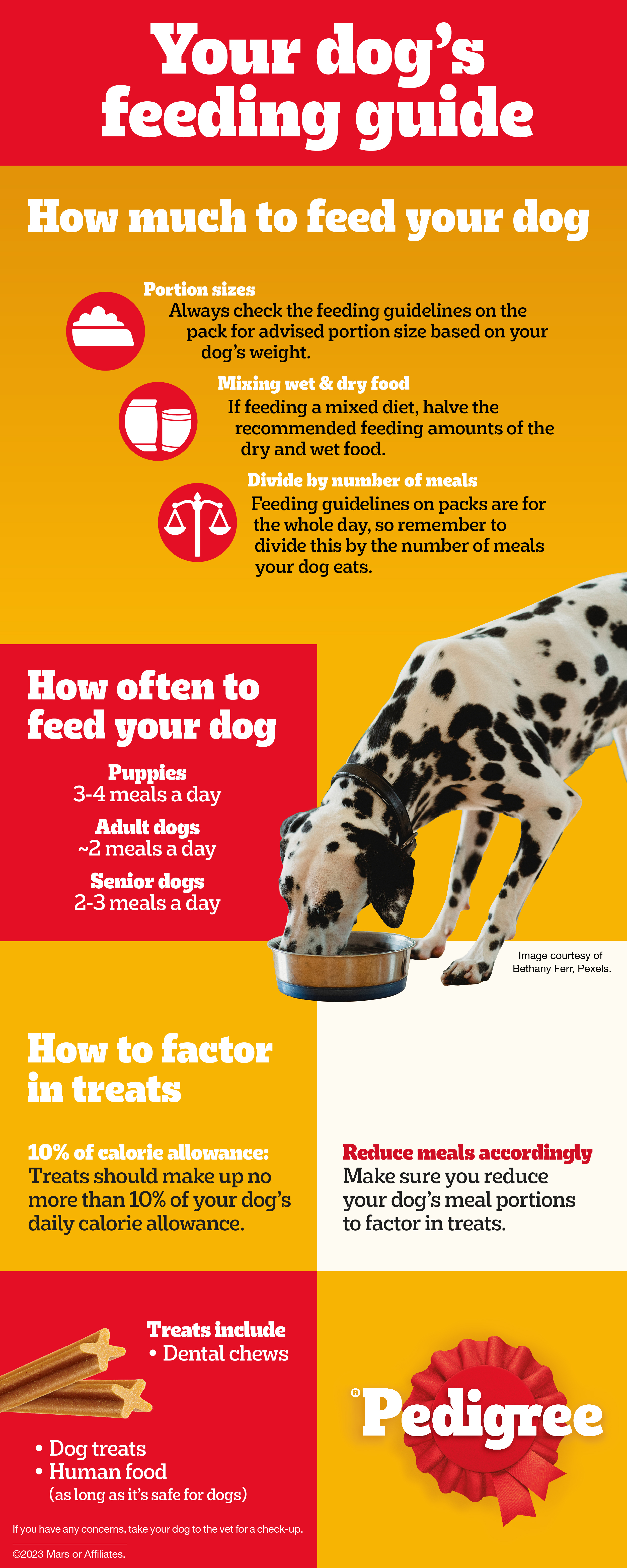
The best starting point is the feeding guide on the food label. It usually lists a daily amount based on your dog’s weight. Divide that amount between two or more meals.
For example, a label may recommend one 13-ounce can per day for every 15 pounds of body weight. A 30-pound dog may then need about two cans daily. However, this is only a starting point because wet foods vary widely in calories.
When asking, “How much wet dog food should I feed my dog?” check these factors:
• Your dog’s current weight
• Ideal body weight
• Age and life stage
• Daily activity
• Neuter or spay status
• Calorie content of the food
• Treats and snacks
• Medical conditions
A small, calm dog may need far fewer calories than a large, active dog. Two cans of different foods may also provide very different amounts of energy.
How to Read a Wet Dog Food Feeding Chart
Wet dog food labels often show feeding instructions by weight. Some say “feed one can per 10 pounds.” Others give a range, such as half to one can for dogs weighing 10 to 20 pounds.
Start at the lower end if your dog is overweight, inactive, or prone to weight gain. Start near the higher end if your dog is lean and active. Watch body condition for two to four weeks before making another change.
The label should also show calories. Look for wording such as:
• Kilocalories per can
• Kilocalories per tray
• Calories per ounce
• Metabolizable energy
Kilocalories and calories mean the same thing on pet food labels. If one can contains 350 calories and your dog needs 700 calories per day, two cans would meet that daily need before treats.
Still, label directions can be broad. The Association of American Feed Control Officials provides nutrient profiles, but it does not create one exact portion for every dog. Feeding instructions are estimates, not strict rules.
A Simple Wet Dog Food Calculation
A calorie estimate can make portion planning more accurate. A veterinarian can calculate your dog’s resting energy requirement, or RER, with this formula:
- Multiply body weight in kilograms by itself.
- Multiply that result by the body weight again.
- Multiply the final result by 70.
The formula is:
RER = 70 × body weight in kilograms^0.75
Most pet parents do not need to calculate this by hand. Your veterinarian can estimate daily energy needs using RER and an activity factor.
For a simple example, imagine a healthy, 44-pound adult dog. That dog weighs about 20 kilograms. Depending on activity, health, and body condition, the dog may need roughly 800 to 1,100 calories per day.
If the wet food contains 400 calories per can:
• 800 calories equals two cans daily
• 1,000 calories equals two and a half cans daily
• 1,200 calories equals three cans daily
This example shows why “How much wet dog food should I feed my dog?” cannot be answered by can count alone.
Wet Dog Food Amount by Dog Size
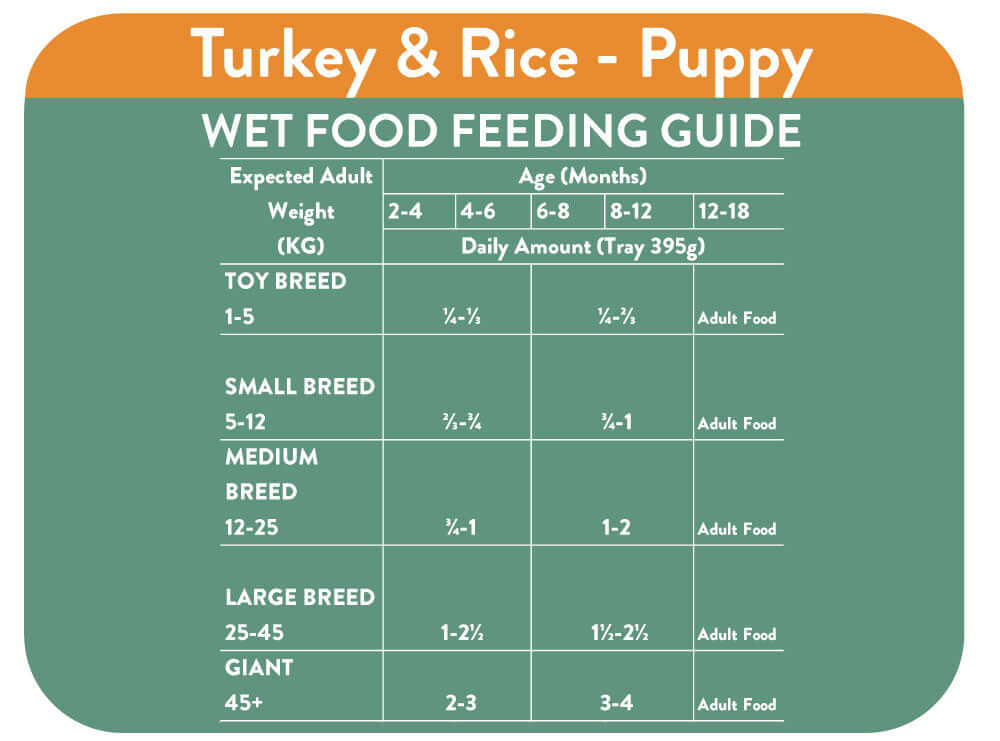
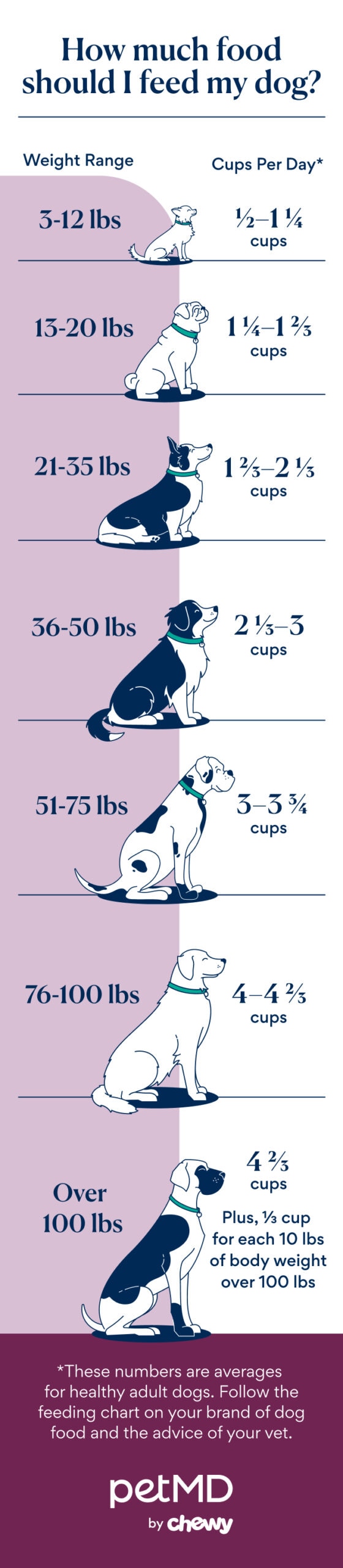
The table below offers a broad starting point for healthy adult dogs eating food with about 350 calories per 13-ounce can. It is not a medical feeding plan.
| Dog size | Approximate daily amount |
|---|---|
| 5 pounds | One quarter to one half can |
| 10 pounds | One half to three quarters can |
| 20 pounds | Three quarters to one and one quarter cans |
| 30 pounds | One and one quarter to one and three quarters cans |
| 50 pounds | Two to three cans |
| 70 pounds | Three to four cans |
| 90 pounds | Four to five cans |
These amounts can change greatly based on calorie density. A food with 500 calories per can requires less food than one with 250 calories per can.
Use your dog’s body condition as your daily guide. You should be able to feel the ribs with light pressure, see a waist from above, and notice an abdominal tuck from the side.

How Much Wet Dog Food Should Puppies Eat?
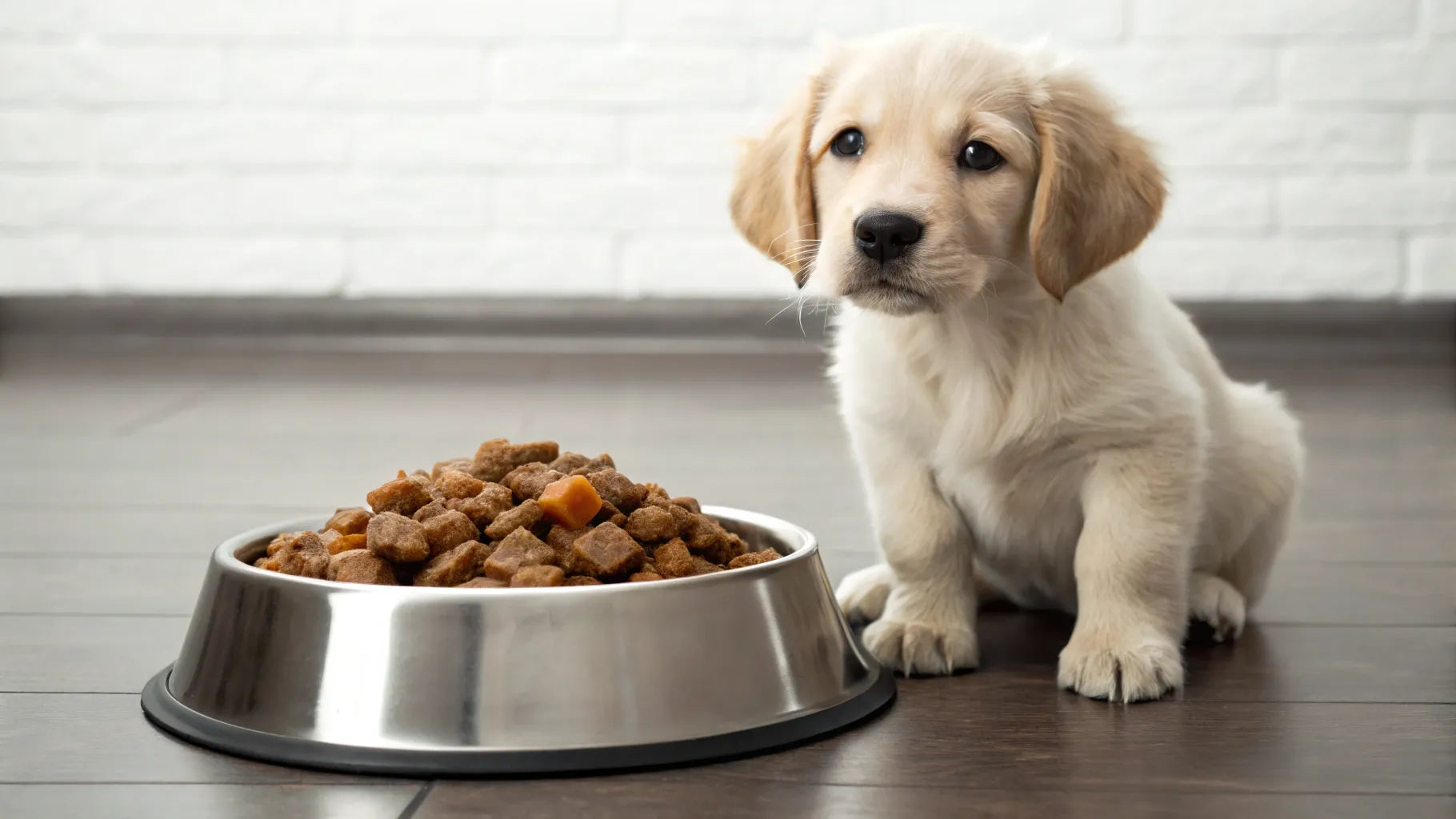
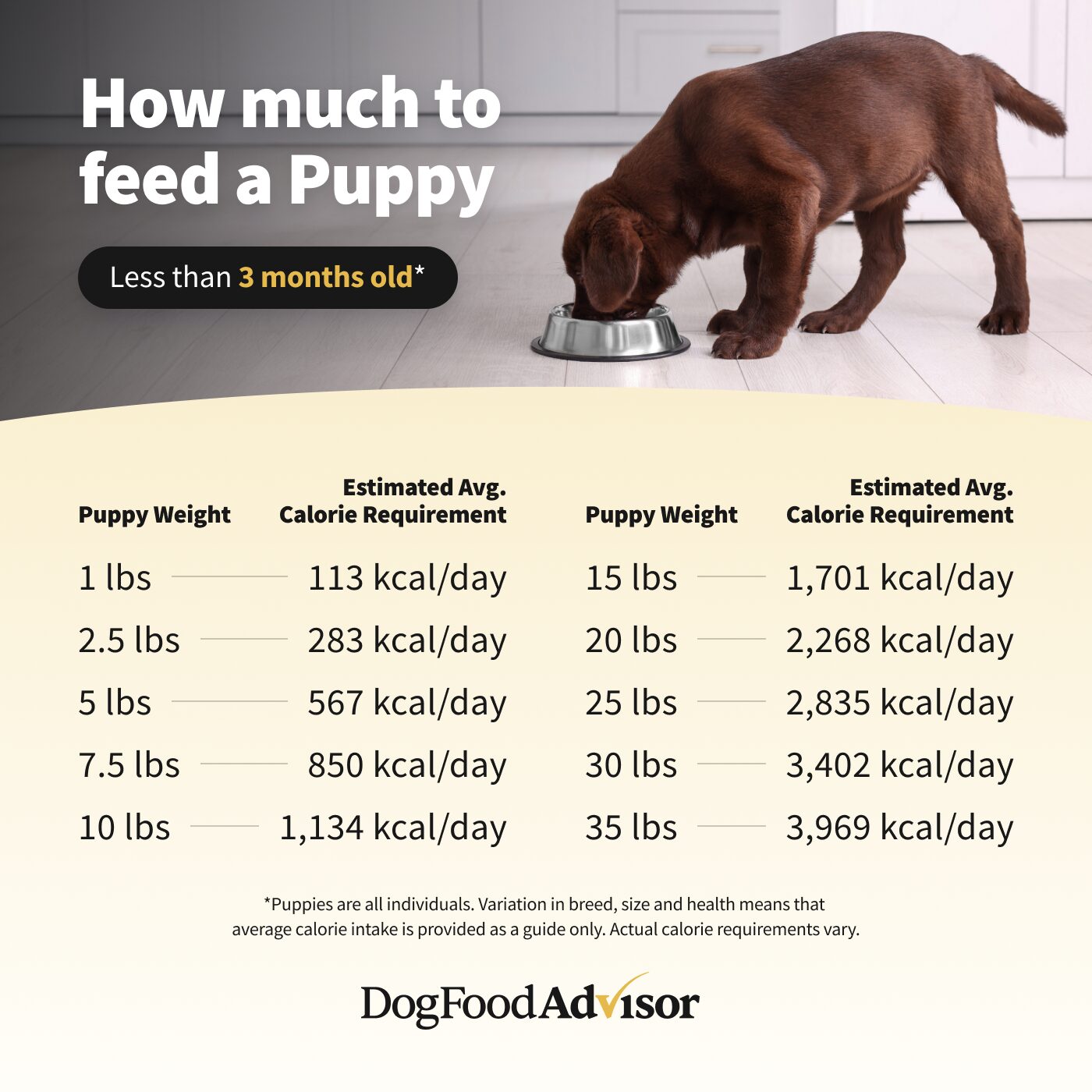
Puppies need more energy than most adult dogs because they are growing. They also need balanced nutrients for bones, muscles, organs, and brain development.
Choose food labeled for growth or “all life stages.” Large breed puppies need food made for large breed growth because excess calories and minerals can affect bone development.
Feed puppies three to four small meals each day when they are young. As they grow, many puppies can move to two meals daily.
Watch for these signs that the portion may need adjustment:
• Very fast weight gain
• A round belly that does not settle
• Loose stool
• Poor growth
• Low energy
• Visible ribs with little muscle
Puppy feeding is one area where a veterinarian’s advice is especially useful. Growth rates differ by breed, and a Great Dane puppy has very different needs from a Chihuahua puppy.
How Much Wet Dog Food Should Senior Dogs Eat?
Senior dogs may need fewer calories if they are less active. However, some older dogs lose weight, lose muscle, or develop health problems that increase their nutritional needs.
Do not reduce food simply because your dog is old. Check body weight, muscle tone, appetite, dental comfort, and activity first.
A senior dog may benefit from:
• A highly digestible recipe
• Adequate high-quality protein
• A texture that is easy to chew
• Controlled calories if overweight
• Veterinary guidance for kidney, liver, heart, or digestive disease
Some senior dogs need more calories because of illness. Others need fewer calories because of arthritis and reduced movement. The right answer to “How much wet dog food should I feed my dog?” can change over time.
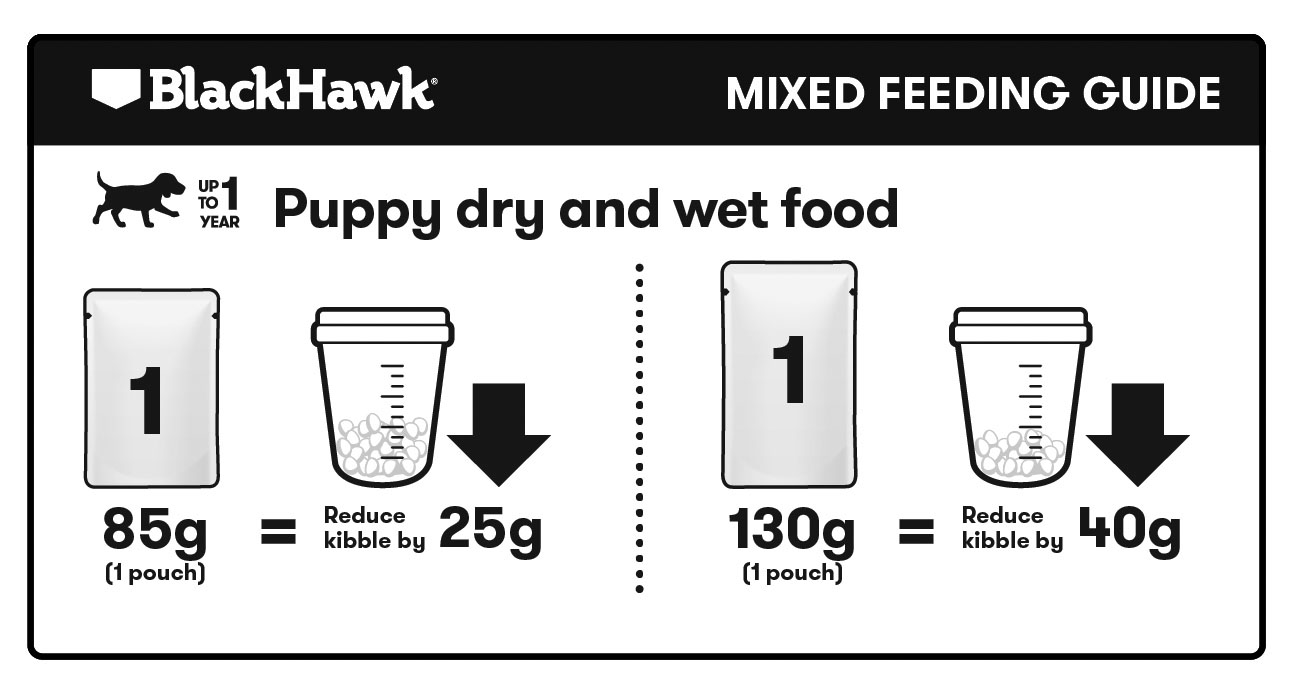
How Much Wet Food Should I Mix With Dry Food?
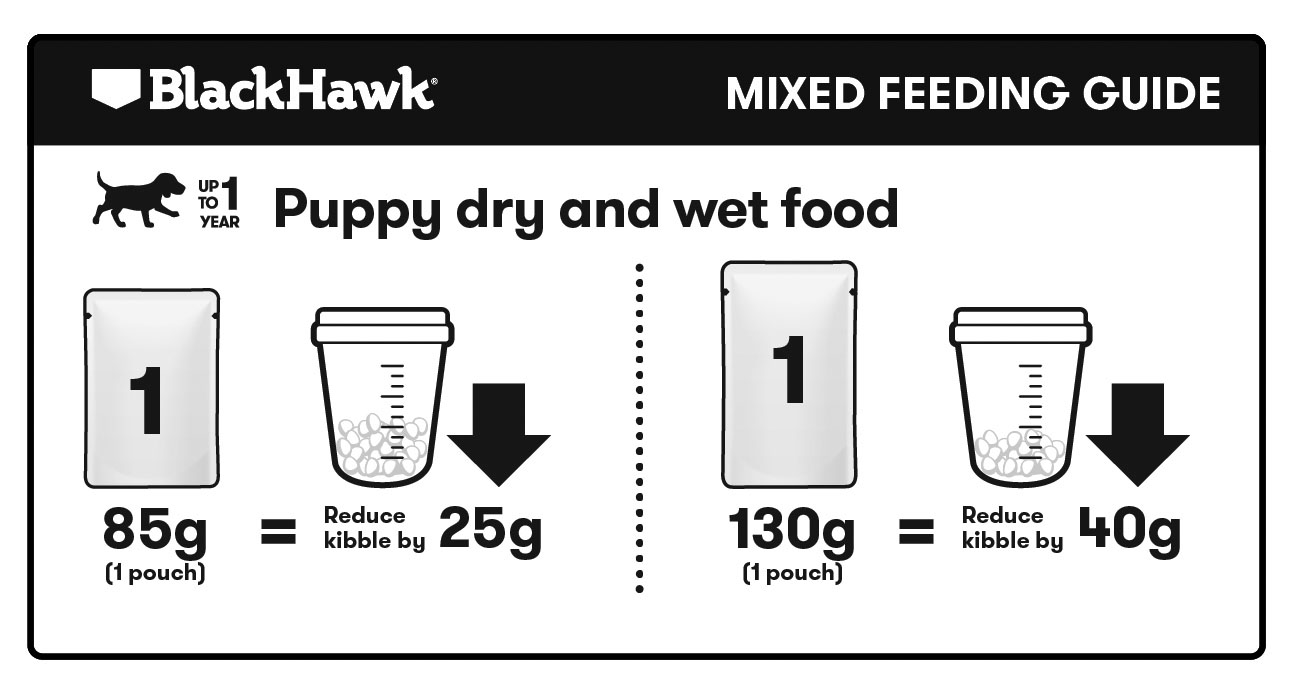
Mixed feeding works well when you count calories from both foods. Do not add a full wet food portion to a full dry food portion unless your dog needs the extra calories.
For example, suppose your dog needs 800 calories daily. You want to provide half from wet food and half from dry food.
• Wet food provides 400 calories
• Dry food provides 400 calories
• Treats should come from that daily calorie budget
If one can contains 400 calories, feed one can. If the dry food contains 400 calories per cup, feed one cup. Divide the total between meals as needed.
Wet food can add moisture and improve taste. Dry food can be easier to measure and store. A balanced combination may be practical for many households.
How Treats Affect Wet Dog Food Portions
Treats count as calories. Many veterinary nutrition experts recommend keeping treats and extra foods below about 10% of daily calories. The other 90% should come from a complete and balanced diet.
A few small treats may not seem important, but calories add up quickly. Table scraps, dental chews, training rewards, and pill pockets all count.
To prevent overfeeding:
• Measure the day’s treats in the morning
• Use small training treats
• Reduce meal portions when treats are high in calories
• Offer safe vegetables only when your veterinarian approves
• Avoid fatty leftovers
One mistake I often see is treating wet food as a bonus rather than part of the meal. A spoonful of food may be small, but several spoonfuls each day can affect weight over time.
How to Adjust Your Dog’s Wet Food Portion
Change portions slowly. A sudden increase can cause loose stool, gas, or vomiting. Make small adjustments, then watch your dog for one to two weeks.
If your dog is gaining weight, reduce the daily calories by about 5% to 10%. If your dog is losing weight without a clear reason, contact your veterinarian before simply adding more food.
Track these details:
• Body weight
• Meal size
• Treat calories
• Stool quality
• Hunger between meals
• Energy level
• Vomiting or diarrhea
A kitchen scale is useful for small dogs. Measuring food by grams is often more accurate than guessing with a spoon.
A healthy feeding plan should be flexible. It is more like adjusting a thermostat than setting a permanent number.
Signs You Are Feeding Too Much or Too Little
Body condition is more useful than appetite alone. Some dogs act hungry even after eating enough, while others may skip food because of stress, heat, pain, or illness.
Signs of overfeeding may include:
• Weight gain
• No visible waist
• Ribs that are difficult to feel
• Low energy
• Frequent soft stool
Signs of underfeeding may include:
• Weight loss
• Visible ribs, spine, or hip bones
• Poor muscle tone
• Constant hunger
• Weakness or low energy
• Dull coat
A sudden appetite change needs attention. Dental disease, parasites, diabetes, kidney disease, cancer, and digestive disorders can all affect appetite and body weight.
If your dog has repeated vomiting, ongoing diarrhea, extreme thirst, weakness, or rapid weight change, call a veterinarian promptly.
Choosing the Right Wet Dog Food
Portion size matters, but food quality matters too. Choose a product labeled “complete and balanced” for your dog’s life stage. This means the food is designed to meet recognized nutritional standards when fed as directed.
Check the label for:
• Life stage, such as puppy, adult, or senior
• Calorie content
• Feeding instructions
• Ingredient list
• Guaranteed analysis
• Manufacturer contact details
• Proper storage instructions
Terms such as “natural,” “premium,” or “holistic” do not tell you whether a food is complete and balanced. The nutrition adequacy statement is more useful.
If your dog has a medical condition, ask your veterinarian before choosing a prescription or limited ingredient diet. Homemade food also needs professional formulation because simple recipes can lack calcium, vitamins, or other key nutrients.
Wet Dog Food Storage and Safe Feeding
Refrigerate unused wet food soon after opening. Keep it in a covered container and follow the product’s storage directions. Many opened cans are best used within two to three days.
Do not leave wet food in the bowl for long periods, especially in warm rooms. Bacteria can grow as food sits out.
Helpful habits include:
• Wash bowls after meals
• Use a clean spoon
• Keep cans at room temperature before serving
• Discard food with an unusual smell or appearance
• Wash your hands after handling pet food
• Keep food sealed and away from pests
Some dogs prefer wet food slightly warmed. Warm it gently, never until hot, and stir well before serving.
Common Feeding Mistakes to Avoid
Even caring owners can misjudge portions. The most common mistake is relying on the number of cans without checking calories.
Avoid these errors:
• Feeding the same portion after a major weight change
• Ignoring treats and chews
• Using the label as an unchangeable rule
• Switching food too quickly
• Free feeding wet food
• Giving puppy food to an adult dog without a reason
• Reducing food sharply
• Guessing a medical diet
Another common mistake is comparing cans by size rather than calories. A small can of calorie-dense food may provide more energy than a large can of a lighter recipe.
When asking, “How much wet dog food should I feed my dog?” think in calories, then confirm the answer with body condition and veterinary advice.
Frequently Asked Questions About How Much Wet Dog Food Should I Feed My Dog?
How many cans of wet food should I feed my dog per day?
The number depends on your dog’s weight and the calories in each can. Start with the label guide, then adjust the amount based on body condition, activity, and weight changes.
Is one can of wet dog food enough for a dog?
One can may be enough for a small dog, but it may not meet the needs of a medium or large dog. Check the calories per can and compare them with your dog’s daily calorie needs.
Can I feed my dog only wet food?
Yes, a dog can eat only wet food if it is complete and balanced for the correct life stage. Measure the daily portion carefully because wet food calories vary by recipe.
Should I feed wet dog food once or twice a day?
Most adult dogs do well with two meals each day. Puppies, dogs with certain medical conditions, and dogs that vomit on an empty stomach may need smaller, more frequent meals.
How do I know if I am feeding my dog too much wet food?
Weight gain, a missing waist, and ribs that are hard to feel can signal overfeeding. Track body weight and ask your veterinarian to assess your dog’s body condition.
Should I add water to wet dog food?
You can add a small amount of clean water if your dog enjoys it or needs extra moisture. Avoid adding anything unsafe, such as broth containing onions, garlic, excess salt, or artificial sweeteners.
How much wet dog food should I feed an overweight dog?
Use the dog’s ideal weight, not current weight, as part of the feeding plan. Because weight loss must preserve muscle, ask your veterinarian for a safe calorie target before making major changes.
Conclusion
The answer to “How much wet dog food should I feed my dog?” depends on calories, body weight, age, activity, health, and treats. Use the label as a starting point, divide food into sensible meals, and watch your dog’s body condition over time.
Measure portions, track changes, and adjust slowly. If your dog gains or loses weight unexpectedly, or has a medical condition, involve your veterinarian. A thoughtful feeding routine can support a healthier, happier life, so review your dog’s food label today and make one informed improvement.