Most puppies switch to adult dog food after growth ends, usually between 12 and 24 months.
Knowing when should you switch from puppy food to adult dog food helps protect healthy growth, weight, bones, and joints. The right time depends on your dog’s breed size, growth rate, body condition, health, and the food’s nutrition profile. This guide explains the signs to watch, the risks of switching too early, and the safest way to make the change.
When Should You Switch From Puppy Food to Adult Dog Food?
Most dogs can move to adult dog food when they reach physical maturity. This timing is not the same for every dog.
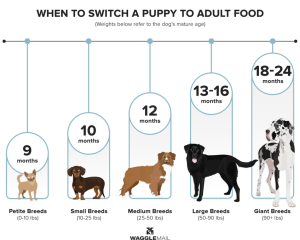
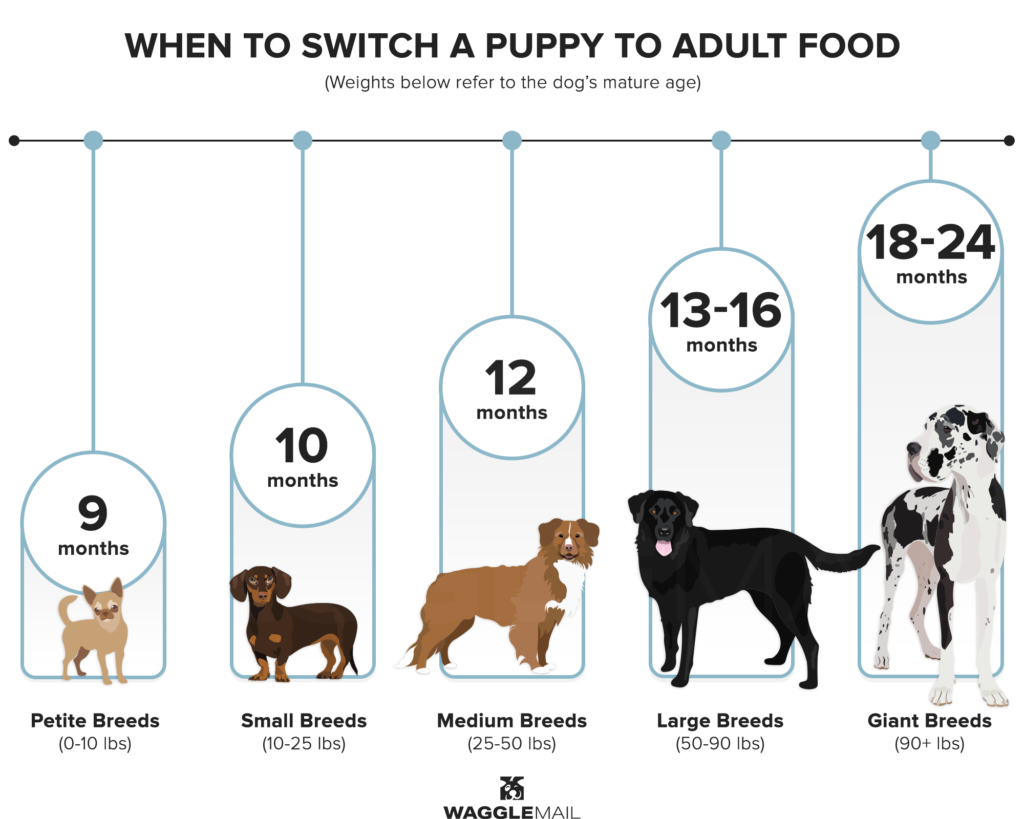
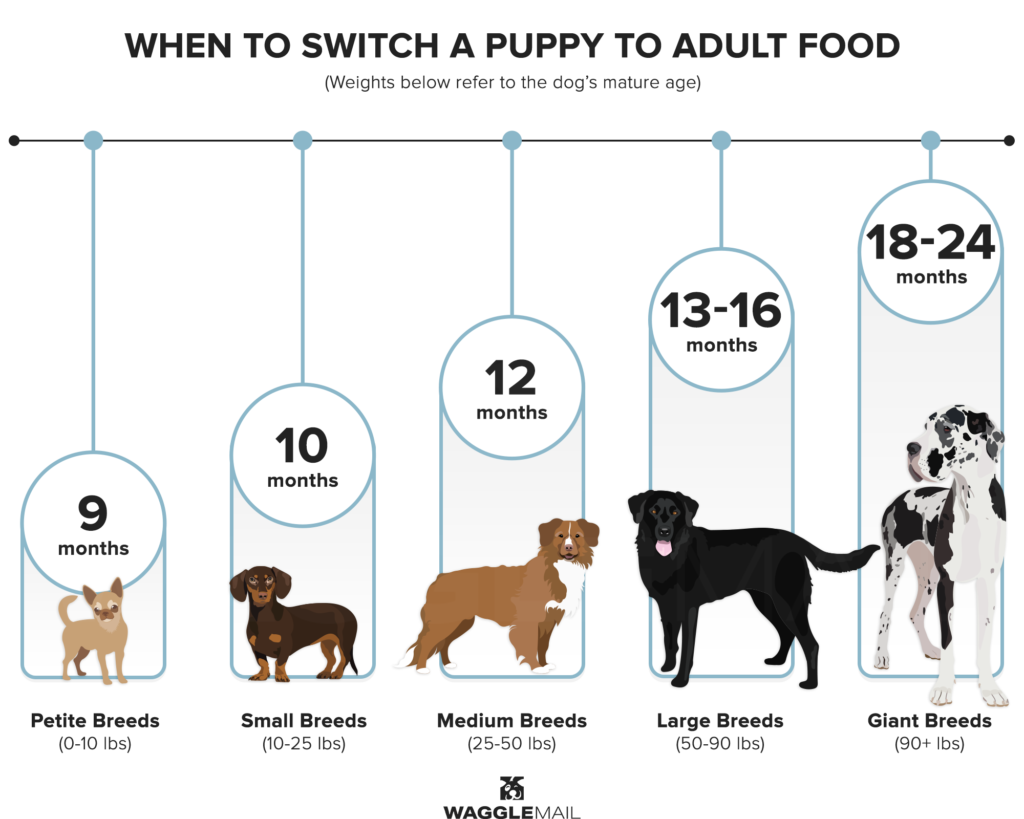
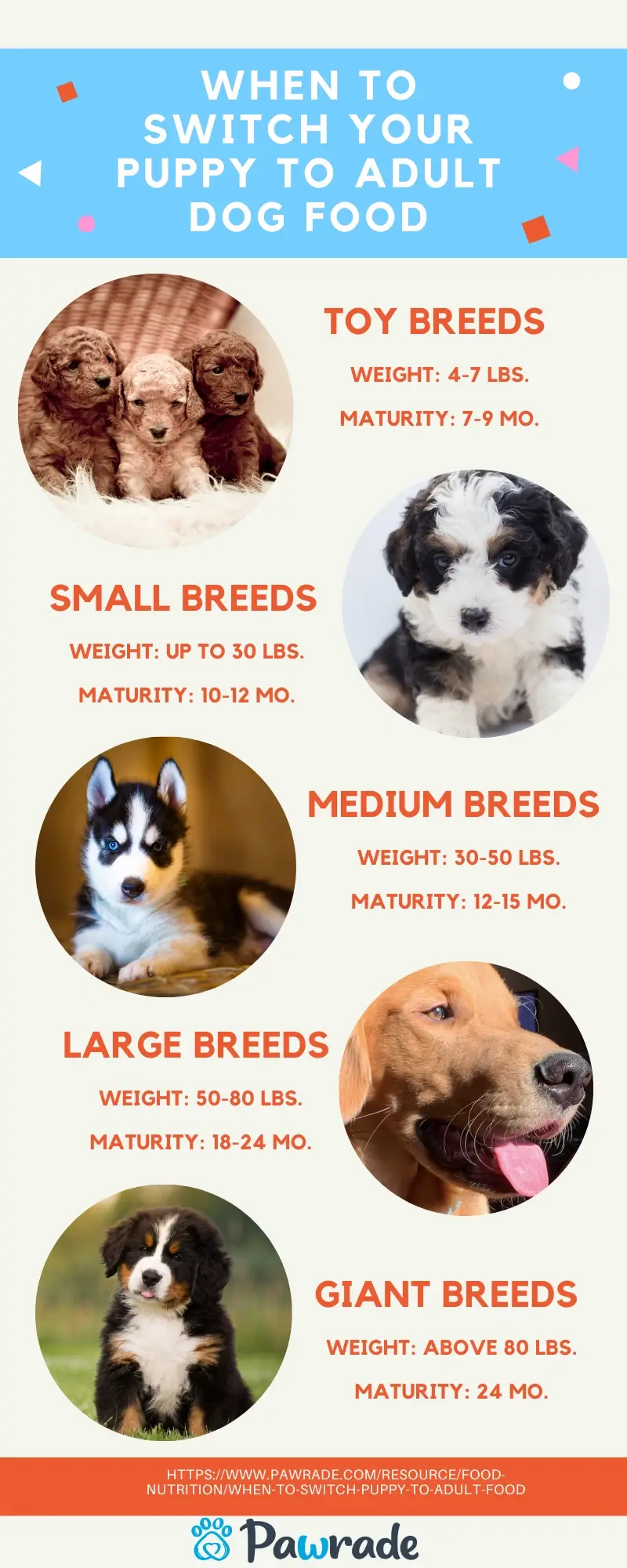
Small dogs mature sooner, while large and giant breeds need more time for their bones and joints to develop. As a general guide:
- Small breeds under 25 pounds: around 9 to 12 months
- Medium breeds from 25 to 50 pounds: around 12 to 15 months
- Large breeds from 50 to 90 pounds: around 15 to 18 months
- Giant breeds over 90 pounds: around 18 to 24 months
These are helpful ranges, not strict rules. A 10-month-old Chihuahua may be ready for adult food, while a 10-month-old Great Dane may still need a carefully balanced large-breed puppy diet.
When asking when should you switch from puppy food to adult dog food, look beyond your dog’s birthday. Your veterinarian can assess body condition, muscle growth, bone development, and expected adult size. These factors give a more useful answer than age alone.
Why Puppy Food and Adult Dog Food Are Different
Puppy food is made for growth. It often contains more calories, protein, fat, calcium, phosphorus, and other nutrients than regular adult maintenance food.
Puppies use these nutrients to build muscles, bones, organs, and tissue. Their energy needs can be very high, especially during periods of fast growth.
Adult dog food is designed to maintain the body rather than build it. It usually provides fewer calories and a nutrient balance suited to a fully grown dog.
Feeding puppy food for too long may lead to excess weight, especially after growth slows. Extra weight puts more strain on the hips, knees, and other joints. This concern is especially important for large and giant breeds.
Feeding adult food too early can also cause problems. A young puppy may not receive enough energy or the right nutrient levels for normal development. Large-breed puppies have an added risk because too much calcium or too many calories can affect skeletal growth.
Look for a nutritional statement on the package. In the United States, food labeled for “growth” or “all life stages” may meet puppy needs, while food labeled for “adult maintenance” is made for mature dogs.
An all-life-stages food is not automatically the best choice for every adult dog. It may still be richer in calories than needed, so portions must match your dog’s age, size, activity, and body condition.
Signs Your Puppy May Be Ready for Adult Dog Food
Age is only one clue. Your dog may be ready for adult food when several signs appear together.
Your dog is close to adult size
most puppies are ready to transition when they have reached most of their adult height and body length. Some may continue filling out with muscle after their bones stop growing.
A small dog may reach mature size before its first birthday. A large dog may look nearly grown at 12 months but still need puppy nutrition for several more months.
Growth has slowed
Young puppies often gain size quickly. As maturity approaches, weight gain becomes slower and more steady.
A sudden drop in appetite can be normal when growth slows, but it can also signal illness. Contact your veterinarian if appetite loss comes with vomiting, diarrhea, tiredness, pain, or weight loss.
Your dog has a healthy body condition
Your dog should have a visible waist when viewed from above. You should also be able to feel the ribs with light pressure, but the ribs should not be sharply visible in most breeds.
A puppy that is already gaining too much fat may need a feeding adjustment before the food is changed. Switching to adult food alone will not solve overfeeding.
Your veterinarian agrees
A veterinary exam is especially useful for large breeds, giant breeds, dogs with digestive problems, and puppies with unusual growth patterns.
When deciding when should you switch from puppy food to adult dog food, your veterinarian may recommend staying on puppy food longer, changing sooner, or choosing a special diet.
Breed Size Matters More Than Many Owners Expect
Breed size is one of the strongest clues for deciding when should you switch from puppy food to adult dog food.
Small breeds grow fast, but they also have fast metabolisms. They may need calorie-dense food during puppyhood because their stomachs are small. However, they often reach maturity before large dogs.
Large and giant breeds need controlled growth. The goal is not to make them grow as fast as possible. The goal is steady growth with strong bones and healthy joints.
For a large-breed puppy, choose food made specifically for large-breed growth. These diets are designed to provide controlled calories and carefully balanced minerals.
Mixed-breed dogs can be harder to classify. Use their expected adult weight as a guide. If you are unsure, your veterinarian can estimate adult size by looking at breed traits, growth patterns, and current weight.
A useful example is a Labrador Retriever mix. If the puppy is expected to weigh 60 pounds, it should be managed more like a large-breed puppy than a small dog, even if one parent was smaller.

How to Switch From Puppy Food to Adult Dog Food
A slow transition can reduce stomach upset and help your dog accept the new taste. Most dogs do well with a change over seven days.
Use this simple plan:
- Days 1 and 2: Mix about 25% adult food with 75% puppy food.
- Days 3 and 4: Use about 50% adult food and 50% puppy food.
- Days 5 and 6: Mix about 75% adult food with 25% puppy food.
- Day 7: Feed 100% adult food.
Some dogs need a slower change over 10 to 14 days. This is common with dogs that have sensitive stomachs, food allergies, or a history of diarrhea.
Do not judge portions by volume alone. Puppy food and adult food may have different calorie levels. Check the feeding guide and compare calories per cup when possible.
Watch your dog during the transition. Mild changes in stool can occur, but repeated diarrhea, vomiting, refusal to eat, or severe gas means you should slow the change and call your veterinarian.
Do not add table scraps to make the new food more appealing. Sudden rich foods can cause stomach problems and may teach your dog to reject regular meals.
How Much Adult Dog Food Should You Feed?
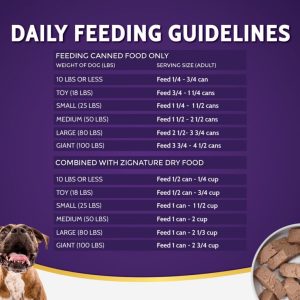
Adult feeding guides are starting points, not exact prescriptions. Two dogs of the same breed and weight may need very different amounts.
Activity, age, metabolism, muscle mass, climate, and reproductive status all affect calorie needs. A highly active hiking dog may need more food than a calm house dog of the same size.
Start with the package guide, then assess body condition every two weeks. Use a measuring cup or kitchen scale rather than guessing.
Reduce the portion if your dog gains excess fat. Increase it slightly if your dog loses weight despite normal health. Make changes in small steps and allow about two weeks to see the result.
Treats count as calories. Ideally, treats should provide no more than about 10% of your dog’s daily calories. You can also use part of the regular meal as training rewards.
Dogs that have been spayed or neutered may need fewer calories after the procedure. Ask your veterinarian how to adjust food intake rather than making a large change without guidance.

What Happens If You Switch Too Early?
Switching before growth is complete may leave a puppy short on important nutrients. This is a larger concern for puppies with high energy needs or those expected to become large adults.
Possible concerns include:
- Poor weight gain
- Low energy
- Delayed muscle development
- Weak bones
- Poor coat quality
- Nutrient imbalance during a key growth stage
Adult food is not toxic to puppies, but it may not be complete for growth. The nutrition statement matters more than marketing words such as “premium,” “natural,” or “holistic.”
If a puppy accidentally eats adult food for a day or two, there is usually no reason to panic. Return to the correct growth diet and contact your veterinarian if the puppy becomes unwell.
The greater risk comes from feeding an unsuitable adult diet for weeks or months. When in doubt, check the label and seek professional advice.
What Happens If You Stay on Puppy Food Too Long?
Puppy food provides extra energy for growth. Once growth slows, those extra calories can become extra body fat.
Weight gain is the most common concern. Overweight dogs face greater stress on their joints and may have a higher risk of diabetes, breathing problems, and other health issues.
This does not mean every older puppy must switch immediately. Some active adolescent dogs still need a growth diet for a while. The key is to match food to growth stage and body condition.
If your dog is overweight, do not simply cut food sharply. Large calorie reductions may leave the dog short on nutrients. A veterinarian can suggest a safe calorie target or a suitable weight-management diet.
When asking when should you switch from puppy food to adult dog food, remember that “adult” refers to maturity, not just age. A lean, growing dog may need puppy food longer than a heavier dog that has already finished growing.
Choosing a Quality Adult Dog Food
A good adult dog food should be complete and balanced for adult maintenance. Check the nutritional adequacy statement on the package.
Consider these points:
- Choose a food suited to your dog’s life stage.
- Select a large-breed formula when appropriate.
- Check calories per cup if weight is a concern.
- Choose a texture your dog can chew comfortably.
- Review ingredients if your dog has a known allergy.
- Ask your veterinarian about diets for medical conditions.
Ingredient lists can be useful, but they do not tell the whole story. Nutrition depends on the complete formula, nutrient levels, quality control, and feeding trials or formulation standards.
Grain-free food is not automatically healthier. Most dogs can digest properly cooked grains, and some grain-free diets have been linked with diet-associated heart concerns in certain dogs. Do not remove grains unless your veterinarian recommends it.
Raw diets and homemade diets also require care. An unbalanced homemade diet can cause calcium, vitamin, or mineral deficiencies. If you prepare meals at home, work with a veterinary nutrition professional.
Common Mistakes to Avoid
Many feeding problems come from good intentions. Owners often give too much food because a puppy seems hungry or because the package guide looks generous.
Avoid these common mistakes:
- Switching food suddenly
- Feeding based only on age
- Ignoring body condition
- Using an adult diet for a growing large-breed puppy
- Giving too many treats
- Changing food during illness without veterinary advice
- Assuming expensive food is always better
- Measuring portions by eye
- Ignoring calorie information
- Changing several things at once
One lesson I have seen repeatedly is that owners focus on the food brand but overlook the serving size. A high-quality diet can still cause weight gain when the bowl is always full.
Another common mistake is waiting until a dog looks overweight. A small increase in body fat can be hard to notice under a thick coat. Regular hands-on checks help catch the problem early.
When to Ask a Veterinarian
A routine wellness visit is the best time to discuss when should you switch from puppy food to adult dog food. Bring the food package or a clear photo of its nutrition label.
Your veterinarian can help if your dog has:
- Slow or unusually fast growth
- Repeated vomiting or diarrhea
- Food allergies
- Kidney, liver, or heart disease
- Joint or bone problems
- Poor appetite
- Excess weight
- Low energy
- A very large adult size
- A history of nutritional problems
Seek prompt veterinary care if your puppy stops eating, has repeated vomiting, develops bloody diarrhea, seems weak, or loses weight.
Food changes should not delay care. Digestive signs can come from parasites, infection, stress, or other health problems.
Frequently Asked Questions About When Should You Switch From Puppy Food to Adult Dog Food?
Can I switch my puppy to adult dog food at 12 months?
Some small and medium dogs are ready at 12 months, but not all dogs are. Large and giant breeds often need puppy food until 18 to 24 months, so confirm the timing with your veterinarian.
How do I know when should you switch from puppy food to adult dog food for a large breed?
Large breeds usually switch when growth is nearly complete, often between 15 and 18 months. Giant breeds may need a growth diet until 24 months, especially if they are still gaining height and lean muscle.
Is all-life-stages dog food suitable for puppies and adult dogs?
Many all-life-stages foods meet nutrient standards for both growth and maintenance. However, some are calorie-dense, so portions should be adjusted as your dog matures.
What if my dog gets diarrhea after switching food?
Return to the previous food or slow the transition, unless your veterinarian gives different advice. Contact a veterinarian if diarrhea lasts more than a day, becomes severe, or occurs with vomiting, blood, pain, or low energy.
Should I switch food after spaying or neutering my dog?
Not always, but calorie needs may decrease after surgery. Keep the same food if it works well, then adjust the portion with veterinary guidance to prevent unwanted weight gain.
Can puppy food make an adult dog overweight?
Yes, puppy food often has more calories than an adult dog needs. Long-term feeding can contribute to weight gain if portions are not reduced to match the dog’s lower energy needs.
Does my dog need adult food as soon as it stops growing taller?
Not always. Some dogs continue building muscle after reaching their adult height, and large breeds may mature slowly. Body condition, expected size, and veterinary advice should guide the change.
Conclusion
The right time to switch depends on your dog’s size, growth, body condition, health, and diet. Small dogs may transition around 9 to 12 months, while large and giant breeds often need puppy food much longer.
Make the change slowly over about seven days. Measure portions, watch body condition, and adjust calories as activity and metabolism change. When deciding when should you switch from puppy food to adult dog food, your veterinarian’s advice is the safest final check.
Take a close look at your dog’s food label and body shape today. If you are unsure, schedule a wellness visit and ask for a personalized feeding plan.