Most older dogs do not need more food; they usually need fewer calories, not larger meals.
As dogs age, their metabolism, activity level, muscle mass, and health needs can change. Still, the answer to “Do older dogs need more food?” is not the same for every dog. Age alone does not set a feeding amount. Body condition, daily activity, medical needs, and the calorie content of the food matter more.
Do older dogs need more food?
Usually, older dogs need the same amount or fewer calories than adult dogs. Many senior dogs move less and burn fewer calories. Their bodies may also lose muscle while gaining fat, even when their weight looks stable.
However, some older dogs do need more food. This may happen when they lose weight, become more active, have trouble absorbing nutrients, or develop a health problem that raises their energy needs. A sudden appetite or weight change should always be taken seriously.
Think of your dog’s food needs like a household budget. If your dog spends fewer calories each day, adding more food can create a surplus. That surplus often becomes extra body fat, which can worsen joint pain, breathing problems, and diabetes risk.
Why aging can change a dog’s calorie needs
Aging affects several systems at once. The changes may be slow, so many owners do not notice them until a dog gains or loses a meaningful amount of weight.
Lower activity levels
Senior dogs often take shorter walks, sleep more, and play for less time. A dog that once chased a ball for an hour may now prefer two gentle walks and a quiet nap.
Less movement means fewer calories burned. Feeding the old adult portion without adjusting for lower activity can lead to gradual weight gain.
Loss of muscle mass
Older dogs may lose lean muscle, especially if they are less active or have arthritis. Muscle uses more energy than fat, so a reduction in muscle can lower daily calorie needs.
This does not mean senior dogs should simply eat less protein. Many healthy older dogs benefit from high-quality, digestible protein to help maintain muscle. Dogs with kidney or liver disease may need a special diet, so ask your veterinarian before changing protein levels.
Changes in digestion
Some older dogs develop dental disease, stomach problems, or reduced nutrient absorption. They may eat a normal amount but still lose weight. Loose stools, vomiting, gas, or a dull coat can signal that food is not being used well.
In these cases, giving more of the same food may not solve the problem. Your veterinarian may need to look for dental pain, intestinal disease, parasites, or another medical cause.
Health conditions
Certain diseases can change appetite and calorie use. Examples include:
• Diabetes, which may cause increased hunger and weight loss
• Hyperthyroidism, which is uncommon in dogs but can raise metabolism
• Cancer, which may increase calorie needs or reduce appetite
• Kidney disease, which may cause nausea and muscle loss
• Heart disease, which can reduce activity and affect body weight
• Dental disease, which can make chewing painful
This is why the question “Do older dogs need more food?” cannot be answered by age alone.

Signs your senior dog may need more food
An older dog may need more calories if they are losing weight despite eating well. But weight loss is not always a feeding problem. It can be the first sign of illness.
Watch for these signs:
• Ribs, spine, or hip bones becoming more visible
• A smaller waist than usual
• Reduced muscle around the hips and shoulders
• A loose collar or harness
• Constant hunger paired with weight loss
• Increased thirst or urination
• Vomiting, diarrhea, or soft stools
• Lower energy or weakness
• A dull coat or poor skin condition
Use your hands as well as your eyes. A healthy dog should have ribs that are easy to feel under a thin layer of fat. The waist should be visible from above, and the belly should tuck upward from the side.
If your dog loses more than a small amount of weight without a clear reason, schedule a veterinary exam. A vet may check blood work, urine, teeth, stool, and body condition before recommending more food.
Signs your older dog may be eating too much
Weight gain can happen slowly. You may notice it only when a harness feels tight or your dog struggles on stairs.
Common signs of overfeeding include:
• Ribs that are difficult to feel
• No visible waist from above
• A round belly
• Less interest in walking
• Heavy panting after mild activity
• Trouble rising from the floor
• Worsening joint stiffness
• More begging between meals
Extra treats count as food. A small biscuit may seem harmless, but several treats each day can add a surprising number of calories. Try keeping treats below about 10% of your dog’s daily calories, and use small pieces of vegetables or part of the regular meal when appropriate.
Do older dogs need more food if they beg? Not always. Begging can come from habit, boredom, anxiety, or the desire for attention. Check body condition and weight before increasing the meal size.

How much should an older dog eat?
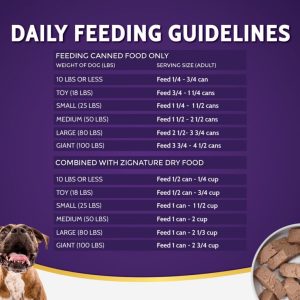
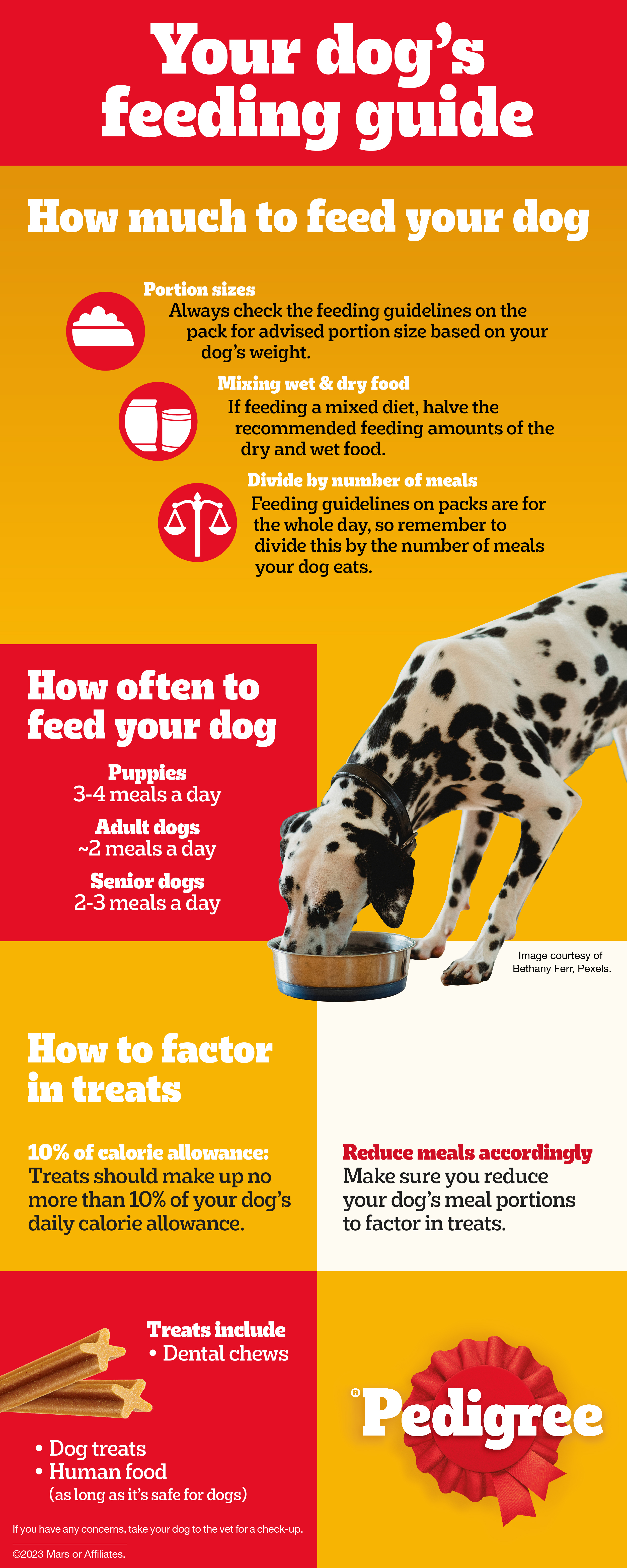
There is no single portion that suits every senior dog. A feeding guide on the package is a starting point, not a prescription. Those guides often use broad weight ranges and may not account for age, activity, breed, body condition, or disease.
A veterinarian can estimate your dog’s calorie needs using body weight and activity. A common starting formula is:
Calculate resting energy requirement:
RER = 70 × body weight in kilograms raised to the 0.75 powerApply a life-stage and activity factor to estimate daily needs.
These formulas are useful, but they are not exact. Two dogs of the same weight may need very different amounts. A calm senior Basset Hound and an active senior Border Collie will not have the same calorie needs.
Check the food label for calories per cup, can, or pouch. Measuring by volume is better than guessing, but a kitchen scale is often more accurate, especially for small dogs.
Make changes slowly:
- Weigh your dog or record their current body condition.
- Measure the current food and treats for one week.
- Adjust the daily calories by about 5% to 10% if your veterinarian agrees.
- Recheck weight and body shape after two to four weeks.
- Keep adjusting in small steps if needed.
Do older dogs need more food after a change in activity? Sometimes. A senior dog that becomes more active may need extra calories, but the amount should still be based on weight and body condition.
Should senior dogs eat senior dog food?
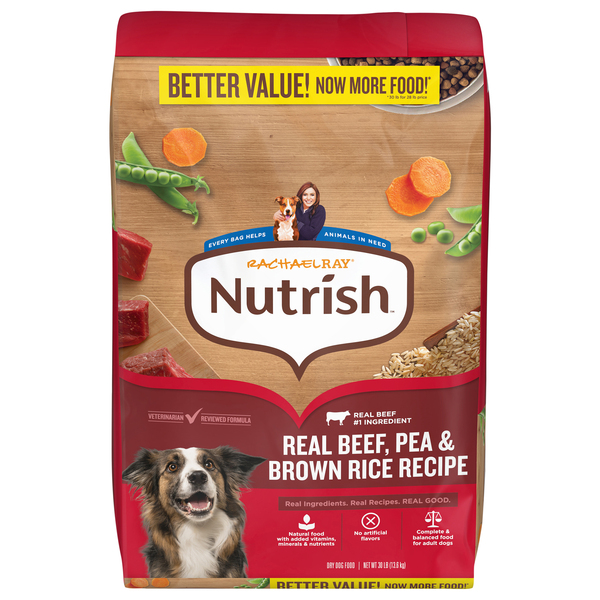
Senior dog food can be helpful, but it is not automatically better for every older dog. There is no single legal definition of “senior” food that makes all products alike. Recipes can vary widely in calories, protein, fat, fiber, and supplements.
A suitable senior diet may offer:
• Moderate calorie levels for less active dogs
• High-quality, digestible protein
• Helpful fiber for bowel health
• Omega-3 fatty acids for skin, coat, and joint support
• Antioxidant nutrients
• Smaller or softer pieces for dogs with dental trouble
• Controlled minerals for dogs with certain medical needs
Some senior foods contain fewer calories. Others are designed for older dogs that are thin or highly active and may contain more calories. Always read the calorie statement rather than relying only on the word “senior” on the package.
If your dog has kidney disease, diabetes, heart disease, food allergies, or another chronic condition, a therapeutic diet may be more suitable than a general senior formula.

What to feed an older dog that is losing weight
If your senior dog is thin, begin with a veterinary checkup. The right solution may be treatment, not simply a larger bowl of food.
Once illness has been ruled out or treated, your vet may suggest:
• A more calorie-dense diet
• A highly digestible food
• Several small meals each day
• Wet food mixed with dry food
• Warm water added to kibble
• A low-sodium or prescription diet when needed
• A gradual increase in calories
Small meals can help dogs with poor appetite, nausea, or tired jaws. Warming food slightly can also make its smell stronger, which may encourage eating. Avoid adding fatty table scraps, as rich foods can cause stomach upset or pancreatitis.
If dental pain is present, changing to softer food may help temporarily, but dental care is still important. Pain can prevent a dog from eating enough and may affect overall health.
How to help an overweight senior dog safely
Extra weight places stress on aging joints. Even modest weight loss can improve comfort and movement, but crash diets are not safe.
Work with your veterinarian to create a plan that protects muscle. The plan may include:
• Measuring every meal
• Limiting high-calorie treats
• Using puzzle feeders for mental exercise
• Adding short, gentle walks
• Choosing low-impact activities such as swimming
• Monitoring weight every two to four weeks
• Adjusting calories as weight changes
Do older dogs need more food when they exercise? They may need a small calorie increase if activity rises, but do not reward every walk with a large treat. A few pieces of the regular meal can work better.
Stop or reduce exercise if your dog limps, pants heavily, seems painful, or takes much longer to recover. Senior exercise should build strength without causing a flare-up.
Feeding mistakes to avoid with older dogs
Many feeding problems come from good intentions. Owners see a thin dog and add food, or they see a hungry dog and keep filling the bowl. Both choices can miss the real cause.
Avoid these common mistakes:
• Increasing food without checking for illness
• Changing diets suddenly
• Trusting package portions without checking body condition
• Counting only meals and forgetting treats
• Assuming every senior dog needs a low-protein diet
• Free-feeding a dog that gains weight easily
• Using supplements without veterinary advice
• Ignoring dental pain
• Making frequent food changes because of short-term appetite shifts
One lesson that stands out in feeding older dogs is the value of small, measured changes. A large increase can cause diarrhea or unwanted weight gain. A slow plan gives you time to see what helps.
Keep a simple food log. Write down meals, treats, supplements, weight, stool quality, and activity. This record can help you and your veterinarian spot patterns that are easy to miss day by day.
When to call the veterinarian
Contact your veterinarian promptly if your older dog has a sudden appetite change, unexplained weight loss, repeated vomiting, ongoing diarrhea, or marked thirst.
Seek urgent care if your dog:
• Stops eating for a full day, especially if they have another illness
• Cannot keep water down
• Has trouble breathing
• Becomes very weak or collapses
• Has a swollen or painful belly
• Shows pale gums
• Develops sudden confusion or severe pain
Older dogs can hide illness well. A small change in eating may be the first visible clue. Regular wellness exams, often every six months for senior dogs, can help find problems sooner.
Frequently Asked Questions About Do Older Dogs Need More Food
Do older dogs need more food than younger dogs?
Most older dogs do not need more food because they are usually less active and burn fewer calories. Some need more if they lose weight, remain highly active, or have a medical condition that changes metabolism or nutrient absorption.
How do I know if my senior dog is getting enough food?
Check your dog’s weight, muscle tone, ribs, waist, energy, and stool quality. Your veterinarian can assess body condition and help set a daily calorie target.
Should I increase food if my old dog is always hungry?
Not automatically. Increased hunger can come from habit, boredom, diabetes, medication, or another health problem, so unexplained hunger with weight loss needs a veterinary check.
Is wet food better for older dogs?
Wet food can help dogs with dental pain, low appetite, or a need for extra moisture, but it is not always nutritionally better. Compare calories, nutrients, and your dog’s health needs before switching.
Can older dogs eat puppy food to gain weight?
Puppy food is calorie-rich, but it may not suit an older dog’s health needs. Use it only if your veterinarian specifically recommends it, since some senior dogs need controlled fat, phosphorus, or other nutrients.
How often should I feed my senior dog?
Many older dogs do well with two meals daily. Three or four smaller meals may help dogs with poor appetite, digestive issues, or difficulty eating a full portion at once.
Conclusion
So, do older dogs need more food? Most do not. Their calorie needs often stay the same or decrease, while some senior dogs need extra calories because of weight loss, activity, poor digestion, or disease.
Measure meals, count treats, watch body condition, and make changes slowly. If your dog loses weight, becomes unusually hungry, or develops digestive symptoms, ask your veterinarian before adding food. A simple food log and regular weight checks can help you keep your aging companion healthy, comfortable, and active for more years.