The best dog food for pitbulls is complete, balanced, protein-rich food matched to their age, size, health, and activity.
Choosing what dog food is good for pitbulls takes more than picking a bag with a muscular dog on the label. Pitbull-type dogs can be active, strong, and prone to skin sensitivities, weight gain, or food allergies. This guide explains how to choose safe, nutritious food using veterinary nutrition principles, label checks, and practical feeding tips.
What dog food is good for pitbulls?
The best food for a pitbull is a complete and balanced diet made for the dog’s life stage. Look for quality animal protein, healthy fats, digestible carbohydrates, essential vitamins, and minerals. The food should also meet nutritional standards set by the Association of American Feed Control Officials, often called AAFCO.
There is no single best brand for every pitbull. A young puppy needs different nutrients from a senior dog. A working pitbull may need more calories than a calm adult. A dog with itchy skin may need a different diet than one with no health concerns.
When deciding what dog food is good for pitbulls, start with these features:
• Named animal protein, such as chicken, beef, turkey, salmon, or lamb, near the top of the ingredient list
• Enough protein to support lean muscle
• Moderate fat for energy and healthy skin
• Omega-3 fatty acids from fish oil or similar sources
• A proper calcium and phosphorus balance, especially for puppies
• Fiber from digestible sources
• AAFCO nutritional adequacy wording for the correct life stage
• Calorie levels that match your dog’s age, size, and activity
A strong ingredient list matters, but it is not the only factor. The feeding trial statement, calorie content, quality control, and reputation of the manufacturer also deserve attention. Ingredient lists can look impressive while still hiding poor formulation or weak testing.
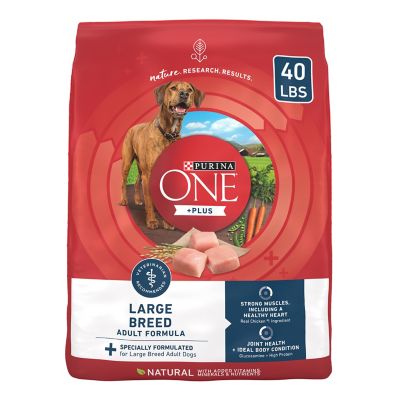
Nutritional needs of pitbull-type dogs
Pitbull-type dogs are not one official breed. The term may include American Pit Bull Terriers, American Staffordshire Terriers, Staffordshire Bull Terriers, and mixed-breed dogs with similar body types. Their needs vary based on genetics, body size, activity, age, and health.
Most healthy adult pitbulls need a diet that supports lean muscle without adding excess fat. Protein helps maintain muscle tissue, while fat provides concentrated energy. Carbohydrates can also provide useful energy and fiber when the dog digests them well.
A useful diet should provide:
• Protein for muscles, organs, skin, and immune function
• Fat for energy, skin health, and coat condition
• Carbohydrates for energy and fiber
• Calcium and phosphorus for bones and teeth
• Zinc and other minerals for skin and immune health
• Vitamins for normal body function
Many pitbulls are energetic, but activity levels differ greatly. A dog that runs, hikes, or trains each day may need more food than a dog that takes short walks. Feeding too much can lead to obesity, which places extra stress on the joints and heart.
For puppies, controlled growth is especially important. Rapid weight gain can put strain on developing bones. Choose food labeled for growth, or for all life stages, and ask your veterinarian if a large-breed puppy formula is suitable for your dog’s expected adult size.

How to read a dog food label
The label can help you compare foods without relying on marketing claims. First, check the nutritional adequacy statement. It should say that the food is complete and balanced for growth, adult maintenance, or all life stages.
Next, check the calorie content. Two foods may look similar but provide very different calories per cup. This can explain why one food causes weight gain while another keeps your dog fit.
Look for these details:
• The life stage covered by the food
• Calories per cup or can
• Protein and fat levels
• Feeding instructions
• Manufacturer contact information
• Lot or batch details
• Clear ingredient names
Terms such as “premium,” “natural,” and “holistic” may sound useful, but they do not prove that a food is nutritionally superior. “Meat-flavored” also does not mean that meat is a major ingredient.
By-products are not automatically harmful. Organ meats can provide valuable nutrients. A food with chicken by-product meal may still be safe and nutritious if it is properly formulated and produced by a reliable company.
When comparing what dog food is good for pitbulls, judge the complete product rather than one ingredient. Nutrition works like a team sport. Protein, fat, minerals, vitamins, and calories must all work together.
Best types of dog food for pitbulls
Different food types can work well. The best choice depends on your dog’s health, preferences, budget, and your ability to store and serve the food safely.
Dry dog food
Dry kibble is affordable, easy to measure, and simple to store. It can also help reduce plaque on the teeth when the dog chews it, although kibble does not replace brushing or professional dental care.
Choose a kibble with a suitable calorie level and a protein source your dog tolerates. Measure each meal with a standard cup or kitchen scale instead of filling the bowl by guesswork.
Wet dog food
Canned food contains more water than kibble. This can help dogs that drink little or need extra moisture in their diet. Wet food is often appealing to picky eaters, but it usually costs more per calorie.
Once opened, refrigerate canned food and use it within the time stated on the label. Do not leave wet food in the bowl for long periods, especially in warm weather.
Fresh or gently cooked food
Fresh food may be useful for owners who want a different feeding format. However, it must still be complete and balanced. A home-prepared diet created without a veterinary nutrition expert can lack calcium, iodine, zinc, or other key nutrients.
Ask for the nutrient analysis and feeding instructions. A food that looks fresh is not automatically a complete diet.
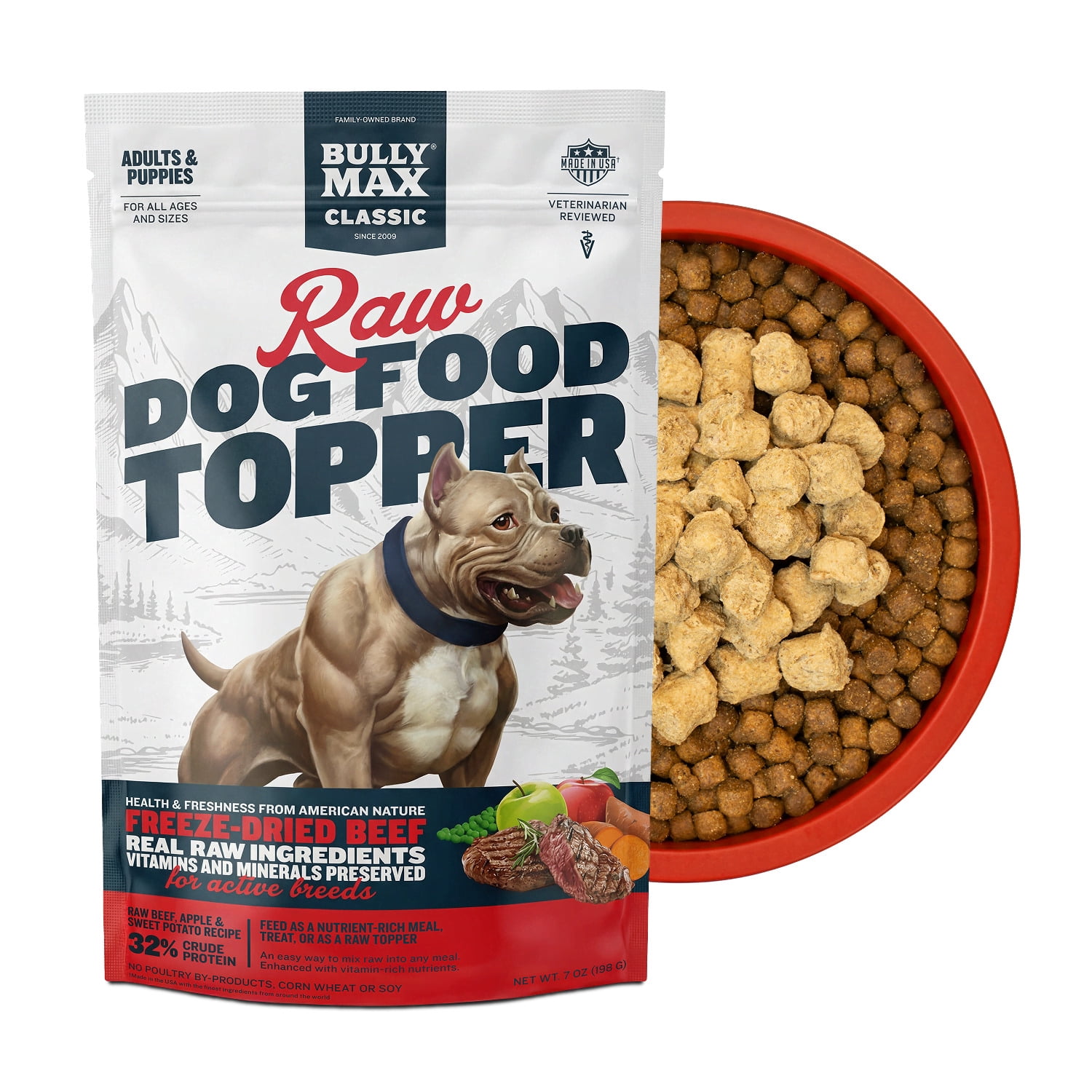
Freeze-dried food
Freeze-dried food is light and convenient. Some owners use it as a full diet, while others use it as a topper. If it is used as a main food, confirm that it meets complete and balanced standards.
Follow rehydration instructions when provided. Wash your hands and bowls after handling the food.
Raw diets
Raw diets carry risks from bacteria, nutritional imbalance, and bones. Dogs can become sick, and people in the home may be exposed to harmful germs. This is especially important when children, older adults, pregnant people, or anyone with a weak immune system lives in the home.
If you are considering raw feeding, speak with a veterinarian who understands nutrition and food safety first. Raw food should not be treated as automatically healthier.
What dog food is good for pitbull puppies?
The best puppy food for a pitbull is complete and balanced for growth. Puppies need enough energy, protein, calcium, phosphorus, and other nutrients to build strong bodies. Adult dog food may not meet these needs.
Feed puppies several small meals each day. Follow the package guide, but treat it as a starting point. Adjust the amount based on body condition, growth, stool quality, and veterinary advice.
Healthy puppy growth should be steady, not rushed. You should be able to feel the ribs under a thin layer of fat, but the ribs should not be sharply visible. A rounded belly, weak body shape, or fast weight gain may signal that the feeding plan needs review.
Helpful puppy-feeding tips include:
• Use a puppy formula until your veterinarian says your dog is ready for adult food
• Avoid calcium supplements unless prescribed
• Divide daily food into three or four meals for young puppies
• Keep treats below about 10% of daily calories
• Weigh your puppy often during rapid growth
• Change foods slowly over seven to ten days
Large, fast-growing puppies may require special guidance. Ask your veterinarian whether a large-breed puppy formula is appropriate based on expected adult weight.
What dog food is good for pitbulls with allergies?
Food allergies are less common than many owners think. Environmental allergies, fleas, skin infections, and contact irritation can also cause itching. Common signs include repeated ear infections, paw licking, red skin, vomiting, or loose stool.
When food allergy is suspected, a veterinarian may recommend a strict elimination diet. This usually uses a novel protein or hydrolyzed protein for a set period. The dog must eat only the prescribed diet during the trial.
Do not switch proteins every few days. That makes it hard to identify the cause. Treats, table scraps, flavored medicines, and dental chews can also ruin an elimination trial.
Some pitbulls do well with diets that contain:
• Salmon or another fish protein
• Hydrolyzed protein
• Limited ingredients, when properly balanced
• Added omega-3 fatty acids
• Highly digestible protein and carbohydrate sources
Grain-free food is not a proven solution for most allergies. Dogs can react to animal proteins, but they can also react to other ingredients. Removing grains without a medical reason may reduce dietary variety and is not a reliable allergy treatment.
How much should a pitbull eat?
The correct amount depends on body weight, age, activity, metabolism, and calorie density. Feeding charts on food bags can be helpful, but they are not perfect. Two dogs of the same weight may need different amounts.
Start with the package recommendation. Divide the daily amount into meals, then watch your dog’s body condition for two to four weeks.
Signs of a healthy body condition include:
• Ribs that are easy to feel but not sharply visible
• A visible waist when viewed from above
• An abdominal tuck when viewed from the side
• Normal energy and stool quality
Reduce food slightly if your dog gains fat. Increase it carefully if your dog is losing weight without a medical reason. Sudden weight change deserves a veterinary check.
Treats count as calories. Small pieces of cooked lean meat, carrots, or commercial treats can fit into a balanced plan. Avoid fatty scraps, cooked bones, chocolate, grapes, raisins, onions, garlic, and foods containing xylitol.
One practical mistake I often see is free-feeding. Leaving food out all day makes it hard to track calories and can encourage weight gain. Measured meals give you a clearer picture of what your dog actually eats.
How to change your pitbull’s food safely
A sudden food change can cause gas, diarrhea, or vomiting. Switch foods slowly unless your veterinarian tells you to change at once for a medical reason.
Use this simple plan:
Feed 75% old food and 25% new food for two to three days.
Feed 50% old food and 50% new food for two to three days.
Feed 25% old food and 75% new food for two to three days.
Serve 100% new food if your dog’s stool and appetite remain normal.
Some dogs need a longer transition. If diarrhea continues, your dog vomits, refuses food, or seems weak, stop the change and contact your veterinarian.
Keep a short food diary during the transition. Record the food, amount, treats, stool quality, itching, and energy. This simple habit can reveal patterns that are easy to miss.

Ingredients to limit or avoid
Not every ingredient with a complex name is dangerous. Still, some foods and feeding habits create clear risks.
Avoid giving your pitbull:
• Chocolate and caffeine
• Grapes and raisins
• Onions, garlic, and chives
• Xylitol, also called birch sugar
• Alcohol
• Cooked bones
• Very fatty foods
• Raw dough
• Spoiled food
Be careful with high-calorie toppers. Cheese, bacon, sausage, gravy, and peanut butter can add many calories in a small amount. Peanut butter must never contain xylitol.
Artificial preservatives are often blamed for health problems, but safety depends on the ingredient and its amount. Instead of judging a food by one preservative, focus on complete nutrition, manufacturing standards, feeding trials, and your dog’s response.
If your dog eats a toxic food, contact a veterinarian or a pet poison service right away. Do not wait for symptoms to appear.
Supplements for pitbulls
Most healthy dogs eating a complete and balanced food do not need many supplements. Adding several products can create nutrient excesses or interact with medication.
Joint supplements may help some dogs with arthritis, but results vary. Fish oil can support skin and joint health, yet the dose and product quality matter. Too much can cause digestive upset or affect blood clotting.
Speak with your veterinarian before giving:
• Calcium supplements
• Vitamin D
• Herbal products
• High-dose fish oil
• Joint supplements
• Probiotics for chronic digestive problems
Supplements should solve a specific need, not compensate for a poor base diet. A balanced food is the foundation. Supplements are more like tools for a particular job.
How to choose a trustworthy dog food brand
A responsible company should provide clear information about its nutrition team, quality control, ingredient sourcing, and product testing. It should also answer questions from pet owners and veterinary professionals.
Consider these points:
• Does the food meet AAFCO nutrient profiles or pass feeding trials?
• Does the company employ qualified animal nutrition experts?
• Does it test ingredients and finished products?
• Does it monitor for contamination?
• Are calorie and feeding details easy to find?
• Can the company provide a complete nutrient analysis?
Marketing claims alone are not enough. Veterinary organizations often recommend looking beyond the front of the package. A careful company should be transparent about how it makes and tests its food.
If your dog has kidney disease, pancreatitis, diabetes, severe allergies, or another medical issue, choose food with veterinary guidance. Prescription diets are designed for specific health needs and should not be replaced casually.
Common mistakes when feeding pitbulls
Even a high-quality food can cause problems when it is fed in the wrong way. The most common issue is giving too many calories through meals, treats, chews, and table food.
Other mistakes include:
• Changing food too quickly
• Using adult food for growing puppies
• Adding supplements without veterinary advice
• Ignoring body condition
• Feeding based only on the front label
• Giving cooked bones
• Assuming grain-free food is always better
• Measuring food with an oversized cup
• Ignoring chronic itching or diarrhea
My practical rule is simple: change one thing at a time. If you change food, treats, supplements, and shampoo at once, you may never know what helped or caused the problem.
Frequently Asked Questions About What Dog Food Is Good for Pitbulls
What dog food is good for pitbulls with sensitive stomachs?
Choose a complete and balanced food with highly digestible ingredients and a protein your dog tolerates. Introduce it slowly, and see a veterinarian if vomiting, diarrhea, or weight loss continues.
Is grain-free food good for pitbulls?
Grain-free food is not needed for most pitbulls. Grains can provide useful nutrients, and food allergies should be diagnosed rather than assumed.
Can pitbulls eat chicken-based dog food?
Yes, many pitbulls eat chicken-based food safely. However, a dog with a confirmed chicken allergy may need a different protein or a veterinary hydrolyzed diet.
How much protein does a pitbull need?
The correct amount depends on age, health, activity, and the food’s complete nutrient profile. A complete commercial diet with an appropriate protein level is usually better than choosing food based on the highest protein number alone.
Should pitbull puppies eat large-breed puppy food?
Some pitbull puppies may benefit from large-breed puppy food, but the right choice depends on expected adult size and growth rate. Ask your veterinarian before selecting a growth formula.
Are raw diets safe for pitbulls?
Raw diets can carry bacterial and nutritional risks. If you are considering one, consult a veterinary nutrition professional and follow strict food-safety practices.
What dog food is good for pitbulls with itchy skin?
A veterinarian may recommend a novel-protein or hydrolyzed-protein diet after checking for fleas, infections, and environmental allergies. Fish-based food may help some dogs, but it is not a guaranteed allergy treatment.
How often should I feed my pitbull?
Most adult pitbulls do well with two measured meals each day. Puppies usually need three or more smaller meals, depending on age and veterinary advice.
Conclusion
The best answer to what dog food is good for pitbulls is a complete and balanced diet that fits your dog’s age, activity, body condition, and health needs. Choose a trusted food with suitable protein, fat, calories, and nutrients. Measure meals, limit treats, make changes slowly, and watch your dog’s weight, coat, stool, and energy.
Your pitbull does not need the most expensive food or the trendiest ingredients. Your dog needs steady nutrition, safe feeding habits, and regular health checks. Compare labels carefully, discuss special diets with your veterinarian, and share your feeding experience or questions in the comments.