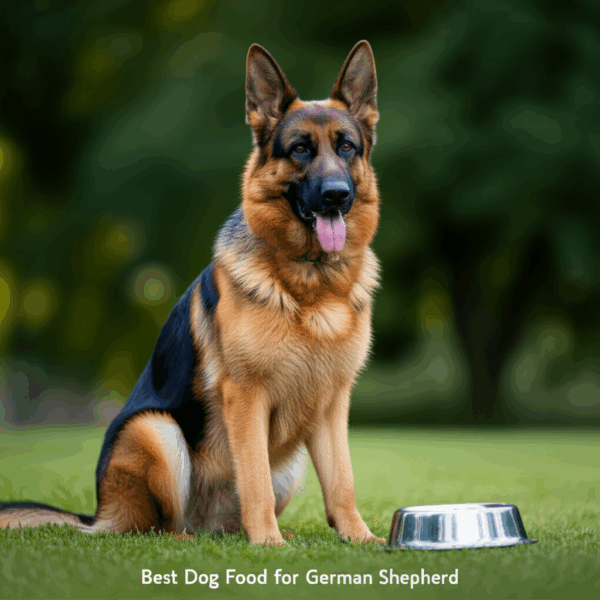
The best dog food for German shepherds is complete, balanced, protein-rich, and matched to life stage.
Choosing what dog food is good for German Shepherds takes more than picking a popular bag from the store shelf. This active, large breed needs the right balance of protein, fat, calories, minerals, and fiber to support strong muscles, healthy joints, steady growth, and a calm digestive system. This guide explains how to compare foods, avoid common mistakes, and build a feeding plan that fits your dog.
What dog food is good for German Shepherds?
What dog food is good for German Shepherds? Start with a complete and balanced recipe made for your dog’s life stage. Puppies need large-breed puppy food, adults need food that supports lean muscle, and seniors often need fewer calories with strong joint support.
Look for a food that meets the nutritional standards set by the Association of American Feed Control Officials, often called AAFCO. The label should state that the food is complete and balanced for growth, adult maintenance, or all life stages.
A good German Shepherd food usually includes:
• Named animal protein, such as chicken, turkey, beef, fish, lamb, or egg
• Moderate to high protein to help maintain muscle
• Healthy animal or plant fats for energy and skin health
• Omega-3 fatty acids from fish oil or other safe sources
• Digestible carbohydrates, such as rice, oats, barley, or potatoes
• Fiber to support regular stools
• Controlled calcium and phosphorus, especially for puppies
No single ingredient makes a food perfect. The full nutrient profile matters more than marketing words such as “natural,” “ancestral,” or “premium.”
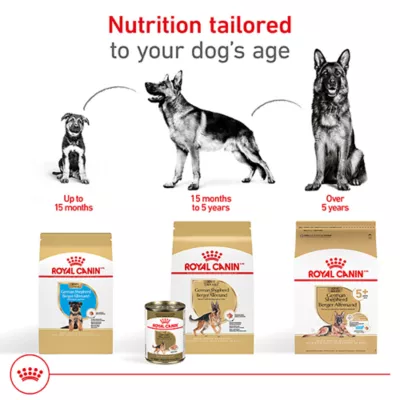
German Shepherd nutritional needs
German Shepherds are athletic dogs with strong work instincts. They may run, train, hike, guard the home, or spend much of the day resting. Their food must match their activity level, age, body size, and health needs.
Protein helps maintain muscle, skin, organs, and immune function. Most healthy adult German Shepherds do well with a food that provides a solid amount of high-quality protein, but more protein is not always better. A very high-protein diet can still cause weight gain if it also contains too many calories.
Fat is a concentrated energy source. Active dogs may need more fat than calm house dogs. However, too much fat can cause weight gain or loose stools. A balanced food should provide energy without making it hard to maintain a healthy body condition.
German Shepherds can be prone to digestive upset. Some may have food allergies, sensitive stomachs, or reactions to sudden diet changes. A recipe with clear ingredients and moderate fiber may be easier to manage than a rich food with many unfamiliar ingredients.
Nutrients that matter most
• Protein supports lean tissue and recovery after exercise.
• Omega-3 fats support skin, coat, joints, and normal inflammatory balance.
• Calcium and phosphorus support bones, but the ratio and amount must be suitable for large-breed puppies.
• Glucosamine and chondroitin may support joint comfort, although they are not cures for hip or elbow disease.
• Fiber helps stool quality and may support healthy gut bacteria.
• Vitamins and minerals support the immune system, nerves, blood, and metabolism.
Best food for German Shepherd puppies
German Shepherd puppies grow quickly, but fast growth is not the goal. Controlled growth helps reduce unnecessary stress on developing bones and joints. For this reason, choose a food labeled for large-breed puppy growth rather than regular puppy food.
Large-breed puppy food usually controls calorie density, calcium, and phosphorus more carefully. This helps the puppy grow at a steady rate. Feeding extra supplements can be risky, especially calcium supplements, unless a veterinarian recommends them.
A German Shepherd puppy may need three meals each day when young. As the puppy matures, many owners move to two meals daily. Use the feeding chart as a starting point, then adjust based on body condition, growth, stool quality, and advice from your veterinarian.
Signs that a puppy may be growing too fast include:
• Rapid weight gain
• Excess body fat
• Difficulty feeling the ribs
• Limping or reluctance to move
• Frequent soft stools
• A diet that provides too many calories per cup
Avoid feeding adult maintenance food to a young German Shepherd unless your veterinarian specifically advises it. Puppies have different nutrient needs during growth.
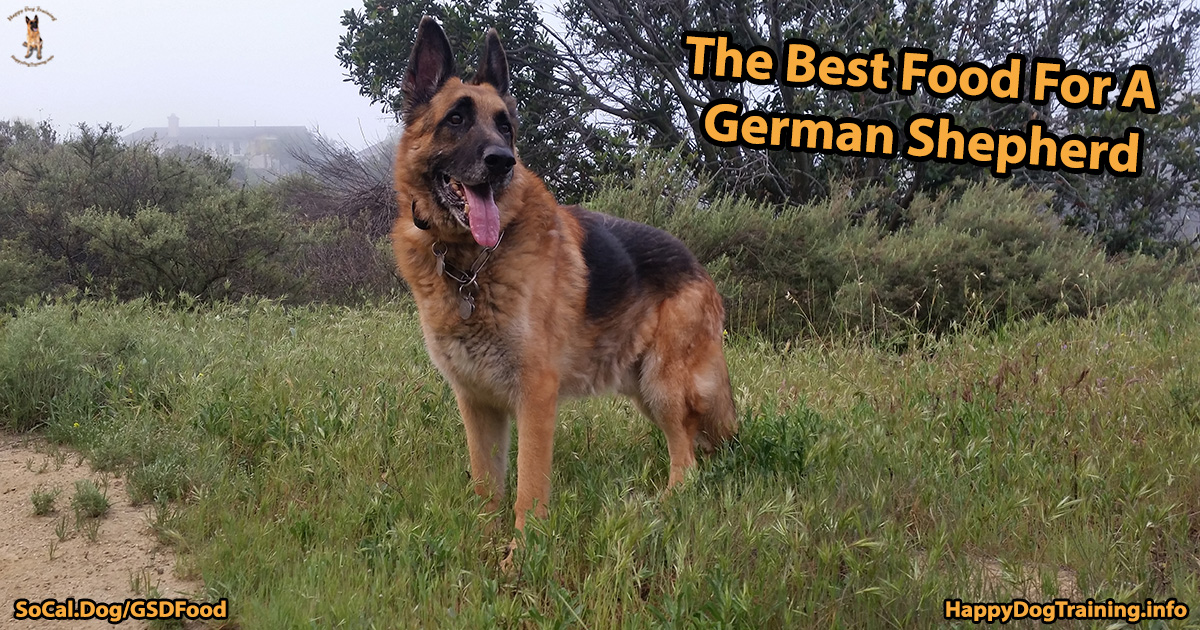
Best adult dog food for German Shepherds
For most adult German Shepherds, the best food supports lean muscle without excess calories. Look for an adult maintenance recipe from a company that uses quality control, clear feeding instructions, and feeding trials or strong nutrient research.
An adult German Shepherd may do well on chicken and rice, lamb and rice, fish-based, or other complete recipes. The best choice depends on your dog’s stool quality, skin, energy, body condition, and personal tolerance.
Many adult German Shepherds benefit from food with:
• Moderate calories
• Reliable animal protein
• Digestible carbohydrates
• Omega-3 fatty acids
• Moderate fiber
• Joint-support nutrients
• No unnecessary vitamin or mineral megadoses
A working German Shepherd may need more calories than a pet that takes two short walks daily. Do not simply add large amounts of food. Increase portions slowly and monitor the waist, ribs, energy, and stool.
A healthy adult should have ribs that are easy to feel but not sharply visible. From above, you should see a waist. From the side, the abdomen should tuck upward behind the rib cage.

Wet food, dry food, or a combination?
Dry kibble is convenient, easy to measure, and often less expensive per serving. It can also help some dogs feel satisfied because it takes longer to eat. Still, kibble alone does not replace tooth brushing or professional dental care.
Wet food contains more water and may appeal to picky dogs. It can be useful for dogs with low thirst, dental pain, or a reduced appetite. The main drawback is that wet food often costs more and spoils faster after opening.
A combination of wet and dry food can work well. Reduce the amount of kibble when adding canned food so the total daily calories remain appropriate.
When comparing foods, check the calorie statement. A cup of one kibble may contain far more calories than a cup of another. Measuring by calories, rather than volume alone, gives you better control over weight.

Ingredients to look for and ingredients to question
A short ingredient list is not automatically better. A long list is not automatically bad. Ingredients should be judged in the context of the complete nutrient profile and your dog’s response.
Useful ingredients may include:
• Named meat or fish
• Egg
• Fish oil
• Rice, oats, barley, or other digestible grains
• Beet pulp or other safe fiber sources
• Carrots, pumpkin, or other foods that add fiber
• Vitamin and mineral supplements in suitable amounts
Ingredients are not necessarily harmful simply because they sound unfamiliar. For example, some by-products can provide useful nutrients. What matters is the quality control, safety, digestibility, and nutritional balance of the finished food.
Be cautious with:
• Foods that make dramatic health promises
• Unbalanced homemade diets
• Very rich foods that cause diarrhea
• Unnecessary supplements
• Products without clear feeding directions
• Foods that do not state nutritional adequacy
• Diets promoted as cures for hip disease, allergies, or digestive illness
Grain-free food is not automatically healthier. Some dogs need a grain-free diet because of a specific medical issue, but many dogs digest grains well. If you are considering a grain-free diet, discuss it with your veterinarian first.
How much food should a German Shepherd eat?
The correct amount depends on body weight, age, activity, metabolism, and calorie density. Feeding charts are helpful, but they are not exact prescriptions. Two dogs of the same weight may need different portions.
Start with the food label’s recommended amount. Then check your dog every two to four weeks. Reduce food if your dog gains excess fat. Increase it slightly if your dog is underweight and your veterinarian agrees.
Use a measuring cup or kitchen scale. Free-pouring food can add hundreds of extra calories over time. Treats, table scraps, dental chews, and training rewards also count toward the daily total.
A useful feeding routine includes:
Divide the daily food into two or more meals.
Measure each meal before serving.
Keep treats below about 10 percent of daily calories.
Provide fresh water at all times.
Track weight and body condition.
Adjust portions slowly.
German Shepherds can be at risk for gastric dilatation-volvulus, often called bloat. No feeding plan can remove the risk, but smaller meals, slower eating, and avoiding intense exercise around meals may be sensible precautions. Ask your veterinarian about your dog’s personal risk.
Food for German Shepherds with sensitive stomachs
A sensitive stomach may cause soft stools, gas, vomiting, or poor appetite. These signs can come from many causes, including parasites, infection, stress, eating trash, rapid food changes, or an ingredient reaction.
If your dog has repeated symptoms, see a veterinarian instead of trying many foods at random. Chronic diarrhea and weight loss need medical attention.
For a healthy dog with mild food sensitivity, your veterinarian may suggest:
• A simple recipe with fewer ingredients
• A highly digestible diet
• A novel protein
• A hydrolyzed protein diet
• A veterinary gastrointestinal diet
• A slow food transition
Change foods over seven to ten days. Begin with mostly the old food and a small amount of the new food. Increase the new food gradually. Some dogs need an even slower change.
Do not assume chicken, beef, corn, wheat, or soy is the cause of a problem without proper testing. Food allergies are less common than many advertisements suggest. A controlled elimination diet, guided by a veterinarian, is the most reliable way to investigate a suspected food allergy.
Homemade and raw diets: benefits and limits
Some owners choose homemade meals because they want control over every ingredient. A carefully designed homemade diet can work, but it must be balanced for protein, fat, vitamins, minerals, and essential fatty acids.
A recipe made from meat, rice, and vegetables alone is usually incomplete. It may lack calcium, iodine, zinc, copper, vitamin D, or other vital nutrients. Large-breed puppies are especially vulnerable to mistakes in calcium and calorie intake.
Raw diets also have limits. Raw meat can carry bacteria such as Salmonella, Campylobacter, or certain strains of E. coli. Bones may cause broken teeth, choking, constipation, or intestinal injury. Raw feeding can also expose people in the home to pathogens.
If you prefer homemade or raw feeding, work with a board-certified veterinary nutritionist or a veterinarian trained in nutrition. Keep children, older adults, pregnant people, and immunocompromised family members in mind when assessing food safety.
The lesson is simple: homemade does not always mean healthier, and natural does not always mean safe.
Common mistakes German Shepherd owners make
Over the years, one of the most common feeding mistakes I have seen is changing food too fast. A new food may be excellent, but a sudden switch can still cause loose stools. A slow transition often prevents this avoidable problem.
Another mistake is choosing food based only on the ingredient list. The first few ingredients matter, but they do not show the full nutrient balance. Feeding trials, quality control, calorie information, and nutritional adequacy also deserve attention.
Watch for these common errors:
• Feeding too much because the dog looks hungry
• Giving frequent table scraps
• Adding calcium without veterinary advice
• Changing diets every few days
• Ignoring body condition
• Buying food because of a colorful package
• Using supplements to replace a balanced diet
• Allowing fast eating and vigorous exercise after meals
Your German Shepherd does not need the most expensive food. It needs a safe, complete diet that suits its body and fits your routine.
How to choose a trustworthy dog food brand
A trustworthy company should provide clear contact details and answer questions about its recipes. It should explain who formulates the food and how it checks ingredients and finished products.
Look for:
• A complete and balanced nutritional statement
• A clear life-stage designation
• Calorie information
• Feeding instructions
• Batch or lot information
• Quality-control details
• A way to contact the manufacturer
Veterinary nutrition experts often recommend focusing on the company’s scientific and quality systems rather than judging food by marketing claims. A product can use attractive ingredients and still be poorly balanced. Conversely, a less glamorous ingredient list can support excellent nutrition.
Regulatory standards provide a useful baseline, but they do not guarantee that every food suits every dog. Your German Shepherd’s health, stool, energy, coat, and body condition remain important clues.
A practical feeding plan
A simple plan can make the answer to what dog food is good for German Shepherds easier to apply at home.
Choose a complete and balanced food for the correct life stage.
Select a large-breed puppy formula for growing puppies.
Record your dog’s current weight and body condition.
Start with the label’s daily feeding guide.
Divide food into two or more meals.
Measure meals with a cup or kitchen scale.
Keep treats small and limited.
Introduce a new food over seven to ten days.
Check stools, appetite, energy, coat, and weight.
Speak with your veterinarian about persistent problems.
For example, an adult German Shepherd that gains weight on the label amount may need fewer calories. A highly active dog that loses weight may need more food or a higher-calorie recipe. Adjust slowly and assess the full picture.
Frequently Asked Questions
What dog food is good for German Shepherd puppies?
A large-breed puppy food labeled complete and balanced for growth is usually the best choice. It should provide controlled calories and carefully balanced calcium and phosphorus.
Is grain-free food good for German Shepherds?
Grain-free food is not automatically better for German Shepherds. Many dogs digest grains well, so use a grain-free diet only when there is a clear veterinary reason or a carefully discussed feeding plan.
Can German Shepherds eat chicken and rice?
Many German Shepherds can eat chicken and rice, but the meal is not complete for long-term feeding unless it is properly balanced. Use a complete commercial recipe or a veterinary nutritionist’s formula for regular meals.
How many times a day should a German Shepherd eat?
Most adult German Shepherds do well with two measured meals each day. Puppies may need three meals, while dogs with certain medical needs may require a different schedule from their veterinarian.
Are raw diets safe for German Shepherds?
Raw diets can expose dogs and people to harmful bacteria, and bones may cause injury. If you are considering raw feeding, discuss the risks and nutritional balance with a veterinarian first.
Should German Shepherds take joint supplements?
Some joint supplements may support comfort, but they do not prevent or cure every joint problem. Ask your veterinarian before using one, especially if your dog takes other medicines.
What dog food is good for German Shepherds with allergies?
A veterinarian may recommend a novel-protein or hydrolyzed-protein diet for a suspected food allergy. Randomly switching among many foods can make the problem harder to identify.
Conclusion
The best answer to what dog food is good for German Shepherds is a complete, balanced diet that matches your dog’s age, activity, body condition, and health. Choose large-breed puppy food for growing dogs, measure adult portions carefully, and look for sound nutrition rather than flashy claims.
Introduce changes slowly, watch your dog’s weight and stool, and involve your veterinarian when symptoms continue. With a thoughtful food choice and a steady feeding routine, you can give your German Shepherd strong support for an active, healthy life. Share your dog’s feeding experience or explore more trusted canine nutrition resources to keep improving your care.