Can Dogs Eat Pears? A Complete Guide For Pet Owners
Many dog owners want to share their favorite foods with their pets. Fruits like pears are sweet, juicy, and healthy for humans—but can dogs eat pears safely? This question needs a clear answer, because even foods that seem harmless can cause problems for pets.
In this guide, we’ll explore everything you need to know before offering pears to your dog. You’ll learn about pear nutrition, health risks, safe serving methods, and how pears fit into a balanced canine diet.
Are Pears Safe For Dogs?
Pears are generally safe for dogs when given in moderation and prepared correctly. Most dogs can eat small amounts of pear without any issues. However, there are some important safety tips every owner must follow:
- Remove all seeds and the core before giving pears to your dog. Seeds contain cyanide, which is toxic.
- Serve pears in small, bite-sized pieces to avoid choking.
- Avoid canned pears or pears with added sugar, syrup, or artificial flavors.
Dogs have sensitive digestive systems. Even safe fruits can cause problems if given in large quantities or with harmful parts. Understanding the risks and benefits will help you decide if pears are right for your dog.
Pear Nutrition: What’s Inside?
Pears are rich in vitamins and minerals. Here’s a look at the nutrients in one medium-sized pear (about 178 grams):
| Nutrient | Amount | Benefit for Dogs |
|---|---|---|
| Calories | 101 kcal | Energy |
| Fiber | 5.5 g | Digestive health |
| Vitamin C | 7.5 mg | Immune support |
| Potassium | 206 mg | Heart health |
| Vitamin K | 8 mcg | Bone health |
| Sugar | 17 g | Quick energy |
These nutrients can be helpful for dogs—but only in small amounts. Dogs get most of their nutrition from their main diet, so pears should be an occasional treat.
Health Benefits Of Pears For Dogs
Pears offer several health benefits to dogs when given responsibly:
- Fiber: Helps keep digestion regular and prevents constipation.
- Vitamin C: Supports the immune system, helping fight illness.
- Potassium: Maintains healthy muscles and nerves.
- Low Fat: Pears are almost fat-free, making them suitable for overweight dogs.
- Antioxidants: Pears contain antioxidants that protect cells from damage.
However, these benefits are modest. Dogs don’t need fruits for their main nutrition, but a small piece of pear can be a healthy snack.
How Pears Compare To Other Fruits
Let’s compare pears to apples and bananas—two popular dog-safe fruits.
| Fruit | Calories (per 100g) | Fiber (g) | Sugar (g) |
|---|---|---|---|
| Pear | 57 | 3.1 | 10 |
| Apple | 52 | 2.4 | 10 |
| Banana | 89 | 2.6 | 12 |
Pears have slightly more fiber than apples and bananas. They’re also lower in calories than bananas, making them a good choice for dogs watching their weight.
Risks And Precautions: What Owners Should Know
Even though pears are safe, they can cause problems if you don’t follow precautions.
Choking Hazard
Pears are firm and slippery. If given in large chunks, they can get stuck in your dog’s throat. Always cut pears into small, manageable pieces.
Cyanide In Pear Seeds
Pear seeds contain amygdalin, which turns into cyanide in the body. Cyanide is poisonous to dogs and humans. Make sure to remove all seeds and the core before serving. Even a small number of seeds can be dangerous.
Sugar And Digestive Upset
Pears are high in natural sugars. Eating too much can cause diarrhea, vomiting, or stomach pain. Dogs with diabetes or sensitive stomachs should avoid pears or only eat tiny amounts.
Allergic Reactions
Some dogs may be allergic to pears. Signs include itching, swelling, or trouble breathing after eating pear. If your dog shows any of these symptoms, stop feeding pears and contact your vet.
Mold And Spoiled Fruit
Never offer pears that are moldy or overripe. Mold can produce toxins that harm your dog’s liver and digestive system.
How To Prepare Pears For Your Dog
Safe preparation is key. Here’s how to serve pears to your dog:
- Wash the pear well to remove pesticides and dirt.
- Peel the skin if your dog has a sensitive stomach (optional; most dogs can eat the skin).
- Remove the core and all seeds. Use a knife or spoon to scoop them out.
- Cut the pear into small, bite-sized chunks.
- Serve fresh. Avoid canned, dried, or cooked pears with added sugar or preservatives.
If it’s your dog’s first time eating pear, start with a tiny piece and watch for any reactions.
Portion Sizes: How Much Pear Is Safe?
Dogs should only eat pears as a treat—not a meal. A good rule is:
- Small dogs: 1–2 small chunks (no more than 1 tablespoon)
- Medium dogs: 2–3 small chunks (up to 2 tablespoons)
- Large dogs: 3–4 small chunks (up to 3 tablespoons)
Too much fruit can cause stomach upset. Pears should make up less than 10% of your dog’s daily calories.
Pears For Puppies And Senior Dogs
Puppies and older dogs have different needs. Pears can be safe for both, but extra care is needed.
- Puppies: Their digestive systems are still developing. Only offer a tiny piece and watch closely. Avoid pears if your puppy has diarrhea or digestive problems.
- Senior dogs: Older dogs may have dental issues. Cut pears into very soft, small pieces to avoid choking. Pears can offer gentle fiber for seniors with constipation.
Always talk to your vet before giving new foods to puppies or older dogs.
Pear Products: Which Are Safe?
There are many pear products in stores, but not all are safe for dogs.
- Canned pears: Usually packed in syrup or sugar. Not recommended.
- Pear juice: High in sugar, low in fiber. Avoid.
- Dried pears: Concentrated sugar. Not safe.
- Pear-flavored treats: Check labels for artificial sweeteners (like xylitol, which is toxic to dogs).
- Fresh pears: The best option—just prepared safely.
Stick to fresh, ripe pears for the safest treat.
Pears As Training Rewards
Some owners use fruit as a training treat. Pears can work well for dogs who love sweet snacks. Just remember:
- Use very small pieces
- Mix with other healthy treats (like carrots or kibble)
- Avoid overfeeding
Pears are not high-value treats for all dogs. Some dogs prefer meat or cheese. Try different options and see what motivates your pet.
Pears And Dog Diets: Where Do They Fit?
Dogs are omnivores, but their main food should be balanced dog food. Pears are not essential but can add variety. Here’s how pears fit into a dog’s diet:
| Food Type | Main Benefit | Amount in Diet |
|---|---|---|
| Dog food (kibble/wet) | Complete nutrition | 90-95% |
| Meat/protein | Muscle and energy | 3-5% |
| Vegetables/fruits | Vitamins, fiber | 1-5% |
Pears fall in the “vegetables/fruits” category. They’re a bonus, not a basic need.
Dogs Who Should Avoid Pears
Some dogs should NOT eat pears:
- Dogs with diabetes: Pears can raise blood sugar.
- Dogs with digestive disorders: Fiber and sugar may cause upset.
- Dogs with food allergies: If your dog has fruit allergies, avoid pears.
- Dogs on strict diets: Follow your vet’s advice.
If your dog has any health condition, check with your vet before giving pears.
Signs Of Pear Toxicity Or Overdose
Most dogs do well with pears, but eating too much can cause problems. Watch for:
- Vomiting or diarrhea
- Stomach pain
- Loss of appetite
- Weakness or lethargy
- Trouble breathing (rare, but can indicate allergy)
If your dog eats pear seeds or core, call your vet immediately. Cyanide poisoning is serious.
Non-obvious Insights For Owners
Many articles miss these points:
- Texture matters: Hard or underripe pears are harder to digest and may cause gas. Choose ripe, soft pears.
- Seasonal changes: Dogs may tolerate pears better in summer when they’re more active and need hydration. In winter, they may need less fruit.
- Breed differences: Some breeds (like Bulldogs or Pugs) are more prone to choking. Always cut pears extra small for these dogs.
These tips can help prevent problems and make pear treats safer.
Pears Vs. Other Dog Treats
How Do Pears Compare To Common Treats?
| Treat Type | Calories (per 10g) | Fiber (g) | Added Sugar? |
|---|---|---|---|
| Pear | 6 | 0.3 | No |
| Commercial dog biscuit | 35 | 0.1 | Yes |
| Chicken | 20 | 0 | No |
| Carrot | 4 | 0.4 | No |
Pears are low in calories and sugar compared to most dog biscuits. They’re also a good alternative for dogs who need a lighter treat.
How To Introduce Pears To Your Dog’s Diet
Start with a small piece. Watch your dog for 24 hours. If there’s no stomach upset or allergic reaction, you can offer pears occasionally.
Tips for a smooth introduction:
- Give pears when your dog is calm and hungry
- Mix with regular food for picky eaters
- Use positive reinforcement (praise or petting)
If your dog refuses pears, don’t force them. Every dog has different tastes.
Homemade Pear Dog Treats
Want to get creative? You can make simple, healthy pear treats at home. Here’s a recipe:
Ingredients:
- 1 ripe pear (peeled, cored, and chopped)
- 1 cup oat flour
- 1 egg
- 1 tablespoon plain yogurt (optional)
Instructions:
- Preheat oven to 350°F (175°C).
- Mash the pear into a puree.
- Mix with oat flour, egg, and yogurt.
- Drop spoonfuls onto a baking sheet.
- Bake for 15–20 minutes, until firm.
Serving size: 1 small treat per 20 pounds of dog weight.
Cooking tips:
- Store treats in the fridge for up to 5 days.
- Avoid salt, sugar, or spices.
Homemade treats let you control ingredients and avoid preservatives.
Pears For Dogs With Special Needs
Some dogs have special dietary needs. Pears can be adjusted for:
- Weight loss: Pears are low-calorie, so they’re a good snack for overweight dogs. Just keep portions small.
- Constipation: The fiber in pears can help dogs who struggle with bowel movements.
- Sensitive stomachs: Peel pears and serve only the soft flesh to reduce digestive issues.
Always talk to your vet before using pears for medical reasons.
Pear Allergies In Dogs
Pear allergy is rare, but possible. Symptoms include:
- Itching around the mouth
- Swelling of face or paws
- Hives or rash
- Difficulty breathing
If your dog reacts to pears, stop feeding them and contact your vet. Some breeds (like Boxers or German Shepherds) are more prone to allergies.
Pears And Dental Health
Pears are soft, so they don’t clean teeth like crunchy foods. However, they don’t stick to teeth or cause cavities. Still, always brush your dog’s teeth regularly and don’t rely on fruit for dental care.
:max_bytes(150000):strip_icc()/can-dogs-eat-pears-860836798-2000-18745734a468499d927aef4749ff8a84.jpg)
Credit: www.dailypaws.com
Pears And Hydration
Pears are about 84% water. Offering a few pieces on hot days can help keep your dog hydrated. However, water is still the best source of hydration.
Pears As A Source Of Enrichment
Dogs get bored with the same foods. Offering pears as a new flavor can add excitement to mealtime. Use pears for puzzle toys or frozen treats in summer. This keeps your dog mentally stimulated.
Pears And Human-dog Bonding
Sharing food is a bonding activity. Giving pears as a treat can help strengthen your relationship with your dog. Just make sure to follow safety tips and keep portions small.
Scientific Studies On Dogs And Pears
There is limited research on pears for dogs. However, studies show that dogs can digest fruits like apples, pears, and bananas in small amounts. One study published in the *Journal of Animal Physiology* found that fruit treats improved gut health in some dogs.
For more scientific information, visit Wikipedia.
Pears And Other Pets
Cats, rabbits, and guinea pigs can eat pears too. However, portion sizes and preparation vary. Never give pears to animals without checking their specific needs.
Real-life Examples
Many dog owners report positive experiences with pears:
- Lucy, a Labrador, enjoys pears as a summer snack. Her owner cuts the fruit into tiny cubes.
- Max, a Shih Tzu, had mild diarrhea after eating canned pears. His owner learned to avoid canned fruit.
- Bella, a senior Beagle, found relief from constipation with a weekly pear treat.
These examples show the importance of portion size and preparation.

Credit: nativepet.com
Common Mistakes When Feeding Pears
Avoid these errors:
- Giving whole pears or large chunks (choking risk)
- Forgetting to remove seeds and core (toxicity)
- Offering too much pear (digestive upset)
- Using canned or dried pears (high sugar)
Stick to fresh, small pieces for the safest option.
Pears And Seasonal Availability
Pears are available year-round, but peak in late summer and fall. Buy locally grown pears for the freshest flavor and fewer pesticides. Store pears in the fridge and use within a week for best quality.
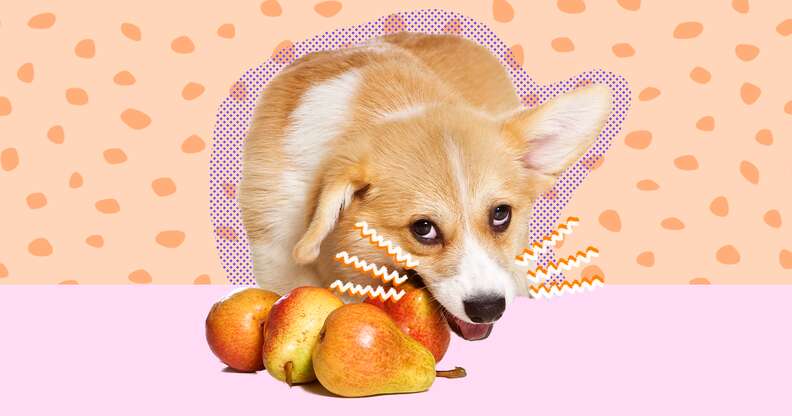
Credit: www.thedodo.com
Pear Varieties: Which Are Best For Dogs?
There are many types of pears. Some common varieties:
- Bartlett: Soft and juicy, good for dogs.
- Bosc: Firmer, may need to be chopped smaller.
- Anjou: Mild flavor, easy to digest.
- Asian pear: Crunchy, but can be harder for small dogs.
All varieties are safe if prepared correctly, but softer pears are easier for dogs to eat.
Pears And Dog Weight Management
If your dog is overweight, pears can help reduce calorie intake. They’re filling but low in fat. Use pears as a substitute for high-calorie treats, but keep portions small.
Pears In Homemade Dog Food
Some owners cook homemade dog meals. Pears can be added as a small ingredient. Cooked or mashed pears mix well with rice or chicken. Avoid adding salt, spices, or sugar.
Pears And Food Safety
Always wash pears before serving. Pesticide residue can harm dogs. Organic pears are a safer choice, but still need washing. Don’t serve pears with bruises or mold.
Pears And Digestive Health
The fiber in pears can help regulate bowel movements. However, too much fiber can cause gas or bloating. Start with small amounts and increase slowly if needed.
Pears And Dog Exercise
Active dogs burn more calories and can handle more treats. If your dog hikes or plays often, pears can be a refreshing snack after exercise. Always offer water alongside pear treats.
Pears And Dog Behavior
Some dogs get excited about new foods. Use pears to reward calm behavior or teach new tricks. Avoid using fruit for hyperactive dogs, as sugar can increase energy.
Pears For Dogs With Medical Conditions
Dogs with kidney disease or heart problems may need low-potassium diets. Pears are moderate in potassium, so check with your vet first. Dogs with dental issues should have pears chopped or mashed.
Pears And Environmental Impact
Pears are eco-friendly and produce less waste compared to packaged treats. Compost leftover peels and cores (never give to dogs). Choosing local pears supports sustainable farming.
Pears And Cost
Pears are affordable compared to commercial treats. One pear can provide several servings for a small dog. Buy pears in season for the best price.
Pears And Dog Food Brands
Some dog food brands include pear as an ingredient. Always check the label for added sugar or preservatives. If in doubt, stick to fresh pears.
When To Avoid Pears
Skip pears if:
- Your dog is on a special diet
- Your vet advises against fruit
- Your dog has frequent stomach issues
- Your dog shows signs of allergy
Your vet knows your dog’s health best.
Frequently Asked Questions
Can Dogs Eat Pear Skin?
Yes, most dogs can eat pear skin. It contains fiber and nutrients. For dogs with sensitive stomachs, peel the skin before serving.
Are Canned Pears Safe For Dogs?
No, canned pears are not safe. They often contain added sugar and preservatives, which can harm your dog’s health.
How Often Can I Give My Dog Pears?
Offer pears as an occasional treat, no more than 1–2 times per week. Pears should not replace your dog’s main diet.
What Should I Do If My Dog Eats Pear Seeds?
Contact your vet immediately. Pear seeds contain cyanide, which is toxic. Watch for signs of poisoning like vomiting or trouble breathing.
Can Pears Help With Dog Constipation?
Yes, the fiber in pears can help relieve mild constipation. Give only a small piece and check with your vet for ongoing problems.
Dogs are unique, and not all react the same way to pears. This guide helps you make safe, informed choices. By following these tips, you can enjoy sharing pears with your dog in a healthy, responsible way. Always listen to your vet and your dog’s needs, and remember: moderation is key.