Can Dogs Eat Pickles?
Pickles are a popular snack for many people. They’re crunchy, salty, and add flavor to sandwiches and burgers. But if you’re a dog owner, you might wonder: Can dogs eat pickles? It’s a common question because dogs often beg for food we’re eating, and pickles seem harmless. However, just because a food is safe for humans doesn’t mean it’s safe for dogs. In this article, we’ll look closely at pickles, their ingredients, their risks, and whether your dog can have them without harm.
You’ll learn about the different types of pickles, what makes them risky, and what to do if your dog accidentally eats one. We’ll use simple explanations, real-world examples, and reliable data so you can make the best decision for your pet.
By the end, you’ll understand everything you need to know about dogs and pickles—so you can keep your furry friend safe and happy.
What Are Pickles?
Pickles are cucumbers preserved in a mixture of vinegar, salt, and spices. There are many kinds of pickles, including dill pickles, sweet pickles, and bread-and-butter pickles. The process of pickling changes the flavor and texture of cucumbers, making them tangy and crunchy.
The basic ingredients in most pickles are:
- Cucumbers
- Vinegar
- Salt
- Water
- Spices (like dill, garlic, mustard seeds)
Some pickles, especially sweet or spicy varieties, also have sugar, onions, or chili peppers added.
Pickles are low in calories and contain some vitamins, such as vitamin K, but their sodium content is very high. One medium-sized dill pickle can have over 800 mg of sodium. For humans, this isn’t usually a problem if eaten occasionally.
For dogs, high sodium can be dangerous.
Ingredients In Pickles: What Matters For Dogs?
When deciding if dogs can eat pickles, the ingredients are the most important factor. Many pickles contain ingredients that are not safe for dogs.
Common Pickle Ingredients
- Cucumbers: Safe for dogs. Cucumbers are low in calories and can be a good snack.
- Vinegar: Usually safe in small amounts, but too much can upset a dog’s stomach.
- Salt: High amounts are dangerous for dogs. Dogs have much lower tolerance for sodium than humans.
- Spices: Some are safe, but others (like garlic and onions) are toxic for dogs.
- Sugar: Not toxic, but too much sugar can cause obesity and dental problems.
- Preservatives: Some pickles have artificial preservatives that can be harmful.
Dangerous Additives
Some pickles, especially store-bought ones, contain garlic or onion powder. Both are toxic to dogs and can cause serious health problems. Even small amounts can damage a dog’s red blood cells.
Pickles also have high sodium content. Too much salt can lead to salt poisoning in dogs, causing symptoms like vomiting, diarrhea, tremors, and even seizures.
Types Of Pickles: Are Some Safer Than Others?
Not all pickles are the same. Some are made with simple ingredients, while others have more additives. Here’s a comparison of the most common types of pickles and their safety for dogs:
| Pickle Type | Main Ingredients | Dog Safety |
|---|---|---|
| Dill Pickles | Cucumber, vinegar, salt, dill | Unsafe due to high salt |
| Sweet Pickles | Cucumber, vinegar, salt, sugar | Unsafe: high salt & sugar |
| Bread-and-Butter Pickles | Cucumber, vinegar, salt, sugar, spices | Unsafe: sugar, salt, spices |
| Homemade Pickles (no salt or toxic spices) | Cucumber, water, vinegar, safe spices | Possibly safe in tiny amounts |
| Spicy Pickles | Cucumber, vinegar, salt, chili, garlic | Unsafe: garlic & chili |
As shown above, most pickles are unsafe for dogs because of their high salt content and sometimes toxic spices. Homemade pickles, if made without salt and dangerous spices, can be safer, but even then, it’s best to be cautious.
Health Risks Of Pickles For Dogs
Eating pickles can cause several health problems for dogs. Here are the main risks:
1. High Sodium Danger
Dogs need only a small amount of sodium in their diet. Too much salt can lead to salt poisoning (hypernatremia). Symptoms include:
- Vomiting
- Diarrhea
- Loss of appetite
- Lethargy
- Tremors
- Seizures
According to the National Research Council, a typical adult dog needs about 200 mg of sodium per day. One dill pickle can have four times that amount.
2. Toxic Ingredients
Pickles often contain garlic and onion powder. Both can cause hemolytic anemia in dogs. Signs of toxicity may not appear immediately but can include:
- Weakness
- Pale gums
- Rapid breathing
- Collapse
Dogs are much more sensitive to these ingredients than humans.
3. Digestive Upset
The vinegar and spices in pickles can irritate a dog’s stomach. This can cause:
- Stomach pain
- Gas
- Diarrhea
Some dogs may react more strongly, especially puppies or small breeds.
4. Sugar Problems
Sweet pickles contain a lot of sugar. Too much sugar can lead to:
- Obesity
- Dental issues
- Diabetes (in long-term cases)
5. Artificial Preservatives
Some pickles contain chemicals like sodium benzoate or potassium sorbate. These can cause allergic reactions or digestive problems in sensitive dogs.
What If Your Dog Eats A Pickle?
Dogs are curious and sometimes grab food before you can stop them. If your dog eats a pickle, here’s what you should do:
- Check the ingredients: Look for garlic, onion, or artificial preservatives.
- Watch your dog: Monitor for signs of distress like vomiting, diarrhea, or weakness.
- Offer water: High salt can make your dog thirsty. Fresh water helps flush out excess sodium.
- Contact your vet: If your dog ate a large amount or pickles with toxic ingredients, call your veterinarian right away.
Most healthy adult dogs will be okay after eating a small piece of plain pickle, but you should always be cautious.
Why Dogs Should Avoid Pickles
The main reason dogs shouldn’t eat pickles is the high salt content. Dogs’ bodies cannot process sodium as efficiently as humans. Even a single pickle can exceed a dog’s daily sodium limit.
Another reason is the risk from spices and preservatives. Many of these are harmless to people but dangerous for dogs. Since pickles don’t offer any real health benefits to dogs, there’s no reason to take the risk.
Can Dogs Eat Cucumbers Instead?
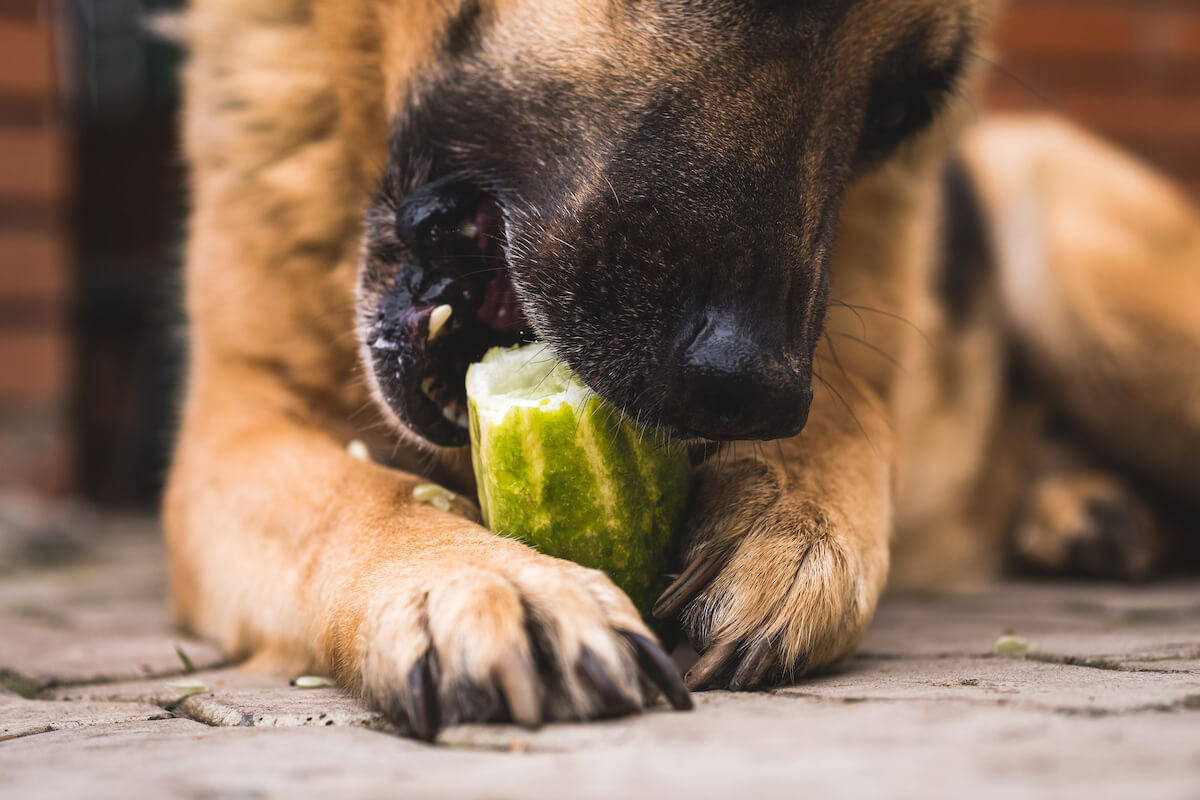
Cucumbers are the base ingredient in pickles. Plain, raw cucumbers are safe for dogs. They are low in calories, contain vitamins, and are hydrating.
Here’s a quick comparison:
| Food | Main Ingredients | Dog Safety | Calories |
|---|---|---|---|
| Pickles | Cucumber, vinegar, salt, spices | Unsafe: salt & spices | ~12 per slice |
| Cucumbers | Cucumber | Safe | ~8 per slice |
Cucumbers are a much better snack for dogs. They can be cut into small pieces and given as a treat. Always wash them first and avoid adding salt or dressing.
Are There Any Pickle Alternatives For Dogs?
If your dog likes crunchy snacks, you can offer safer options.
- Carrot sticks: Low calorie, good for teeth.
- Apple slices: Remove seeds and core.
- Celery sticks: Crunchy, hydrating.
- Cucumber slices: As mentioned, safe and low calorie.
These snacks have none of the risks of pickles and can be given in moderation.
How Much Sodium Is Too Much For Dogs?
Sodium is an essential mineral, but dogs need much less than humans. Here are some statistics:
- A medium-sized dog (30 lbs) should have about 100–200 mg of sodium per day.
- One medium dill pickle has 600–800 mg of sodium.
If a dog eats two pickles, it could easily get over 1600 mg—far above the safe limit.
Salt poisoning is rare but serious. In one study, dogs showed symptoms after eating as little as 2 grams of salt per kilogram of body weight. For small dogs, even one pickle can be dangerous.
Why Some Dogs Are More Sensitive
Not all dogs react the same way to pickles. Dogs with certain health conditions are more sensitive:
- Puppies: Smaller bodies, less able to process salt.
- Senior dogs: Older organs, less efficient at filtering toxins.
- Dogs with kidney disease: Kidneys struggle to remove excess sodium.
- Small breeds: Less body mass, higher risk.
If your dog falls into one of these categories, keep pickles far away.
Signs Of Salt Poisoning In Dogs
Salt poisoning can be life-threatening. Here are key signs to watch for:
- Extreme thirst
- Frequent urination
- Vomiting
- Diarrhea
- Confusion or lethargy
- Muscle tremors
- Seizures
If you notice any of these symptoms after your dog eats pickles, get veterinary help immediately.
What Veterinarians Say About Pickles
Veterinarians generally advise against giving pickles to dogs. They point to the high salt content, risk of toxic spices, and lack of nutritional benefit.
Dr. Sarah Wooten, DVM, warns that “even one pickle can be dangerous for a small dog. ” She recommends sticking to plain, raw vegetables as treats instead.
The American Kennel Club also lists pickles as a food to avoid, especially those with garlic or onion.
If you want official guidance, ask your vet about your dog’s specific health needs.
Homemade Pickles: Are They Safe?
Some dog owners make homemade pickles without salt or spices. This can be safer, but there are still risks:
- Vinegar can upset sensitive stomachs.
- Even low-salt pickles may still be too salty for dogs.
- Spices, even in small amounts, may be risky.
If you decide to make dog-friendly pickles, use only cucumber, water, and a tiny splash of vinegar. Avoid salt, garlic, onions, and sugar. Still, it’s best to give plain cucumber instead.
How Often Do Dogs Accidentally Eat Pickles?
Accidental eating is common. Dogs are curious and often grab food from plates or countertops. In surveys, up to 15% of dog owners reported their pets eating pickles at some point.
Most cases involve small amounts and mild symptoms. Serious problems are rare, but possible if a dog eats a large number of pickles or pickles with toxic ingredients.
Credit: nativepet.com
Real-life Examples
Example 1: Bella, a 10-pound Chihuahua, ate half a dill pickle. She started vomiting and became lethargic. Her owner took her to the vet, where she received fluids and recovered after two days.
Example 2: Max, a Labrador, ate a few slices of bread-and-butter pickles. He had mild stomach upset but no lasting problems. His owner was advised to avoid giving him pickles in the future.
These examples show that even a small amount can cause trouble, especially for small breeds.
Are Pickles Ever Used In Dog Treats?
Some dog treat brands use pickle flavoring, but this is rare. Most dog foods avoid high-salt or spicy flavors. If you find a dog treat labeled as “pickle flavor,” check the ingredients carefully. It should not contain real pickles or dangerous spices.
Cultural Differences: Pickles Around The World
Pickles are eaten in many countries, but their ingredients vary. In India, pickles often have chili and garlic, which are dangerous for dogs. In the US, dill pickles are common, but still too salty.
No matter where you live, the basic risks are the same. Always check the label and avoid pickles for your dog.
What To Do If Your Dog Begs For Pickles
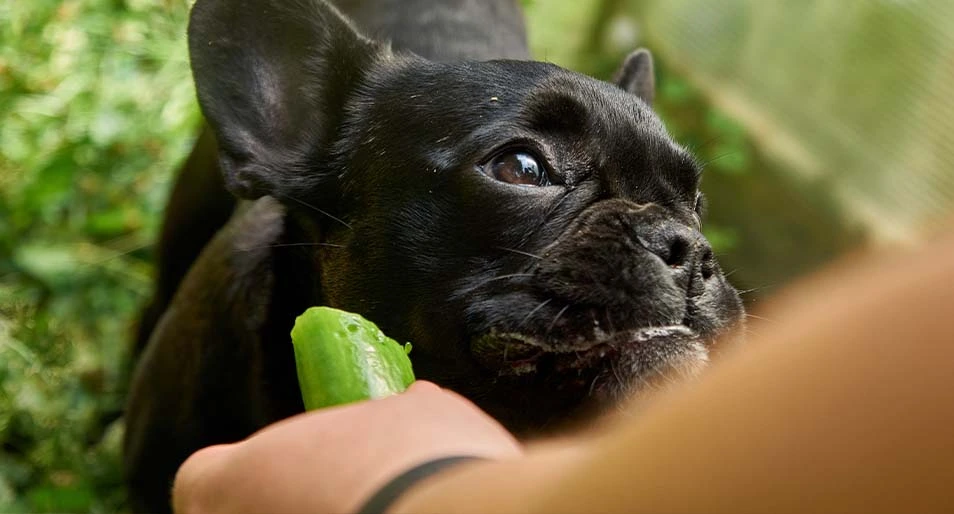
Dogs beg for food because they trust us. If your dog begs for pickles, try these tips:
- Distract with a safe treat (like a cucumber slice or carrot stick).
- Move pickles out of reach during meals.
- Teach the “leave it” command to prevent food snatching.
- Reward your dog for ignoring pickles.
These strategies keep your dog safe and help train good habits.
Credit: www.metlifepetinsurance.com
Safe Snack Alternatives: A Quick Guide
Dogs love crunchy snacks. Here are safe options:
- Cucumber slices: Safe, hydrating, low calorie.
- Carrot sticks: Good for teeth, low calorie.
- Apple slices: Remove seeds and core.
- Blueberries: Packed with antioxidants.
- Plain popcorn: No butter or salt, in small amounts.
These snacks are healthier than pickles and less likely to cause problems.
Myth Vs Fact: Pickles And Dogs
Let’s clear up some common myths:
- Myth: “A small pickle won’t hurt my dog.”
- Fact: Even a small pickle can cause salt overload, especially in small dogs.
- Myth: “Pickles are just vegetables—dogs can eat them.”
- Fact: The pickling process adds salt and spices that make them unsafe.
- Myth: “If a dog eats a pickle, it will always get sick.”
- Fact: Some dogs tolerate small amounts, but it’s never worth the risk.
Dogs With Special Dietary Needs
Some dogs need low-sodium diets, such as those with heart or kidney disease. For these dogs, pickles are especially dangerous. Always follow your vet’s advice and check food labels carefully.
If your dog is on a special diet, ask your vet for a list of safe snacks.
What Should You Do If Your Dog Eats Pickles Regularly?
If your dog has eaten pickles regularly, watch for signs of salt overload and digestive upset. Stop giving pickles immediately and switch to safer treats. Schedule a vet checkup to make sure your dog is healthy.
Tips To Prevent Accidental Pickle Eating
- Keep pickles out of reach in the refrigerator or on high shelves.
- Don’t leave plates with pickles unattended.
- Teach children not to feed pickles to pets.
- Store leftovers securely.
These habits can prevent accidents and keep your dog healthy.
When Is It Okay To Give Pickles To Dogs?
Generally, it’s best to never give pickles to dogs. If you make salt-free, spice-free pickles at home, you might offer a tiny bite—but even then, plain cucumber is safer.
The Bottom Line: Can Dogs Eat Pickles?
Pickles are not safe for dogs because of their high salt content, risk of toxic spices, and lack of real benefits. Even a small amount can cause trouble, especially for small dogs or those with health issues.
If your dog wants a crunchy snack, offer cucumber, carrot, or apple slices instead. Always check food labels and avoid sharing pickles with your pet.
For more information on safe foods for dogs, visit the American Kennel Club.
Frequently Asked Questions
Can Dogs Eat Dill Pickles?
No, dill pickles are unsafe for dogs. They contain too much salt and often include spices like garlic or onion that can be toxic. Even small amounts can cause digestive upset or salt poisoning.
Are Sweet Pickles Safe For Dogs?
Sweet pickles are not safe for dogs. They contain high amounts of sugar and salt. Sugar can lead to obesity and dental problems, while salt can cause serious health issues. Avoid giving sweet pickles to your pet.
What Should I Do If My Dog Accidentally Eats A Pickle?
If your dog eats a pickle, check the ingredients. Watch for signs of distress like vomiting, diarrhea, or weakness. Offer fresh water and contact your vet if the pickle contained garlic, onion, or a large amount of salt.
Can Dogs Eat Pickled Vegetables?
Most pickled vegetables are unsafe for dogs because of the salt and spices used in pickling. Plain, raw vegetables are safer options. Always avoid pickled foods unless you know they are salt-free and contain no toxic spices.
Is Cucumber A Good Snack For Dogs?
Yes, cucumber is safe and healthy for dogs. It’s low in calories, hydrating, and free from dangerous additives. Wash it thoroughly, cut into small pieces, and avoid adding salt or dressing.
Pickles may seem harmless, but the risks for dogs are real. Make smart choices to protect your pet’s health, and use safe snacks instead. Your dog will thank you for it.
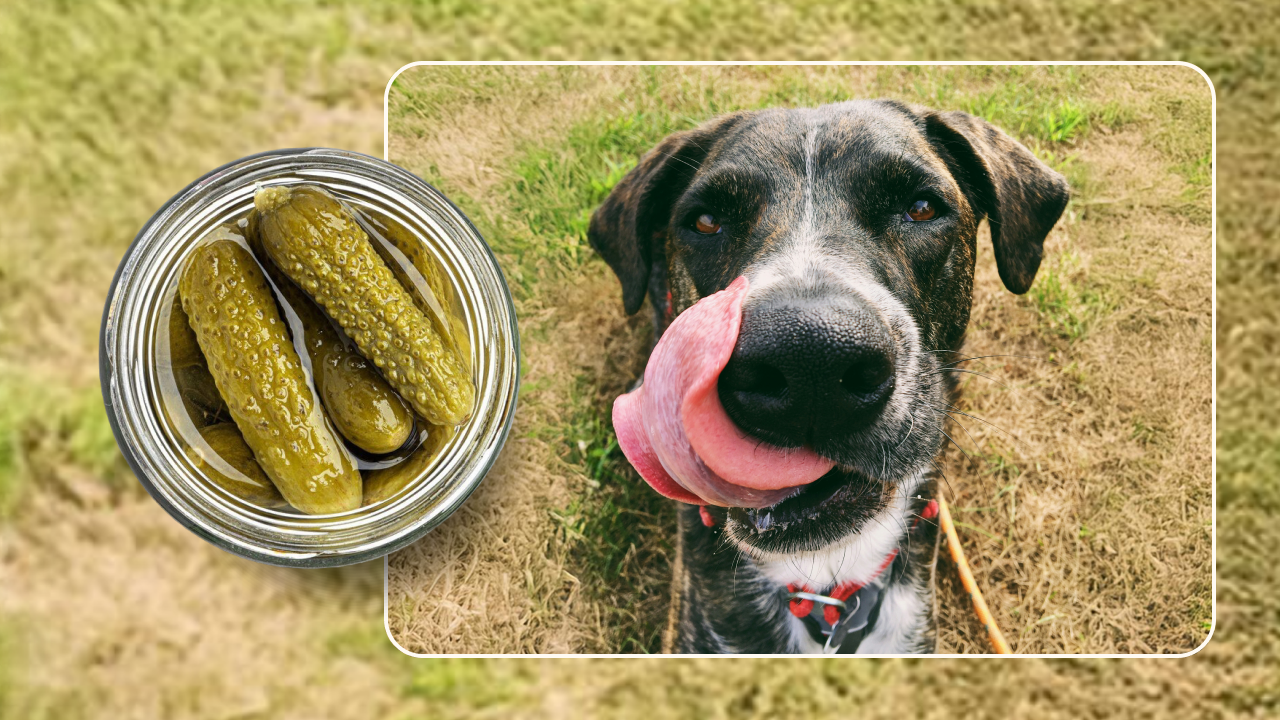
Credit: wefeedraw.com