Cold-pressed dog food is gently cooked at lower heat to preserve nutrients, flavor, and natural ingredient quality.
If you have asked, “What Is Cold-Pressed Dog Food?” you are not alone. This newer style of dog food is gaining attention because it uses lower processing temperatures than many standard kibbles. As a pet nutrition writer, I have found that understanding the cooking method matters just as much as reading the ingredient list. This guide explains how cold-pressed dog food is made, its possible benefits, its limits, and how to decide if it suits your dog.
What Is Cold-Pressed Dog Food?
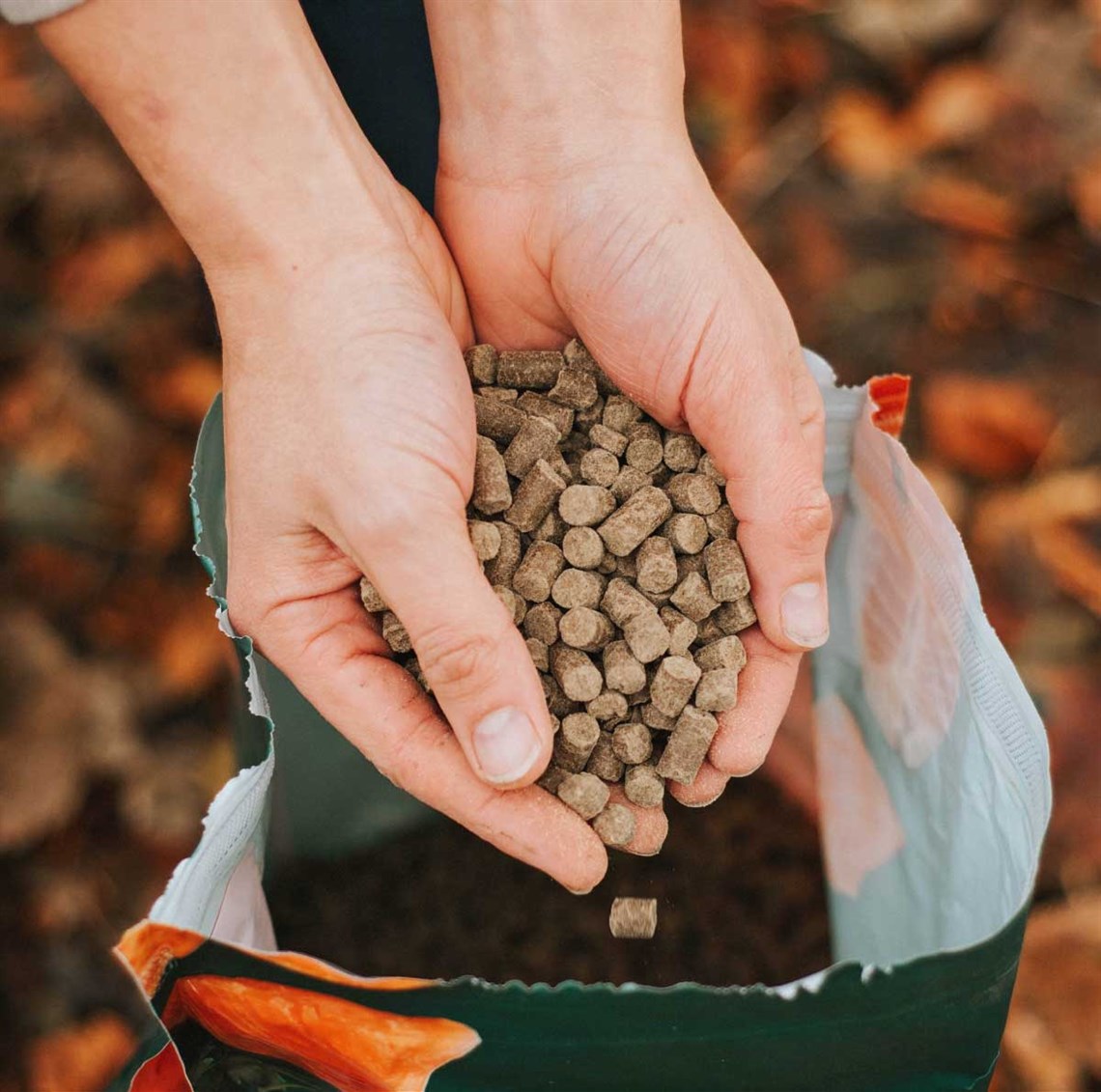
What Is Cold-Pressed Dog Food? It is a type of dry dog food made by pressing a blended mixture of meat, grains, vegetables, oils, vitamins, and minerals at a relatively low temperature. The food is usually formed into small pieces without the high-pressure expansion used in many traditional extruded kibbles.
The exact temperature varies by brand. “Cold-pressed” does not always mean the food is completely cold or raw. Most products still use heat to cook ingredients and reduce harmful bacteria. The main difference is that the food is processed more gently than many conventional dry foods.
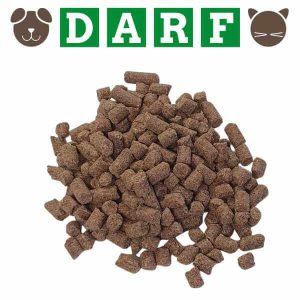
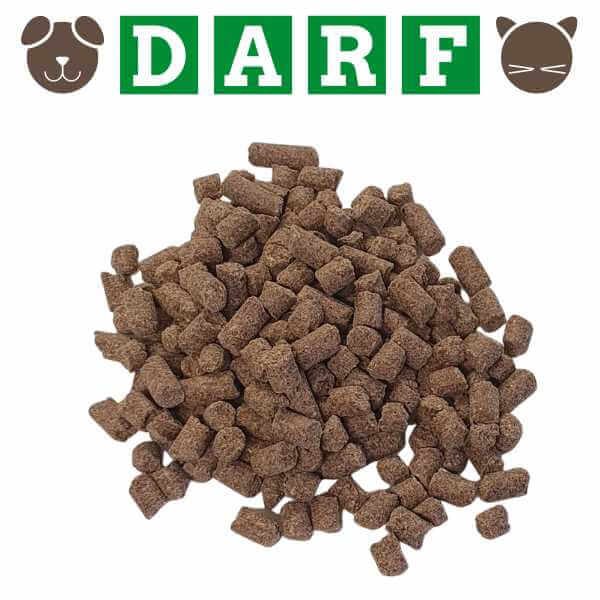
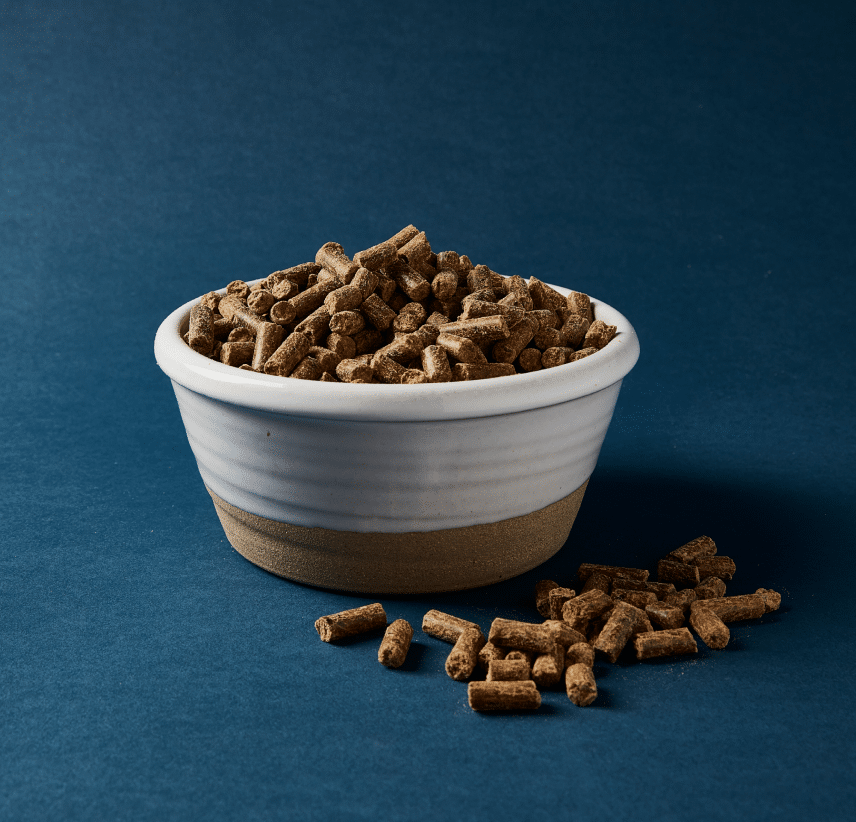
Cold-pressed dog food may look denser and less puffy than regular kibble. When placed in water, it often breaks down more quickly. However, this does not automatically prove that it is healthier or easier to digest.
A complete diet must still provide the right balance of protein, fat, carbohydrates, vitamins, and minerals. In the United States, look for an AAFCO nutritional adequacy statement that matches your dog’s life stage.
How Is Cold-Pressed Dog Food Made?
Manufacturers usually begin by grinding and mixing the ingredients. These may include animal proteins, plant ingredients, whole grains, oils, minerals, and vitamin supplements. The mixture is then shaped under pressure and controlled heat.
Traditional extruded kibble often uses high heat, steam, and pressure. This process creates a light, expanded piece of food. Cold-pressed food generally uses less expansion, so the final pieces are more compact.
The basic process may include:
- Ingredients are selected and tested.
- Meat and plant ingredients are ground.
- The recipe is mixed into a consistent blend.
- The blend is gently heated to improve safety and texture.
- Pressure forms the mixture into small pieces.
- The food is dried and cooled.
- Oils, vitamins, or flavor coatings may be added.
- The finished product is tested and packaged.
What Is Cold-Pressed Dog Food in practical terms? It is a cooked, dry diet made with a different processing method. It is not the same as raw dog food, freeze-dried food, or dehydrated food.
Cold-Pressed Dog Food vs. Extruded Kibble
Both foods can be complete diets, but their manufacturing methods differ. Extruded kibble is cooked under higher heat and pressure. Cold-pressed dog food is usually made with lower heat and less expansion.
The texture is one of the clearest differences. Extruded kibble is often crisp and airy. Cold-pressed pieces are usually firm, dense, and quick to soften in water.
Here is a simple comparison:
| Feature | Cold-pressed dog food | Extruded kibble |
|---|---|---|
| Processing | Lower-temperature pressing | Higher heat, steam, and pressure |
| Texture | Dense and compact | Light and crunchy |
| Water absorption | Often softens quickly | May take longer to soften |
| Calories by cup | Can be higher due to density | Often lower by volume |
| Digestibility | Depends on the recipe | Depends on the recipe |
| Safety | Requires proper cooking and testing | Requires proper cooking and testing |
| Nutritional quality | Depends on ingredients and formulation | Depends on ingredients and formulation |
A common mistake is to judge food quality by processing style alone. What Is Cold-Pressed Dog Food can describe how a product is made, but it does not tell you whether the recipe has enough animal protein, appropriate fat, or balanced minerals.
Potential Benefits of Cold-Pressed Dog Food
Cold-pressed dog food may offer useful features for some dogs. Still, benefits depend on the full recipe, your dog’s health, and the company’s quality controls.
Gentle texture
Some dogs prefer the compact texture of cold-pressed pieces. The food can also become soft when mixed with warm water. This may help older dogs or dogs with mild chewing trouble, although dental problems still need veterinary care.
Strong smell and taste
Many cold-pressed foods have a rich aroma. This can help dogs that are picky or have lost interest in plain kibble. A stronger smell may make mealtime more inviting.
Easy portion control
The dense pieces can be simple to measure. However, dense food may contain more calories per cup than it appears to have. Always use the calorie information on the package rather than guessing from the bowl size.
Less expansion in the stomach
Some sellers claim that cold-pressed food expands less than ordinary kibble. This may be appealing to owners worried about stomach discomfort. Yet no dry food can guarantee protection from bloat, also called gastric dilatation-volvulus.
Bloat is an emergency. Large, deep-chested dogs may have a higher risk, so discuss feeding schedules and prevention with your veterinarian.
A useful option for some sensitive dogs
A dog may respond well to a cold-pressed recipe if it contains ingredients the dog tolerates. The benefit may come from the protein source, fiber level, or lack of a trigger ingredient rather than from pressing itself.
What Is Cold-Pressed Dog Food useful for? It may be a convenient option for dogs that enjoy dense food, need softened meals, or do well on a particular formula.

Limitations and Possible Drawbacks
Cold-pressed dog food is not automatically better than every other diet. Marketing terms can sound impressive, but they do not replace nutritional evidence.
The first limitation is the lack of large, independent studies comparing all cold-pressed diets with all extruded diets. Research on pet food often examines nutrients, digestibility, and safety rather than one universal cooking method. This means broad claims should be treated with care.
Other possible drawbacks include:
• Higher cost than standard kibble.
• Less availability in local stores.
• Dense pieces that make overfeeding easy.
• Recipes that may not suit dogs with specific allergies.
• Limited evidence for claims about improved dental health.
• Potential nutrient damage if heat-sensitive vitamins are not replaced correctly.
Food safety is another important issue. Lower heat does not mean no microbes. A responsible manufacturer should test ingredients and finished products for pathogens, toxins, and nutrient accuracy.
Do not assume that “natural,” “premium,” or “cold-pressed” means complete and balanced. Read the label and check whether the food meets recognized nutritional standards.
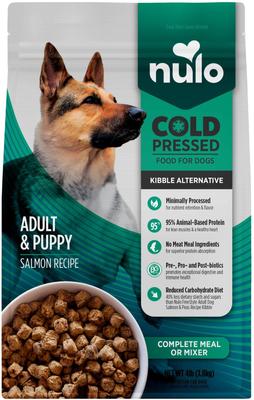
Is Cold-Pressed Dog Food More Nutritious?
What Is Cold-Pressed Dog Food in terms of nutrition? It is a processing format, not a guarantee of superior nutrition. The quality of the formula depends on its ingredients, nutrient balance, digestibility, and manufacturing controls.
Heat can reduce some nutrients, especially certain vitamins. However, properly formulated commercial foods usually add vitamins and minerals after cooking or account for processing losses during formulation.
The most useful label checks include:
• A complete and balanced statement for your dog’s life stage.
• Named animal protein, such as chicken, turkey, beef, lamb, or fish.
• Calorie content per cup or kilogram.
• Crude protein and crude fat levels.
• Fiber and moisture information.
• Feeding directions based on body weight.
• Manufacturer contact details.
• Quality testing or nutritional research information.
Protein quality also matters. A food may list a high protein percentage while relying heavily on plant proteins. This is not always harmful, but the ingredient pattern should match your dog’s needs.
For dogs with kidney disease, pancreatitis, food allergies, diabetes, or other medical conditions, choose a diet with veterinary guidance. A lower-temperature process cannot replace a therapeutic nutrition plan.

How to Choose the Best Cold-Pressed Dog Food
When comparing products, begin with the nutritional adequacy statement. Choose a formula made for puppies, adults, seniors, pregnancy, or all life stages as appropriate. Puppies need special attention because improper calcium and phosphorus levels can affect growing bones.
Next, review the calorie content. Dense food may look like a small serving, yet it can contain many calories. Use a gram scale if your dog gains weight easily or if the feeding guide seems unclear.
Look for a company that can answer detailed questions. A trustworthy manufacturer should be willing to explain where ingredients come from, how the food is tested, and who formulates the recipe.
Use this checklist:
- Confirm the food is complete and balanced.
- Match the recipe to your dog’s age and size.
- Check calories, not just cup measurements.
- Look for a clear ingredient list.
- Check the best-by date and package condition.
- Ask about pathogen and nutrient testing.
- Avoid products with exaggerated health promises.
- Discuss major diet changes with your veterinarian.
What Is Cold-Pressed Dog Food worth considering? It may be, if the brand has strong quality controls and the recipe fits your dog. The process should be one factor, not the only factor.

How to Transition Your Dog Safely
Change foods slowly over about seven days. A sudden switch can cause loose stool, gas, vomiting, or refusal to eat, even when the new food is high quality.
Try this schedule:
- Days 1 and 2: Feed 75% old food and 25% new food.
- Days 3 and 4: Feed 50% old food and 50% new food.
- Days 5 and 6: Feed 25% old food and 75% new food.
- Day 7: Feed 100% new food if your dog is doing well.
Some dogs need two weeks or longer. This is especially true for dogs with sensitive stomachs, a history of diarrhea, or a very selective appetite.
Watch your dog’s stool, energy, appetite, skin, and body weight. Stop the transition and contact your veterinarian if your dog has repeated vomiting, bloody diarrhea, severe weakness, or refuses food.
One practical lesson is easy to overlook: measure both foods carefully. If the new food is more calorie-dense, using the same cup amount can lead to weight gain.
Feeding, Storage, and Safety Tips
Store cold-pressed dog food in a cool, dry place. Keep the bag sealed to protect the food from moisture, insects, and rancid oils. A clean, airtight container can help, but keep the original lot number and expiration information.
Wash the food bowl often. Bacteria can grow in leftover food, especially when water, meat oils, or warm temperatures are involved.
Follow these daily habits:
• Use a clean, dry measuring scoop or kitchen scale.
• Keep fresh water available.
• Do not leave moistened food out for long periods.
• Wash bowls after meals when possible.
• Keep food away from household chemicals.
• Close the bag after each use.
• Follow the package storage instructions.
What Is Cold-Pressed Dog Food safe for every dog? No food is ideal for every dog. A dog may react to a protein, fat level, additive, or ingredient even when the product is well made.
When to Ask Your Veterinarian
Your veterinarian can help you match food to your dog’s health, age, weight, and activity level. This is especially important when your dog has a chronic condition or takes medication.
Ask for professional advice if your dog has:
• Ongoing diarrhea or vomiting.
• Weight loss or unexplained weight gain.
• Severe itching or repeated ear infections.
• Kidney, liver, heart, or pancreatic disease.
• Diabetes or urinary problems.
• Trouble chewing or swallowing.
• A history of food reactions.
A veterinary nutritionist may be helpful when your dog needs a therapeutic diet or has several medical concerns. Internet reviews can offer ideas, but they cannot diagnose your dog or confirm that a food meets a clinical need.
Frequently Asked Questions About What Is Cold-Pressed Dog Food?
Is cold-pressed dog food raw?
No. Cold-pressed dog food is generally cooked, although it may be processed at a lower temperature than standard kibble. It should not be confused with raw, freeze-dried, or dehydrated food.
Is cold-pressed dog food better than regular kibble?
Not always. What Is Cold-Pressed Dog Food tells you about the manufacturing method, while overall quality depends on the recipe, nutrient balance, digestibility, and safety testing.
Can puppies eat cold-pressed dog food?
Puppies can eat it if the label says it is complete and balanced for growth or all life stages. Large-breed puppies may need a formula with carefully controlled calcium and phosphorus, so ask your veterinarian before choosing one.
Does cold-pressed dog food help digestion?
Some dogs digest a particular cold-pressed recipe well, especially when its ingredients suit them. However, there is no guarantee that every cold-pressed food will improve digestion.
Can cold-pressed dog food prevent bloat?
No. What Is Cold-Pressed Dog Food cannot be used as a proven way to prevent bloat. Feeding habits, body shape, genetics, activity, and other factors may affect risk, so discuss prevention with your veterinarian.
How should cold-pressed dog food be stored?
Keep it sealed in a cool, dry place and follow the package directions. If you add water, serve the meal promptly and refrigerate or discard leftovers according to safe food-handling practices.
Can I mix cold-pressed food with regular kibble?
Yes, many dogs can eat a mixture if the total daily calories are controlled. Introduce the new food slowly to reduce the chance of stomach upset.
Conclusion
Cold-pressed dog food is a gently processed dry food made with controlled heat and pressure. It may offer a dense texture, appealing smell, and easy softening, but it is not automatically more nutritious than traditional kibble.
The best choice depends on the complete recipe, calorie level, manufacturing quality, and your dog’s individual needs. Read the nutritional adequacy statement, transition slowly, monitor your dog, and ask your veterinarian about special health concerns.
Now that you understand What Is Cold-Pressed Dog Food, compare labels with confidence and choose based on evidence rather than marketing alone. Share your experience with cold-pressed food or explore more trusted canine nutrition resources before changing your dog’s diet.