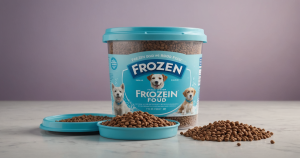
Yes, you can freeze dog food safely when you use airtight storage, safe thawing, and proper time limits.
Can You Freeze Dog Food? The answer depends on the food type, moisture level, ingredients, and how you handle it before and after freezing. This guide explains how to freeze dry, wet, raw, and homemade dog food while protecting taste, texture, and your dog’s health.
Can You Freeze Dog Food Safely?
Can You Freeze Dog Food? Yes, in most cases. Freezing slows bacterial growth and can help preserve food for later use. Still, freezing does not make spoiled food safe, and it does not kill every harmful germ.
The safest method is to freeze fresh food soon after opening or preparing it. Use clean containers, remove excess air, and label each portion with the date.
Keep these basic rules in mind:
• Freeze food before it reaches its use-by date.
• Use freezer-safe bags or containers.
• Divide food into single-meal portions.
• Thaw food in the refrigerator, not on the counter.
• Do not refreeze food that has fully thawed.
• Throw away food with a sour smell, slimy texture, mold, or unusual color.
A freezer should stay at 0°F (-18°C) or colder. At that temperature, food remains safe for a long time if it stays frozen, but quality may slowly decline. For the best taste and texture, use frozen dog food within the time recommended on the package or within a few months for homemade food.
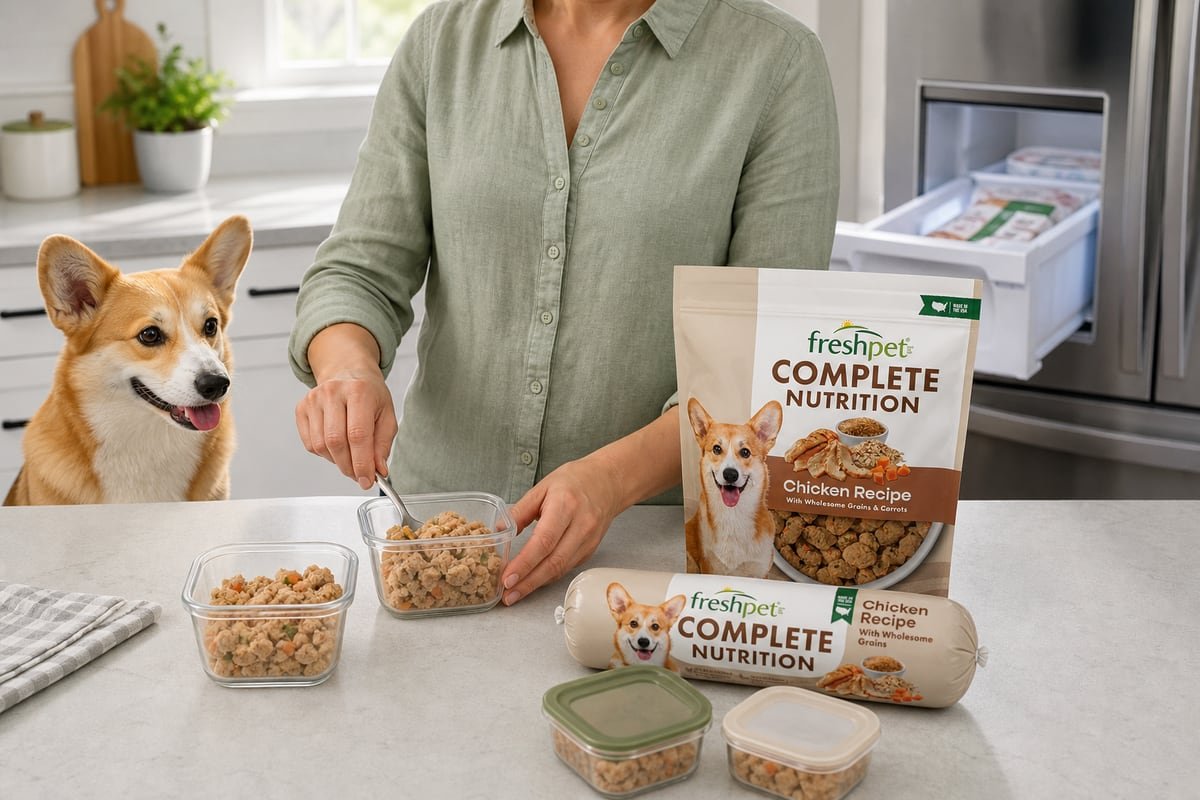
What Types of Dog Food Can You Freeze?
Can You Freeze Dog Food? The type of food makes a big difference. Some foods freeze well, while others become dry, crumbly, or watery after thawing.
Dry dog food
You can freeze dry dog food, but it is not always useful. Kibble has low moisture, so freezing does not offer the same benefit it gives moist food.
If you freeze kibble, place it in an airtight freezer bag or sealed container. Let it return to room temperature while still sealed. This helps prevent condensation from forming on the food.
Do not freeze a large open bag if you plan to use it slowly. Repeated temperature changes can affect flavor and may introduce moisture. In many homes, storing kibble in a cool, dry cabinet is simpler and better.
Wet or canned dog food
Wet dog food freezes well in small portions. Remove the food from the metal can before freezing because liquid expands as it freezes and can damage the can.
Use silicone trays, small glass containers, or freezer-safe plastic containers. Leave a little space at the top for expansion. Once thawed, wet food may look slightly separated, but gentle stirring often restores its texture.
An opened can should be covered and refrigerated. Most opened wet food should be used within three to four days, unless the label gives different directions.
Fresh and homemade dog food
Cooked homemade dog food can usually be frozen. Let it cool quickly, portion it, and freeze it within two hours of cooking. If the room is hotter than 90°F, refrigerate or freeze it within one hour.
Meals with cooked meat, rice, vegetables, and grains often freeze well. Foods with a lot of cream, gravy, or dairy may separate after thawing.
Homemade dog food must still be nutritionally complete. A meal that contains meat and rice may look healthy but may lack calcium, key vitamins, or other nutrients. Ask a veterinary nutrition professional to review a long-term homemade diet.
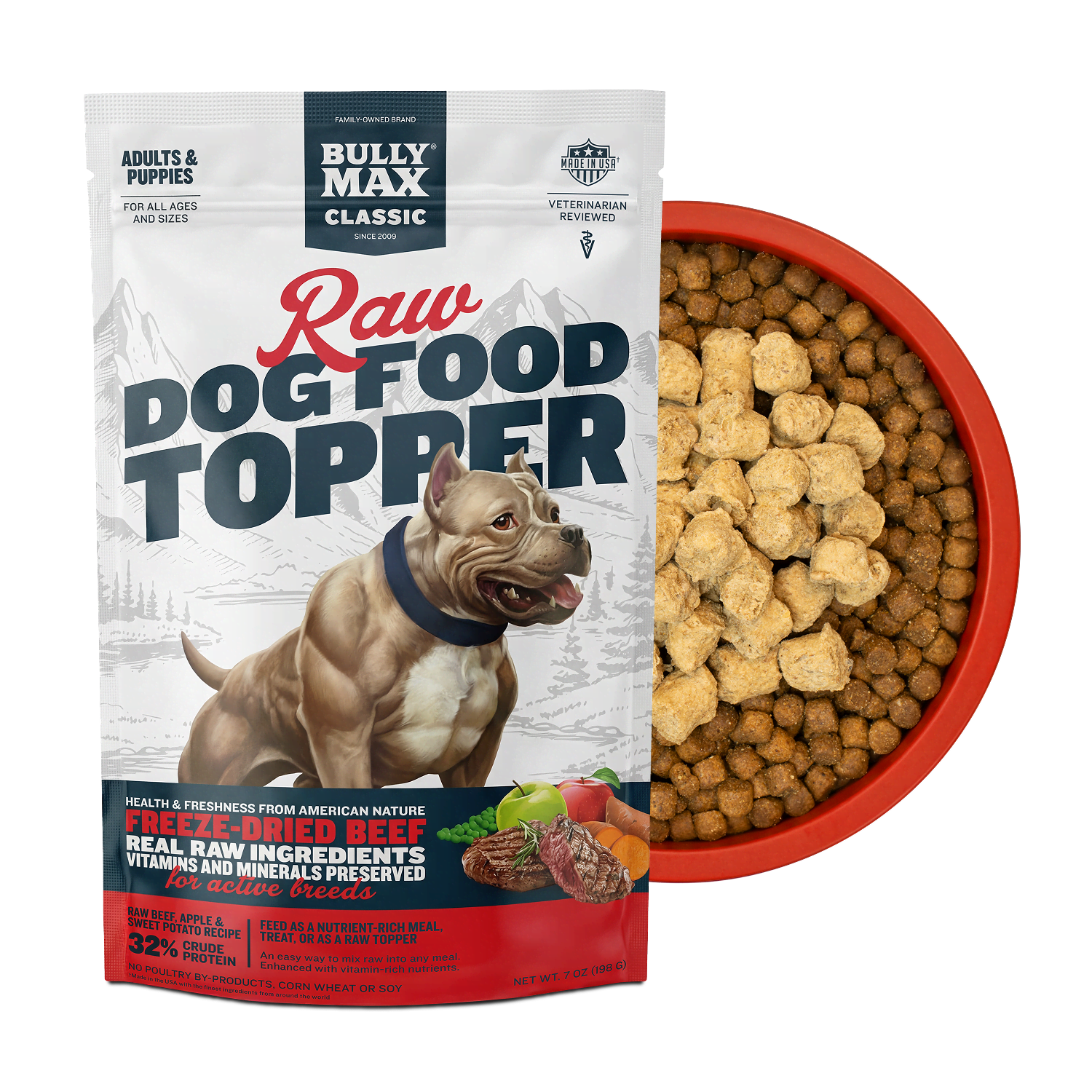
Raw dog food
Raw dog food can be frozen, but it needs extra care. Freezing may reduce some parasites, but it does not reliably remove every bacterium or virus. Salmonella, E. coli, and other pathogens can still pose a risk to dogs and people.
Store raw food in a leakproof container on the bottom shelf of the freezer. Wash your hands, bowls, counters, and tools after handling it. Keep raw food away from food meant for people.

How to Freeze Dog Food the Right Way
Can You Freeze Dog Food? Yes, but the storage process matters as much as the freezer itself. Poor packaging can cause freezer burn, odor transfer, and loss of moisture.
Follow these steps:
Check the food. Do not freeze food that smells bad, looks spoiled, or has stayed at room temperature too long.
Divide the food. Pack enough for one meal or one day. Small portions thaw faster and reduce waste.
Choose safe packaging. Use freezer bags, airtight containers, or vacuum-sealed bags made for freezing.
Remove extra air. Air can cause freezer burn and make food taste stale.
Leave room for expansion. Moist food expands as it freezes. A small gap helps prevent cracked containers.
Add a label. Write the food type and freezing date on each package.
Freeze it quickly. Place packages in a flat layer until solid. Then stack them to save space.
Keep the freezer steady. Avoid storing food near the door if the temperature changes often.
A common mistake is freezing a whole week of food in one large block. That block takes longer to thaw, and you may end up refreezing leftovers. Single portions are safer and easier.

How to Thaw Frozen Dog Food
Can You Freeze Dog Food? Yes, but safe thawing is essential. The best method is slow thawing in the refrigerator.
Place the frozen portion in the refrigerator the night before feeding. Most small portions thaw within 12 to 24 hours. Keep the food in a covered container to prevent leaks and contact with other foods.
You can also thaw a sealed portion in cold water. Change the water often and feed the food soon after it thaws. Never leave dog food sitting on the kitchen counter for several hours.
Avoid these thawing methods:
• Do not thaw raw dog food at room temperature.
• Do not use a microwave for food in metal packaging.
• Do not refreeze food that has fully thawed.
• Do not leave wet food out for long periods.
• Do not serve food that feels warm after unsafe storage.
If you use a microwave to warm thawed food, stir it well and check for hot spots. Dogs can burn their mouths on unevenly heated food. Let the meal cool before serving.

How Long Does Frozen Dog Food Last?
Can You Freeze Dog Food? It can last for months when stored correctly, but the ideal time depends on the food and packaging.
Use these general quality guidelines:
• Dry kibble: Freezing is usually unnecessary. Follow the package date and storage instructions.
• Opened wet food: Use within three to four days in the refrigerator, or freeze it soon after opening.
• Homemade cooked food: Use within two to three months for the best quality.
• Raw dog food: Follow the producer’s storage guidance. Many products keep good quality for several months when continuously frozen.
• Thawed food: Use within one to three days when kept cold, depending on the product label and ingredients.
Food can remain technically safe while frozen for a long time, but taste and texture may suffer. Freezer burn does not usually make food dangerous, but it can make the meal dry and less appealing.
The package label should always come first. Some therapeutic diets, supplements, and specialty foods may have storage rules that differ from these general guidelines.
Benefits of Freezing Dog Food
Can You Freeze Dog Food? Freezing can be a useful part of a feeding routine, especially when used with portion control.
It reduces food waste
Freezing leftover wet food helps prevent waste. This is useful for small dogs that cannot finish a full can in one or two meals.
It saves time
You can prepare several meals at once and freeze them. This can help during busy workweeks, travel preparation, or care for a senior dog that needs regular meals.
It supports portion control
Premeasured frozen portions help avoid overfeeding. This is helpful for dogs on weight-control plans.
It may improve convenience
Frozen food gives you a simple backup when you run out of fresh food. It can also help owners manage prescription diets or meals prepared under veterinary guidance.
It can support meal variety
Some dogs enjoy a cool, soft meal during hot weather. However, frozen food should be thawed unless your veterinarian says a frozen treat is suitable for your dog.
In my practical experience with meal planning, the most useful system is not a large freezer container. It is a row of small, labeled portions. That setup makes feeding simple and prevents the common mistake of guessing how long food has been stored.
Risks and Mistakes to Avoid
Can You Freeze Dog Food? Yes, but freezing is not a cure for poor food safety. Several mistakes can make frozen dog food risky or unappealing.
Freezing spoiled food
Freezing pauses much of the bacterial growth, but it does not reverse spoilage. Always inspect food before it goes into the freezer.
Using unsafe containers
Thin food bags may split or allow odors to enter. Use containers designed for freezing, especially for raw meals.
Freezing food in a can
Liquid expands during freezing. A sealed can may bulge, leak, or burst. Transfer canned food to a freezer-safe container first.
Leaving food out too long
The two-hour rule is important for perishable food. In hot weather, the limit drops to one hour. When unsure, throw it away.
Refreezing thawed food
Refreezing can hurt texture and increase safety concerns if the food warmed during thawing. If you need to freeze portions, separate them before the first freeze.
Ignoring changes in texture
Some dogs reject thawed food because it becomes watery or grainy. Stirring can help, but a strong odor, mold, or slimy feel means the food belongs in the trash.
Forgetting the label
A mystery container can stay in the freezer for months. Date every package and use the oldest safe portion first.

Can You Freeze Dog Food for Puppies, Senior Dogs, or Sick Dogs?
Can You Freeze Dog Food? You can often freeze it for puppies, senior dogs, and healthy adult dogs, but special diets need more care.
Puppies need balanced nutrition for growth. Do not replace a complete puppy diet with random frozen leftovers. Senior dogs may have dental problems, kidney disease, diabetes, or digestive needs that require a specific diet.
Dogs recovering from illness may also need food with a certain calorie level or texture. Ask your veterinarian before freezing or changing a prescription diet. Freezing may affect texture, but it usually does not replace the need to follow the diet plan exactly.
For dogs with sensitive stomachs, introduce thawed food slowly. Start with a small amount and watch for vomiting, diarrhea, gas, or loss of appetite. Contact a veterinarian if symptoms are severe, last more than a day, or appear with weakness or blood.
Practical Freezer Storage Checklist
Can You Freeze Dog Food? Use this quick checklist to make the process safe and simple:
• Check the label for storage directions.
• Freeze fresh food as soon as possible.
• Use clean, airtight, freezer-safe containers.
• Store one meal per package.
• Label each package with the date.
• Keep raw food separate from other foods.
• Thaw food in the refrigerator.
• Use thawed food within the recommended time.
• Wash bowls and surfaces after raw food handling.
• Discard food that looks or smells spoiled.
This routine takes only a few minutes. It also turns freezer storage into a clear system instead of a guessing game.

Frequently Asked Questions About Can You Freeze Dog Food?
Can you freeze dog food in the original package?
Sometimes, but the package must be designed for freezing. Cans should not be frozen because the contents expand, so transfer canned food to a freezer-safe container first.
Can you freeze dry dog food?
Yes, but freezing dry dog food is usually not needed. If you freeze it, keep it airtight and let the sealed package reach room temperature before opening to prevent condensation.
How long can frozen dog food stay in the freezer?
The food may remain safe while continuously frozen, but quality declines over time. For the best taste, use homemade meals within two to three months and follow the product label for commercial food.
Can you refreeze thawed dog food?
It is best not to refreeze food that has fully thawed. Portion food before freezing, and thaw only what your dog will eat within the safe storage period.
Is frozen dog food safe for puppies?
Frozen food can be safe for puppies if it is complete, balanced, fresh, and thawed correctly. Puppies have special nutrition needs, so ask your veterinarian before using homemade or unusual meals.
Can you freeze raw dog food?
Yes, but frozen raw food can still carry harmful germs after thawing. Use leakproof packaging, keep it separate from human food, and clean all surfaces and bowls well.
Conclusion
Can You Freeze Dog Food? Yes, freezing is a practical way to store wet, homemade, and raw dog food when you use clean containers, small portions, proper labels, and safe thawing methods. Dry kibble can be frozen, but airtight pantry storage is often easier.
The safest habit is simple: freeze fresh food early, thaw it in the refrigerator, and discard anything that seems spoiled. Set up a labeled portion system today, and share your own dog food storage tips or questions in the comments.