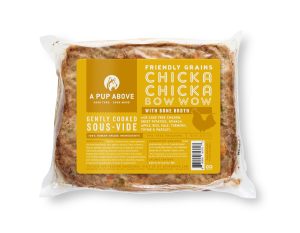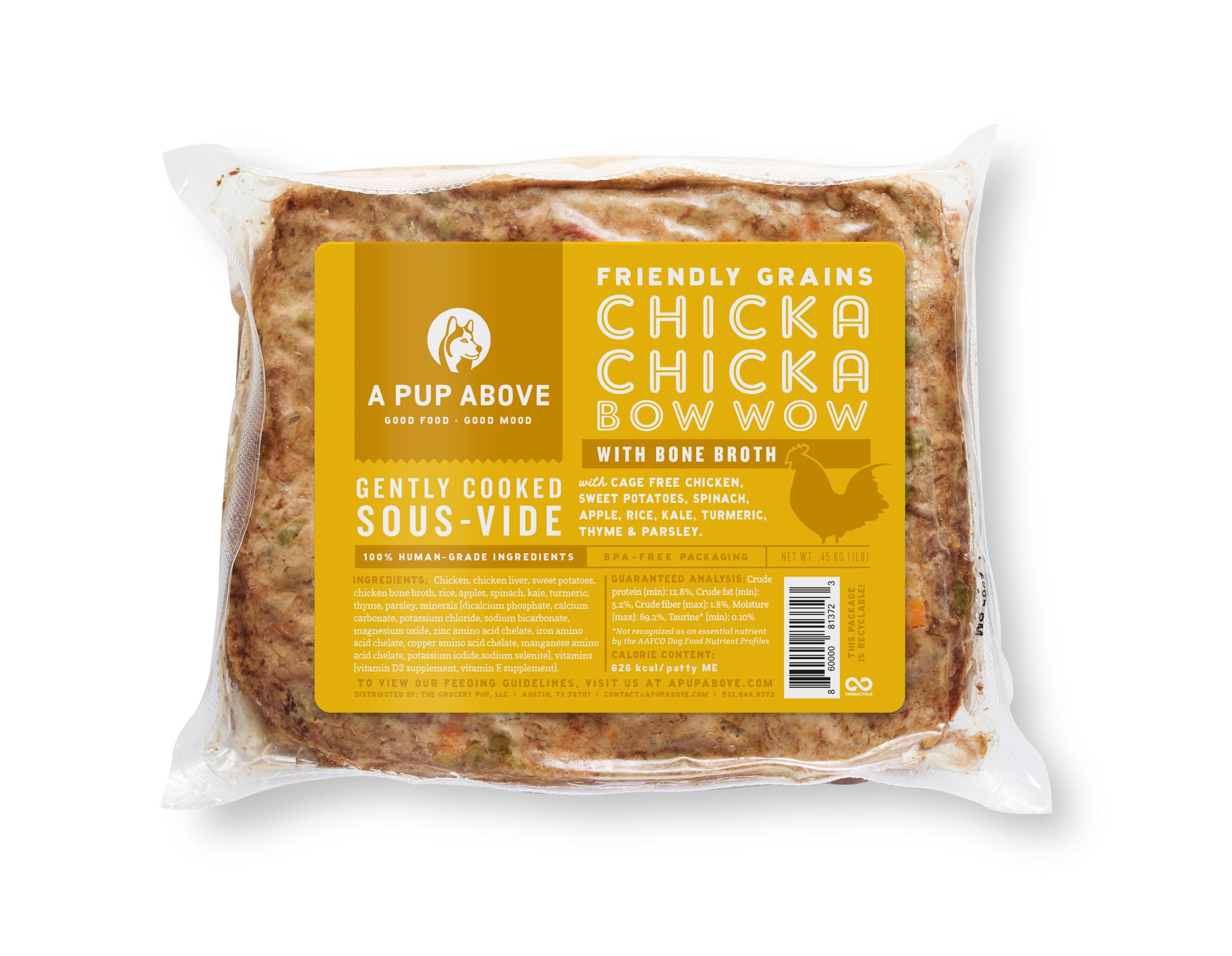
Gently cooked dog food is fresh or frozen pet food cooked at low heat to protect flavor, moisture, and nutrients.
If you are moving beyond traditional kibble, understanding what is gently cooked dog food can help you choose with confidence. This guide explains how it is made, how it compares with raw food and kibble, what to check on the label, and when it may or may not suit your dog.
What Is Gently Cooked Dog Food?
Gently cooked dog food is a prepared meal for dogs that uses controlled, lower-temperature cooking. It often contains meat, fish, vegetables, grains, or legumes, along with vitamins and minerals. The food is usually sold refrigerated or frozen.
The goal is simple: cook the ingredients enough to reduce harmful bacteria while keeping more moisture and a fresh-food texture. It is not raw dog food, although some brands use similar ingredients before cooking.
Cooking methods vary by company. A brand may use slow cooking, steaming, sous vide, or another low-temperature process. The exact temperature and time matter, so “gently cooked” is not one official legal term with one fixed recipe.
This type of dog food may look like food you prepare at home. However, a complete commercial formula should be designed to meet nutritional standards set by the Association of American Feed Control Officials, or AAFCO, for a dog’s life stage.

How Is Gently Cooked Dog Food Made?
The production process usually starts with fresh ingredients. Meat is trimmed, vegetables are cleaned, and grains or starches are prepared. The ingredients are then mixed and cooked under controlled conditions.
A typical process may include:
- Ingredients are selected and weighed.
- Meat and plant foods are mixed into a recipe.
- The mixture is cooked at a controlled temperature.
- Vitamins, minerals, and other nutrients may be added.
- The food is portioned into trays, pouches, or tubs.
- It is chilled or frozen to slow bacterial growth.
- The finished product is shipped in a cold chain.
Because gently cooked dog food contains more water than dry kibble, it often needs refrigeration. Follow the package directions closely. A food that is safe when sealed may spoil if left at room temperature for too long.
Some products are gently cooked before being freeze-dried. Others are fully cooked and sold chilled. These products are not identical, so check the storage directions and feeding instructions.
Gently Cooked Dog Food vs. Kibble
Kibble is cooked under heat and pressure, then dried. This creates a shelf-stable food that is easy to store and serve. Gently cooked dog food usually has more moisture and a softer texture.
Here are the main differences:
| Feature | Gently cooked dog food | Dry kibble |
|---|---|---|
| Moisture | Usually high | Usually low |
| Storage | Often refrigerated or frozen | Usually shelf-stable |
| Texture | Soft and moist | Crunchy and firm |
| Serving | Often ready to serve | Ready to serve |
| Cost | Often higher | Often lower |
| Portion size | Larger because of water | Smaller because it is dry |
Neither type is automatically best for every dog. A complete and balanced kibble can support good health. A complete and balanced gently cooked dog food can also be a sound choice.
The better option depends on your dog’s health, appetite, age, activity, budget, and your ability to store and serve the food safely.
Gently Cooked Dog Food vs. Raw Dog Food
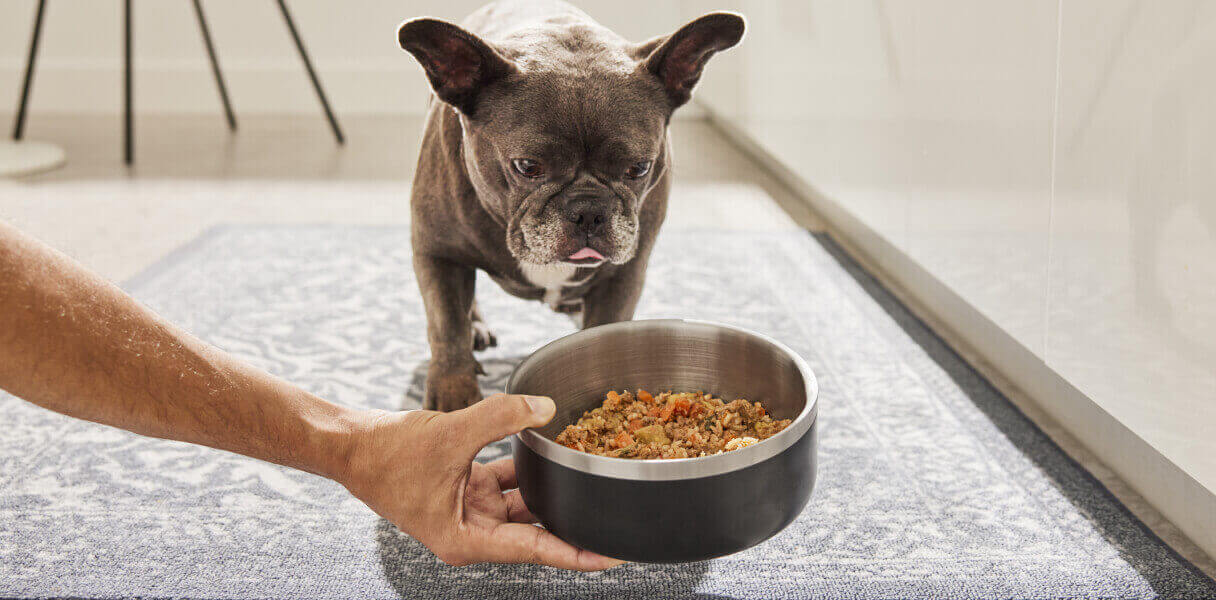
Raw dog food has not been cooked enough to kill many harmful bacteria. Gently cooked dog food has been heat-treated, so it generally presents a lower food safety risk than raw diets.
Raw diets may contain Salmonella, Listeria, or other pathogens. These germs can affect dogs and people. The risk may be higher in homes with young children, older adults, pregnant people, or anyone with a weak immune system.
Gently cooked dog food is not risk-free. It still needs careful handling, clean utensils, proper refrigeration, and safe storage. Wash your hands after serving it, and do not let food sit out for long periods.
The U.S. Food and Drug Administration has warned that both raw pet food and contaminated commercial pet food can spread harmful bacteria. Cooking lowers this risk, but it does not replace good kitchen hygiene.
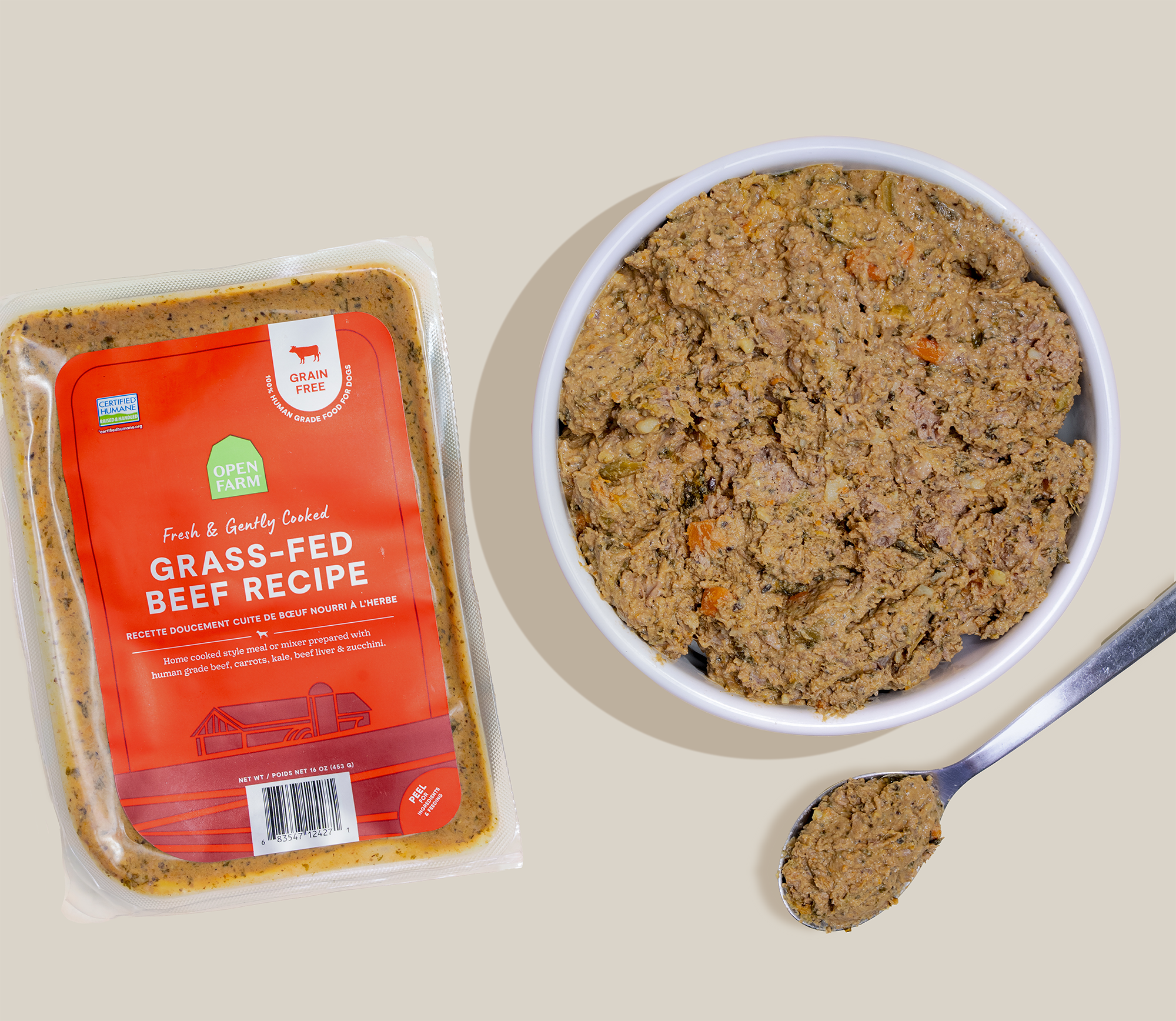
Potential Benefits of Gently Cooked Dog Food
Many owners choose gently cooked dog food because it feels closer to a home-prepared meal. Its benefits can be practical as well as nutritional.
High moisture content
Gently cooked dog food often contains much more water than kibble. This may help dogs that do not drink much on their own. Extra moisture can also make meals easier to chew.
However, food moisture is not a treatment for kidney disease, urinary disease, or dehydration. Dogs with these conditions need advice from a veterinarian.
Strong taste and smell
Fresh meat and moist textures may appeal to picky eaters. Some dogs that turn away from dry food enjoy gently cooked dog food because it smells more like a warm meal.
Still, a strong appetite change can signal dental pain, nausea, stress, or illness. Do not use a tasty food to hide a health problem.
Soft texture
Soft food may be easier for senior dogs or dogs with missing teeth. It can also help dogs that struggle to chew hard pieces.
A soft diet does not clean teeth as well as some dental products or tooth brushing. Ask your veterinarian about a dental care plan if your dog has bad breath, tartar, or sore gums.
Clear ingredient lists
Many gently cooked dog food brands use recognizable ingredients and list the recipe on the package. This can make it easier to understand what your dog eats.
An attractive ingredient list does not prove that a product is nutritionally complete. The nutritional adequacy statement matters more than marketing words such as “natural,” “human-grade,” or “premium.”
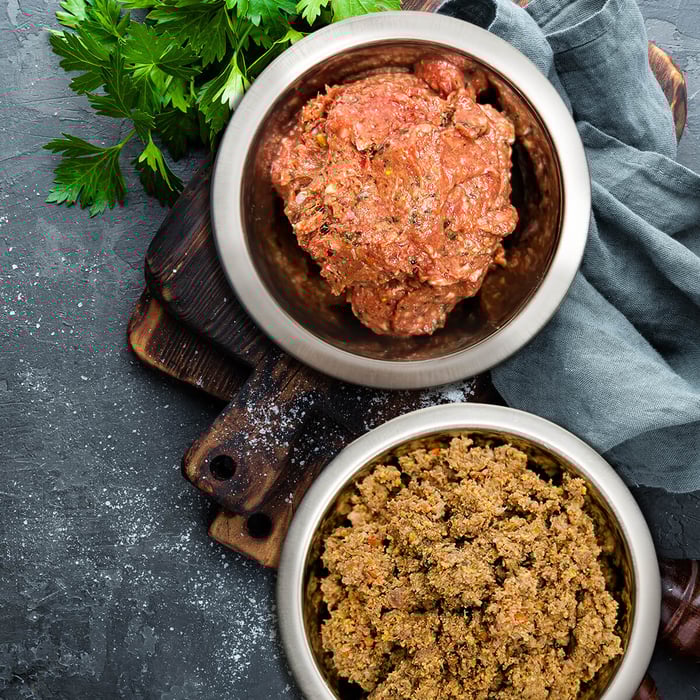
Possible Drawbacks and Limitations
Gently cooked dog food can be useful, but it is not perfect. Knowing the limits helps prevent costly or unsafe mistakes.
It can cost more
Fresh ingredients, refrigeration, packaging, and shipping can raise the price. A large dog may need several containers each week.
Before switching, calculate the daily cost. Include treats, toppers, delivery fees, and storage needs.
It needs careful storage
Most gently cooked dog food must stay cold. A power outage, delayed delivery, or crowded refrigerator can create problems.
Keep food at the temperature listed on the package. Thaw frozen food in the refrigerator, not on the counter.
It may not suit every medical need
Some dogs need a prescription diet for kidney disease, bladder stones, food allergies, diabetes, pancreatitis, or severe digestive disease. A regular gently cooked dog food may not have the right mineral levels or nutrient limits.
For a medical condition, ask your veterinarian before making a diet change. A board-certified veterinary nutritionist can help create or assess a homemade plan.
It may create unbalanced meals
A meal of chicken, rice, and vegetables may look healthy but lack calcium, zinc, iodine, vitamin D, or essential fatty acids. Long-term nutrient gaps can cause serious disease.
This is one of the most common mistakes I see in home feeding discussions: people focus on fresh ingredients but forget nutrient balance. Fresh does not always mean complete.
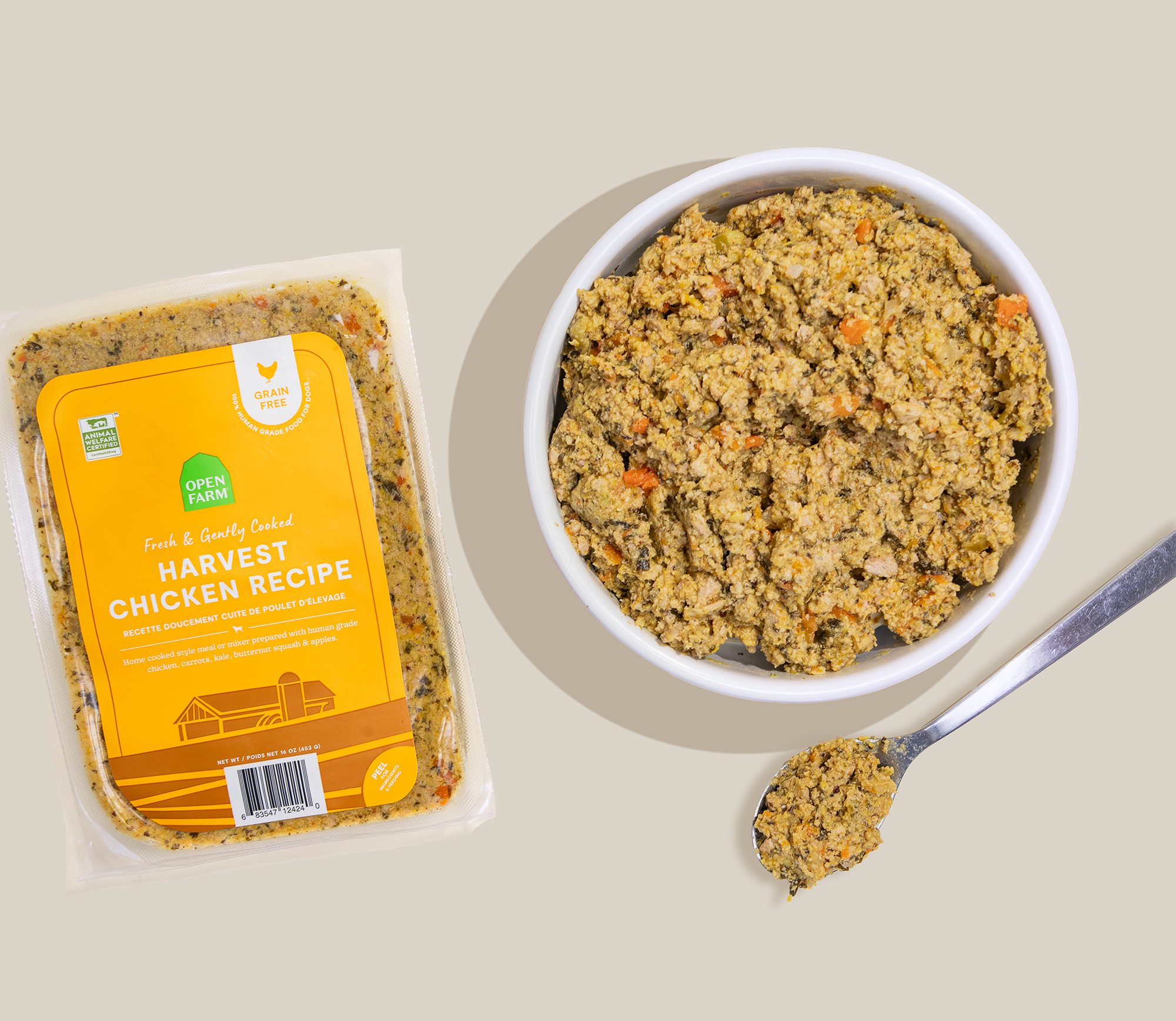
Is Gently Cooked Dog Food Complete and Balanced?
Some gently cooked dog food is complete and balanced. Some is meant only as a topper, treat, or supplement. Read the label before making it your dog’s main diet.
Look for a nutritional adequacy statement that says the food meets AAFCO nutrient profiles for a specific life stage. Common life stages include:
• Growth and reproduction
• Adult maintenance
• All life stages
A product labeled “for intermittent or supplemental feeding only” should not replace your dog’s full diet unless a veterinarian gives specific instructions.
The label should also provide feeding guidance, calories, ingredient information, and storage instructions. Calorie content is often listed as kilocalories per cup, container, or kilogram.
Remember that feeding charts are starting points. Your dog’s ideal portion depends on body size, age, activity, breed, metabolism, and health.

How to Choose the Best Gently Cooked Dog Food
Choosing gently cooked dog food involves more than picking the recipe with the nicest photo. Use a careful checklist.
Check nutritional adequacy
Confirm that the food is complete and balanced for your dog’s life stage. If this information is unclear, contact the company before buying.
Review the calorie content
Moist food can contain fewer calories per cup because water takes up space. Compare calories, not just serving size.
Look for quality control
Ask whether the company tests ingredients and finished products. Useful quality systems may include pathogen testing, supplier checks, and controlled manufacturing.
A transparent company should be able to explain who formulates the food and how it checks nutritional consistency.
Consider your dog’s needs
Think about:
• Age and growth stage
• Body condition and weight
• Activity level
• Allergies or food reactions
• Dental health
• Digestive history
• Existing medical conditions
Plan the storage routine
Make sure you have enough refrigerator or freezer space. Also consider how you will portion the food during travel, boarding, or emergencies.
Introduce it slowly
A sudden change can cause loose stool or vomiting. Transition over about seven days unless your veterinarian recommends another schedule.
A simple plan is:
- Feed mostly the old food with a small amount of the new food.
- Increase the new food every one or two days.
- Watch stool quality, appetite, energy, and itching.
- Pause the change and call your veterinarian if symptoms are severe or persistent.
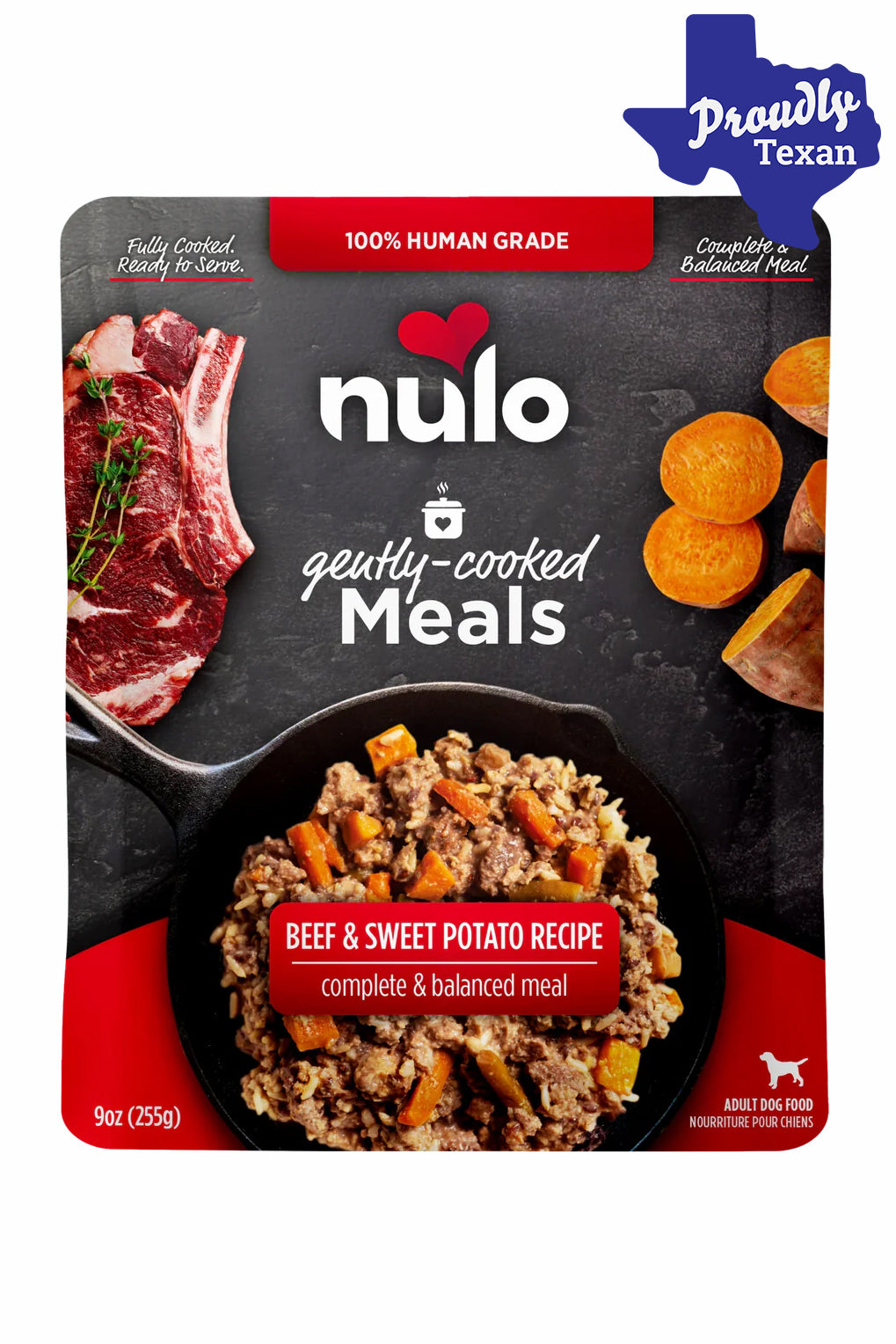
How to Serve Gently Cooked Dog Food Safely
Safe handling protects both your dog and your family. Treat gently cooked dog food much like other perishable food.
• Wash your hands before and after serving.
• Use clean bowls and utensils.
• Follow the package storage instructions.
• Keep opened food refrigerated.
• Use thawed food within the recommended time.
• Discard food that smells spoiled or has an unusual texture.
• Clean the feeding bowl after meals.
• Keep pet food away from human food preparation areas when possible.
Do not microwave food in plastic packaging unless the package says it is safe. If you warm the meal, test the temperature before serving it.
Never add random supplements, oils, or calcium powders without professional guidance. Too much of some nutrients can be harmful, especially in puppies.
Can Puppies Eat Gently Cooked Dog Food?
Puppies can eat gently cooked dog food when the product is complete and balanced for growth. Puppy nutrition is more demanding than adult maintenance because growing bones and tissues need precise nutrient levels.
Large-breed puppies need special attention to calories, calcium, and phosphorus. Overfeeding can increase the risk of unhealthy growth and orthopedic problems.
Check the label for growth suitability, and discuss the diet with your veterinarian. A food made only for adult dogs may not support a growing puppy.
Can Gently Cooked Dog Food Help a Picky Eater?
It may help because the soft texture and strong aroma can make meals more appealing. You can serve it as a complete diet or, if the label allows, as a measured topper.
Avoid changing foods every time your dog refuses a meal. That can teach some dogs to hold out for a more exciting option.
A sudden loss of appetite is different from normal pickiness. Contact your veterinarian if your dog refuses food, vomits, seems painful, loses weight, or has low energy.
Common Mistakes to Avoid
Even a high-quality product can cause problems when it is used incorrectly.
• Feeding too much because the food looks light or soft
• Ignoring the calorie statement
• Using a supplemental food as a complete diet
• Changing diets too quickly
• Leaving refrigerated food out for hours
• Adding unapproved supplements
• Forgetting treats when counting daily calories
• Choosing a puppy food without checking growth standards
• Assuming “human-grade” means nutritionally complete
• Continuing a diet that causes repeated digestive problems
One practical lesson is to measure portions with a kitchen scale when possible. Cups can vary, but weight gives you a more consistent serving.
Monitor your dog’s body condition, not just the number on the scale. You should be able to feel the ribs under a thin layer of fat, and your dog should have a visible waist when viewed from above.
Frequently Asked Questions About Gently Cooked Dog Food
Is gently cooked dog food better than kibble?
Not automatically. Both can support health when they are complete, balanced, safely handled, and suitable for the dog’s life stage. The best choice is the one your dog tolerates well and you can serve consistently.
Is gently cooked dog food safe?
It is generally safer than raw food when it is properly cooked, stored, and handled. It can still spoil or become contaminated, so follow refrigeration and serving instructions closely.
Does gently cooked dog food need to be refrigerated?
Most gently cooked dog food does need refrigeration after delivery or opening. Some products are frozen, while others are shelf-stable until opened, so always follow the package directions.
Can I make gently cooked dog food at home?
You can prepare cooked food at home, but balancing it is difficult without a recipe made by a veterinary nutritionist. Meat, rice, and vegetables alone usually do not provide every nutrient a dog needs.
Is gently cooked dog food good for dogs with allergies?
It may help only when the ingredients match a carefully planned elimination diet. Dogs with suspected allergies should be evaluated by a veterinarian because itching and digestive signs can have many causes.
Can gently cooked dog food cause diarrhea?
Any sudden diet change can cause loose stool. Transition slowly, control portions, and contact your veterinarian if diarrhea is severe, bloody, lasts more than a day or two, or occurs with vomiting or weakness.
Conclusion
Gently cooked dog food is a moist, heat-treated option that sits between traditional kibble and raw diets. It may offer appealing texture, fresh ingredients, and extra moisture, but it can also cost more and require careful storage.
Choose a product that is complete and balanced for your dog’s life stage. Check calories, transition slowly, handle the food safely, and ask your veterinarian about special health needs.
A thoughtful diet change can support better mealtimes without guesswork. Compare trusted products, read the label closely, and share your questions or experiences in the comments.