Yes, most healthy dogs can eat only complete and balanced wet food safely.
Can I feed my dog only wet food? In many cases, yes, as long as the food meets your dog’s life-stage needs and you serve the right calories. Wet food can support hydration, appetite, and easier eating, but it also has limits involving dental care, cost, storage, and portion control. This guide explains how to make the choice safely, using nutrition guidance and practical feeding tips.
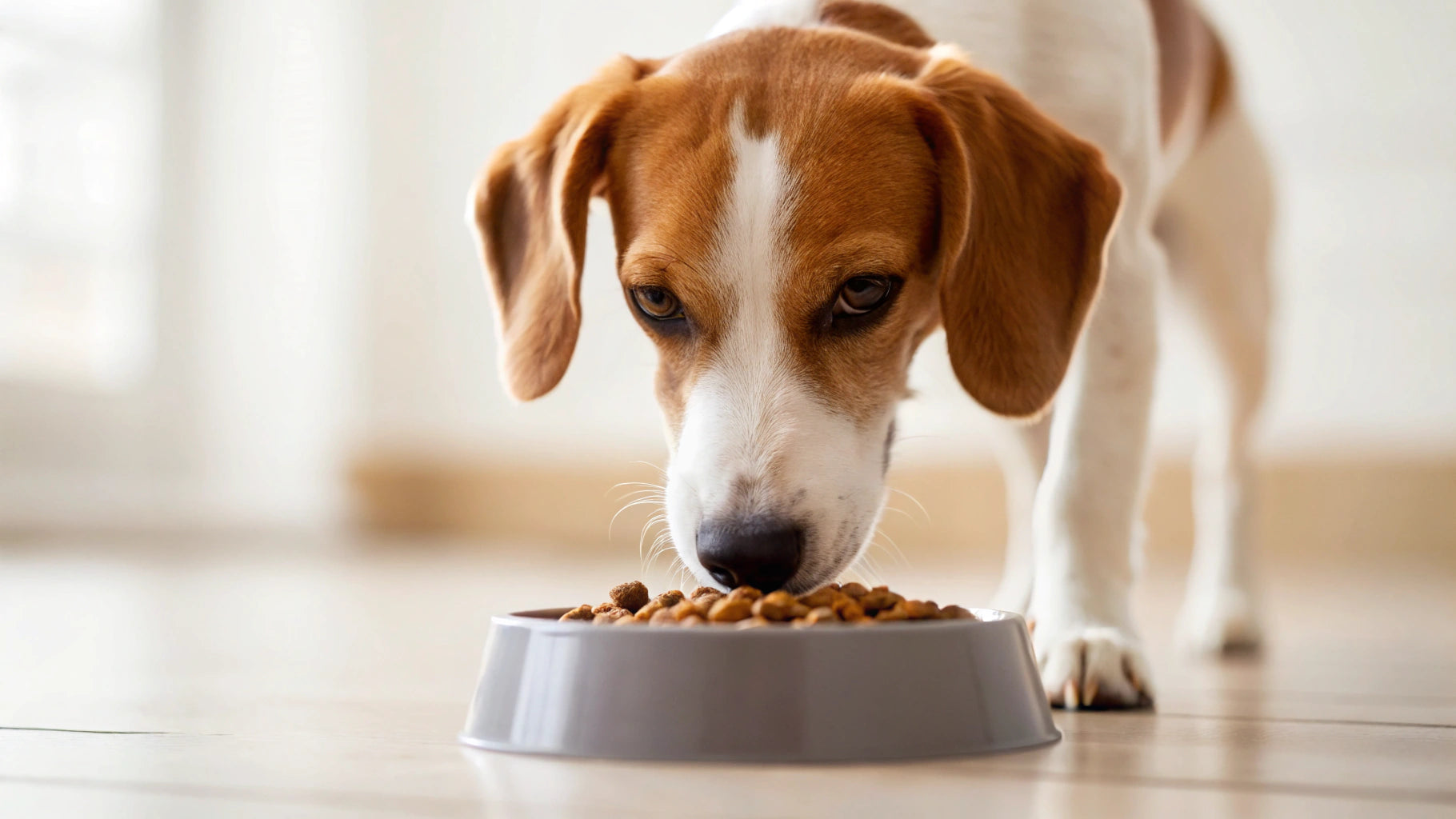
Can I feed my dog only wet food?
Yes, you can feed your dog only wet food if the product is labeled “complete and balanced” for your dog’s life stage. This statement means the food is designed to provide the nutrients your dog needs when fed as directed.
The label should match your dog’s needs. Look for food made for:
• Adult maintenance
• Growth and development
• All life stages
• Pregnancy or nursing, when needed
A food made only for occasional feeding is not suitable as your dog’s main diet. Treats, mixers, toppers, and some prescription products may not contain enough nutrients for long-term use.
When people ask, “Can I feed my dog only wet food?” the most accurate answer is: usually, but not automatically. The food must be nutritionally complete, safe, fresh, and appropriate for your dog’s age, size, health, and activity level.
Dogs do not need dry kibble simply because it is common. They need the right balance of protein, fat, carbohydrates, vitamins, minerals, and calories. Wet food can provide that balance when it is properly formulated.

Benefits of feeding your dog only wet food
Wet food has several useful features. It contains much more water than dry food, often around 70% to 85%. This can help dogs that do not drink much from their bowl.
Better hydration
Extra water may support normal urine flow and help dogs with certain urinary concerns. It can also make meals more appealing for older dogs or dogs with a low appetite.
However, wet food does not replace fresh drinking water. Your dog should still have clean water available all day.
Easier to chew
Soft food is helpful for dogs with:
• Missing teeth
• Sore gums
• Dental pain
• Jaw problems
• Recovery after oral surgery
Older dogs may find wet food easier to eat than hard kibble. Puppies that are moving from milk to solid food may also accept a soft texture more readily.
Stronger taste and smell
Wet food usually has a stronger aroma than dry food. This can help picky eaters, dogs recovering from illness, or dogs whose sense of smell has become weaker with age.
In real homes, smell often matters more than owners expect. A dog may ignore a bowl of dry food but eat wet food with great interest because the scent is richer.
Easier calorie control for some dogs
Wet food contains more water and fewer calories per gram than most dry food. A larger-looking portion may help some dogs feel satisfied while staying within their daily calorie limit.
Still, never compare foods by cup alone. Compare calories per can, tray, or gram. A small can of one recipe may contain far more calories than a larger can of another recipe.
Helpful for medicine and appetite support
Some dogs will take medicine more easily when it is mixed into a small amount of wet food. Ask your veterinarian first, since some medicines should not be given with food or certain nutrients.
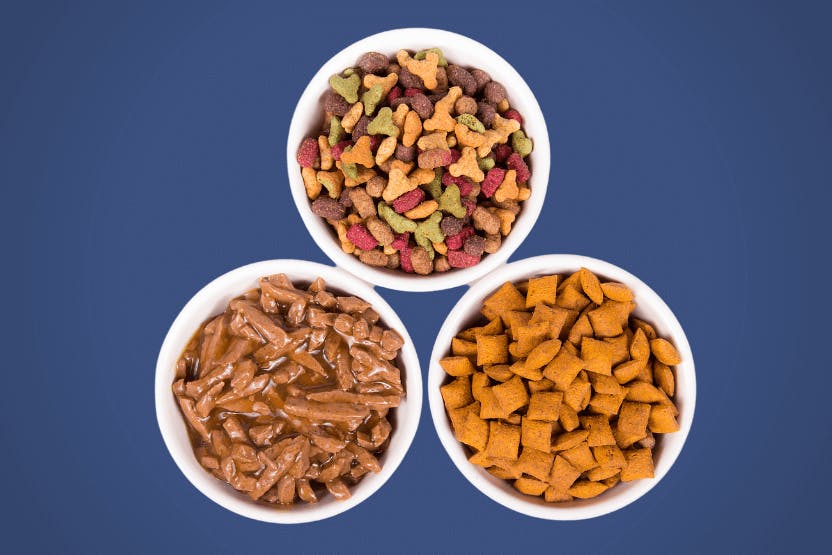
Drawbacks of feeding only wet food
Wet food can be healthy, but it is not perfect for every dog or household. Understanding the limits can help you avoid common problems.
It may cost more
Wet food often costs more per calorie than dry food. A medium or large dog may need several cans or trays each day, which can raise your monthly food bill.
Some owners use a mix of wet and dry food to lower cost. However, feeding only wet food is still reasonable if it fits your budget and your dog does well on it.
It spoils faster
Once opened, wet food should be covered and refrigerated. Most opened cans should be used within a few days, based on the product label and safe food-handling practices.
Do not leave wet food in the bowl for many hours, especially in a warm room. Bacteria can grow, and the food may attract insects.
Practical habits include:
• Store opened food in a sealed container
• Refrigerate it promptly
• Wash the bowl after each meal
• Throw away food that smells sour or looks unusual
• Let chilled food warm slightly before serving if your dog dislikes cold food
It does not clean teeth by itself
A common myth is that dry kibble always cleans a dog’s teeth. Regular kibble usually provides little dental cleaning unless it is specially designed and tested for that purpose.
Wet food does not cause dental disease by itself. Dental disease is linked mainly to plaque, tartar, oral bacteria, genetics, and a lack of dental care. Still, a dog eating only wet food may need a clear dental routine.
Helpful options include:
• Daily tooth brushing with dog-safe toothpaste
• Veterinary dental checks
• Safe dental products approved by veterinary dental groups
• Professional cleaning when your veterinarian recommends it
Never use human toothpaste. Some products contain ingredients that are unsafe for dogs.
Portion mistakes are easy
Wet food labels can confuse owners because portions vary by calorie content. Feeding one can per day may be too little for one dog and too much for another.
Check the “Calorie Content” section on the label. It may list calories per can, tray, kilogram, or another unit. Your veterinarian can help estimate a starting calorie range.
It may not suit every medical condition
Some dogs need a special diet for kidney disease, pancreatitis, allergies, diabetes, urinary disease, or weight control. A regular grocery-store wet food may not meet those needs.
Prescription wet diets can be useful, but they should be used under veterinary guidance. If your dog has a chronic illness, ask before changing the main diet.

How to choose a healthy wet dog food
If you plan to feed your dog only wet food, begin with the label. The ingredient list matters, but the nutritional adequacy statement matters even more.
Check for a complete and balanced statement
In the United States, look for a statement showing that the food meets established nutrient profiles or passed feeding trials. The wording should identify the proper life stage.
For example, a food may be complete and balanced for adult maintenance but not for growing puppies. A puppy needs different levels of energy, calcium, phosphorus, and other nutrients.
Match the food to your dog
Consider:
• Age
• Body size
• Activity level
• Current body condition
• Breed-related needs
• Pregnancy or nursing
• Known allergies
• Medical conditions
Large-breed puppies need special attention. Rapid growth and improper mineral balance can harm developing bones. Ask your veterinarian to recommend a food made for large-breed growth if applicable.
Do not judge food by ingredients alone
Ingredients can tell you what is included, but they do not show the full nutrient balance. A food with attractive ingredients may still be unsuitable as a complete diet.
Likewise, ingredients with unfamiliar names are not automatically unsafe. Nutrients may appear under technical names because they are measured and regulated.
Look at calories and feeding directions
Feeding charts are only starting points. Two dogs of the same weight may need different amounts because of age, metabolism, activity, and health.
Weigh your dog regularly. Adjust the portion if your dog gains or loses weight without a planned reason.
A healthy body condition usually includes:
• Ribs that can be felt under a thin layer of fat
• A visible waist from above
• An abdominal tuck from the side
Your veterinarian can help you assess body condition more accurately.
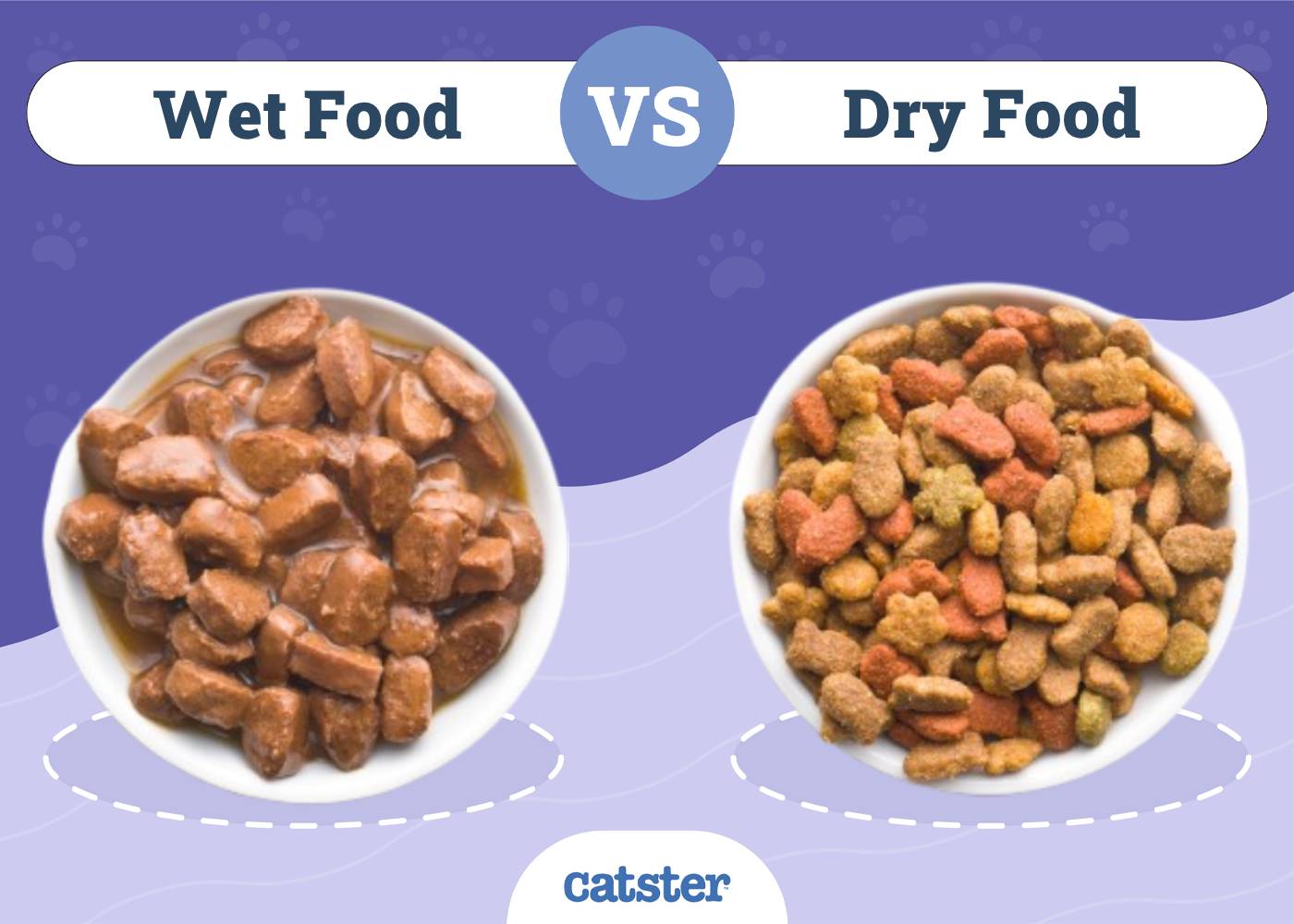
How to switch your dog to only wet food
A slow change can reduce vomiting, loose stools, and gas. Even if your dog loves wet food, the digestive system may need time to adjust.
Use this simple transition:
Feed about 75% of the old food and 25% of the new wet food for two to three days.
Move to about 50% old food and 50% wet food for two to three days.
Feed about 25% old food and 75% wet food for two to three days.
Serve only the new wet food once your dog’s stool remains normal.
Some dogs need a longer transition. Dogs with sensitive stomachs may do better over one to two weeks.
Do not change food during a stressful event if you can avoid it. Travel, boarding, surgery, and major household changes can already upset digestion.
Watch for:
• Repeated vomiting
• Ongoing diarrhea
• Blood in the stool
• Severe gas
• Refusal to eat
• Weakness or unusual sleepiness
Contact a veterinarian if these signs are severe, last more than a day, or affect a puppy, senior dog, or dog with a health condition.
A mistake many owners make is changing both food and treats at the same time. Change one thing at a time so you can identify the cause of a problem.
How much wet food should your dog eat?
The right amount depends on calories, not simply the number of cans. Start with the feeding guide, then adjust based on your dog’s body condition and weight trend.
For a more accurate plan:
• Find the calories per can on the label
• Estimate your dog’s daily calorie needs with your veterinarian
• Divide daily calories across meals
• Include treats in the daily total
• Recheck weight every two to four weeks during a diet change
For example, if a can contains 350 calories and your dog needs about 700 calories per day, two cans may be a starting point. This is only an example. Your dog may need more or less.
Puppies, working dogs, pregnant dogs, and nursing dogs often need more energy. Older or less active dogs may need fewer calories. Medical conditions can change these needs as well.
Avoid relying on hunger alone. Some dogs act hungry even after eating enough. Others eat less during hot weather or stressful periods.
Use a clean measuring cup or a kitchen scale when possible. Accurate portions are especially important for small dogs, since a small extra amount can add many calories.

Can wet food cause diarrhea or stomach problems?
Wet food does not automatically cause diarrhea. Loose stool is more often linked to a sudden diet change, food intolerance, excess fat, spoiled food, or an unrelated illness.
A rich recipe may upset a dog that is used to a lower-fat diet. Some dogs also react to a specific protein, such as beef or chicken, though true food allergies are less common than many owners think.
To reduce digestive trouble:
• Change food slowly
• Keep portions consistent
• Avoid sudden table scraps
• Store opened cans safely
• Choose a recipe your dog has tolerated well
• Speak with your veterinarian about repeated symptoms
Do not keep switching foods every few days. Frequent changes can make it harder to find the real cause of digestive upset.

Wet food for puppies, seniors, and dogs with health issues
A dog’s life stage can change whether an all-wet diet is appropriate.
Puppies
Puppies can eat wet food if it is complete and balanced for growth. They need frequent meals and careful portion control because their bodies are developing quickly.
Large-breed puppies should eat food labeled for large-breed growth when recommended. Ask your veterinarian how fast your puppy should gain weight.
Senior dogs
Wet food may be easier for seniors with dental pain or reduced appetite. However, not every senior dog needs a low-protein diet or a special recipe.
Senior nutrition should be based on health findings, blood tests, body condition, and activity. Your veterinarian can help choose a diet that supports your dog without restricting nutrients unnecessarily.
Dogs with dental disease
Wet food may make eating less painful, but it does not treat dental disease. Bad breath, red gums, drooling, bleeding, loose teeth, and difficulty chewing need veterinary attention.
Dogs with kidney or urinary disease
Moisture may be useful for some urinary and kidney patients, but the mineral and protein profile also matters. A standard wet food may not provide the right therapeutic balance.
Dogs with allergies
Wet food can help when it contains a protein your dog tolerates. But changing to any new flavor is not a reliable allergy test. A veterinarian may recommend a controlled elimination diet.

A practical daily routine for an all-wet diet
A simple routine keeps feeding safe and predictable.
Measure the daily amount before serving.
Divide it into two or more meals if that suits your dog.
Add fresh water to the bowl at each meal.
Cover and refrigerate unused food.
Wash bowls after feeding.
Track treats and chews.
Check your dog’s weight and body shape each month.
For dogs that eat too fast, use smaller meals or a slow-feeding dish made for wet food. You can also spread the food thinly on a lick mat if your dog uses one safely.
Do not freeze food in a way that changes its texture if your dog refuses it afterward. Some dogs dislike cold or altered food, even when it remains safe.
A useful lesson from everyday feeding is to watch the dog, not just the label. Normal stool, steady weight, good energy, healthy skin, and a willing appetite are signs that the plan may be working. They do not replace veterinary care, but they provide useful clues.
Is a mixed diet better than only wet food?
Not always. A mixed diet can offer flexibility, lower cost, and different textures, but your dog does not need both wet and dry food to be healthy.
If you combine foods, calculate the total calories from both. Do not feed the full recommended amount of each food, or your dog may gain weight.
A mixed plan may work well when:
• Your dog enjoys both textures
• You want to reduce food costs
• You use wet food as a topper
• Your veterinarian recommends more moisture
• You need an easy way to give medicine
An all-wet diet may be better when your dog has dental pain, poor appetite, or low water intake. The best plan is the one that is nutritionally complete, affordable, safe, and realistic for your household.
Frequently asked questions about feeding dogs only wet food
Can I feed my dog only wet food every day?
Yes, you can feed your dog only wet food every day if it is complete and balanced for the correct life stage. Serve the right amount of calories and keep fresh water available.
Is wet food better than dry food for dogs?
Neither is always better. Wet food offers more moisture and may be easier to chew, while dry food is often cheaper and easier to store.
Can a puppy eat only wet food?
Yes, but the food must be complete and balanced for growth or all life stages. Large-breed puppies may need a formula made specifically for large-breed growth.
Does wet food help dogs drink more water?
Wet food adds moisture to the meal and may support overall water intake. It does not replace a clean water bowl or veterinary treatment for dehydration.
Will feeding only wet food damage my dog’s teeth?
Wet food does not directly damage teeth, but it also does not provide complete dental care. Regular brushing, dental checks, and professional cleaning when needed are more reliable ways to protect oral health.
How long can wet dog food sit out?
Follow the product label, but avoid leaving opened wet food out for many hours. Refrigerate leftovers promptly and discard food that has been left in a warm place or appears spoiled.
Can wet food help an underweight dog?
Wet food may improve appetite and make it easier to add calories, but unexplained weight loss needs veterinary attention. An illness, dental problem, parasite, or digestive disorder may be involved.
Can I mix water into wet dog food?
Yes, adding a small amount of clean water is usually safe and can make the meal softer. Speak with your veterinarian first if your dog has a condition that requires controlled fluid or nutrient intake.
Conclusion
Can I feed my dog only wet food? For most healthy dogs, the answer is yes when the food is complete and balanced, suited to the dog’s life stage, stored safely, and served in the right amount.
Wet food can support hydration, appetite, and easy chewing. It can also cost more, spoil faster, and require a stronger dental care routine. Transition slowly, watch your dog’s weight and stool, and ask your veterinarian before changing the diet of a puppy, senior dog, or dog with medical needs.
Choose food based on nutrition and your dog’s health, not marketing alone. If this guide helped, explore more evidence-based pet nutrition resources or share your feeding experience in the comments.