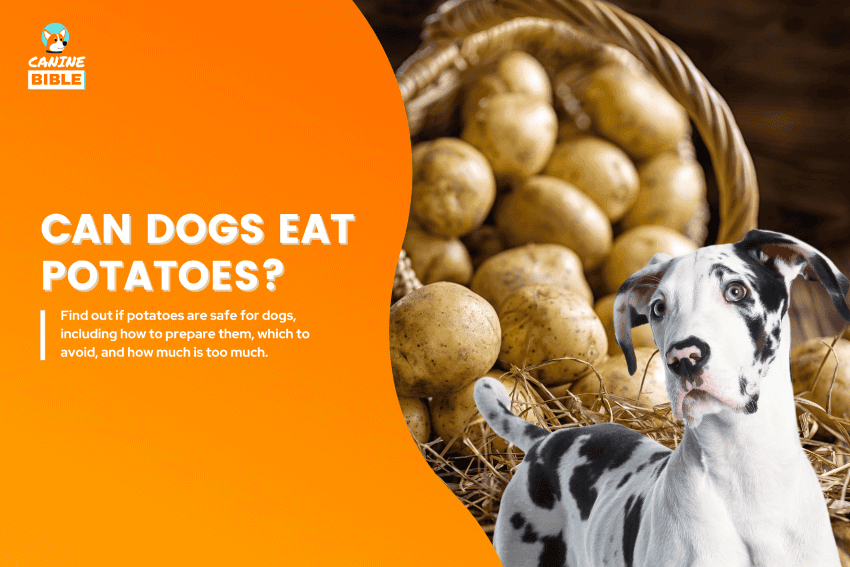
Potatoes in dog food are not inherently bad; it depends on preparation, quantity, and your dog's health.
As a pet nutrition writer with years of experience helping owners choose food, I’ve seen similar questions often: are potatoes in dog food bad, and when do they help or harm? This guide explains how potatoes are used, their nutrients, risks for some dogs, and practical tips to pick the right kibble or wet food. Read on to make an informed choice for your dog.
How potatoes are used in dog food
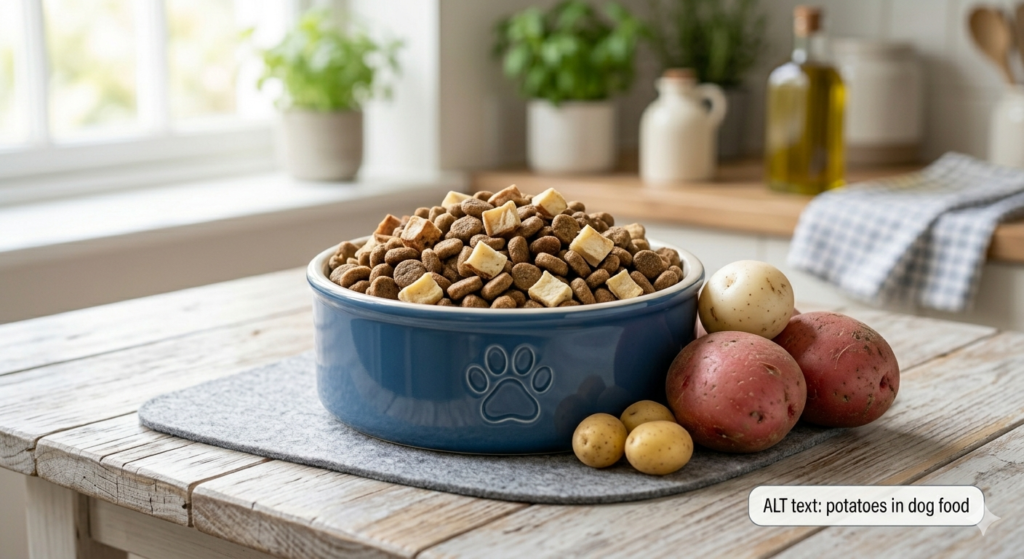
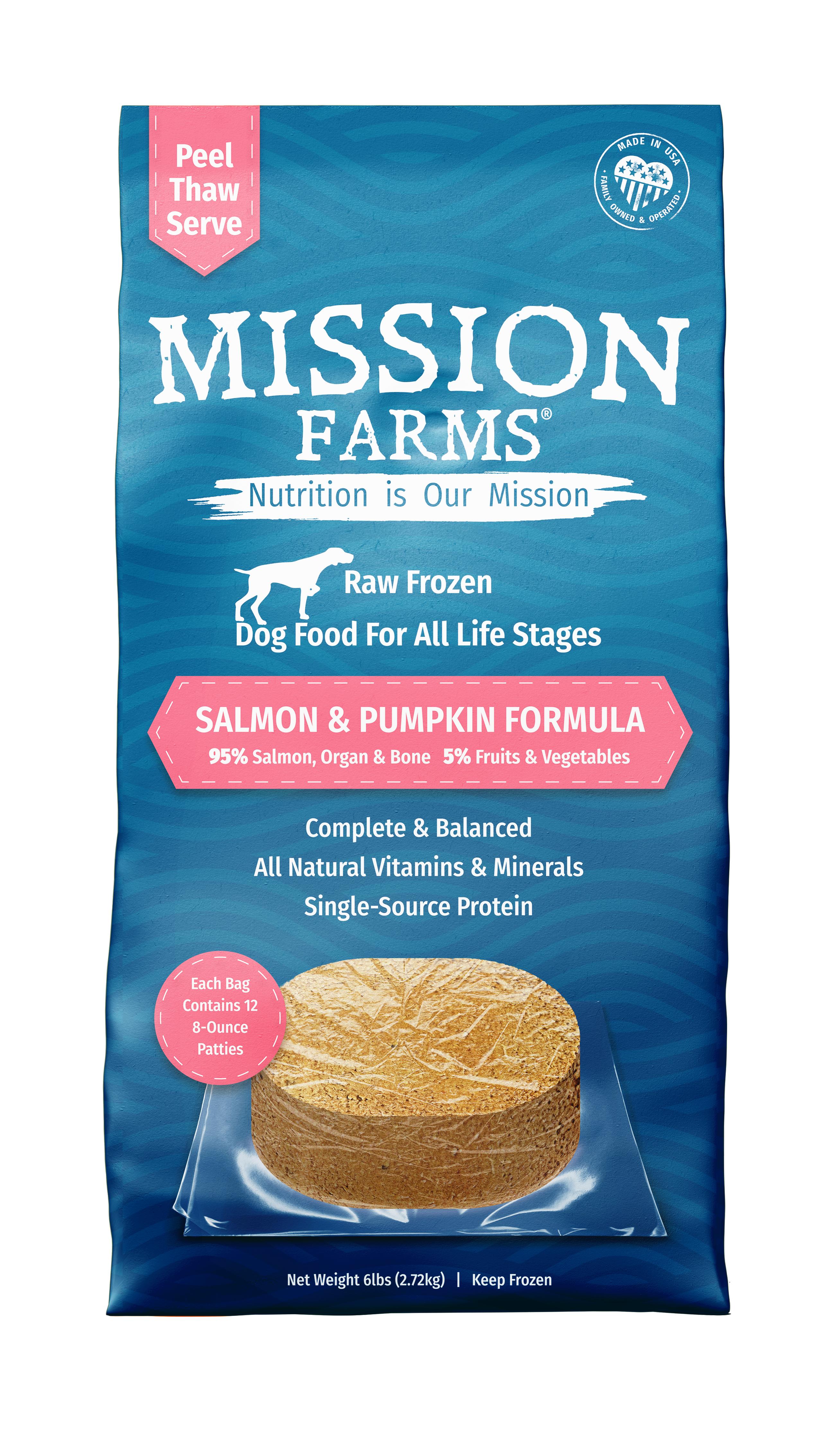
Pet food makers use potatoes for several reasons. Potatoes add calories, starch, and texture. They also act as a gluten-free carbohydrate for grain-free recipes. Some formulas use whole potatoes. Others use potato protein, potato starch, or dehydrated potato flakes.
Common uses include:
- Providing energy in higher-calorie diets.
- Serving as a filler to bind kibble.
- Replacing grains for dogs with grain sensitivity.
- Adding moisture and texture in canned foods.
Many owners ask, are potatoes in dog food bad simply because they see the word "potato" on the label. The true answer depends on how much potato, and your dog’s needs.
Nutritional value of potatoes for dogs
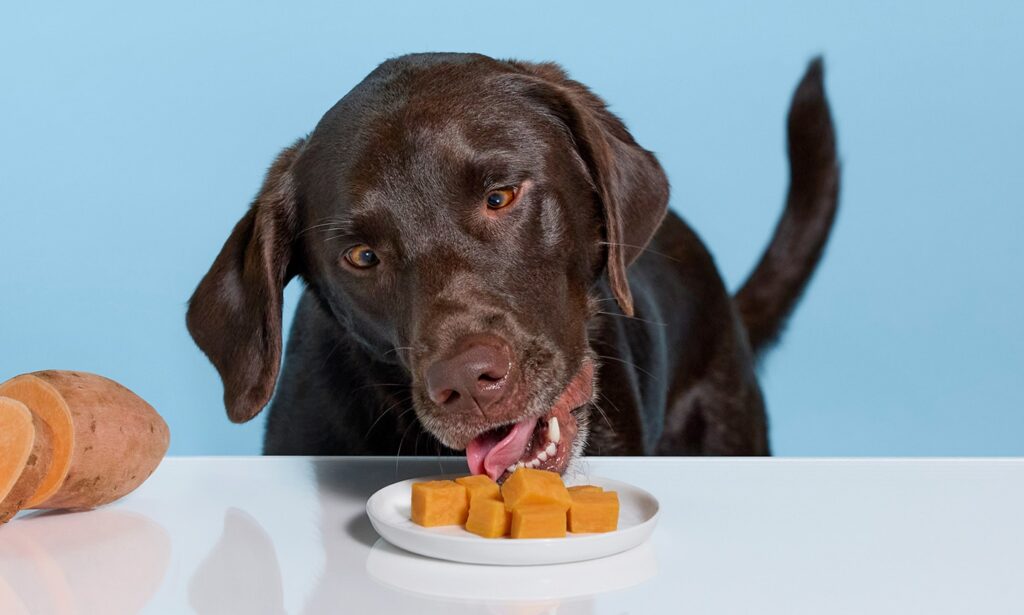
Potatoes provide digestible carbohydrates and some vitamins. They contain vitamin C, vitamin B6, potassium, and fiber when cooked. Raw potatoes contain solanine, a compound that is toxic and must be avoided.
Key nutrients in cooked potato:
- Digestible starch for energy.
- Small amounts of vitamin C and B vitamins.
- Potassium for muscle and nerve function.
- Fiber that can help stool quality in moderate amounts.
If you are wondering are potatoes in dog food bad for nutrition — they are not inherently bad. They are a carbohydrate source like rice or sweet potato. Quality and balance matter more than the single ingredient.
Potential risks and concerns
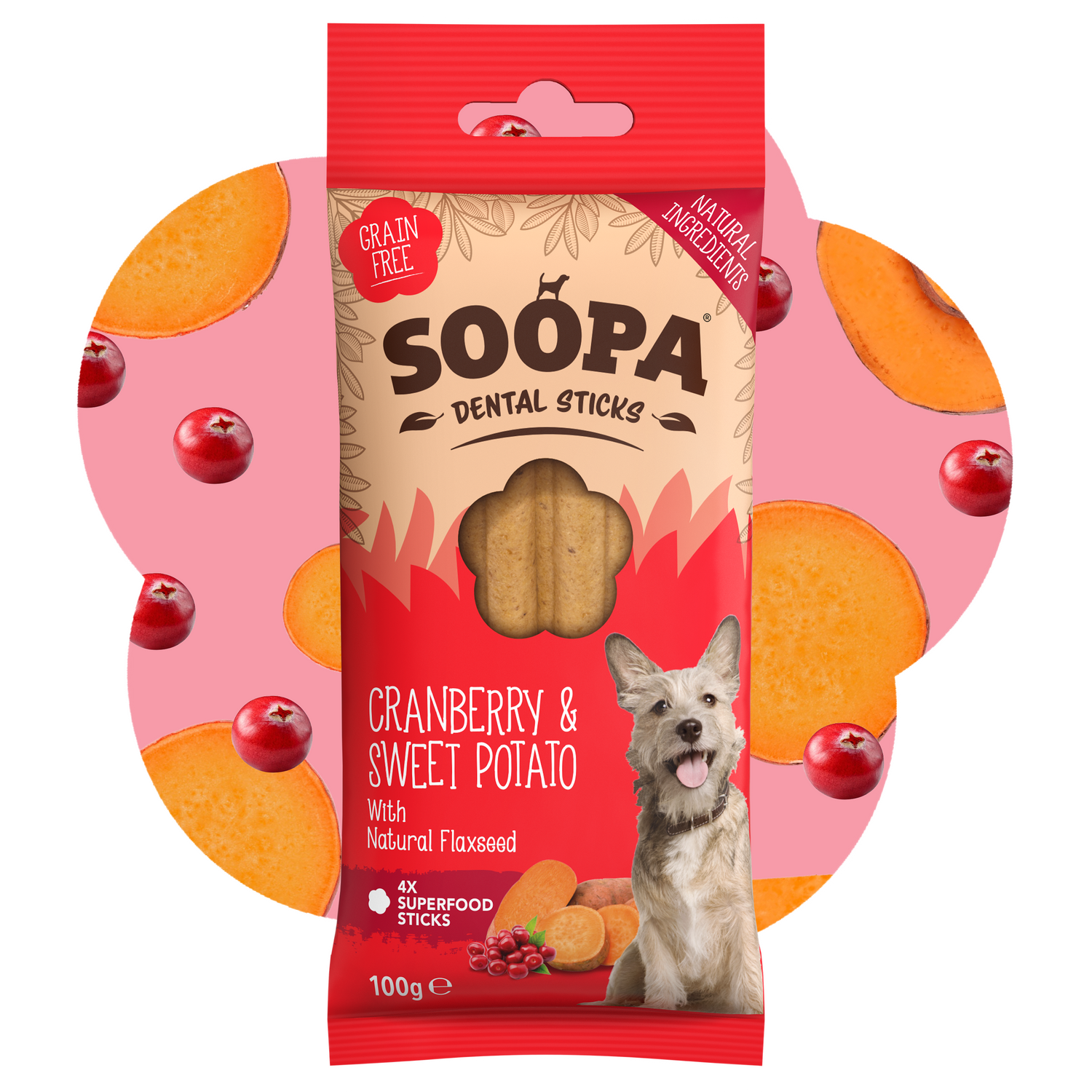
Some risks come with potatoes in dog food. High starch can raise calorie density. Overfeeding can lead to weight gain. Dogs with diabetes or obesity need careful carb control. Allergies to potatoes are rare but possible. Inadequate processing could leave anti-nutrients or solanine in raw potato parts.
Watch for:
- High-calorie formulas that can cause weight gain.
- Dogs with diabetes needing lower carb diets.
- Rare allergic reactions such as itching or GI upset.
- Poorly processed potato ingredients in low-quality foods.
A common worry is: are potatoes in dog food bad because of recalls or controversies? Some recalls involve contaminated ingredients or improper formulation, not potatoes themselves. Check quality, recalls, and the manufacturer’s reputation when you choose food.
Are potatoes linked to canine dilated cardiomyopathy?
The link between grain-free diets and heart problems made owners ask: are potatoes in dog food bad for the heart? Current data suggests that some grain-free diets using legumes and potatoes as main carbs were associated with heart issues in some dogs. However, the cause seems related to diet formulation and nutrient imbalance, not potatoes alone.
Short answer:
- Poorly balanced formulas can lead to nutrient gaps.
- Ensure taurine and key amino acids are adequate in any diet with potatoes.

When potatoes are safe for dogs
Potatoes are safe when cooked and included in balanced diets. Dogs can digest cooked white potatoes and enjoy them in moderation. Many veterinary diets include potato as a carbohydrate source when formulated correctly.
Guidelines for safety:
- Cook potatoes fully and never feed raw potato or peel scraps with green parts.
- Use dog foods from reputable brands that list a balanced nutrient profile.
- Watch portion sizes to avoid excess calories.
- Consult your vet if your dog has diabetes, pancreatitis, or obesity.
If you feed homemade meals, include protein and fat balance and consult a nutritionist to avoid deficiencies. Are potatoes in dog food bad in these cases? Not if formulas are complete and tailored to your dog.

How to choose dog food with potatoes
Choosing a good dog food that contains potatoes is about balance and quality. Look beyond the potato label claim. Read the guaranteed analysis and ingredient order. Prefer named meats as top ingredients and check for complete nutrition statements.
Checklist:
- First ingredients: quality protein listed before potatoes.
- Nutritional adequacy statement on the label.
- Balanced levels of protein, fat, and fiber for your dog's life stage.
- No controversial fillers or unlisted additives.
If you wonder are potatoes in dog food bad because of the "grain-free" trend, remember that grain-free is not automatically better. Focus on overall nutrition and vet guidance.
Alternatives to potatoes in dog food
If you prefer to avoid potatoes, there are many alternatives that give carbs and fiber. Each has pros and cons.
Common alternatives:
- Rice — mild, digestible, and common in many diets.
- Oats — good fiber and gentle on the stomach.
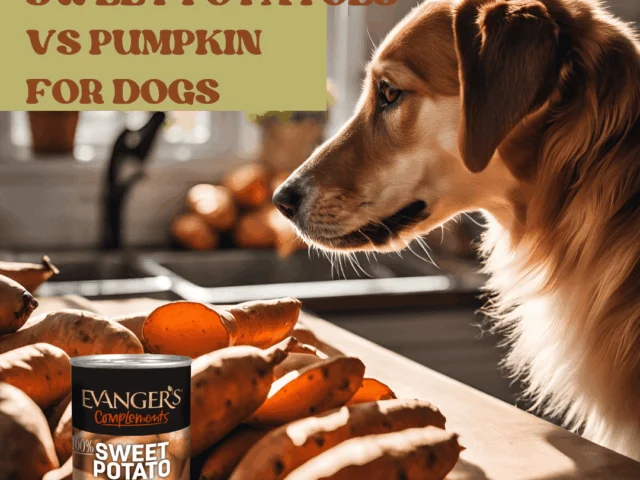
- Sweet potato — higher in fiber and beta-carotene.
- Peas or lentils — protein and fiber, but monitor for formulation balance.
Decide based on your dog’s needs. Ask: are potatoes in dog food bad for my dog specifically? If yes, try a vetted alternative formula.

Personal experience and practical tips
I’ve reviewed dozens of dog foods and helped owners transition pets with sensitive stomachs. In practice, I found:
- Dogs often do well with small potato inclusion in balanced kibble.
- Some dogs showed better stool quality when switched from low-quality potato-heavy foods to higher-protein formulas.
- Owners sometimes equated "potato" with cheap filler. That isn’t always true. Quality matters.
Practical tips:
- Introduce new food slowly over 7–10 days.
- Monitor weight, coat, and stool for signs of intolerance.
- If your dog has health issues, ask your vet about carbohydrate levels and whether are potatoes in dog food bad for them.
From experience, many worries ease after a short trial with clear monitoring.
PAA-style quick questions
Are potatoes in dog food bad for dogs with allergies?
Most dogs are not allergic to potatoes, but any food can trigger allergies; monitor symptoms and consult your vet.
Do cooked potatoes in dog food cause weight gain?
Cooked potatoes add calories. Overfeeding calorie-dense food can cause weight gain, so control portions.
Can raw potatoes be toxic to dogs?
Yes. Raw potatoes and green potato parts contain solanine and can be toxic. Always ensure potatoes are cooked.
Frequently Asked Questions of are potatoes in dog food bad
Are potatoes in dog food bad for weight management?
Potatoes add digestible carbs and calories. For dogs prone to weight gain, choose lower-calorie or higher-protein diets and watch portions.
Can potatoes cause allergies in dogs?
Potato allergies are uncommon but possible. Signs include itching, ear infections, or gastrointestinal upset, and a vet can help diagnose.
Should puppies eat food with potatoes?
Puppies need complete, balanced puppy diets. Potato can be an ingredient if the formula meets growth and development nutrient needs.
Are potatoes linked to heart disease in dogs?
Potatoes alone are not proven to cause heart disease. Some grain-free diets with potatoes were implicated when diets were imbalanced, so balance matters most.
Is homemade potato-based dog food safe?
Homemade meals with potato can be safe if balanced for protein, fat, vitamins, and minerals. Consult a vet or pet nutritionist to avoid nutrient gaps.
Conclusion
Potatoes in dog food are not inherently bad. The key is balance, processing, and your dog’s health. Choose reputable brands, watch portions, and consult your vet for specific concerns. Try small diet changes, track your dog’s response, and prioritize complete nutrition over single-ingredient fears. If this helped, explore trusted feeding guides, talk to your vet, or leave a comment with your dog’s story.