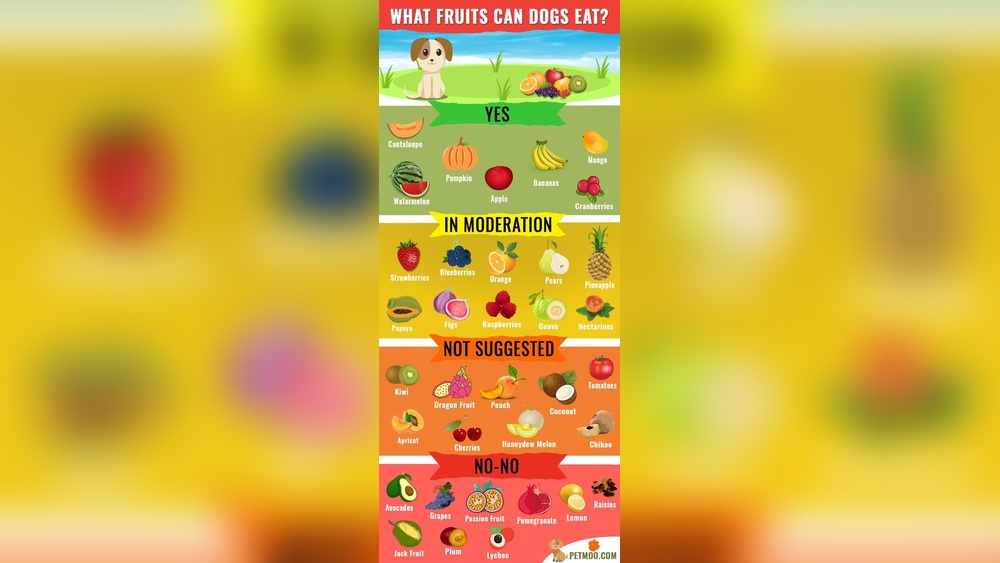
Can Dogs Eat Cantaloupe?
When the summer sun is blazing, few things are as refreshing as a slice of juicy cantaloupe. If you’re a dog owner, you’ve probably seen your furry friend eyeing your snack with curiosity or even hope. But before you share, it’s important to ask: Can dogs eat cantaloupe? The answer is yes—dogs can safely enjoy this sweet fruit in moderation. But there’s more to the story than a simple yes or no. Understanding the benefits, risks, proper serving methods, and what to avoid will help you make the healthiest choice for your pet. This article explores everything you need to know about dogs and cantaloupe, from nutrition facts to serving tips, so you can offer your dog a treat without worry.
Is Cantaloupe Safe For Dogs?
The good news is that cantaloupe is not toxic to dogs. In fact, many veterinarians say it’s a healthy snack when fed properly. The flesh of the fruit is low in calories and packed with nutrients. However, not all parts of the cantaloupe are safe. The rind and seeds can cause digestive problems and even choking. Like many fruits, cantaloupe should be an occasional treat, not a main part of your dog’s diet.
Dogs have different digestive systems than humans. What’s safe for us is not always safe for them. Some foods that seem harmless can be dangerous, so it’s smart to check before sharing.
Nutritional Value Of Cantaloupe
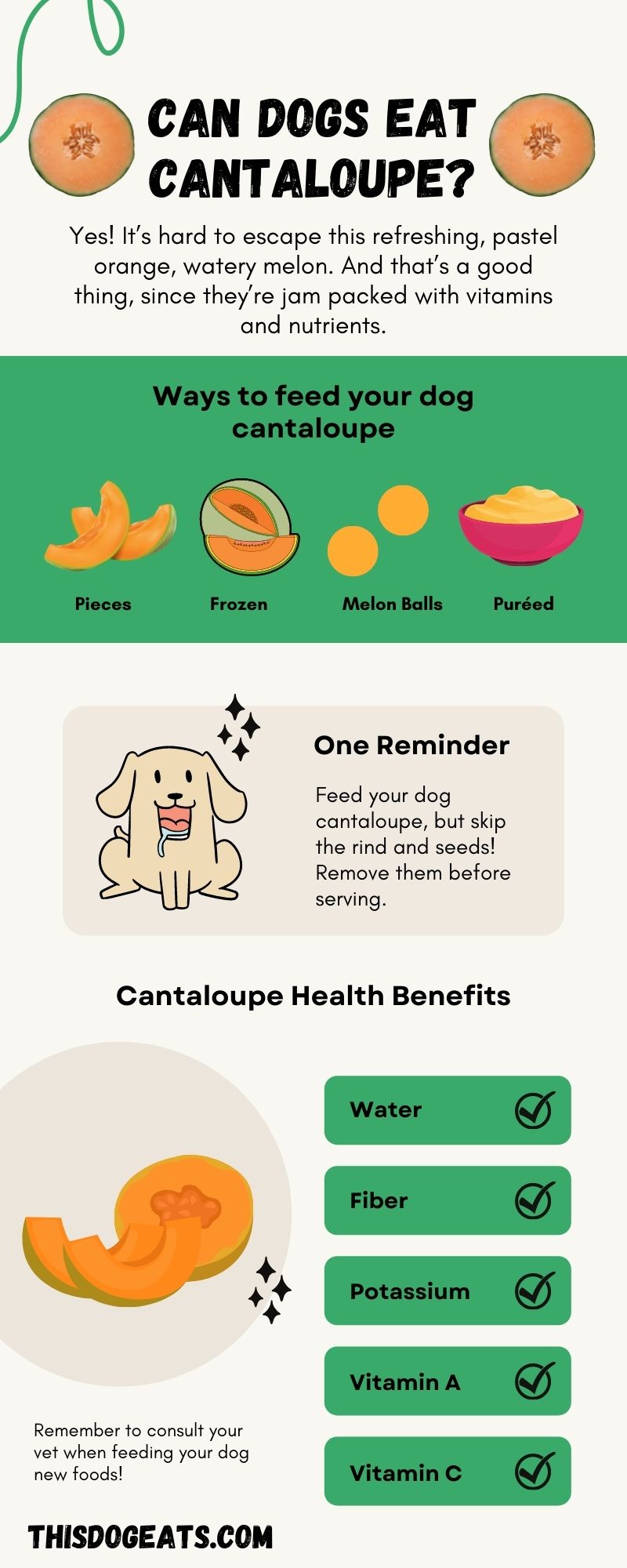
Cantaloupe is more than just a sweet snack. It’s a nutrient powerhouse. Here’s a look at what cantaloupe offers per 100 grams:
| Nutrient | Amount | Benefit for Dogs |
|---|---|---|
| Calories | 34 kcal | Low calorie treat |
| Water | 90% | Keeps dogs hydrated |
| Vitamin A | 169 mcg | Eye and skin health |
| Vitamin C | 36.7 mg | Boosts immunity |
| Fiber | 0.9 g | Supports digestion |
| Potasium | 267 mg | Heart health |
| Carbohydrates | 8.2 g | Energy source |
| Sugar | 7.9 g | Sweetness (use in moderation) |
Cantaloupe also contains antioxidants like beta-carotene and lutein. These help fight cell damage and support your dog’s overall health.
Health Benefits Of Cantaloupe For Dogs
When served properly, cantaloupe offers several health benefits:
- Hydration: With its high water content, cantaloupe helps keep your dog hydrated, especially during hot days or after exercise.
- Low Calorie Treat: Unlike many dog treats that are high in fat or calories, cantaloupe is light and healthy. It’s a good option for dogs on a diet.
- Rich in Vitamins: Vitamin A supports skin and eye health. Vitamin C helps the immune system, fights inflammation, and may slow aging in older dogs.
- Digestive Health: The fiber in cantaloupe can support healthy digestion and regular bowel movements.
- Antioxidants: Compounds like beta-carotene support cell health and may reduce the risk of some chronic diseases.
- Natural Sweetness: Dogs love the natural sweetness, making it useful for training or as a reward.
Non-obvious Insights
- Most people don’t realize that older dogs often have weaker immune systems. The vitamin C in cantaloupe can give a small immune boost, even though dogs make some vitamin C naturally.
- While cantaloupe is not a substitute for water, it can help dogs who dislike drinking stay a bit more hydrated, especially in hot climates.
Risks And Precautions When Feeding Dogs Cantaloupe
Even healthy treats can have risks if not given properly. Here’s what you should watch for:
Potential Risks
- Choking Hazard: The rind is tough and can block your dog’s airway or digestive tract.
- Digestive Upset: Too much cantaloupe, or giving it to a dog with a sensitive stomach, can cause diarrhea or vomiting.
- High Sugar Content: Cantaloupe is sweet. Too much sugar can lead to weight gain, dental issues, or worsen diabetes.
- Allergic Reaction: Rarely, some dogs may be allergic. Watch for itching, swelling, or trouble breathing.
Dogs Who Should Avoid Cantaloupe
Some dogs should not eat cantaloupe, or only in tiny amounts:
- Dogs with diabetes
- Overweight or obese dogs (due to sugar content)
- Dogs with a history of pancreatitis
- Very young puppies (their digestive systems are sensitive)
- Dogs with certain food allergies
If your dog has any health problems, always check with your vet before introducing new foods.
Serving Size Guidelines
How much cantaloupe is safe? Start small. For most dogs, a few small cubes (1-2 per 10 pounds of body weight) are enough. Too much, even of a healthy food, can cause problems.
| Dog Size | Suggested Serving | Frequency |
|---|---|---|
| Small (under 20 lbs) | 1-2 cubes | 1-2 times a week |
| Medium (20-50 lbs) | 3-5 cubes | 1-2 times a week |
| Large (50+ lbs) | 5-8 cubes | 1-2 times a week |
Don’t feed cantaloupe every day. Treats (including fruit) should be less than 10% of your dog’s daily food.
What To Do If Your Dog Eats Too Much
If your dog sneaks a large amount of cantaloupe, watch for:
- Vomiting or diarrhea
- Signs of stomach pain (whining, restlessness)
- Loss of appetite
Usually, these symptoms pass, but call your vet if they last more than a few hours or if your dog seems very unwell.
How To Serve Cantaloupe To Dogs
Feeding cantaloupe the right way makes all the difference. Here’s a simple step-by-step guide.
Safe Preparation Steps
- Wash the Cantaloupe: Even though dogs don’t eat the skin, washing removes dirt and germs.
- Cut Off the Rind: Only the orange flesh is safe. The rind is too tough and can cause choking or blockages.
- Remove Seeds: Seeds can be a choking hazard and cause stomach upset.
- Cut Into Small Pieces: Make bite-sized cubes or thin slices. This reduces choking risk.
- Serve Fresh: Don’t add sugar or seasoning. Dogs don’t need extra flavors.
Creative Ways To Give Cantaloupe
- Frozen Cubes: Freeze cantaloupe pieces for a cool summer treat.
- Mix With Dog Food: Add a few small pieces to your dog’s regular meal for a flavor boost.
- Homemade Fruit Pops: Blend cantaloupe with plain yogurt and freeze in ice cube trays.
- Training Treats: Use small bits for positive reinforcement during training.
What To Avoid
- Never give cantaloupe rind or large pieces.
- Don’t serve canned or sweetened cantaloupe. These often have added sugar or syrups.
- Avoid giving cantaloupe with other risky fruits (like grapes or raisins).
Signs Of Cantaloupe Allergy Or Intolerance In Dogs
Most dogs tolerate cantaloupe well, but a few may react badly. Here’s what to watch for, especially the first few times:
- Itching or scratching
- Swelling around the mouth or face
- Hives or red skin
- Vomiting or diarrhea
- Coughing or trouble breathing
If you notice these, stop giving cantaloupe and contact your vet. Allergic reactions are rare, but they can be serious.
Comparing Cantaloupe To Other Fruits For Dogs
Not all fruits are equal when it comes to dog safety. Here’s a comparison of common fruits:
| Fruit | Dog Safety | Key Benefits | Risks |
|---|---|---|---|
| Cantaloupe | Safe (flesh only) | Hydration, vitamins | High sugar, choking on rind |
| Blueberries | Safe | Antioxidants, fiber | None for most dogs |
| Watermelon | Safe (no seeds/rind) | Hydration, vitamin A, C | Choking on seeds/rind |
| Grapes | Unsafe | None | Toxic, can cause kidney failure |
| Apple | Safe (no seeds/core) | Vitamin A, C, fiber | Choking, cyanide in seeds |
| Banana | Safe (in moderation) | Potasium, fiber | High sugar |
| Pineapple | Safe (flesh only) | Vitamin C, manganese | High sugar, tough core |
Cantaloupe offers a balance of hydration and nutrients, but as with all fruits, moderation is key.
Real-life Examples: Dogs Enjoying Cantaloupe
Dog owners often share stories about how much their pets love cantaloupe. For example, a Labrador named Rocky used to suffer from dry, itchy skin in the summer. After his owner started giving him a few cubes of cantaloupe each week, his coat looked shinier and he seemed more comfortable.
While this isn’t a scientific study, it shows how simple changes can sometimes make a big difference.
Another owner, with a Pomeranian who disliked drinking water, found that frozen cantaloupe cubes encouraged her dog to stay hydrated during heat waves. Creative solutions like this can help picky eaters or dogs with special needs.

Credit: www.loonawell.com
Common Mistakes To Avoid
Even well-meaning dog owners make mistakes when feeding cantaloupe. Here are some to watch out for:
- Giving the Rind: The tough outer layer is not safe. Always remove it.
- Serving Large Pieces: Dogs can choke. Keep portions small and manageable.
- Feeding Too Much: Too much fruit can upset your dog’s stomach or cause weight gain.
- Ignoring Health Conditions: If your dog has diabetes or is overweight, fruit is not a good treat.
- Not Watching for Allergies: Always try a small amount first to check for reactions.
- Using Canned Cantaloupe: Added sugar and preservatives are unhealthy for dogs.
It’s easy to get excited about sharing treats, but careful preparation is key.
How Veterinarians View Cantaloupe For Dogs
Most veterinarians agree that cantaloupe is a safe, healthy treat for dogs—if given in moderation and prepared properly. It can be especially useful for dogs who need to lose weight, since it’s low in calories. Some vets even recommend it as a replacement for fatty or processed treats.
However, vets warn that the rind and seeds should never be given. They also remind owners that fruit should not replace a balanced dog diet. If your dog has a medical condition, consult your vet before adding new foods.
For more expert advice, you can read the position of the American Kennel Club on feeding cantaloupe to dogs.
When To Call The Vet
You should contact your vet if your dog:
- Eats a large amount of rind or seeds
- Shows signs of choking or has trouble breathing
- Has ongoing vomiting or diarrhea after eating cantaloupe
- Shows signs of an allergic reaction (swelling, hives, trouble breathing)
Quick action can prevent a small problem from becoming a big emergency.
Fun Ways To Use Cantaloupe In Homemade Dog Treats
Cantaloupe can add flavor and nutrition to DIY treats. Here are a few ideas:
1. Cantaloupe And Yogurt Pops
- Blend cantaloupe with plain, unsweetened yogurt.
- Pour the mixture into an ice cube tray.
- Freeze for 4-5 hours.
- Serve as a cool snack on hot days.
2. Cantaloupe “sorbet”
- Puree fresh cantaloupe.
- Freeze in small silicone molds.
- Pop out and serve as a single-ingredient dessert.
3. Fruit And Veggie Mix
- Mix small cubes of cantaloupe with safe veggies like carrots or cucumbers.
- Use as a crunchy topping for your dog’s regular food.
These treats are not only tasty, but also help add variety to your dog’s diet.
Can Puppies Eat Cantaloupe?
Puppies are curious and love to try new foods, but their digestive systems are more sensitive than adults. You can give puppies a tiny amount of cantaloupe (pea-sized pieces) as a treat once they are eating solid food—usually after 8 weeks of age.
Always monitor your puppy closely. If you notice any stomach upset or allergy signs, stop giving the fruit. Avoid giving cantaloupe to puppies under 8 weeks, as they need a special diet for healthy growth.
Cantaloupe And Special Diets
Some dogs need special diets for health reasons. If your dog is on a prescription diet or has a medical condition (like kidney disease, pancreatitis, or diabetes), ask your vet before feeding cantaloupe. Sometimes even healthy foods can interfere with treatment.
Dogs with food allergies may need extra caution. If your dog is allergic to other fruits or has a sensitive stomach, introduce cantaloupe slowly.
Credit: nilds.gov.ng
The Bottom Line
Cantaloupe is a safe, healthy, and delicious treat for most dogs when served properly. Its high water content helps with hydration, while vitamins and antioxidants support your dog’s health. Always remove the rind and seeds, cut into bite-sized pieces, and feed in moderation.
Never let treats (including fruit) make up more than 10% of your dog’s diet. Watch for signs of allergies or stomach problems, especially the first time you offer cantaloupe.
As a dog owner, your goal is to keep your pet healthy and happy. By following these guidelines, you can safely share the sweet taste of summer with your four-legged friend.
Frequently Asked Questions
Can Dogs Eat Cantaloupe Seeds?
No, dogs should not eat cantaloupe seeds. The seeds can be a choking hazard and may cause digestive upset or even blockages. Always remove all seeds before giving cantaloupe to your dog.
Is Cantaloupe Good For Dogs With Diabetes?
Cantaloupe is high in natural sugar, which can raise blood sugar levels. If your dog has diabetes, it’s best to avoid cantaloupe or talk to your vet before offering any. Diabetic dogs need strict control over their sugar intake.
How Often Can I Feed My Dog Cantaloupe?
Cantaloupe should be an occasional treat. For most dogs, 1-2 times per week is enough. Too much fruit can cause stomach upset or add unnecessary sugar and calories.
Can I Give My Dog Frozen Cantaloupe?
Yes, frozen cantaloupe cubes are a safe and fun way to help your dog cool down in summer. Just make sure the pieces are small and the rind and seeds are removed. Some dogs love the crunchy texture.
What Should I Do If My Dog Eats Cantaloupe Rind?
If your dog eats the cantaloupe rind, watch closely for signs of choking, vomiting, or stomach pain. The rind is tough to digest and can cause blockages. If you see any worrying symptoms, call your vet right away.
With the right preparation and portion size, cantaloupe can be a sweet, healthy addition to your dog’s treat menu. Every dog is different, so always start small and watch for any unusual reactions. Your dog’s health is worth it!

Credit: petcube.com