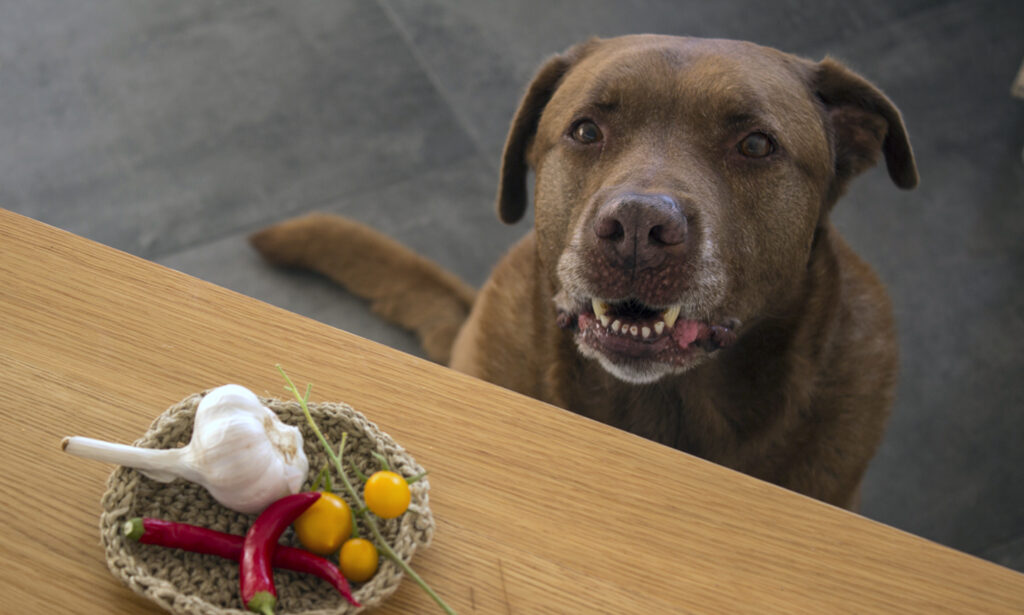
Dogs should not eat food with garlic, because garlic can damage their red blood cells.
If you’ve ever wondered whether a little garlic in your dog’s food is harmless or dangerous, you’re asking the right question. Can dogs eat food with garlic is one of those topics that sounds simple at first, but the truth matters a lot for your dog’s health. I’ve seen many pet owners assume “a small amount won’t hurt,” yet garlic is one of the foods that can become risky fast, especially in regular meals.
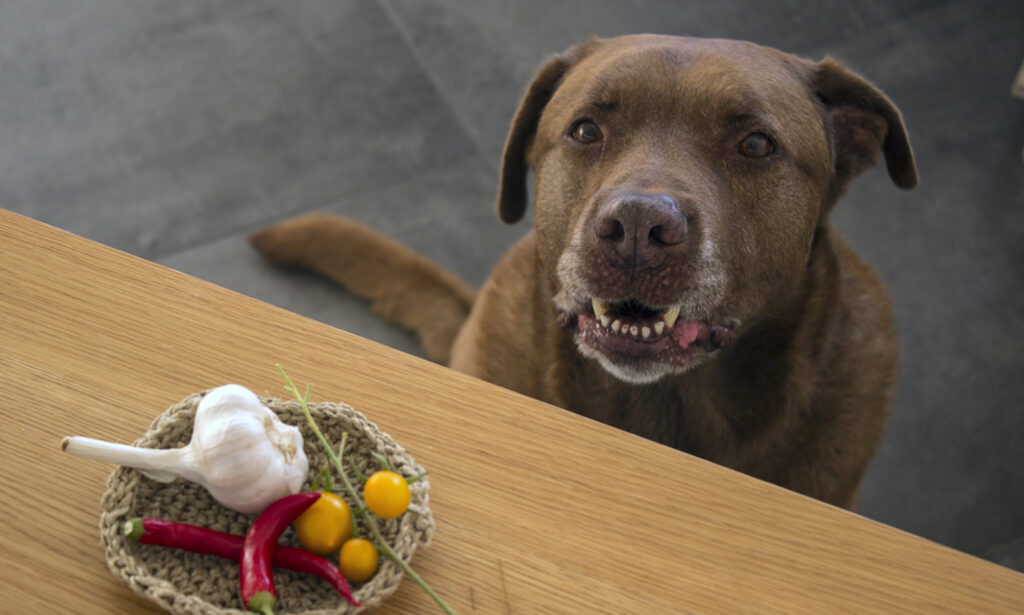
Why garlic is a problem for dogs
Garlic is part of the allium family, along with onions, leeks, and chives. These foods contain compounds that can harm dogs by damaging red blood cells. When that happens, the blood cannot carry oxygen as well as it should.
Can dogs eat food with garlic? The safe answer is no, not as a regular ingredient and not in meals made for people. Even though garlic is often praised in human food, dogs process it very differently. A tiny taste may not always cause a major emergency, but the risk is real and not worth testing.
The issue is not just the garlic powder on top of a dish. Garlic can show up in sauces, marinades, broths, seasoned meat, bread, and restaurant leftovers. That makes accidental exposure more common than many people think.

How garlic affects a dog’s body
Garlic contains sulfur compounds that can lead to oxidative damage in dogs. This damage can weaken or destroy red blood cells. When enough red blood cells are affected, a dog may develop anemia.
Can dogs eat food with garlic in small amounts? Some people ask this because they have heard that garlic is used in tiny doses in old home remedies. But in real life, the line between “tiny” and “too much” is hard to judge, and the margin for error is not forgiving.
Signs of garlic-related toxicity can include:
• Weakness or tiredness
• Pale gums
• Vomiting
• Diarrhea
• Fast breathing
• Dark urine
• Loss of appetite
• Less interest in play or walking
I’ve noticed in practice that owners often miss the early signs because they look like simple stomach upset or a lazy day. That is why garlic exposure deserves attention, even when the amount seems small.
Is a little garlic ever safe for dogs?
This is where things get tricky. Toxicity depends on the amount eaten, the dog’s size, the dog’s health, and how often garlic is given. A big dog may tolerate more than a small dog, but that does not make garlic a good idea.
Can dogs eat food with garlic if it is only a tiny amount? Even then, I would not treat it as safe. The risk can build up over time, especially if a dog eats garlic in leftovers, homemade food, or treats several times a week.
Here are the biggest factors that change the risk:
• Dog size and weight
• Form of garlic, such as raw, cooked, powder, or dehydrated
• How often the dog eats it
• Whether the meal also contains onion or other alliums
• The dog’s age and health status
A mistake I often see is people thinking cooked garlic is harmless because it smells softer. Cooking does not remove the problem. It may change the flavor, but it does not make garlic safe for dogs.
Symptoms to watch for after garlic exposure
If your dog ate food with garlic, watch closely for changes over the next several hours and days. Symptoms may not show up right away. In some cases, signs appear slowly because red blood cells are affected over time.
Common warning signs include:
• Vomiting or drooling
• Belly pain
• Diarrhea
• Lethargy
• Pale or white gums
• Fast heart rate
• Weakness or wobbling
• Red or brown urine
• Collapse in severe cases
Can dogs eat food with garlic without getting sick every time? Sometimes a dog may seem fine after one exposure, but that does not mean it was safe. Toxic effects can be delayed, and repeated exposure can make the problem worse.
If your dog ate a garlic-heavy meal, call your vet or an animal poison helpline right away. Quick action is one of the best ways to reduce harm.
What to do if your dog eats garlic
Stay calm, but act fast. Panic does not help, and neither does waiting to “see what happens” if the amount was more than a bite. The safest move is to contact a veterinarian promptly.
Follow these steps:
- Remove the food so your dog cannot eat more.
- Check what was in the dish, including garlic powder, onion, broth, or seasoning.
- Estimate how much your dog ate.
- Call your vet or emergency clinic.
- Follow the advice you are given, which may include observation or treatment.
Can dogs eat food with garlic if it was just one bite from your plate? I would still call and ask, especially if the food was heavily seasoned. Dogs can be small, and what looks like a tiny bite to us can be a lot for them.
Do not try home remedies unless a vet tells you to. Forcing vomiting can be dangerous in the wrong situation, and timing matters. Professional advice is the safest path.
Foods that often hide garlic
One of the hardest parts about garlic safety is that it hides in everyday foods. Many dogs are not given plain garlic cloves. They are exposed through shared meals, scraps, and packaged foods.
Watch for garlic in:
• Pasta sauce
• Pizza
• Garlic bread
• Seasoned chicken or meat
• Soups and stews
• Gravy
• Frozen meals
• Broths and stocks
• Marinades
• Baby food and sauces
Can dogs eat food with garlic if it is mixed into a recipe? That is often more dangerous than a plain clove, because the garlic may be harder to notice and easier to repeat. This is where label reading matters.
A practical habit I recommend is checking ingredient labels before sharing anything with your dog. If garlic, onion, leek, or chive appears, skip it.
Are there any benefits of garlic for dogs?
Some people believe garlic has health benefits for dogs, such as flea control or immune support. Those claims are popular, but they are not strong enough to outweigh the risks in most dogs. The safety concerns are more important than the supposed upside.
Can dogs eat food with garlic because it might help them? In a general pet care setting, I would not recommend relying on garlic for any health benefit. The dose is hard to control, and there are safer ways to support your dog’s health.
If you want your dog to do well, focus on proven basics:
• Balanced dog food
• Fresh water
• Regular exercise
• Parasite prevention
• Vet checkups
• Safe treats made for dogs
That approach is much more reliable than using garlic as a wellness shortcut.
Safer ways to flavor dog food
If your goal is to make your dog’s food more appealing, there are safer options than garlic. Dogs often enjoy simple, mild flavors. You can add taste without adding risk.
Safer choices include:
• Plain cooked chicken
• Plain turkey
• Small amounts of pumpkin
• Plain green beans
• Plain carrots
• A spoon of wet dog food mixed into kibble
• Dog-safe bone broth made without onion or garlic
Can dogs eat food with garlic instead of these options? No, and the safer swaps are usually just as effective for picky eaters. In my experience, dogs care more about smell and texture than fancy seasoning.
Start small when introducing anything new. A little plain cooked meat or warm water on kibble can often do the trick.
How much garlic is toxic to dogs?
There is no single safe amount for every dog. Toxicity depends on body weight, the garlic form, and how often exposure happens. Smaller dogs are usually at greater risk because even a small amount can be more concentrated in their system.
Can dogs eat food with garlic if the amount seems tiny? The problem is that “tiny” is not a reliable measurement in a real kitchen. A pinch of garlic powder, a clove in soup, or a slice of seasoned meat can still matter, especially for toy breeds and puppies.
Veterinary toxicology sources commonly warn that garlic is more potent than many owners expect. Since the dose is hard to judge and the consequences can be serious, the safest rule is simple: avoid garlic in dog food.
Frequently Asked Questions of Can dogs eat food with garlic
Can dogs eat food with garlic if it is cooked?
No, cooking does not make garlic safe for dogs. The compounds that can harm red blood cells can still be present after cooking.
What if my dog only licked food with garlic?
A small lick may not cause a problem, but you should still watch your dog closely. If the food was very garlic-heavy or your dog is small, call your vet for advice.
Is garlic powder worse than fresh garlic?
Garlic powder can be more concentrated by volume, so it may be easier to overdo it. It is still unsafe for dogs because the same toxic compounds are present.
Can puppies eat food with garlic?
No, puppies should not eat food with garlic. Their smaller size and developing bodies make them more vulnerable to harmful effects.
What should I do if my dog ate garlic bread?
Call your vet and explain what happened, including how much may have been eaten. Garlic bread can also contain butter, salt, and other ingredients that may upset your dog’s stomach.
Conclusion
Can dogs eat food with garlic? The answer is no, and the safest choice is to keep garlic out of your dog’s meals entirely. Garlic can damage red blood cells, cause anemia, and create serious health problems, especially when dogs eat it more than once or in larger amounts.
The good news is that protecting your dog is easy once you know where garlic hides. Read labels, avoid table scraps, and choose dog-safe foods that give flavor without the risk. If you ever suspect your dog ate garlic, contact your vet right away and act early.