Can Dogs Eat Fruit Popsicles?
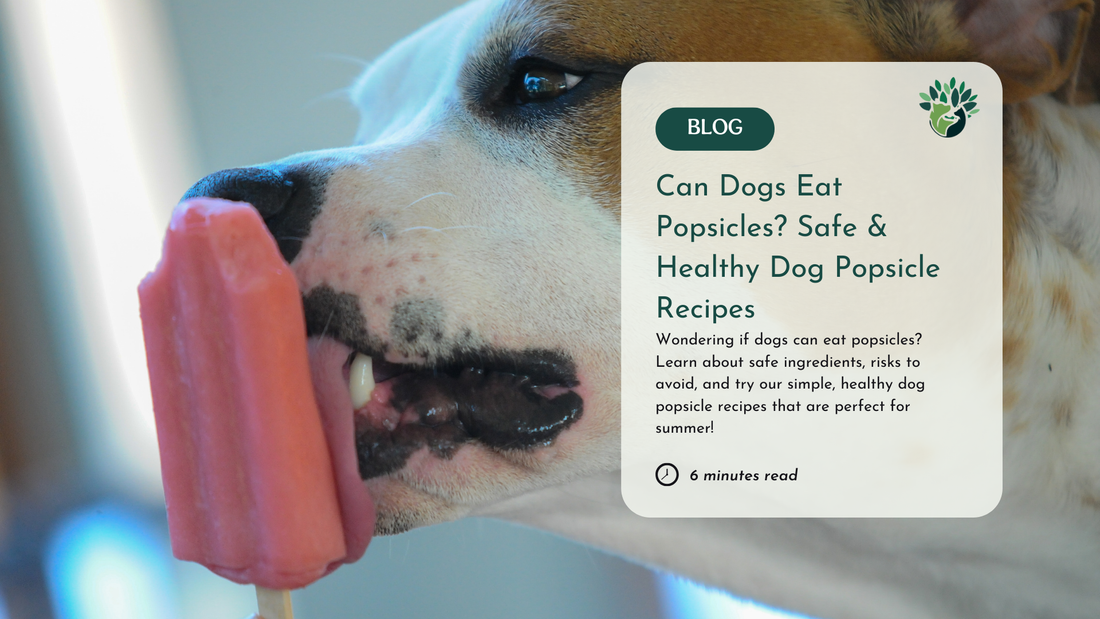
When summer comes and the heat rises, many people reach for a cold, sweet treat. For dog owners, it’s common to wonder if their furry friends can enjoy a cool snack too. Fruit popsicles seem healthy, colorful, and fun. But can dogs eat fruit popsicles safely? The answer is not as simple as a quick yes or no. This guide breaks down everything you need to know about fruit popsicles and your dog’s health.
Dogs and sweet treats often seem like a good match. After all, they love to taste what their humans are enjoying. But while some fruits and frozen treats are safe, others can lead to health problems. Many dog owners don’t realize that even natural ingredients can be risky if served incorrectly.
Plus, store-bought popsicles can have hidden dangers like artificial sweeteners or xylitol, which are toxic to dogs.
This article explains which types of fruit popsicles are safe for dogs, the benefits and risks, how to prepare homemade options, and what to avoid. You’ll also learn practical tips, common mistakes, and answers to questions most pet parents ask.
If you want your dog to stay cool without risking their health, keep reading for a complete guide.
Are Fruit Popsicles Safe For Dogs?
Not all fruit popsicles are created equal. The safety of fruit popsicles for dogs depends on ingredients, portion size, and how often you give them. Understanding these factors can prevent problems before they start.
Ingredients Matter
The main concern with fruit popsicles is what’s inside. Many store-bought popsicles contain:
- Added sugar
- Artificial sweeteners (like xylitol)
- Artificial flavors and colors
- Dairy or milk products
- Preservatives
Xylitol is extremely toxic to dogs, even in small amounts. Some fruit popsicles may also contain grapes or raisins, which are also dangerous. Even natural sugars can upset a dog’s stomach if given in large quantities.
Natural Vs. Store-bought Popsicles
There is a big difference between homemade, single-ingredient fruit popsicles and commercial products. Homemade popsicles, made with dog-safe fruits and water, are generally safe in moderation. Store-bought products, however, can hide unsafe ingredients.
Key insight: Always read the label before giving your dog any human treat. If you’re unsure, it’s best to skip it.
Portion Size And Frequency
Even healthy treats should not replace a balanced dog diet. Overfeeding popsicles, even those made with safe fruit, can lead to:
- Stomach upset (diarrhea or vomiting)
- Weight gain
- Blood sugar spikes, especially in small breeds
A small amount, given occasionally, is the safest approach.
Benefits Of Fruit Popsicles For Dogs
Why consider fruit popsicles for your dog at all? When made with the right ingredients, they offer several benefits, especially during hot weather.
Hydration
Dogs can become dehydrated quickly, especially in summer. Fruit popsicles made mostly of water and safe fruits can help keep your pet hydrated. This is important for breeds with thick coats or those prone to overheating.
Enrichment And Fun
Chewing and licking a cold popsicle can be mentally stimulating for dogs. It’s a simple way to add variety to their routine and reduce boredom, especially for dogs left alone during the day.
Nutrients
Some fruits, like blueberries or watermelon, are rich in vitamins and antioxidants. When used in moderation, they can support your dog’s immune system and provide a natural energy boost.
Cooling Effect
A cold snack can help lower your dog’s body temperature. This is useful for breeds that suffer in the heat or for senior dogs who struggle to regulate their temperature.
Non-obvious insight: Some dogs prefer licking to chewing, so popsicles can be safer than hard treats for those with dental problems.

Credit: www.reddit.com
Risks And Dangers Of Fruit Popsicles For Dogs
While fruit popsicles can be a safe treat, there are real dangers to be aware of.
Toxic Ingredients
As mentioned, certain fruits and additives are dangerous. The biggest offenders include:
- Xylitol (an artificial sweetener)
- Grapes and raisins
- Chocolate
- Macadamia nuts
- Caffeine
- Avocado
Even small traces can cause poisoning.
Excess Sugar
Too much sugar, even from natural sources, can cause:
- Hyperactivity
- Dental problems
- Obesity
- Long-term issues like diabetes
Remember, a dog’s digestive system is not built to handle high sugar the way humans can.
Choking Hazards
Some popsicles contain large fruit chunks, seeds, or even sticks that can cause choking. Always supervise your dog and avoid giving them popsicles with hard or large pieces.
Allergic Reactions
Dogs, like people, can be allergic to some fruits. Watch for signs like:
- Itching
- Swelling
- Vomiting or diarrhea
- Trouble breathing
If you see these symptoms, stop all treats and call your vet.
Table: Common Fruit Popsicle Ingredients And Dog Safety
To help you check quickly, here’s a comparison of common popsicle ingredients and their safety for dogs.
| Ingredient | Safe for Dogs? | Notes |
|---|---|---|
| Watermelon (seedless) | Yes | Low-calorie, hydrating |
| Blueberries | Yes | Rich in antioxidants |
| Banana | Yes, in moderation | High in sugar |
| Grapes/Raisins | No | Highly toxic to dogs |
| Xylitol | No | Extremely toxic |
| Apple (no seeds) | Yes | Remove seeds/core |
| Artificial colors | No | May cause allergies |
| Milk/Dairy | Sometimes | Some dogs are lactose intolerant |
Best Fruits To Use In Dog-friendly Popsicles
Not all fruits are safe, but many make excellent popsicle ingredients. Here’s a closer look at the best options.
Watermelon
Watermelon (with seeds and rind removed) is a top choice. It’s hydrating, low in calories, and most dogs love the taste. The bright color also looks appealing.
Blueberries
Blueberries are small, easy to blend, and packed with antioxidants. They can help support your dog’s immune system and are low in sugar compared to other fruits.
Strawberries
Strawberries provide vitamin C and fiber. They’re a sweet treat but contain moderate sugar, so use them in small amounts.
Apples
Apples are crunchy and refreshing. Be sure to remove all seeds and the core, as these contain cyanide. Thin slices or pureed apple work well for popsicles.
Bananas
Bananas add creaminess to popsicles. They’re high in potassium but also sugar, so limit the quantity. Mash or blend for best results.
Cantaloupe
Cantaloupe is another safe melon that’s full of vitamins A and C. Remove seeds and rind before blending.
Mango
Mango can be used in small amounts, after peeling and removing the pit. It’s high in sugar but has lots of nutrients.
Pear
Pear (without seeds or core) is gentle on the stomach and naturally sweet. Choose ripe, soft pears.
Cranberries
Cranberries (fresh or unsweetened dried) are good for urinary health. They’re tart, so mix with other fruits to balance the flavor.
Pumpkin
Pumpkin is technically a fruit. Use plain, cooked pumpkin for fiber and digestive health.
Practical tip: Try mixing fruits for variety, but introduce new fruits one at a time to watch for allergies.
Fruits And Ingredients To Avoid
Some fruits and common popsicle ingredients are unsafe for dogs. Always avoid the following:
- Grapes and raisins
- Cherries (pits and stems are toxic)
- Citrus fruits (oranges, lemons, limes can upset the stomach)
- Avocado (contains persin, which is toxic)
- Artificial sweeteners (especially xylitol)
- Chocolate or cocoa
- Onions and garlic (sometimes added to savory popsicles)
Important insight: Even small amounts of grapes, raisins, or xylitol can cause kidney failure or death in dogs.
Homemade Fruit Popsicle Recipes For Dogs
Making your own popsicles at home is the safest way to control ingredients and portion size. Here’s how to create dog-friendly fruit popsicles.
Basic Dog-safe Fruit Popsicle Recipe
Ingredients:
- 1 cup chopped seedless watermelon
- ½ cup blueberries
- 1 ripe banana
- ½ cup water
Instructions:
- Place all ingredients in a blender.
- Blend until smooth.
- Pour mixture into ice cube trays or silicone molds.
- Freeze for at least 4 hours.
- Pop out and serve one as a treat.
Serving size: 1-2 small cubes per 20 lbs of body weight.
Approximate prep time: 10 minutes plus freezing.
Practical tip: Use silicone molds shaped like bones or paws for fun.
Apple And Pumpkin Popsicles
Ingredients:
- 1 apple, peeled, cored, and chopped
- ½ cup plain, cooked pumpkin (not pie filling)
- ½ cup water
Instructions:
- Puree the apple and pumpkin with water.
- Pour into molds and freeze.
These are high in fiber and gentle for sensitive stomachs.
Strawberry And Yogurt Swirl Popsicles
Ingredients:
- ½ cup strawberries (hulled)
- ½ cup plain Greek yogurt (unsweetened, no xylitol)
- ¼ cup water
Instructions:
- Puree strawberries with water.
- Spoon strawberry and yogurt into molds, swirling gently.
- Freeze for at least 4 hours.
Check if your dog tolerates dairy before using yogurt.
Mango And Blueberry Bites
Ingredients:
- ½ cup mango, peeled and chopped
- ½ cup blueberries
- ½ cup coconut water (no added sugar)
Instructions:
- Blend mango and coconut water until smooth.
- Drop blueberries into molds and pour over the mango mixture.
- Freeze and serve.
Serving tip: Smaller breeds do better with mini-sized cubes.

Credit: www.reddit.com
How Often Should Dogs Eat Fruit Popsicles?
Treats, including fruit popsicles, should make up less than 10% of your dog’s daily calories. For most dogs, this means:
- 1–2 small popsicles per week for small breeds
- Up to 3–4 for medium to large breeds
Every dog is different. Some can tolerate more fruit than others. Watch for signs of upset stomach and adjust accordingly.
Non-obvious insight: Frozen treats can cause “ice cream headaches” in dogs too. If your dog stops eating or seems uncomfortable, offer smaller pieces.
Store-bought Vs. Homemade Popsicles
Choosing between homemade and store-bought popsicles is important for your dog’s health.
Store-bought Popsicles
Most commercial popsicles are made for humans, not dogs. They often contain:
- Added sugars or syrups
- Artificial sweeteners (especially xylitol)
- Artificial colors and flavors
- Milk or cream
- Fruit concentrates (very high in sugar)
Even brands that claim “natural” or “fruit-based” may not be safe. Always read the ingredients list carefully.
Homemade Popsicles
Homemade popsicles give you full control over what goes inside. You can avoid risky ingredients, adjust for allergies, and create flavors your dog loves.
Key tip: If you must buy a store-bought popsicle, choose unsweetened, single-ingredient fruit bars with no additives. But homemade is always safer.
Table: Store-bought Vs. Homemade Popsicles Comparison
| Factor | Store-Bought | Homemade |
|---|---|---|
| Control Over Ingredients | Low | High |
| Risk of Toxic Additives | High | Low (if made carefully) |
| Cost | Medium to High | Low |
| Customization | Limited | Unlimited |
| Safety | Depends on label | Much safer |
How To Introduce Fruit Popsicles To Your Dog
If your dog has never had fruit popsicles before, introduce them slowly.
- Start with a small piece and watch for any allergic reaction.
- Wait 24–48 hours before offering more.
- Monitor your dog’s stools—soft stools or diarrhea means you should reduce the amount.
- Choose fruits your dog has eaten before without problems.
Experience-based tip: For dogs with sensitive stomachs, start with a single-ingredient popsicle (like pureed watermelon).
Signs Of A Problem: When To Call The Vet
Not all reactions are visible right away. If your dog eats a popsicle with unsafe ingredients, watch for:
- Vomiting
- Diarrhea
- Lethargy or weakness
- Tremors or seizures
- Loss of appetite
- Unusual behavior
If you see these, call your veterinarian immediately.
Non-obvious insight: Sometimes symptoms take several hours to appear, especially with xylitol or grapes. Don’t wait—seek help if you suspect your dog ate something toxic.
Tips For Making Dog Popsicles Fun And Safe
A few simple tricks can make popsicle time both safe and exciting for your dog.
- Use silicone molds in fun shapes—dogs enjoy novelty.
- Add a small dog treat or carrot stick as a “popsicle stick.”
- Freeze low-sodium chicken broth with fruit for a savory twist.
- Mix in a spoonful of plain Greek yogurt for creaminess (if your dog tolerates dairy).
- Rotate flavors so your dog doesn’t get bored.
- Keep popsicles small for easy chewing and to avoid brain freeze.
Practical insight: If you have multiple dogs, supervise treat time to prevent fights over popsicles.
When Popsicles Are Not A Good Idea
Certain health conditions mean popsicles (even healthy ones) should be avoided or strictly limited:
- Diabetic dogs: Even natural sugars can cause dangerous spikes.
- Obese dogs: Extra calories add up quickly.
- Dogs with sensitive stomachs: Some fruits can trigger digestive upset.
Ask your veterinarian before introducing new treats if your dog has any medical condition.
Key tip: Not all dogs enjoy cold treats. If your dog sniffs and walks away, respect their preference.
Real-world Examples And Owner Stories
Many owners have tried fruit popsicles as a summer treat. Here are a few experiences:
- Emily, a Labrador owner in Texas, makes watermelon and blueberry popsicles during heatwaves. Her dog loves the taste and stays hydrated.
- Raj, who owns two pugs, learned the hard way that even small amounts of store-bought popsicles can cause diarrhea. Now he only makes homemade treats.
- Sarah’s senior beagle prefers soft, blended popsicles because he can’t chew hard treats anymore.
Lesson: Every dog is different. Start with small portions and observe how your pet reacts.
Myth Busting: Common Misconceptions About Dogs And Popsicles
Many myths circulate about feeding dogs cold treats. Let’s clear up a few.
1. “all Fruits Are Safe For Dogs.”
False. Grapes, raisins, cherries, and citrus should always be avoided.
2. “dogs Need Sugar For Energy.”
False. Dogs get energy from their regular food, not sugar.
- “If a popsicle is healthy for me, it’s healthy for my dog.”
False. Many human-safe ingredients are toxic to dogs.
- “Dogs can eat as many fruit popsicles as they want.”
False. Too many popsicles can cause stomach upset or weight gain.
- “My dog will tell me if a food is bad for them.”
False. Dogs may eat toxic foods without realizing the danger.
Credit: drruthroberts.com
Table: Safe Fruits For Dogs Vs. Unsafe Fruits
To recap, here’s a quick guide to which fruits are safe and which to avoid.
| Safe Fruits | Unsafe Fruits |
|---|---|
| Watermelon (seedless) | Grapes |
| Blueberries | Raisins |
| Strawberries | Cherries (pits and stems) |
| Apples (no seeds) | Citrus fruits |
| Bananas | Avocado |
| Cantaloupe | Unripe tomatoes |
| Mango (peeled, pitted) | Persimmons (seeds) |
| Pear (no seeds) |
Expert Recommendations
Veterinarians and pet nutritionists agree: treats should be occasional and thoughtfully chosen. The American Kennel Club recommends avoiding all products with xylitol, grapes, raisins, and artificial sweeteners. They also suggest introducing new foods slowly and monitoring for reactions.
For more on safe foods for dogs, you can visit the ASPCA’s toxic and non-toxic plant list.
Frequently Asked Questions
Can Puppies Eat Fruit Popsicles?
Puppies can have fruit popsicles in small amounts if made from dog-safe fruits and water. Avoid dairy, added sugar, and any unsafe fruits. Start with tiny pieces and watch for stomach upset.
What Should I Do If My Dog Eats A Popsicle With Xylitol?
If your dog eats any food with xylitol, seek emergency veterinary care immediately. Xylitol can cause a dangerous drop in blood sugar and liver failure. Do not wait for symptoms.
Are There Any Fruits That Are Always Safe For All Dogs?
Most dogs can enjoy watermelon (seedless), blueberries, and apples (no seeds) without problems. However, every dog is different. Always introduce new fruits slowly and in small amounts.
Can I Use Frozen Vegetables In Popsicles For My Dog?
Yes, many dogs enjoy frozen carrots, green beans, or peas. Avoid onions, garlic, and any vegetables known to be toxic to dogs. Vegetables can add variety and are lower in sugar than fruit.
Is It Okay To Give My Dog Ice Cubes Instead Of Popsicles?
Plain ice cubes are safe for most dogs, but they offer no nutrients. Popsicles made with safe fruits provide more flavor and vitamins. For teething puppies, ice cubes can help soothe gums.
—
A cool, fruity popsicle can be a fun, refreshing treat for your dog, but only if you choose the right ingredients and serve them in moderation. Homemade popsicles, made with safe fruits and no added sugar or toxic additives, are the best option.
Always introduce new treats slowly and watch your dog for any signs of a problem. With a little care and creativity, fruit popsicles can become a safe summer ritual for you and your best friend.