Can Dogs Eat Granola With Almonds?
Granola is a popular snack for people—crunchy, sweet, and often packed with nuts and dried fruit. But if you’re a dog owner, you might wonder: Can dogs eat granola with almonds? This question is more important than it seems. Many dog owners love to share their food, but not all human snacks are safe for pets. When it comes to granola, the answer depends on the ingredients and serving size. This article will break down the risks, nutritional facts, and what to do if your dog eats granola with almonds. By the end, you’ll know exactly how to keep your dog safe and happy.
What’s In Granola With Almonds?
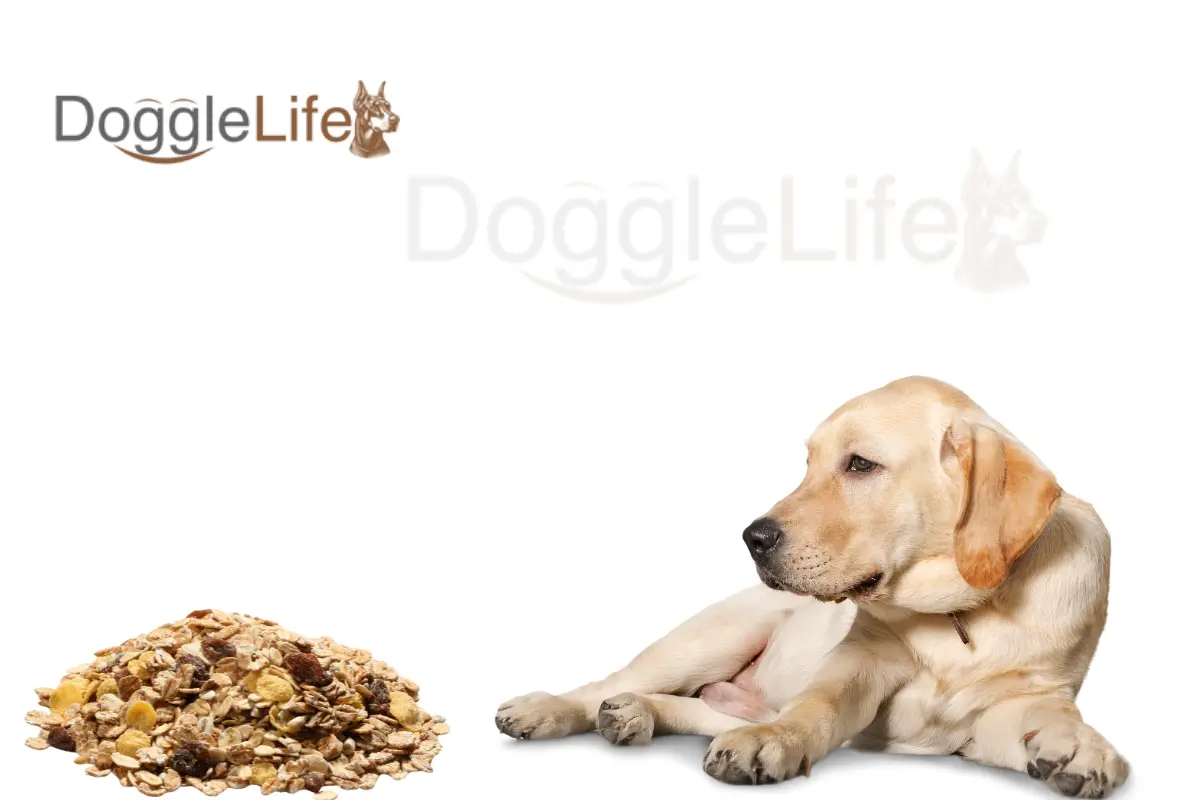
Granola recipes vary, but most contain oats, sweeteners (like honey or sugar), oil or butter, nuts (including almonds), and sometimes dried fruit or seeds. Commercial granola can also have chocolate chips or artificial flavors. Each ingredient matters for your dog’s health.
Main Ingredients In Typical Almond Granola
- Oats: Usually safe in small amounts.
- Almonds: Not toxic, but risky (more below).
- Sweeteners: Sugar, honey, and sometimes artificial sweeteners like xylitol.
- Dried Fruit: Raisins, cranberries, apricots, etc.
- Oil or Fat: Often used for texture.
- Flavorings: Vanilla, cinnamon, or chocolate.
The mix of these ingredients creates concerns for dogs, especially with almonds, sweeteners, and dried fruit.
Are Almonds Safe For Dogs?
Almonds are not toxic to dogs, but they are not recommended. Here’s why:
- Digestive issues: Dogs cannot easily digest almonds. Eating them can cause upset stomach, gas, or diarrhea.
- Choking hazard: Whole almonds are hard and can get stuck in the dog’s throat, especially for small breeds.
- High fat: Almonds contain a lot of fat, which can lead to pancreatitis (a painful, dangerous inflammation of the pancreas).
- Additives: Many almonds in granola are roasted with salt or sugar, which adds more risk.
Some dogs may eat a small almond without any problem. However, regular or large amounts increase the risk of obstruction or digestive upset.
Almonds Vs. Other Nuts For Dogs
Here’s a quick look at how almonds compare to other common nuts for dogs:
| Nut Type | Safe for Dogs? | Main Risk |
|---|---|---|
| Almonds | Not recommended | Digestive issues, choking, high fat |
| Pecans | No | Toxic, can cause seizures |
| Cashews | Small amounts | High fat, possible allergies |
| Walnuts | No | Toxic mold risk |
| Peanuts (plain) | Yes (rarely) | Choking, allergies |
As you can see, almonds are not the worst nut, but they are still risky.
Credit: dogs.shababy4us.com
Dangers Of Granola Ingredients For Dogs
Granola is more than just oats and almonds. Some ingredients are dangerous for dogs, even in small amounts.
1. Sweeteners
- Xylitol: This sugar substitute is deadly for dogs, even in tiny amounts. It can cause a dangerous drop in blood sugar and liver failure.
- Sugar and Honey: Not toxic, but can upset your dog’s stomach and lead to obesity or diabetes if eaten often.
2. Dried Fruit
- Raisins and Grapes: Extremely toxic to dogs. Even a small amount can cause kidney failure.
- Other Dried Fruits: Apricots, figs, and cranberries are less toxic but are very high in sugar and can cause stomach problems.
3. Chocolate And Cocoa
- Chocolate chips: Any chocolate is toxic to dogs and should never be in their food.
4. Oils And Fats
- Too much oil or butter can cause vomiting, diarrhea, and pancreatitis.
5. Seeds And Spices
- Some seeds (like chia or flax) are usually safe in small amounts, but large quantities can upset digestion.
- Cinnamon: Not toxic, but can irritate the mouth and stomach.
Ingredient Safety Overview
| Ingredient | Safe for Dogs? | Potential Risk |
|---|---|---|
| Oats | Yes | Rare allergies, high fiber |
| Almonds | No | Choking, pancreatitis |
| Xylitol | No | Highly toxic |
| Raisins | No | Kidney failure |
| Honey | Not recommended | High sugar |
| Chocolate | No | Toxic |
What Happens If A Dog Eats Granola With Almonds?
If your dog eats a small amount of plain granola with a few almonds, they may be fine. But problems can happen, especially if there are other harmful ingredients.
Possible Symptoms
- Vomiting
- Diarrhea
- Abdominal pain
- Restlessness or hyperactivity (from sugar)
- Choking (from almonds)
- Lethargy (if toxic ingredients are present)
- Loss of appetite
- Seizures (in severe cases)
Dogs with sensitive stomachs, small breeds, or those with a history of pancreatitis are at higher risk. If your granola has raisins, xylitol, or chocolate, call a vet immediately.

Credit: www.houndsy.com
How Much Is Too Much?
Even a few almonds or a small handful of granola can cause problems. Dogs are much smaller than humans, so their bodies react more strongly.
- For a 10 kg (22 lb) dog, even 2–3 almonds can cause stomach upset.
- Just a few raisins or a small amount of xylitol is an emergency.
- More than a teaspoon of oil or butter can trigger vomiting in small dogs.
Always remember: the smaller the dog, the higher the risk.
Healthy Alternatives To Granola With Almonds
You might want to share snacks with your dog. There are safer options than granola with almonds.
Simple Treats Dogs Can Eat
- Plain, unsweetened oats: Cooked oats are gentle on most dogs’ stomachs.
- Carrot sticks: Crunchy, low in calories, and dogs love them.
- Apple slices (no seeds): Sweet and safe in small amounts.
- Pumpkin puree: Good for digestion, as long as it’s plain.
- Small pieces of cooked chicken: High protein and easy to digest.
Diy Dog-friendly Granola
If you want to make a dog-safe snack, try this simple recipe:
- 1 cup rolled oats (plain, unsweetened)
- 1/4 cup natural peanut butter (no xylitol)
- 1/4 cup unsweetened apple sauce
- 1 egg
Mix, shape into small balls, and bake at 180°C (350°F) for 10–12 minutes. Cool before serving. This makes a crunchy treat with dog-safe ingredients.
Real Risks: Stories And Statistics
Many dog owners think “just a bite” is harmless. But vet clinics report thousands of cases each year of dogs sick from eating human snacks. According to the American Society for the Prevention of Cruelty to Animals (ASPCA), nut ingestion is a top reason for emergency vet visits. Almonds often cause vomiting and digestive blockage, especially in small dogs.
A study from the Pet Poison Helpline found that over 60% of nut-related dog cases involved almonds or products containing almonds. Most cases were due to owners sharing granola bars or trail mix.
What To Do If Your Dog Eats Granola With Almonds
Don’t panic, but act quickly. Here are the steps:
- Check the ingredients: Look for raisins, xylitol, chocolate, or other dangerous items. If any of these are present, call your vet right away.
- Watch your dog: Look for vomiting, diarrhea, choking, or signs of pain.
- Don’t try to induce vomiting without advice: Some ingredients can cause more harm if vomited.
- Call your vet: Always the safest choice, especially if your dog is small or has health issues.
When To Go To The Vet Immediately
- Your dog ate granola with raisins, xylitol, or chocolate
- Your dog is choking or can’t breathe
- Severe vomiting or diarrhea starts within an hour
- Your dog becomes very lethargic, shakes, or has seizures
If you’re not sure, it’s better to be safe and consult a professional.
Why Dogs Want Human Snacks (and Why To Resist)
Dogs love the taste and smell of human food. They might beg for a bite of your granola bar or cereal. But dogs do not understand which foods are safe for them. Even a small treat can lead to a trip to the vet.
Many owners think sharing food is a way to bond. But giving your dog unsafe snacks can cause long-term health issues, from obesity to organ damage. There are many ways to show love, like extra playtime, healthy treats, or gentle petting.
The Bottom Line: Should You Ever Give Dogs Granola With Almonds?
The safest answer is no. Granola with almonds is not a good choice for dogs. The risks—choking, digestive problems, and dangerous ingredients—outweigh any small benefit. Even if your dog seems fine after eating a little, regular feeding can cause health problems over time.
If you want to give your dog a crunchy snack, choose something made just for them, or use safe fruits and veggies. And always check the ingredient list before sharing.
For more detailed pet nutrition advice, the ASPCA People Foods to Avoid is a trusted source.
Credit: www.hepper.com
Frequently Asked Questions
Can Dogs Eat Any Type Of Granola?
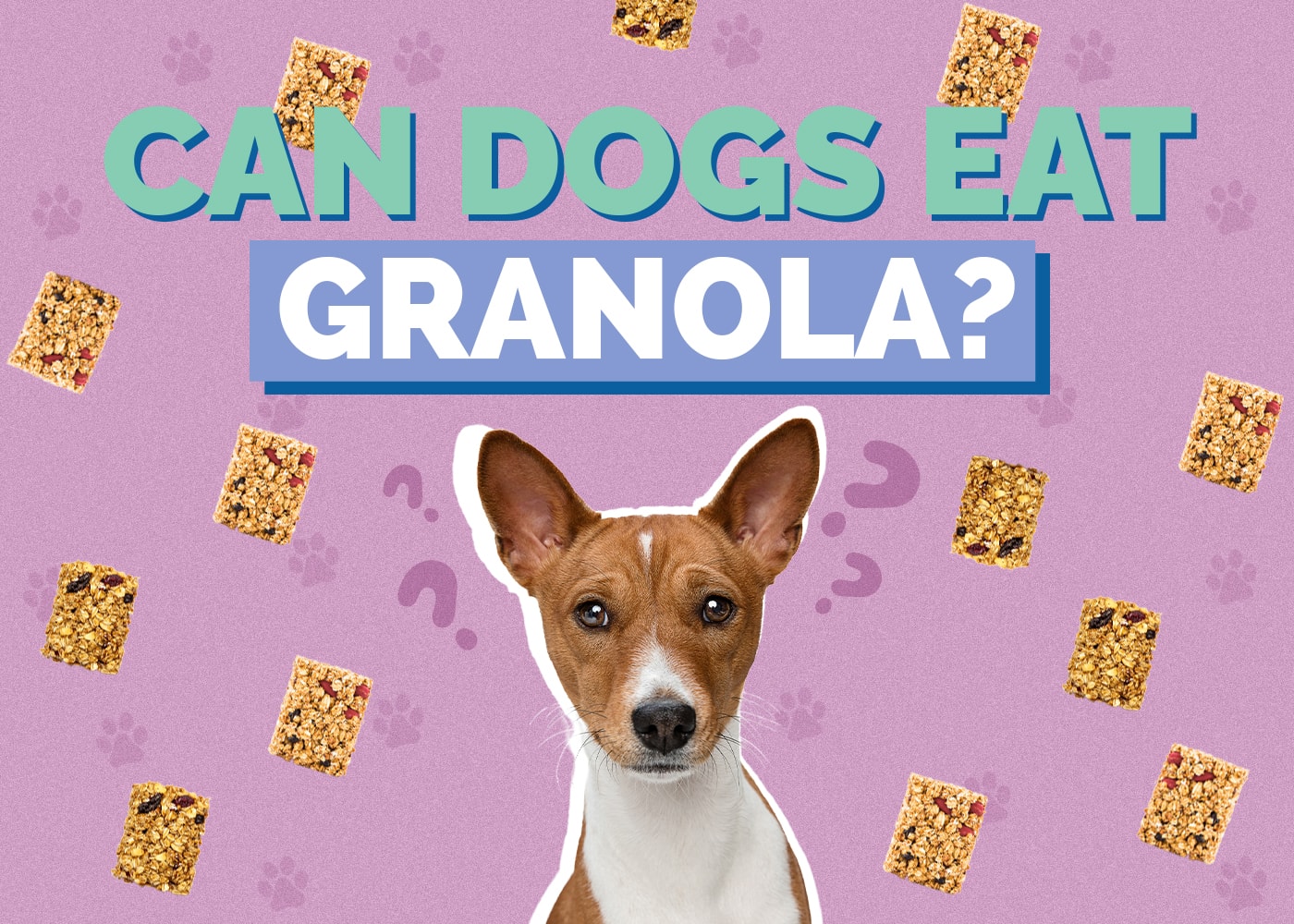
Most granola contains unsafe ingredients for dogs, like nuts, sugar, and dried fruits. Even plain granola can be too high in sugar and fat. It’s best to avoid giving dogs any commercial granola.
Are Plain Almonds Okay For Dogs As A Treat?
Plain, unsalted almonds are not toxic, but they are difficult to digest and can cause choking or stomach upset. Safer treats include plain carrots or apple slices.
What If My Dog Eats A Small Piece Of Granola With Almonds By Accident?
One small bite is unlikely to cause harm if it doesn’t contain raisins, xylitol, or chocolate. Watch for vomiting or diarrhea. If you notice any symptoms, or if the granola contained toxic ingredients, call your vet.
How Can I Make A Dog-safe Crunchy Snack At Home?
Mix plain oats, a little natural peanut butter (no xylitol), and unsweetened apple sauce. Bake in small pieces until crunchy. Avoid nuts, raisins, and chocolate.
Why Are Raisins And Xylitol So Dangerous For Dogs?
Even tiny amounts of raisins can cause kidney failure. Xylitol can cause a dangerous drop in blood sugar and liver failure. Both are medical emergencies for dogs and need fast vet attention.