Dogs are curious creatures. Mine certainly is. They often want to taste what we are eating. If you enjoy fruit, you may ask: can dogs eat persimmons? Persimmons are sweet, soft, and full of vitamins. But not every fruit is safe for dogs. Some cause stomach upset. A few are toxic. This guide explains how persimmons affect dogs, the benefits, risks, and how to serve them safely.
What Are Persimmons?
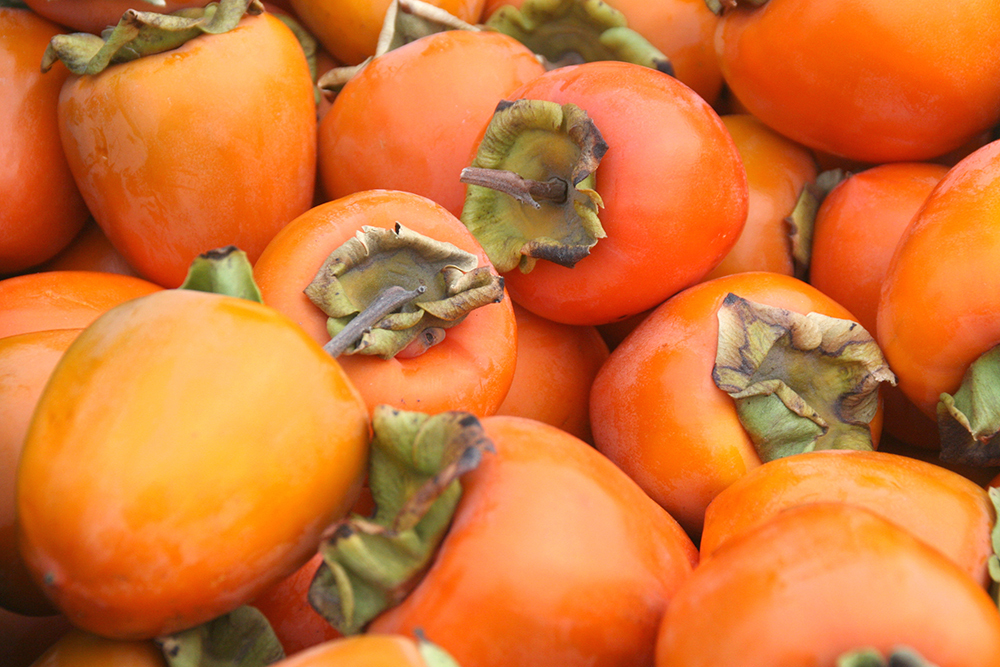
Persimmons are bright orange fruits with a sweet taste. They grow on trees in Asia, the United States, and other places. Two main types are Fuyu persimmons and Hachiya persimmons. Fuyu are round and firm. You can eat them like an apple. Hachiya are more oval and must be very soft to taste good.
Persimmons contain vitamins A and C, fiber, potassium, and antioxidants. People eat them fresh, dried, or cooked. They are low in fat and sodium. For dogs, we must balance these benefits against some risks. That means thinking about sugar, seeds, skin, and how the fruit was grown.
You can find persimmons at specialty markets or Asian grocery stores. If you grow them, watch for fallen fruit. Dogs like to pick up ripe or squashed fruit from the ground. Wild persimmons are usually smaller and have more seeds, which raises the risk for pets.
Is Persimmon Safe For Dogs?
In my experience, most dogs can eat small amounts of ripe persimmon flesh. The flesh itself is not toxic. The main risks are the seeds (sometimes called pits) and the skin. Seeds are hard and can block the intestines. The skin can be tough to digest and may cause stomach upset.
Introduce any new food slowly. Give only a tiny piece the first time. Watch your dog for signs of allergy or digestive trouble. Some dogs get mild diarrhea from new fruits. If your dog eats seeds or large amounts of persimmon, call your vet. Dogs with digestive issues, pancreatitis history, or allergies need extra caution. “Safe” means prepared properly: peeled, seedless, and given as an occasional treat.
Nutritional Benefits Of Persimmons For Dogs
Persimmons offer several nutrients that can help dogs in small amounts. Below is what persimmons bring to the table:
- Vitamin A: Supports eye health, skin, and the immune system.
- Vitamin C: Aids healing and supports immunity. Dogs produce some vitamin C, but extra can help in stress.
- Fiber: Helps digestion and regular bowel movements. Good for mild constipation and gut health when used sparingly.
- Potassium: Supports heart and muscle function. It helps nerve signals and contractions.
- Antioxidants: Compounds like beta-carotene protect cells from damage by free radicals.
Dogs do not need fruit to meet their nutrient needs. Still, a small piece of persimmon can add variety and a few vitamins. Keep in mind persimmons are relatively high in natural sugar. Too much can cause stomach upset or weight gain. Treats must be counted with daily calories.
A practical benefit I’ve seen: new flavors sometimes boost a picky dog’s interest in training or enrichment. Persimmon’s texture and sweetness can make it a useful, low-cost reward when used sparingly.
Risks Of Feeding Persimmons To Dogs
While the flesh is safe in moderation, persimmons pose a few real risks:
- Intestinal Blockage: Seeds can cause obstruction. This is a medical emergency. Small dogs are most at risk.
- Digestive Upset: Too much fruit can cause diarrhea, vomiting, or gas. High sugar and fiber are common culprits.
- Choking Hazard: The skin and seeds are hard. Small dogs and puppies can choke.
- Allergic Reaction: Rare, but possible. Watch for swelling, itchiness, or breathing trouble.
- Sugar Content: Persimmons are sweet. They are not ideal for overweight dogs or dogs with diabetes. Sugar also affects dental health.
Many problems happen when dogs eat the whole fruit, including seeds and skin, or they eat a lot at once. Also beware of fallen, overripe fruit. It can ferment and cause worse stomach upset or even alcohol-like symptoms.
How Much Persimmon Can Dogs Eat?
Only offer persimmons as an occasional treat. The safe amount depends on your dog’s size, activity level, and health. Here are practical guidelines:
- Small dogs: 1–2 small bites of ripe flesh, once or twice per week.
- Medium dogs: 2–4 small bites.
- Large dogs: 4–6 small bites.
Never feed a whole persimmon at once. Remove all seeds and skin. If your dog has health problems, check with your vet. For overweight or diabetic dogs, avoid persimmon entirely. If you use persimmon in training, count each bite as a treat and reduce meal calories accordingly.
Preparing Persimmons For Dogs
Follow these steps before offering persimmon to your dog:
- Wash the fruit to remove dirt and pesticides. Organic still needs washing.
- Peel the skin. It can be tough and less digestible.
- Remove all seeds. Check inside the soft flesh carefully.
- Cut the flesh into small pieces to prevent choking. Mash for tiny dogs or puppies.
- Offer one small piece. Watch for any reaction for 24 hours.
Serve persimmon raw or mashed into food. Never give dried persimmons regularly. They pack extra sugar and calories. Some owners freeze small peeled pieces for a cool summer treat. If you do, use only fresh, seedless fruit.

Credit: www.mercurynews.com
Persimmons Vs Other Fruits For Dogs
Some fruits are safer or healthier for dogs than others. Here’s a quick comparison:
| Fruit | Safe for Dogs? | Main Benefits | Main Risks |
|---|---|---|---|
| Persimmon | Yes, in moderation | Vitamins A, C, fiber | Seeds, skin, sugar |
| Apple | Yes, remove seeds/core | Fiber, vitamin C | Seeds (cyanide), choking |
| Banana | Yes, in moderation | Potassium, fiber | High sugar, calories |
| Grape | No | None | Toxic, kidney failure |
| Blueberry | Yes | Antioxidants | None if given in moderation |
Note: Fruit is not always healthy for dogs. Grapes and raisins are toxic. Cherries and some pits are dangerous. Even safe fruits need seed and pit removal.
Watermelon is safe if you remove seeds and rind. Peaches and plums have pits that can choke or block the gut. Always check before sharing fruit with your dog.
Signs Of Persimmon Problems In Dogs
After your dog eats persimmon, watch for these signs:
- Vomiting
- Diarrhea
- Lethargy
- Abdominal pain
- Loss of appetite
- Constipation (especially if seeds are swallowed)
If you see any of these, call your vet right away. Blockages from seeds can be life-threatening. Symptoms may appear hours later. Don’t wait if your dog seems off. Quick action can make a big difference.

Credit: healthiersteps.com
Persimmon Allergies In Dogs
Allergies to persimmons are rare, but possible. Common symptoms include:
- Itchy skin
- Swelling of lips or face
- Hives
- Difficulty breathing
If your dog shows allergic signs after eating persimmon, stop feeding it and call your vet. Dogs with known food allergies may be more likely to react. Start new foods in tiny amounts and watch closely.
Persimmons For Puppies
Puppies have sensitive stomachs. I avoid giving persimmons to puppies under 6 months. Older puppies can try a tiny piece of peeled, seedless persimmon. Always keep most calories in balanced puppy food.
Even one small piece can cause loose stools in young pups. Wait until they have tolerated simple fruits first. Use persimmon as a very occasional treat for older puppies only.
Persimmons For Senior Dogs
Senior dogs may digest food more slowly. Persimmons can be safe if peeled and seedless, and only in small amounts. Dogs with diabetes or obesity should avoid sugary fruits. Ask your vet before offering persimmon to an older dog.
Many seniors have dental issues. Soft persimmon flesh is easy to chew, but sticky pieces can cling to teeth. Rinse their mouth or offer water after a treat. Brush teeth regularly to prevent plaque buildup.
Persimmons And Dog Diabetes
Persimmons contain natural sugar. Dogs with diabetes should not eat them. Sugar spikes affect blood glucose and insulin. If your dog is diabetic, avoid sweet fruits. Your vet can suggest safe snack alternatives, like green beans or small carrot slices.
Even a small piece can raise blood sugar in sensitive dogs. When in doubt, skip the fruit.
Can Dogs Eat Persimmon Leaves Or Skin?
Do not let dogs eat persimmon leaves or skin. Leaves are tough and might carry pesticides. The skin can be hard to digest. Tannins in skin and unripe fruit may irritate the stomach.
Even organic leaves can harbor dirt or bacteria. Remove leaves and skin before offering persimmon flesh to your dog.
Persimmon Seeds And Pit Risks
The seeds (pits) are the most dangerous part of persimmons for dogs. Here’s a closer look:
| Part | Risk | Why |
|---|---|---|
| Flesh | Low | Soft, easy to digest |
| Skin | Medium | Hard to digest |
| Seeds/Pits | High | Can block intestines, choking hazard |
| Leaves | Medium | Tough, may contain chemicals |
If your dog swallows a seed, watch for signs of blockage: vomiting, no stool, belly pain. If you see these, go to the vet now.
Seeds can sometimes cause a persimmon phytobezoar. This is a hardened mass in the stomach or intestine. Phytobezoars can require veterinary care such as X-rays, ultrasound, endoscopy, or surgery. I mention this because persimmon-related phytobezoars are a known risk in dogs and humans. Prompt veterinary attention helps diagnose and treat blockages early.
What a vet may do for a blockage
If your vet suspects a blockage, they may:
- Take X-rays or an ultrasound.
- Offer fluids and supportive care.
- Try to remove the blockage with endoscopy.
- Recommend surgery if the obstruction is large or dangerous.
Quick diagnosis is key. If your dog swallowed multiple seeds or a large seed, call your vet right away.
Persimmon Varieties And Dog Safety
There are different types of persimmons. The two main kinds are:
- Fuyu: Crunchy. Eaten when firm. Easier to prepare for dogs.
- Hachiya: Very soft when ripe. Can be jelly-like. Must be fully ripe to avoid a bitter, astringent taste.
Both types are safe for dogs if peeled and seedless. Avoid wild persimmons—they are smaller and often full of seeds. Check ripeness and remove seeds carefully before serving.
Fresh Vs Dried Persimmons For Dogs
Fresh persimmon flesh is the safer choice. Dried persimmons are higher in sugar and calories. They may include preservatives. If you offer dried persimmon, give only the tiniest piece. Fresh fruit is better for most dogs.
| Type | Sugar per 100g | Safe for Dogs? | Recommended Serving |
|---|---|---|---|
| Fresh Persimmon | ~13g | Yes, small amount | 1–2 small bites |
| Dried Persimmon | ~30g | Very limited | Less than 1 small bite |
Note: Drying concentrates sugar and calories. Dried fruit also sticks to teeth and can worsen dental issues. Avoid dried fruit for dogs with weight or metabolic problems.
Persimmons In Dog Food And Treats
Some dog treats include fruit. Persimmon is not common in commercial dog food. If you find it listed, check for added sugar and preservatives. Homemade treats can include small amounts of persimmon, but always peel and remove seeds first.
Example recipe:
- 1/4 cup mashed ripe persimmon (peeled, seedless)
- 1 cup oat flour
- 1 egg
- Mix, shape, bake at 350°F for 15 minutes.
This makes a small batch of safe treats. Feed them in moderation. You can also mix a tiny amount of mashed persimmon with plain, unsweetened yogurt and freeze it for a summer snack. Use only plain yogurt and a little persimmon. Never mix persimmon with chocolate, macadamia nuts, or other toxic foods.
Credit: www.nomnomnow.com
What To Do If Your Dog Eats Too Much Persimmon
If your dog eats a large amount of persimmon, especially with seeds, watch closely. Look for these symptoms:
- Vomiting or diarrhea
- Refusal to eat
- Bloated belly
- No bowel movements
If you see these signs, call your vet. They may suggest an exam and X-rays. Some mild cases clear up with rest and fluids. Blockages or phytobezoars need quick care. In my experience, owners who call early avoid more invasive treatments.
Quick action matters. A mild upset may pass, but a seed or skin blockage needs emergency attention. If your dog acts unusual after eating persimmon, call your vet now.
Persimmons And Dog Weight
Persimmons contain calories and sugar. Too many treats can cause weight gain. Dogs with obesity should avoid sugary fruits, including persimmons. Low-calorie snacks like carrot sticks or green beans are better choices.
Monitor weight regularly. Even healthy treats add up. If your dog is on a diet, ask the vet about treat limits and safe options.
Persimmons And Dental Health
Persimmons are soft and sticky. Pieces can get stuck in teeth and crevices. This can increase plaque and tartar. After a fruit treat, offer water and brush your dog’s teeth when possible. If dental care is a challenge, avoid sticky fruits and favor crunchy veggies that help clean teeth.
Persimmons And Dog Behavior
Most dogs like sweet fruit. Persimmons attract attention with color and smell. Some dogs ignore them. If your dog is picky, don’t force persimmon. Use it only as a small reward. If a dog learns to beg after tasting persimmon, set clear treat rules so begging does not become a habit.
How To Introduce Persimmon To Your Dog
When trying persimmon for the first time:
- Offer a tiny piece of peeled, seedless fruit.
- Watch your dog for 24 hours for any reaction.
- If no reaction, you can give a bit more next time.
Do not start with a large amount. Dogs digest fruit differently than humans. Even safe fruits can cause trouble if introduced too quickly. If your dog doesn’t like persimmon, that’s fine. There are many other healthy snacks and treats.
Alternative Healthy Snacks For Dogs
If you want to add variety to your dog’s diet, try these safe options:
- Carrot sticks
- Apple slices (without seeds)
- Blueberries
- Cooked pumpkin (plain)
- Cucumber slices
These snacks are low in calories and safe for most dogs. Always introduce new foods slowly. Other healthy options include seedless watermelon, bell pepper slices, or plain steamed broccoli. Avoid salty, spicy, or processed human foods.
Persimmons And Human Health
Persimmons are healthy for people. They are high in vitamin C, fiber, and antioxidants. Some studies suggest benefits for heart health and blood pressure. If you want to learn more about persimmons’ benefits, visit Wikipedia.
Humans can enjoy persimmons in salads, baking, or smoothies. Dogs only need tiny pieces if you decide to share.
Common Mistakes When Feeding Persimmons To Dogs
Dog owners often make these errors:
- Giving whole fruit: Seeds and skin can cause trouble.
- Feeding too much: Dogs need only a small piece.
- Ignoring allergies: Some dogs react badly to new foods.
- Offering dried fruit: High in sugar, not ideal for dogs.
- Not watching for symptoms: Always check for signs of stomach upset.
Avoid these mistakes by preparing persimmons correctly and offering small amounts. Also avoid mixing persimmon into recipes that include unsafe ingredients like xylitol, onion, or chocolate.
When To Call The Vet
Call your vet if:
- Your dog swallows persimmon seeds or a pit
- Shows signs of blockage (no stool, vomiting, belly pain)
- Has allergic symptoms (swelling, itchiness)
- Eats a large amount of persimmon
Most cases are mild, but early veterinary advice prevents serious problems. If you are unsure, call your vet or an emergency clinic for guidance.
Frequently Asked Questions
Can Dogs Eat Persimmon Skin?
No, dogs should not eat persimmon skin. The skin is tough and hard to digest. It may cause stomach upset or a choking hazard. Always peel persimmons before serving to your dog.
What Happens If A Dog Eats Persimmon Seeds?
Persimmon seeds can cause intestinal blockage. This is dangerous, especially for small dogs. Signs include vomiting, constipation, and belly pain. Blockages may need X-rays, endoscopy, or surgery. If your dog swallows a seed, watch closely and call your vet if symptoms appear.
Are Persimmons Safe For Puppies?
Persimmons are not recommended for puppies under 6 months. Their stomachs are still developing. Older puppies can have a tiny piece of peeled, seedless persimmon. Always introduce new foods slowly and watch for reactions.
Can Dogs Eat Dried Persimmons?
Dried persimmons are high in sugar and calories. They may contain preservatives. Only offer a tiny piece if at all. Fresh persimmons are a much safer choice. Avoid dried fruit for dogs with diabetes or weight issues.
How Often Can Dogs Eat Persimmons?
Dogs can eat persimmons once or twice per week. Keep servings small and only give the flesh. Too much can lead to digestive upset or weight gain. Remove skin and seeds every time.
Dogs bring joy to our lives. Sharing healthy treats is one way to show love. Persimmons are safe for most dogs if prepared properly and given in moderation. Remove skin and seeds. Offer small pieces. Watch for signs of trouble.
If you have doubts, talk to your vet. There are many healthy snacks for dogs. Choose what fits your dog’s health and preferences. Persimmons can be a sweet, occasional treat—but safety always comes first.