
If your dog is suffering from diarrhea, you may feel worried and want to help them feel better quickly. One common home remedy is yogurt. But how much yogurt should you give a dog with diarrhea? Is it safe for all dogs? Let’s explore why yogurt can help, how much to give, and what you need to know before offering this food to your furry friend.
Why Yogurt Is Used For Dogs With Diarrhea
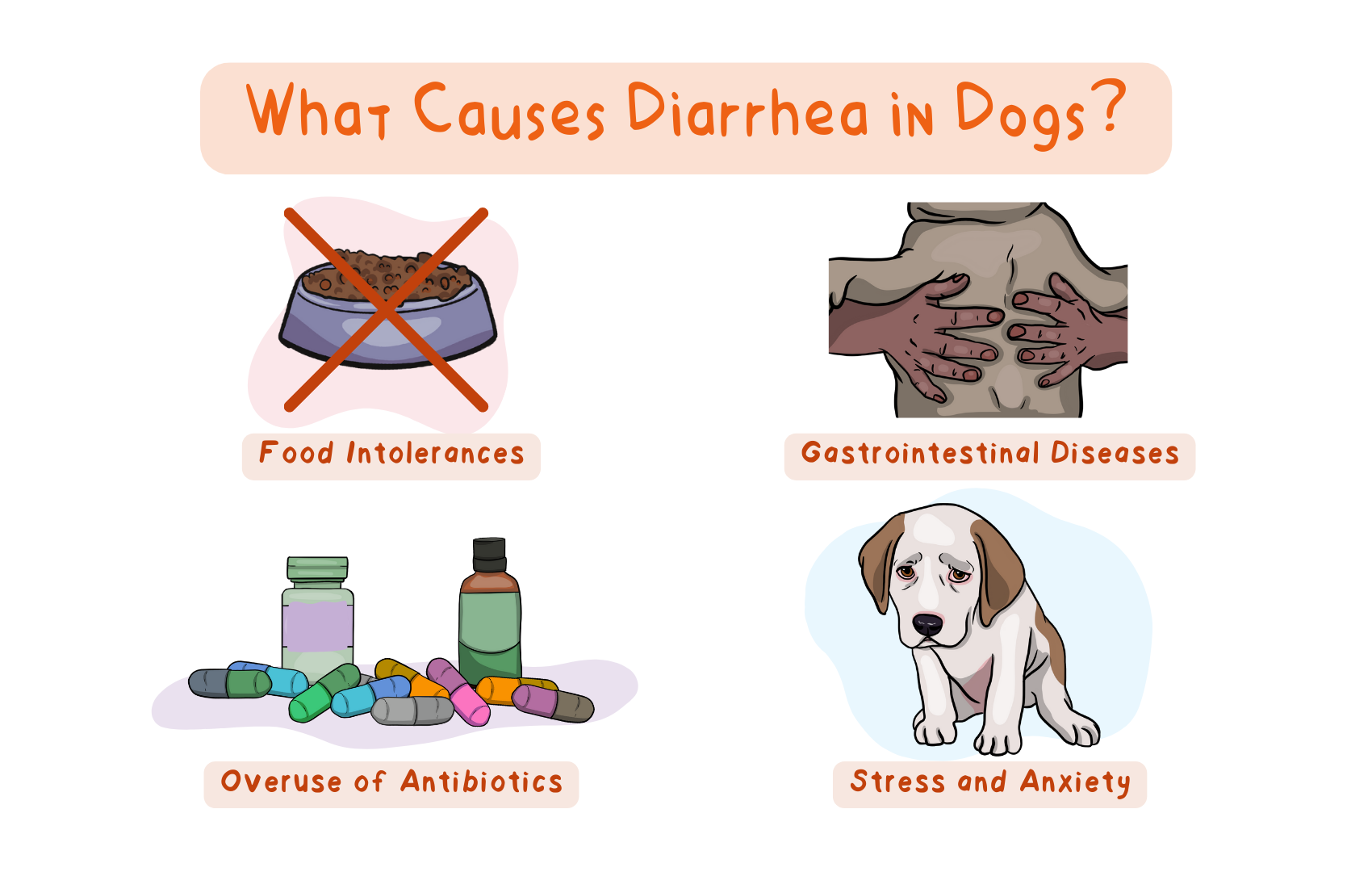
Diarrhea in dogs can have many causes—stress, diet changes, infections, or food intolerance. No matter the reason, a dog with diarrhea loses important nutrients and good bacteria from their gut. This is where yogurt comes in.
Yogurt is a natural source of probiotics. Probiotics are live bacteria that help support a healthy gut. When your dog has diarrhea, giving them yogurt can introduce these good bacteria back into their digestive system. This can help balance their gut flora, making it easier for the body to recover.
But not all yogurt is created equal. Some yogurts have added sugars, artificial flavors, or are made from milk with high lactose content, which can actually make diarrhea worse. Understanding which yogurt to choose and how much to give is key.
How Yogurt Helps Dogs With Diarrhea
The main benefit of yogurt for dogs with diarrhea is its probiotic content. Probiotics can:
- Restore balance of good bacteria in the gut
- Help firm up stools
- Support the immune system
- Reduce inflammation in the digestive tract
Many vets recommend yogurt as a gentle, natural way to help with minor digestive issues. However, yogurt will not treat serious infections, parasites, or chronic health problems. It is a supportive option, not a cure-all.
Types Of Yogurt And Their Effects
Not all yogurts are suitable for dogs. Here’s what to look for:
- Plain, unsweetened yogurt: This is the safest choice. Flavored or sweetened yogurts often contain sugar or xylitol, which can be toxic to dogs.
- Low-lactose or Greek yogurt: Some dogs are sensitive to lactose. Greek yogurt usually has less lactose and more protein.
- Active cultures: Check the label for “live and active cultures.” These are the probiotics that will help your dog’s gut.
Using the wrong type of yogurt can make diarrhea worse. Always read the label before giving yogurt to your dog.
How Much Yogurt To Give Your Dog With Diarrhea
The right amount of yogurt depends on your dog’s size, age, and tolerance to dairy. Giving too much can cause more stomach upset.
Here are general guidelines for safe serving sizes:
| Dog Size | Weight | Recommended Yogurt Amount (per serving) |
|---|---|---|
| Small | Under 20 lbs (9 kg) | 1-2 teaspoons |
| Medium | 20-50 lbs (9-23 kg) | 1-2 tablespoons |
| Large | Over 50 lbs (23 kg) | 2-3 tablespoons |
These amounts should be given once or twice a day, mixed into food or offered alone. Start with a smaller amount first to see how your dog reacts. If there are no signs of discomfort, you can offer the full amount.
How Long To Give Yogurt
For most mild cases of diarrhea, yogurt can be given for 2-3 days. If your dog’s stools return to normal, you can stop. If diarrhea continues for more than 48 hours, or if your dog seems weak or dehydrated, contact your vet.
Step-by-step: Giving Yogurt To Your Dog
- Choose the right yogurt: Plain, unsweetened, with live cultures.
- Measure the serving size based on your dog’s weight.
- Introduce slowly: Start with half the recommended amount for the first serving.
- Mix into food: If your dog is picky, add yogurt to their regular food or a bland diet (like boiled chicken and rice).
- Watch for reactions: Monitor for signs of bloating, vomiting, or worsening diarrhea.
- Continue for 2-3 days or until stools improve.
- Stop if symptoms worsen: If your dog becomes lethargic, vomits, or diarrhea gets worse, call your vet.
Many pet owners make the mistake of giving too much yogurt at once. Always introduce new foods gradually to avoid more stomach upset.
Common Mistakes When Giving Yogurt To Dogs
Even with good intentions, it’s easy to make mistakes. Here are some common errors to avoid:
- Giving flavored or sweetened yogurt: These often contain sugar or artificial sweeteners like xylitol, which is toxic for dogs.
- Overfeeding yogurt: Too much can cause gas, bloating, or more diarrhea.
- Ignoring lactose intolerance: Some dogs cannot digest lactose and will get sicker from dairy.
- Using yogurt as a cure-all: Yogurt will not help if diarrhea is caused by parasites, poisoning, or a serious illness.
- Not checking for live cultures: Only yogurts with live probiotics will offer gut benefits.
If you’re unsure whether your dog can handle dairy, try a very small amount first or choose a lactose-free yogurt.
Signs Your Dog Should Not Have Yogurt
While yogurt is safe for many dogs, some should avoid it altogether. Watch out for these signs:
- Known lactose intolerance: Dogs with this condition will have diarrhea, gas, or bloating after eating dairy.
- Allergies to milk proteins: Some dogs are allergic to casein or whey.
- Severe diarrhea or vomiting: If your dog is already weak or dehydrated, see a vet first.
- Puppies under 8 weeks: Their digestive systems are too sensitive.
If your dog shows any signs of discomfort after eating yogurt, stop giving it and consult your vet.
Comparing Yogurt To Other Remedies
Yogurt is just one way to support your dog during diarrhea. Here’s how it compares to other common remedies:
| Remedy | Main Benefit | When to Use | Risks |
|---|---|---|---|
| Yogurt | Restores gut bacteria | Mild diarrhea, minor stomach upset | Lactose intolerance, allergies |
| Boiled chicken & rice | Easy to digest, soothing | Short-term bland diet for diarrhea | Nutrient-poor if used long-term |
| Pumpkin puree | High fiber, firms stool | Loose stools, mild diarrhea | May worsen constipation |
| Probiotic supplements | Targeted bacteria strains | Chronic digestive issues | Possible allergic reactions |
Yogurt is best for mild, temporary stomach upsets. For more serious or ongoing problems, your vet might suggest a prescription probiotic or other treatment.
Real-life Example: Using Yogurt For Mild Diarrhea
Let’s look at a practical example. Sarah’s beagle, Max, developed mild diarrhea after switching to a new dog food. She decided to try yogurt after reading about its benefits.
Sarah used plain, unsweetened Greek yogurt and gave Max one teaspoon with his breakfast. She watched closely for any signs of bloating or more diarrhea. After 24 hours, Max’s stools started to firm up. By the third day, his digestion was back to normal.
Sarah stopped the yogurt and returned to Max’s regular diet. She learned that introducing new foods slowly is important and that yogurt can help with minor digestive issues.
Credit: www.whole-dog-journal.com
How To Choose The Best Yogurt For Your Dog
Not every yogurt in the store is safe for dogs. When picking yogurt, consider these tips:
- Read the ingredients: Choose yogurt with milk and live cultures only. Avoid extra ingredients.
- Check for live and active cultures: These are the probiotics your dog needs.
- Choose plain and unsweetened: Flavored yogurts often contain sugar or artificial sweeteners.
- Consider Greek yogurt: It’s thicker, higher in protein, and lower in lactose.
- Avoid fat-free yogurts: Dogs need some fat for energy. Fat-free options often have fillers.
Some brands even sell dog-specific yogurts. These are usually lactose-free and have added probiotics, but regular plain Greek yogurt is often just as effective.
What If Yogurt Doesn’t Help?
If you try yogurt and your dog’s diarrhea doesn’t improve within 48 hours, or if your dog seems very tired, has blood in their stool, or starts vomiting, it’s time to see your vet. Persistent diarrhea can lead to dehydration and may be a sign of a more serious issue, such as infection, parasites, or allergies.
Also, if diarrhea happens often, yogurt may not be enough. Your vet can suggest a better treatment plan, which might include a prescription diet, medication, or lab tests.
Hidden Dangers: When Yogurt Makes Things Worse
Most pet owners know not to give chocolate or grapes to dogs, but many don’t realize some yogurts have xylitol, an artificial sweetener that is deadly for dogs. Even a small amount can cause low blood sugar, seizures, or liver failure.
Always check the ingredient list for xylitol and avoid any yogurt that has it. If your dog eats yogurt with xylitol, call your vet or an emergency clinic immediately.
Another hidden danger is using too much yogurt. While probiotics are good in moderation, too many can upset your dog’s stomach. This is a common mistake, especially with small dogs.
Probiotics: Yogurt Vs. Supplements
Probiotics can help dogs with diarrhea, but there is a difference between getting them from yogurt and supplements.
Yogurt offers natural probiotics plus calcium and protein. However, the probiotic levels in store-bought yogurt are usually lower than in supplements made for dogs. Dog-specific probiotic supplements have higher concentrations and specific strains that are proven to help canine digestion.
If your dog has chronic digestive issues, ask your vet about using a supplement instead of yogurt. For occasional, mild stomach upset, yogurt is usually enough.
Credit: www.feedreal.com
How To Tell If Your Dog Is Lactose Intolerant
Many adult dogs have low levels of lactase, the enzyme needed to digest lactose in milk products. Signs of lactose intolerance include:
- Gassiness
- Bloating
- Diarrhea (worsening after dairy)
- Stomach rumbling
If your dog shows these signs after eating yogurt, stop giving it and try a lactose-free alternative. Greek yogurt and some plant-based yogurts have lower lactose levels and may be easier to digest.
Homemade Yogurt For Dogs: Is It Safe?
Some pet owners make yogurt at home. This gives you control over ingredients and ensures no added sugars or artificial flavors. Homemade yogurt, when prepared carefully, can be a healthy option for your dog.
If you decide to make yogurt, use pasteurized milk and a starter with live cultures. Avoid adding any sugar, honey, or flavoring. Let the yogurt culture for at least eight hours, then store it in the fridge. Use within one week for best results.
Homemade yogurt can sometimes be higher in probiotics than store brands, but the exact amount is hard to measure. Always introduce it slowly and watch for any stomach upset.
When To See The Vet
While yogurt helps with mild diarrhea, some situations need urgent vet care. Contact your vet if your dog has:
- Diarrhea for more than 48 hours
- Blood or mucus in the stool
- Vomiting along with diarrhea
- Signs of pain, fever, or severe lethargy
- Signs of dehydration (dry gums, sunken eyes, poor skin elasticity)
Quick action can prevent serious complications. Never use yogurt as a substitute for professional care when your dog’s health is at risk.
More Tips For Managing Dog Diarrhea
While yogurt can help, it’s also important to manage your dog’s overall care during diarrhea. Here are some extra tips:
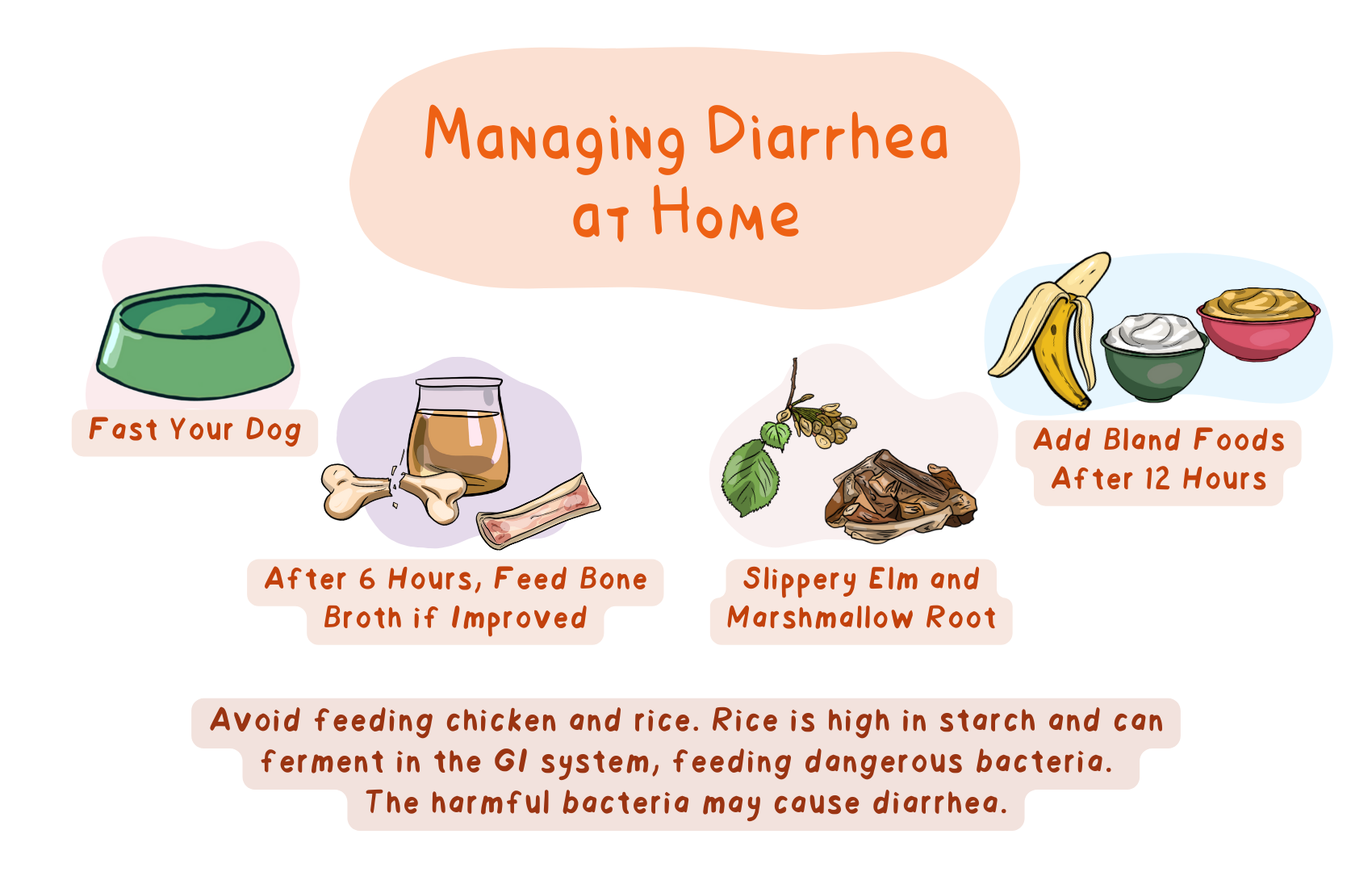
- Keep your dog hydrated: Offer fresh water at all times. Dehydration is a major risk with diarrhea.
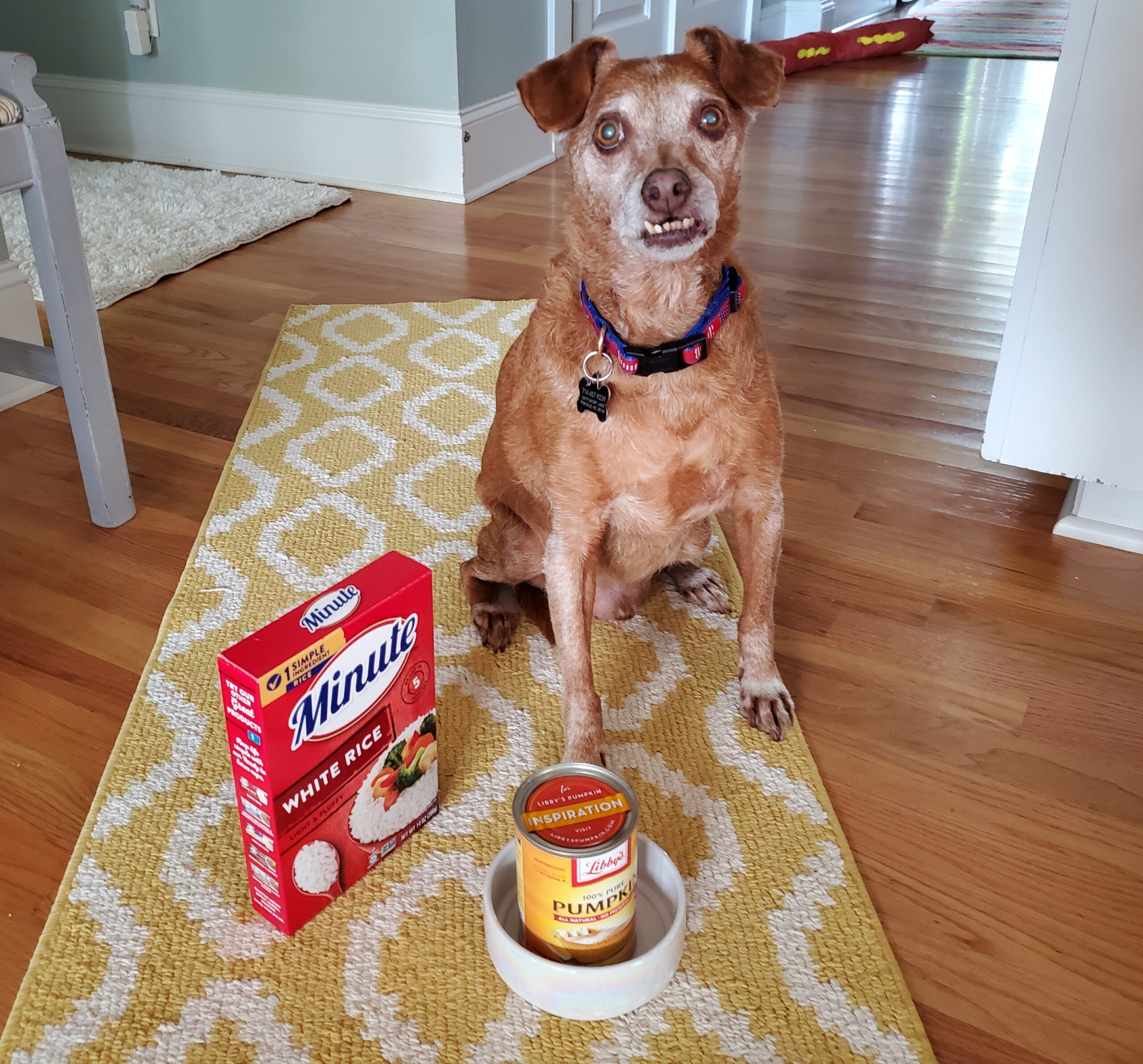
- Feed a bland diet: Along with yogurt, offer small portions of boiled chicken and rice until stools improve.
- Limit treats and extras: Stick to simple foods until your dog’s digestion returns to normal.
- Clean up promptly: Diarrhea can spread germs. Clean your dog’s area with pet-safe disinfectant.
- Monitor stool changes: Note color, texture, and frequency. This helps your vet if you need to call.
The Science: What Research Says
Several studies support the use of probiotics for dogs with diarrhea. According to the American Kennel Club, probiotics can shorten the duration of diarrhea and help prevent future episodes. However, the amount of probiotics in store-bought yogurt is often lower than what is found in supplements made for dogs. For most mild cases, yogurt is helpful, but for chronic or severe cases, a vet may recommend a stronger probiotic.
A study published in the *Journal of Veterinary Internal Medicine* found that dogs given probiotics recovered from diarrhea faster than those who did not receive them. But the study used concentrated probiotic strains, not yogurt. This suggests yogurt is most useful for mild, occasional diarrhea, not as a treatment for chronic digestive problems.
For more detailed information, you can visit the American Kennel Club website.
Frequently Asked Questions
How Quickly Does Yogurt Help Dogs With Diarrhea?
In mild cases, yogurt can help firm up stools within 24-48 hours. If there is no improvement after two days, or if your dog’s symptoms get worse, stop giving yogurt and consult your vet.
Can All Dogs Have Yogurt For Diarrhea?
Not all dogs can tolerate yogurt. Dogs with lactose intolerance, milk allergies, or sensitive stomachs may get worse after eating yogurt. Always introduce yogurt slowly and stop if you see any bad reactions.
What If My Dog Refuses To Eat Yogurt?
If your dog does not like plain yogurt, try mixing it with a small amount of bland food, like boiled chicken or rice. You can also try a dog-specific probiotic supplement as an alternative.
Is Greek Yogurt Better Than Regular Yogurt For Dogs?
Greek yogurt is often better because it has more protein, less lactose, and a thicker texture. Just make sure it is plain, unsweetened, and has live cultures.
Can I Give My Dog Yogurt Every Day?
It’s safe to give small amounts of plain yogurt to most dogs a few times a week as a treat. For diarrhea, only give yogurt for 2-3 days or until stools return to normal. Daily use is not necessary unless recommended by your vet.
If your dog has diarrhea, yogurt can be a helpful, natural remedy—if you use the right type and amount. Remember to start small, watch for side effects, and contact your vet if you have any doubts. With careful attention, you can help your dog’s tummy get back on track safely and quickly.
Credit: www.feedreal.com