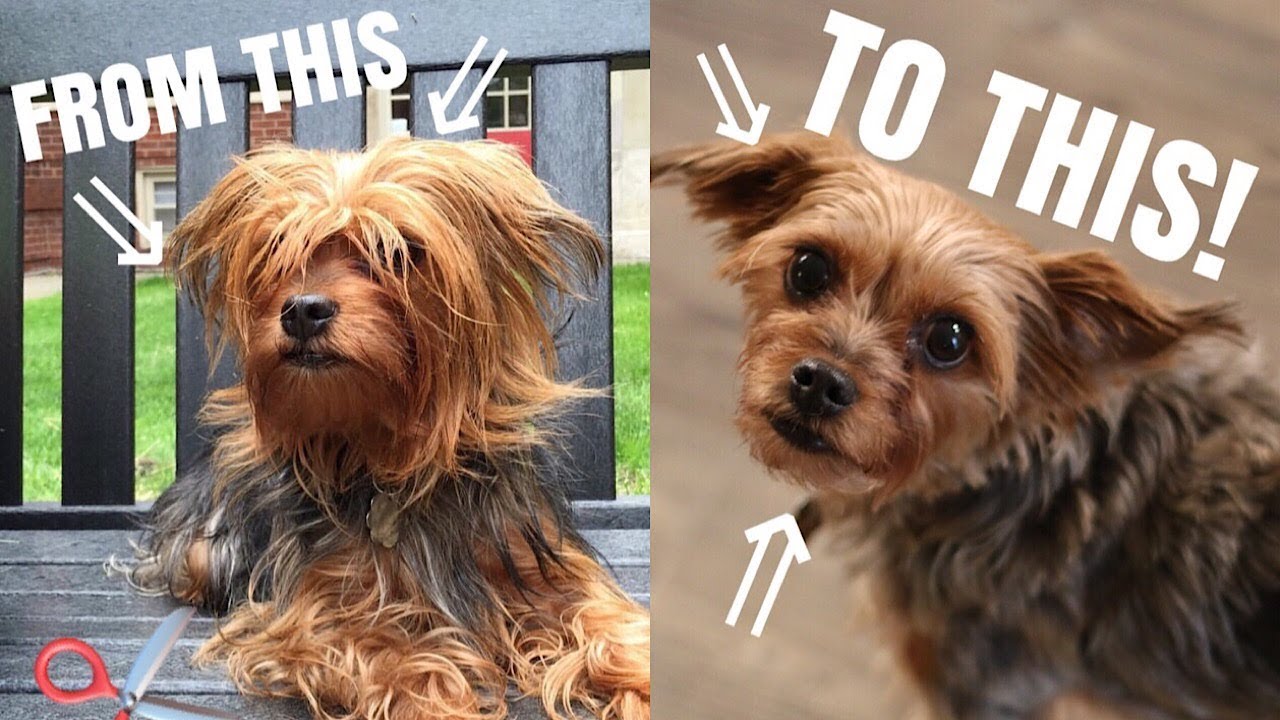
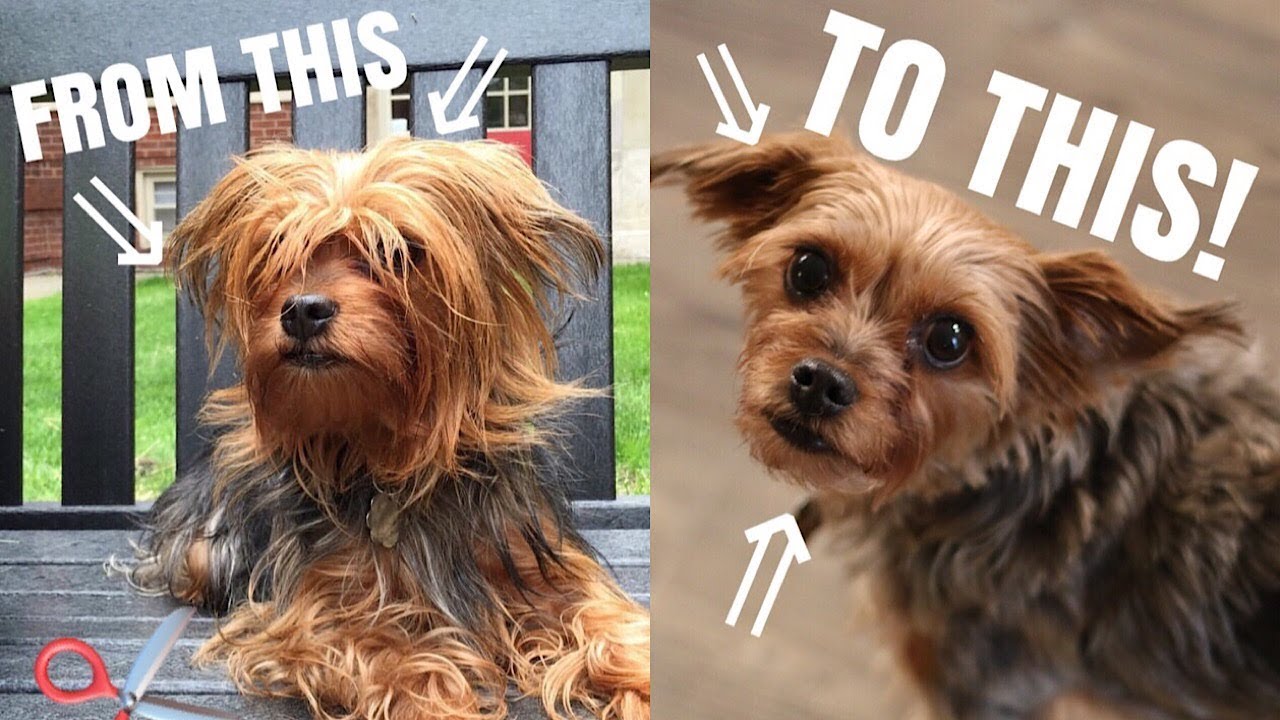
You can trim dog hair safely with scissors, combs, and careful sectioning instead of clippers.
If you want to know how to cut dog hair without clippers, you’re in the right place. I’ve found that the best results come from patience, clean tools, and a calm dog, not speed. With the right method, you can tidy mats, shape the coat, and keep your dog comfortable without risking clipper burns or uneven patches.
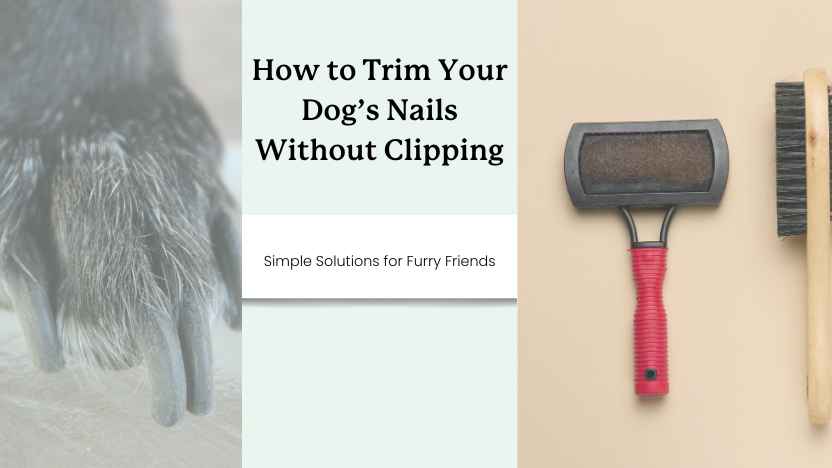
Why you might need to cut dog hair without clippers
There are plenty of real-life reasons people look for how to cut dog hair without clippers. Maybe your clippers died mid-groom, your dog hates the noise, or the coat only needs a light trim. Some dogs also do better with scissors or thinning shears because their hair is sensitive, curly, or easy to snag.
From my own grooming experience, I’ve seen dogs panic the second clippers start buzzing. Scissors often feel less stressful for them and for you. That said, this method works best for small trims, face cleanup, paw shaping, and light coat maintenance, not for a full-body buzz cut on a thick coat.
What you need before you start
Before you learn how to cut dog hair without clippers, gather the right tools. Good preparation makes the whole job safer and smoother.
You’ll want:
• Sharp grooming scissors with rounded tips for safety around the face and feet
• Thinning shears for soft blending and reducing bulk
• A fine-tooth comb or slicker brush to lift and separate hair
• A towel or non-slip mat to help your dog stay steady
• Treats to reward calm behavior
• A spray bottle with a little water if the coat is slightly damp and easier to manage
I always check the scissors first. Dull blades pull hair instead of cutting cleanly, and that can make even a patient dog squirm. Clean tools matter too, because dirty blades can tug and irritate the skin.
How to cut dog hair without clippers step by step
When people ask how to cut dog hair without clippers, I tell them to think like a sculptor, not a barber. You are shaping the coat little by little. The goal is a neat, safe trim, not perfection in one pass.
1. Brush the coat thoroughly
Start with a full brush-out. If the hair is tangled, scissors can catch mats and make the trim uneven. Brushing also shows you where the longest areas are and where the coat needs attention.
If you find a mat, do not yank it. Hold the hair near the skin and work it apart slowly with your fingers or a comb. If the mat is tight, it may be safer to leave it for a professional groomer.
2. Keep your dog calm and in a stable position
Place your dog on a non-slip surface in a quiet room. Keep the first session short if your dog is new to grooming. Calm dogs move less, and that makes the trim much safer.
I’ve learned that treats work better than force almost every time. A few tiny rewards can turn grooming from a battle into a routine. If your dog gets anxious, pause and try again later.
3. Section the hair
Part the coat into small sections with your comb. This gives you more control and helps prevent mistakes. It also lets you trim only what you need instead of cutting too much at once.
Work on one area at a time, such as:
• Around the eyes
• Under the chin
• Ears
• Feet and between the toes
• Tail ends
• Any uneven areas on the body
4. Use small snips, not big cuts
This is the heart of how to cut dog hair without clippers. Hold the hair between your fingers or comb and make tiny, careful cuts. Small snips are easier to control and look more natural.
Keep the scissors pointed away from the skin. Never cut blindly into a thick patch of hair. If the coat is curly or fluffy, trim less than you think you need, then check the shape again.
5. Blend edges with thinning shears
Thinning shears are great for smoothing harsh lines. They remove some bulk without leaving obvious chop marks. This is especially useful on fluffy breeds or dogs with wispy coats.
Use them lightly. A few careful passes are enough. Overdoing it can leave bald-looking spots or a choppy finish.
6. Check your work from different angles
Step back and look at the coat from the front, side, and top. Hair can look even up close but uneven from a distance. I’ve made the mistake of trimming one side too short because I never stepped back soon enough.
If one side looks longer, do a tiny adjustment. Less is better here. You can always trim more later.
Best areas to trim without clippers
Not every part of the body needs the same approach. When you’re learning how to cut dog hair without clippers, focus on the easy, high-value spots first.
Face and eyes
Trim carefully around the eyes so your dog can see well. Use rounded-tip scissors and make tiny snips. Keep one hand steady on the comb or hair, and go slow.
Ears
Ear hair can get messy fast, especially in long-coated breeds. Trim just the excess hair at the edges so the ears look neat and stay clean. Avoid cutting too close to the skin.
Paws and paw pads
Feet often collect dirt, snow, and debris. Trim the long hair around the paws and between the toes. This helps prevent slipping and matting.
Sanitary area
For hygiene, keep the hair around the rear and belly short and clean. This area needs extra care and patience. If your dog moves a lot, it may be better to let a groomer handle this part.
Feathering and leg ends
Feathering on the legs and tail can get tangled. A light trim keeps the coat tidy without changing the dog’s look too much. Use scissors in small, even motions.
Safety tips to avoid accidents
Safety should come first when learning how to cut dog hair without clippers. A grooming session can go from calm to risky if the dog suddenly turns its head or paws at the scissors.
Keep these rules in mind:
• Never trim near the eyes without good light and full attention
• Do not cut mats that are stuck close to the skin
• Keep scissors closed when not in use
• Trim in short sessions to avoid stress
• Stop if your dog becomes anxious, restless, or aggressive
• Avoid trimming over cuts, rashes, or hot spots
If your dog has a skin condition, speak with a vet before grooming. A sore patch can look hidden under the coat, and scissors can make it worse if you miss it.
Common mistakes when cutting dog hair without clippers
A lot of people make the same mistakes the first time they try how to cut dog hair without clippers. I’ve made a few myself, and most of them came from rushing.
Common mistakes include:
• Cutting too much hair at once
• Using dull scissors
• Trimming dirty or tangled hair
• Holding the scissors too close to the skin
• Trying to finish the whole dog in one sitting
• Ignoring your dog’s stress signals
The biggest lesson is simple: slow work usually looks better. A careful trim may take longer, but it is much safer and more even.
When scissors are better than clippers
Sometimes scissors are actually the better tool. If your dog hates vibration, has a sensitive coat, or only needs small touch-ups, scissors can be the best choice. This is especially true for face shaping, paw cleanups, and blending.
Scissors also help when you only need a natural look. Clipper cuts can be very short and uniform, while scissor trimming keeps more texture. That can be a big plus for dogs with soft or wavy coats.

When you should call a professional groomer
There are times when how to cut dog hair without clippers is not the best answer. Severe matting, very thick coats, aggressive behavior, or skin problems often need professional help. Groomers have the tools and training to handle tricky coats safely.
You should consider a groomer if:
• The mat is tight against the skin
• Your dog will not stay still
• You are unsure where skin ends and hair begins
• The coat is heavily overgrown
• Your dog has a medical issue or sensitive skin
I’ve seen at-home trims turn into a bigger mess when someone tried to “save time” on a hard case. Knowing when to stop is part of being a careful dog owner.
How to keep the coat healthier between trims
Good grooming does not begin and end with scissors. The easier it is to manage the coat, the easier how to cut dog hair without clippers becomes next time. Regular care reduces mats and keeps the coat looking clean.
Try these habits:
• Brush several times a week, or daily for long coats
• Check behind the ears, under the legs, and around the collar area
• Bathe only as needed, and dry the coat fully
• Keep nails trimmed so your dog stands more evenly
• Watch for skin redness, flakes, or a foul smell
Healthy coat care saves time later. It also makes your dog more comfortable, which is really the whole point.
Frequently Asked Questions
Can I cut my dog’s hair with regular scissors?
Yes, but grooming scissors are safer and more precise than household scissors. Regular scissors can snag the coat and make uneven cuts. If you must use them, be extra careful and make very small snips.
Is it safe to cut dog hair around the eyes?
Yes, as long as you use rounded-tip grooming scissors and move slowly. Keep the scissors pointed away from the eye and trim only tiny amounts at a time. If your dog keeps turning, stop and try again later.
What should I do if my dog has mats?
If the mats are small and loose, you can gently work them out with a comb and trim around them. If they are tight or close to the skin, it is safer to see a professional groomer. Pulling or cutting too close can hurt your dog.
How often should I trim my dog without clippers?
That depends on the breed and coat type. Many dogs only need small touch-ups every few weeks, while long-coated breeds may need more regular maintenance. Watch for overgrown hair around the eyes, paws, and sanitary area.
Can I use thinning shears on all dog breeds?
Thinning shears work best on fluffy, feathered, or medium-to-long coats. They are not ideal for every breed, especially if the coat is very short or very coarse. Use them lightly so the finish stays natural and soft.
What if my dog gets nervous during grooming?
Take a break right away and keep the session short. Use treats, soft praise, and a calm voice to build trust. If your dog stays fearful, it may be better to work with a groomer or train in very short practice sessions.
Conclusion
Learning how to cut dog hair without clippers is mostly about patience, control, and knowing your dog’s limits. With sharp scissors, a good brush, and a calm setup, you can do safe touch-ups and keep the coat neat between grooming visits. The key is to trim slowly, avoid the skin, and stop when the dog gets stressed.
If you start small and stay consistent, grooming becomes easier for both of you. Try the tips above on a simple trim first, and build confidence from there. If this guide helped, explore more grooming tips, share your experience, or leave a comment with your questions.