Are you wondering if freeze dried dog food is a good choice for your furry friend? Choosing the right food for your dog can feel overwhelming with so many options available.
Freeze dried dog food has been gaining attention, but is it really healthy and worth trying? You’ll discover the key benefits and potential downsides, helping you make the best decision for your dog’s health and happiness. Keep reading to find out if freeze dried dog food could be the perfect fit for your pet.
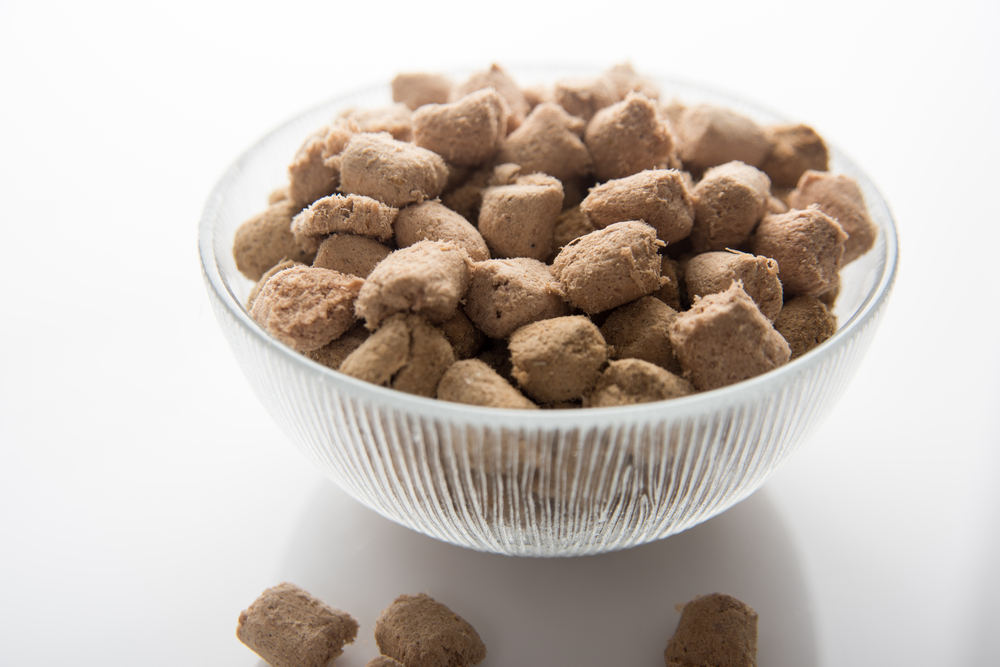
Credit: unionlakeveterinaryhospital.com
Benefits Of Freeze Dried Dog Food
Freeze dried dog food has gained popularity among pet owners. It offers a unique way to feed dogs with minimal loss of nutrients. Understanding the freeze dried dog food benefits helps decide if it fits your dog’s diet. This type of food preserves the natural goodness of ingredients better than many other methods. It combines nutrition, convenience, and long shelf life, making it a strong choice for many dog owners.
Nutrient Retention
Nutrient retention in freeze dried dog food is one of its biggest advantages. The freeze drying process removes moisture while keeping vitamins, minerals, and proteins intact. This means dogs get food closer to its natural state. Unlike cooking or dehydrating, freeze drying uses low temperatures, protecting delicate nutrients.
Some key points about nutrient retention:
- Preserves enzymes and antioxidants better than heat-based methods
- Maintains amino acids essential for muscle health
- Keeps vitamins like A, C, and E from breaking down
- Retains minerals important for bone and immune health
Table below compares nutrient loss in freeze dried vs dehydrated dog food:
| Dog Food Preservation Methods | Vitamin Retention (%) | Protein Retention (%) | Enzyme Activity |
|---|---|---|---|
| Freeze Dried | 85-95% | 90-95% | High |
| Dehydrated | 60-75% | 70-80% | Moderate |
Is freeze dried dog food healthy? Yes, because it offers high nutrient retention, which supports your dog’s overall wellbeing.
Convenience And Storage
The convenience of freeze dried dog food appeals to many pet owners. It is lightweight, easy to portion, and quick to prepare. Freeze dried food often only requires adding water before serving. This saves time and effort compared to cooking or mixing raw ingredients.
Benefits of convenience and storage include:
- Easy to carry for travel or outdoor activities
- Simple to measure exact portion sizes
- No need for refrigeration before opening
- Minimal mess during feeding
Storing freeze dried dog food is also simple. It usually comes in resealable bags or airtight containers. These help keep the food fresh by blocking moisture and air. Freeze dried dog food pros and cons show that ease of storage rates highly among the pros.
Tips for storing freeze dried dog food:
- Keep in a cool, dry place away from sunlight
- Seal bags tightly after each use
- Use containers with airtight lids for extra protection
- Avoid storing near strong odors to maintain taste
Long Shelf Life
Long shelf life dog food is a major benefit of freeze dried pet food nutrition. Removing moisture stops bacteria and mold from growing. This allows freeze dried dog food to last much longer than fresh or canned options.
Freeze dried dog food can last 12-24 months or more if stored properly. This makes it ideal for emergency supplies or bulk buying. It reduces waste since you don’t have to use it quickly after opening.
Advantages of long shelf life include:
- Less frequent shopping trips
- Backup food available for travel or emergencies
- Cost-effective by buying in larger quantities
- Consistent quality over time
Comparing shelf life:
| Dog Food Type | Typical Shelf Life | Storage Needs |
|---|---|---|
| Freeze Dried | 12-24 months | Cool, dry, airtight container |
| Dehydrated | 6-12 months | Cool, dry place, sealed bag |
| Canned | 2-5 years | Room temperature, unopened |
The freeze dried dog food pros and cons highlight long shelf life as a strong positive. This food type balances nutrition and preservation better than many alternatives.

Credit: www.primalpetfoods.com
Potential Drawbacks
Freeze dried dog food offers many benefits for pet owners focused on nutrition and convenience. Still, it has some potential drawbacks that deserve attention. Understanding these issues can help you make a better choice for your dog’s diet. This section covers the main concerns about Freeze Dried Dog Food Drawbacks, including cost, digestion, and taste.
Cost Considerations
Freeze Dried Dog Food Cost tends to be higher than traditional kibble. This price difference comes from the special processing and high-quality ingredients used. For many pet owners, the cost can be a deciding factor.
Here are some key points about cost:
- Freeze dried dog food is often 2-3 times more expensive than kibble.
- Smaller package sizes can increase the price per serving.
- Shipping and storage may add to the overall expense.
To compare the cost clearly, look at this table:
| Type of Dog Food | Average Price per Pound | Typical Serving Size | Estimated Monthly Cost |
|---|---|---|---|
| Freeze Dried Dog Food | $15 – $25 | 3-4 oz | $60 – $100 |
| Kibble | $2 – $5 | 8-10 oz | $20 – $40 |
Some Best Freeze Dried Dog Food Brands try to balance quality and price. Still, the overall cost remains higher than most traditional dog foods.
Possible Digestive Issues
Dog Food Freeze Dried
Common digestive concerns include:
- Loose stools or diarrhea
- Constipation from lack of moisture
- Gas or bloating
Freeze Dried Dog Food Digestibility
Tips to avoid digestive issues:
- Mix freeze dried food with water to rehydrate it fully.
- Introduce new food slowly over 7-10 days.
- Consult your vet if digestive problems persist.
Despite these issues, many dogs thrive on freeze dried diets. The Freeze Dried Dog Food Ingredients
Palatability Concerns
Dog Food Palatability Freeze Dried
Factors affecting palatability:
- Freeze dried food has a different texture than kibble or canned food.
- Some dogs prefer moist food and may not like dry or crumbly pieces.
- Flavor intensity can decrease if food is not properly stored.
Freeze Dried Vs Kibble
Improving palatability tips:
- Rehydrate the food with warm water or broth.
- Mix freeze dried food with a small amount of wet food.
- Serve fresh portions and store leftovers properly.
Overall, palatability can be a challenge. Some dogs may refuse the food at first but accept it over time with patience.
Comparing Freeze Dried To Other Types
Freeze dried dog food has gained attention as a healthy and convenient option for pet owners. Comparing freeze dried to other dog food types helps understand its benefits and drawbacks. This comparison covers freeze dried dog food nutrition, safety, digestibility, and cost against dry kibble, raw food, and canned food. Each type offers unique features affecting your dog’s health and your feeding routine.
Freeze Dried Vs. Dry Kibble
Freeze dried dog food keeps most nutrients intact because it removes moisture without heat. This process preserves vitamins, minerals, and enzymes better than dry kibble, which often loses nutrients during high-heat processing.
Key differences include:
- Nutrition: Freeze dried dog food nutrition is richer and closer to raw food than kibble.
- Digestibility: Dogs often digest freeze dried food more easily than kibble due to less processing.
- Shelf Life: Freeze dried dog food shelf life is long, but usually shorter than kibble’s.
- Ingredients: Freeze dried dog food ingredients remain natural and minimally processed.
- Cost: Freeze dried dog food cost comparison shows it is usually more expensive than kibble.
| Feature | Freeze Dried | Dry Kibble |
|---|---|---|
| Nutrition | High, preserves natural nutrients | Moderate, some nutrients lost |
| Digestibility | Better, less processed | Lower, contains fillers |
| Shelf Life | 6-12 months | 12-18 months |
| Cost | Higher | Lower |
Freeze dried dog food pros and cons include high quality nutrition but higher price. Dry kibble offers convenience and affordability but may lack some nutrients.
Freeze Dried Vs. Raw Food
Raw food diets are popular for their natural ingredients and high digestibility. Freeze dried dog food mimics raw food by preserving nutrients and enzymes without refrigeration.
Advantages of freeze dried over raw food:
- Safety: Freeze dried dog food safety is higher because the drying process kills bacteria.
- Storage: Freeze dried dog food shelf life is longer and does not require freezing.
- Convenience: Freeze dried is easier to store and measure than raw food.
Raw food benefits:
- Freshness and moisture content
- No added preservatives
- Natural chewing experience
| Feature | Freeze Dried | Raw Food |
|---|---|---|
| Nutrition | High, retains most nutrients | Very high, fresh ingredients |
| Safety | High, pathogen risk reduced | Moderate, risk of bacteria |
| Storage | Room temperature | Requires freezing |
| Cost | Moderate to high | High |
Freeze dried dog food is a safe, convenient alternative to raw diets. It offers many raw food benefits without the handling risks.
Freeze Dried Vs. Canned Food
Canned dog food is moist and palatable but may contain preservatives and fillers. Freeze dried dog food offers a dry option with high nutritional value and less processing.
Comparing the two:
- Moisture: Canned food has high moisture; freeze dried is dry and needs rehydration.
- Nutrition: Freeze dried dog food nutrition is often superior due to minimal heat exposure.
- Shelf Life: Canned food lasts 2-5 years unopened; freeze dried lasts 6-12 months.
- Ingredients: Freeze dried often uses fewer additives than canned food.
- Cost: Freeze dried dog food cost comparison usually shows higher price per serving.
| Feature | Freeze Dried | Canned Food |
|---|---|---|
| Moisture | Low, needs water added | High, ready to eat |
| Nutrition | High, natural nutrients preserved | Good, some nutrient loss |
| Shelf Life | 6-12 months | 2-5 years unopened |
| Cost | Higher | Moderate |
Freeze dried dog food offers benefits for dogs needing nutrient-rich diets and easy storage. Canned food suits dogs preferring moist meals but may have more additives.
Choosing Quality Freeze Dried Dog Food
Choosing quality freeze dried dog food is key to providing your dog with the best nutrition. Not all freeze dried options offer the same benefits. Quality matters because it affects your dog’s health and energy. Freeze dried dog food benefits include preserving natural nutrients and flavors without cooking. This type of food can be a healthy dog food alternative to traditional kibble or canned food. Understanding what to look for helps in picking the best freeze dried dog food for puppies and adult dogs alike.
Ingredients To Look For
The best freeze dried dog food contains natural dog food ingredients that provide high nutritional value. Look for foods rich in real meat or fish as the first ingredient. These are sources of protein that support muscle growth and overall health. High protein dog food is essential for active dogs and growing puppies.
Here are important ingredients to find:
- Real animal proteins (chicken, beef, lamb, fish)
- Vegetables and fruits (carrots, peas, blueberries)
- Whole grains or grain-free options for sensitive dogs
- Added vitamins and minerals for balanced nutrition
Consider grain-free dog food options if your dog shows allergies or digestion issues. Some dogs thrive better without grains. However, always check the full ingredient list to ensure the food meets your dog’s needs.
| Ingredient | Benefit |
|---|---|
| Real Meat | Provides essential proteins and amino acids |
| Vegetables & Fruits | Supply antioxidants, fiber, and vitamins |
| Grain-Free Options | Good for dogs with grain sensitivities |
| Added Vitamins & Minerals | Supports overall health and immunity |
Avoiding Fillers And Additives
Many dog foods contain fillers that add bulk but no real nutrition. Avoid freeze dried dog foods with corn, wheat, soy, or by-products. These fillers can cause allergies and digestive problems. Focus on formulas free of dog food preservatives and dog food additives to avoid. These additives can harm your dog’s health over time.
Common additives to watch out for include:
- Artificial colors and flavors
- Preservatives like BHA, BHT, and ethoxyquin
- Excess salt and sugar
- Unnatural fillers like cellulose or gums
Choosing a product with minimal processing helps keep the natural benefits intact. Freeze dried dog food benefits come from preserving natural ingredients without added chemicals. This supports a healthier digestive system and stronger immune response.
Brand Reputation
The reputation of the brand matters a lot in choosing top freeze dried dog food brands. Trusted brands usually share detailed ingredient lists and nutrition facts. They also follow strict safety and quality controls. Check for brands that offer transparency and have good reviews from other dog owners.
Key points to consider about brand reputation:
- How long the brand has been in the market
- Customer feedback and ratings
- Third-party testing or certifications
- Clear information on sourcing and manufacturing
Quality brands often provide healthy dog food alternatives that meet high standards. They focus on nutrition, safety, and taste. Brands offering the best freeze dried dog food for puppies understand puppy needs and adjust formulas accordingly. Choose brands that prioritize natural, high-quality ingredients and avoid unnecessary fillers or additives.
Feeding Tips And Transitioning
Feeding dogs freeze dried food offers many benefits, but proper feeding tips and transitioning are essential. Sudden diet changes can upset your dog’s stomach and digestion. Careful introduction helps your dog adjust well to new flavors and textures. Understanding how to rehydrate freeze dried dog food and monitor your dog’s reaction supports better dog health and diet. This guide covers key steps for transitioning to freeze dried food safely.
How To Rehydrate Properly
Rehydrating freeze dried dog food is necessary for better digestion and nutrient absorption. Freeze dried dog food ingredients are preserved by removing moisture, so adding water returns them to a natural state. Proper hydration improves pet food quality and makes it easier for your dog to eat.
Follow these tips to rehydrate freeze dried dog food:
- Use warm water: Warm water speeds up rehydration and softens the food.
- Measure water correctly: Use about 1 part food to 1.5 parts water, but check package instructions.
- Let it soak: Allow the food to sit for 5 to 10 minutes before serving.
- Stir well: Mix the food to ensure even hydration.
| Step | Action | Reason |
|---|---|---|
| 1 | Measure food and water | Ensures correct hydration ratio |
| 2 | Use warm water | Softens food quickly |
| 3 | Let soak 5-10 minutes | Completes rehydration |
| 4 | Stir before serving | Even texture and moisture |
Proper dog food hydration enhances freeze dried dog food benefits. It supports better dog food digestion and helps maintain pet food quality.
Introducing Freeze Dried Food Gradually
Transitioning to freeze dried food requires patience. Sudden switches from kibble or canned food can cause stomach upset. Gradual introduction lets your dog’s digestive system adjust to new freeze dried dog food nutrition and ingredients.
Try this simple 7-day plan:
- Days 1-2: Mix 25% freeze dried food with 75% current diet.
- Days 3-4: Mix 50% freeze dried food and 50% current diet.
- Days 5-6: Mix 75% freeze dried food with 25% current diet.
- Day 7: Serve 100% freeze dried dog food.
During this period, watch your dog’s appetite and stool quality. Adjust the speed of transition based on your dog’s comfort. This method supports smooth transitioning to freeze dried food.
Benefits of gradual transition include:
- Reduced risk of diarrhea or constipation
- Improved acceptance of new flavors and textures
- Better dog health and diet balance
Monitoring Your Dog’s Reaction
Observing your dog’s reaction to freeze dried food is vital. Monitor changes in energy, digestion, and stool. These signs indicate how well your dog handles the new diet.
Key points to watch:
- Stool consistency: Firm, regular stools show good digestion.
- Energy levels: Normal or increased activity means good nutrition.
- Coat condition: Shiny fur signals healthy skin and diet.
- Appetite: Steady or increased appetite suggests acceptance of food.
- Signs of allergies: Itching or upset stomach may need vet advice.
Keep a simple journal with daily notes on your dog’s reactions. This helps identify any issues early. If problems persist, consider adjusting the diet or consulting a veterinarian.
Monitoring supports maintaining pet food quality and ensures your dog enjoys freeze dried dog food benefits safely.

Credit: bixbipet.com
FAQs (Is Freeze Dried Dog Food Good For Dogs)
Is Freeze Dried Dog Food Nutritious For Dogs?
Yes, freeze dried dog food retains most nutrients. It preserves vitamins and minerals well, providing balanced nutrition for dogs.
How Does Freeze Dried Dog Food Compare To Kibble?
Freeze dried dog food has higher moisture and nutrient retention than kibble. It is less processed and often easier to digest.
Can All Dog Breeds Eat Freeze Dried Food Safely?
Most dog breeds can safely eat freeze dried food. However, consult your vet if your dog has allergies or health issues.
Is Freeze Dried Dog Food More Expensive Than Regular Food?
Freeze dried dog food tends to cost more due to processing. It offers quality nutrition, which can justify the higher price.
Conclusion
Freeze dried dog food offers many benefits for your pet’s health. It keeps nutrients fresh and tastes good to dogs. This type of food is easy to store and lasts long. Many dogs enjoy the texture and flavor. It also helps busy owners feed pets quickly.
Still, watch your dog’s reaction to new food. Choose brands with natural ingredients and no fillers. Your dog’s well-being is the top priority. Try freeze dried food carefully and see how your dog feels. Good food makes a happy, healthy pet.