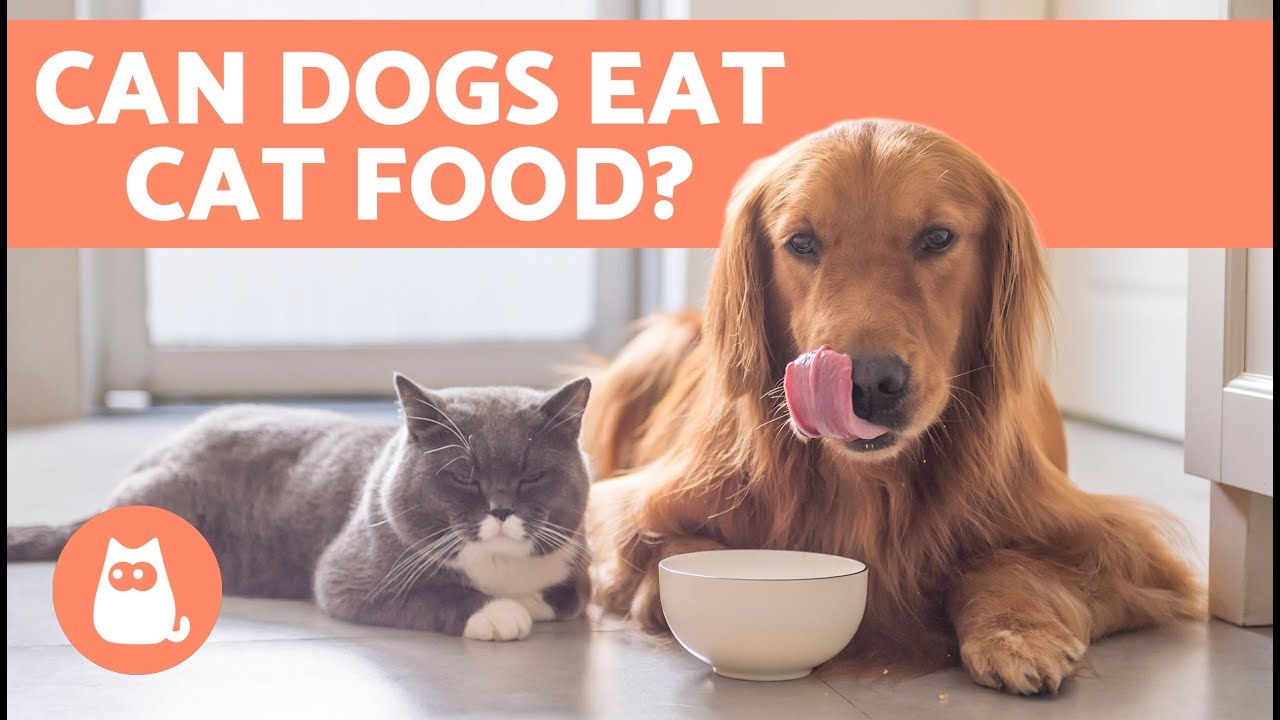
No — an occasional nibble is usually okay, but regular feeding can be harmful.
I have worked with many pet owners and vets to answer the common question: is it safe for dogs to eat cat food. This article explains why dogs find cat food tempting, the nutritional differences, short- and long-term risks, and practical steps to protect your dog. I combine clinical knowledge, real-world cases, and simple tips so you can make an informed choice for your pet’s health.
Why dogs eat cat food
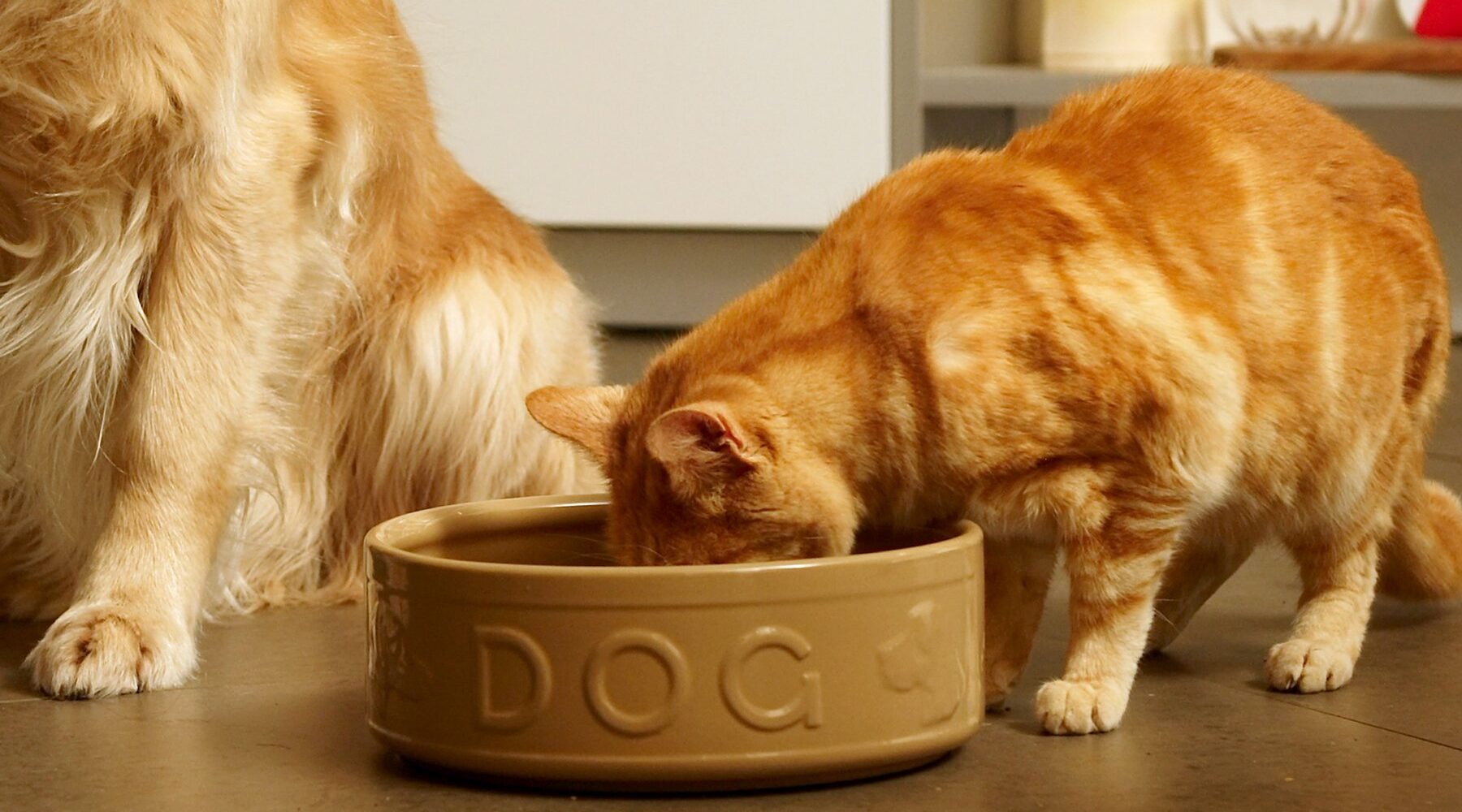
Dogs often eat cat food because it smells and tastes richer. Cat food is higher in protein and fat. That makes it more palatable to many dogs.
Behavior matters too. Dogs are opportunistic eaters. If cat food is left out, most dogs will investigate and eat it. Boredom, anxiety, or learned behavior can also drive a dog to steal cat food.
Dogs that share a house with cats learn to time their raids. Puppies and senior dogs may be less controlled and more likely to eat anything available. Understanding the why helps you prevent it.
Nutritional differences between cat food and dog food
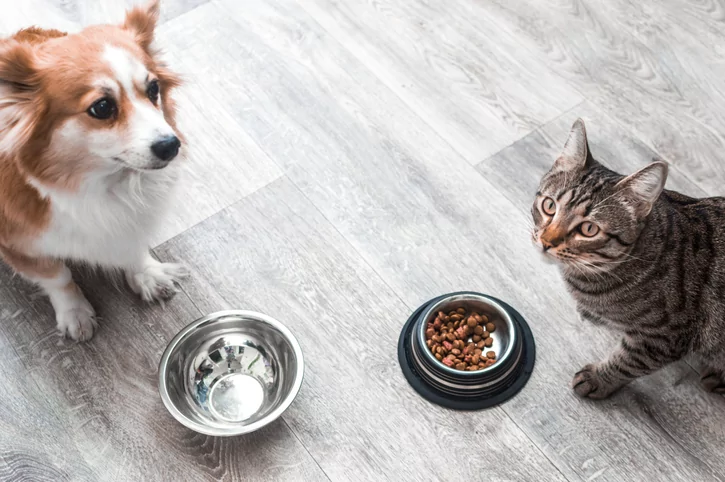
Cat food is formulated for obligate carnivores. It contains more protein, more fat, and certain nutrients like taurine and arachidonic acid that cats require.
Dog food meets a different balance. It provides protein, fat, carbohydrates, vitamins, and minerals for omnivores. Key differences include:
- Protein content: Cat food often has higher protein per calorie.
- Fat content: Cat diets are generally higher in fat to meet feline energy needs.
- Micronutrients: Cat food has extra vitamin A and taurine that cats need but dogs do not require in the same amounts.
- Calorie density: Cat food can be denser, raising calorie intake quickly.
Because of these differences, feeding cat food routinely can cause excess calories and nutrient imbalance for dogs. That imbalance is the heart of the risk when owners ask, is it safe for dogs to eat cat food.

Short-term risks when dogs eat cat food
An occasional bite usually causes no lasting harm. Short-term problems that can appear include:
- Upset stomach, vomiting, and diarrhea when a dog eats richer food than usual.
- Bloating or gas, especially with sudden changes in diet.
- Acute pancreatitis risk from high-fat meals in sensitive dogs.
Watch for symptoms within 12–48 hours. Mild GI upset often resolves in a day. If vomiting, severe diarrhea, lethargy, or abdominal pain appear, contact your vet.
Long-term risks of regular consumption
Feeding cat food to dogs often can lead to ongoing issues. Repeated access can cause:
- Obesity from higher calorie and fat intake.
- Chronic pancreatitis risk in predisposed dogs.
- Nutrient imbalance if dog food is replaced by cat food long term.
- Dental issues from inappropriate kibble texture or excessive wet food.
Puppies and senior dogs are especially vulnerable. Puppies need balanced levels of calcium and other growth nutrients. Long-term nutrient mismatches can affect growth and organ health. Asking is it safe for dogs to eat cat food often comes from concerns about chronic feeding — and those concerns are valid.
When cat food can be especially dangerous
Not all cases are equal. Cat food can be more dangerous when:
- A dog eats a large quantity at once, raising pancreatitis or obstruction risk.
- The dog has a history of pancreatitis, obesity, or gastrointestinal disease.
- The cat food contains potentially toxic ingredients like large amounts of onion or garlic powder.
- A small dog eats a large amount of calorie-dense wet food.
Also consider behavioral and medical contexts. A dog with metabolic or kidney issues may suffer from certain nutrient overloads. When you wonder, is it safe for dogs to eat cat food, consider the dog’s health, the amount eaten, and any added seasonings or mix-ins.
What to do if your dog eats cat food
Stay calm and assess the situation. Steps to follow:
- Note the amount and type eaten and check the ingredient list for toxic additives.
- Watch closely for vomiting, diarrhea, lethargy, or signs of abdominal pain.
- Contact your veterinarian if the dog ate a large amount, shows symptoms, or if your dog is a small puppy or has underlying disease.
- Do not induce vomiting without veterinary advice; some situations make vomiting unsafe.
If your vet recommends observation at home, limit food for a few hours and offer small bland meals later. For severe signs, take your dog to the clinic immediately. These steps answer the common practical worry: is it safe for dogs to eat cat food and what to do next.
Preventing access and safe feeding strategies
Prevention is the most effective solution. Simple changes cut the risk dramatically:
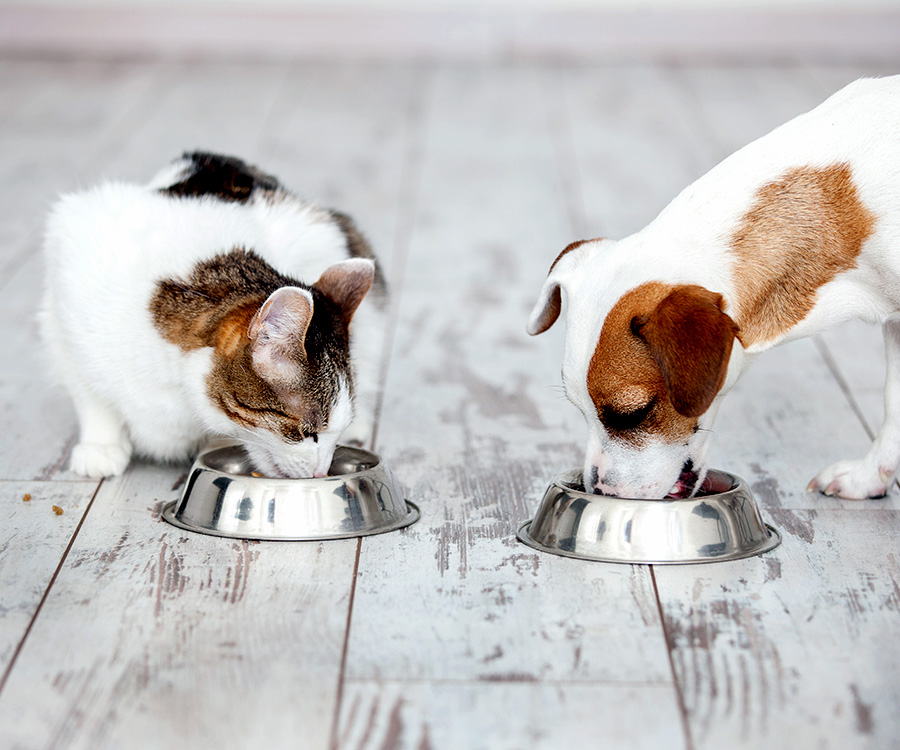
- Feed cats in a separate room with a closed door while dogs eat elsewhere.
- Use elevated feeding stations that cats can jump to but dogs cannot.
- Try timed feeders or microchip-activated cat feeders that open only for the cat.
- Put cat food away after meals rather than leaving bowls down all day.
- Train commands like leave it, stay, and place to reduce theft.
Consistency and routine help. I recommend short supervised feedings for both pets until safe habits form. These strategies make the question is it safe for dogs to eat cat food mostly moot.
My experience and practical tips from the field
I have helped dozens of clients solve cat food theft problems. One small terrier repeatedly got pancreatitis from nightly cat-bowl raids. We switched to a microchip feeder and added a short training routine. The dog’s episodes stopped.
Lessons I learned:
- Small fixes work best: closing a door or using a lid often solves it immediately.
- Avoid punishment; teach alternatives and reward good behavior.
- Monitor slow changes: weight gain can be subtle and steady when a dog snacks on cat food.
A few practical tips I use with clients:
- Put cat food in a cupboard between feedings.
- Use puzzle toys for your dog during cat mealtimes.
- Keep a feeding log if you suspect theft to spot patterns quickly.
These changes reduced stress for pets and owners. If you still ask is it safe for dogs to eat cat food, the best answer is to remove the opportunity and stick to species-appropriate diets.
Frequently Asked Questions of is it safe for dogs to eat cat food
Is it safe for dogs to eat cat food occasionally?
Occasional small amounts are usually safe for healthy adult dogs. Monitor for GI upset and prevent frequent access.
Can cat food cause pancreatitis in dogs?
Yes, high-fat meals can trigger pancreatitis, especially in predisposed dogs or when large amounts are eaten. Seek vet care for vomiting, abdominal pain, or lethargy.
What should I do if my dog ate a whole bowl of cat food?
Call your veterinarian and describe the amount and the dog’s size and health. They may advise monitoring at home or recommend an exam if the portion was large.
Can puppies eat cat food?
No, puppies have specific nutrient ratios for growth and should not be fed cat food long term. Occasional tiny nibbles are not ideal and can lead to imbalances.
How can I stop my dog from eating cat food?
Use separate feeding areas, timed feeders, and training. Preventing access is the most reliable strategy.
Is wet cat food more dangerous than dry?
Wet cat food is higher in fat and calories per bite and can cause faster weight gain or digestive upset if eaten in quantity. Both types pose risks if consumed frequently.
Conclusion
Feeding cat food to dogs occasionally is unlikely to harm most healthy adults, but regular feeding can cause obesity, pancreatitis, and nutrient imbalance. The safest path is to keep cat and dog diets separate, use prevention strategies, and contact your vet if your dog eats a large amount or shows symptoms. Take action today: secure pet bowls, teach simple leave-it commands, and review both pets’ diets to keep them healthy. Share your experiences, ask questions below, or subscribe for more practical pet care advice.