If you feed your dog Royal Canin, this recall news is something you need to know right now. Your pet’s health depends on the food you trust, so any safety alert can feel alarming.
But don’t worry—understanding what’s happening and what steps to take can protect your furry friend. Keep reading to find out exactly what’s going on with the Royal Canin dog food recall and how you can keep your dog safe.
Recall Details
The Royal Canin Dog Food Recall has raised concerns among pet owners. This recall involves specific batches of dog food that may pose health risks. Understanding the recall details helps owners protect their pets and take quick action. The following sections provide clear information on the affected products, reasons for the recall, and the date it was announced.
Affected Products
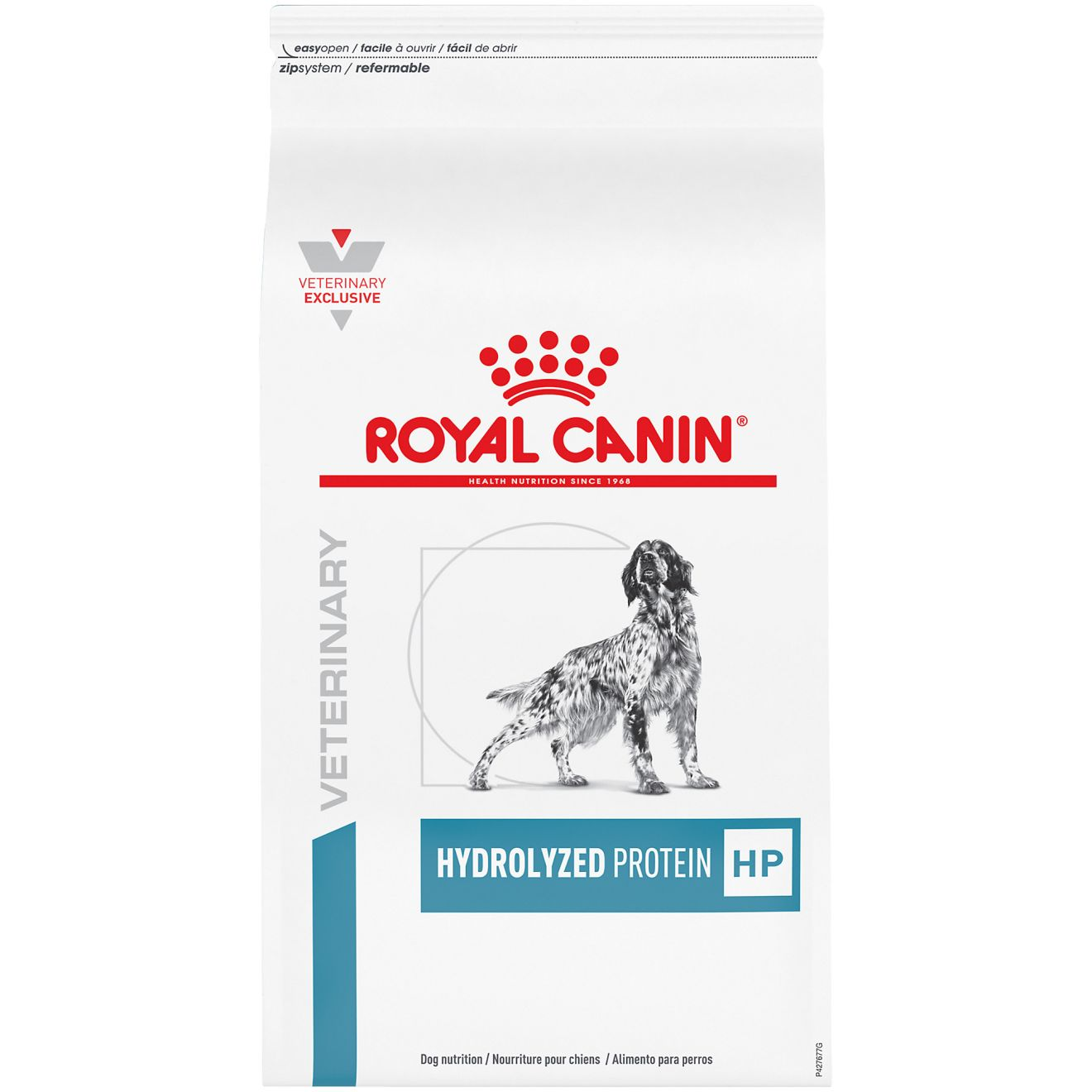
The recall includes several Royal Canin dog food products from select batches. These products were distributed nationwide and are identified by specific codes on the packaging.
- Product Types: Dry kibble and wet canned foods
- Targeted Dog Sizes: Small, medium, and large breeds
- Packaging: Bags and cans with certain lot numbers
Below is a table showing the main affected products and their batch details:
| Product Name | Package Size | Lot Numbers | Expiration Date |
|---|---|---|---|
| Royal Canin Medium Adult Dry | 15 lbs | LC12345, LC12346 | 12/2024 |
| Royal Canin Small Breed Canned | 12 oz | SC67890, SC67891 | 11/2024 |
| Royal Canin Large Breed Puppy Dry | 30 lbs | LB23456 | 01/2025 |
Pet owners should check product labels carefully. If the product matches the recalled lot numbers, it should not be fed to dogs.
Reasons For Recall
The recall was issued due to potential contamination in the manufacturing process. The main reason involves the presence of excessive levels of vitamin D. High vitamin D can cause serious health problems in dogs.
Possible risks include:
- Vomiting and diarrhea
- Loss of appetite
- Increased thirst and urination
- Kidney damage in severe cases
Royal Canin acted quickly after routine tests showed abnormal vitamin D levels. The source of contamination is under investigation, but the company aims to prevent further risk.
Consumers are urged to stop feeding affected products immediately. Contacting a veterinarian if symptoms appear is crucial for pet safety.
Date Of Announcement
The recall was officially announced on March 15, 2024. Royal Canin released a public statement on this date to inform customers and retailers.
Following the announcement:
- Retailers began removing affected products from shelves.
- Consumers were advised to check product codes at home.
- Customer service lines were opened for questions and returns.
The recall announcement date marks the start of all safety actions. Pet owners should verify their products promptly to avoid feeding unsafe food.
Updates and further instructions from Royal Canin continue to be provided through official channels. Staying informed helps protect dogs from potential harm.
Credit: arloren.com
Health Risks
The recent Royal Canin dog food recall raises serious concerns about the health risks for pets. Contaminated or defective dog food can cause harmful effects ranging from mild discomfort to life-threatening conditions. Understanding these health risks helps pet owners act quickly and protect their furry friends.
Symptoms To Watch For
Dogs affected by recalled Royal Canin food may show various symptoms. Watch for signs that indicate illness or distress. Early detection is crucial to prevent severe problems.
- Vomiting: Frequent or severe vomiting can signal poisoning or food intolerance.
- Diarrhea: Loose stools or diarrhea may appear, sometimes with blood.
- Loss of Appetite: Refusal to eat or decreased interest in food.
- Lethargy: Unusual tiredness or weakness.
- Excessive Drooling: Could indicate nausea or oral irritation.
- Abdominal Pain: Whining, restlessness, or sensitivity when touching the belly.
- Increased Thirst or Urination: Signs of kidney stress or failure.
Here is a quick reference table of symptoms and what they might mean:
| Symptom | Possible Cause | Urgency |
|---|---|---|
| Vomiting | Contamination, poisoning | High |
| Diarrhea | Food intolerance, infection | Medium |
| Loss of Appetite | Stomach upset, systemic illness | High |
| Lethargy | Dehydration, toxin effect | High |
Seek veterinary care if your dog shows any of these symptoms after eating recalled food.
At-risk Dog Breeds
Certain dog breeds may face higher risks from the Royal Canin recall. These breeds often have unique health needs or sensitivities. Knowing which dogs are more vulnerable helps prioritize care.
Small breeds like Chihuahuas, Pomeranians, and Dachshunds are more sensitive to dietary changes and toxins. Their smaller size means less tolerance for harmful substances.
Large and giant breeds such as Great Danes and Saint Bernards may develop serious complications faster due to their metabolism and size.
Some breeds have specific health conditions that can worsen with contaminated food:
- Boxers: Prone to heart issues, which can be aggravated.
- Doberman Pinschers: Sensitive to food-borne toxins affecting nerves.
- Golden Retrievers: May develop digestive problems quickly.
- French Bulldogs: Brachycephalic breeds often have fragile digestive systems.
The table below summarizes breeds at risk and their common sensitivities:
| Breed Group | Examples | Health Sensitivities |
|---|---|---|
| Small Breeds | Chihuahua, Pomeranian | Low toxin tolerance, digestive upset |
| Large Breeds | Great Dane, Saint Bernard | Metabolic stress, organ strain |
| Heart-Prone Breeds | Boxer, Doberman | Heart and nerve sensitivity |
| Brachycephalic Breeds | French Bulldog, Pug | Fragile digestion, respiratory issues |
Monitor these breeds closely after feeding recalled Royal Canin products.
Reported Cases
Several reports confirm health issues linked to the Royal Canin recall. Cases vary from mild symptoms to severe illness requiring emergency care.
Common reports include:
- Dogs experiencing vomiting and diarrhea within hours of eating recalled food.
- Loss of appetite and lethargy lasting days.
- Rare cases of kidney failure and neurological symptoms.
Veterinarians have documented these cases across multiple regions. Some dogs needed hospitalization and IV fluids.
Below is a summary of reported cases by symptom severity:
| Severity | Number of Cases | Common Symptoms |
|---|---|---|
| Mild | 120+ | Vomiting, diarrhea, mild lethargy |
| Moderate | 45+ | Prolonged vomiting, appetite loss, dehydration |
| Severe | 10+ | Kidney issues, neurological symptoms, hospitalization |
These cases highlight the importance of immediate action and veterinary consultation.
Consumer Actions
The Royal Canin Dog Food Recall has raised concerns about pet food safety among many dog owners. Taking proper consumer actions is vital to protect your pet’s health. Knowing how to spot the recalled dog food batches and following the pet food recall procedure helps reduce pet health risk. This section guides you through identifying recalled pet food, the steps to take if you have it, and how to contact Royal Canin for support.
How To Identify Recalled Food
Identifying recalled dog food is the first step in protecting your pet. The Royal Canin Recall Notice lists specific recalled dog food batches affected by possible contamination. Look closely at the product packaging to check for these details:
- Batch numbers printed on the bag or can
- Expiration dates matching those in the recall notice
- Product names included in the recall
Use the table below to compare your product details with the recall information:
| Product Name | Batch Number | Expiration Date | Recall Status |
|---|---|---|---|
| Royal Canin Medium Adult | 123456789 | 12/2024 | Recalled |
| Royal Canin Mini Puppy | 987654321 | 11/2024 | Safe |
Important: Do not feed your dog any food matching the recalled batches. Identifying recalled pet food quickly can prevent serious dog food contamination issues and protect your pet.
Steps To Take If You Have The Product
Once you confirm you have a recalled product, follow the pet food recall procedure strictly to ensure safety. Start by stopping the use of the food immediately. Feeding dogs recalled food increases pet health risk and can cause illness.
- Remove the recalled food from your home or storage area.
- Check all packages for batch numbers and expiration dates.
- Do not throw away the product until you get instructions from Royal Canin or your retailer.
- Store the recalled food safely away from pets to avoid accidental feeding.
- Follow recall instructions for returning or disposing of the product.
Keeping the recalled dog food separate helps prevent accidental use. Keep receipts or proof of purchase ready. These documents may be needed for refunds or exchanges during the pet product recall process. Monitor your dog’s health closely for any signs of illness after exposure to recalled food.
Contacting Royal Canin
For questions about the recall or to report problems, contact Royal Canin Customer Support. They provide guidance on the pet food recall procedure and help with returns or refunds. Use the following methods to reach out:
- Phone: Call the Royal Canin helpline listed on the recall notice
- Email: Use the official customer support email for recall issues
- Website: Visit the Royal Canin website for updates and recall details
When contacting them, have this information ready:
- Batch number and expiration date of the product
- Purchase location and date
- Any symptoms observed in your pet
Royal Canin Customer Support aims to resolve concerns quickly and ensure your pet’s safety. Timely communication helps manage the canine nutrition alert and reduces risks associated with the dog food contamination.
Company Response
The Royal Canin Dog Food Recall has raised many concerns among pet owners. The company’s response plays a crucial role in restoring trust and ensuring pet health. Royal Canin took immediate action to address the issue and communicate clearly with customers. Their approach focuses on transparency, safety, and preventing future problems.
Statements From Royal Canin
Royal Canin Statements emphasized their commitment to pet food safety and customer well-being. The company released official communications explaining the recall cause and steps taken.
- Royal Canin confirmed the recall was due to potential dog food contamination.
- The company assured no harmful effects have been confirmed but took precautions.
- They apologized for any inconvenience and expressed concern for pet health risks.
- Customers were encouraged to check product batches and stop using affected items immediately.
Here is a summary of key points from Royal Canin’s statements:
| Aspect | Details |
|---|---|
| Recall Reason | Possible contamination in specific batches |
| Customer Instructions | Stop feeding recalled products, contact support |
| Company Apology | Expressed sincere regret and concern |
| Ongoing Investigation | Full review to identify contamination source |
These Royal Canin Statements show transparency and a strong focus on safety.
Preventive Measures
Recall Preventive Measures are vital to stop similar issues. Royal Canin outlined steps to improve dog food quality control and avoid future recalls.
The company is enhancing its processes:
- Stricter ingredient testing before production.
- Enhanced manufacturing protocols to reduce contamination risks.
- Improved packaging inspection to maintain product integrity.
- Regular audits by external experts.
Staff training is also a priority to ensure everyone understands food recall procedures and safety standards.
Below is an overview of the new preventive measures:
| Preventive Step | Purpose |
|---|---|
| Ingredient Testing | Detect contaminants early |
| Manufacturing Protocols | Minimize contamination during production |
| Packaging Inspection | Ensure safe, sealed products |
| External Audits | Verify compliance and standards |
| Staff Training | Increase awareness of safety and recall steps |
These Recall Preventive Measures aim to protect pets and prevent future canine nutrition recall events.
Future Safety Plans
Future Safety Plans Royal Canin focus on long-term improvements in pet food safety. The company commits to stronger controls and transparent communication.
Key elements of these plans include:
- Investing in advanced testing technologies.
- Building closer partnerships with suppliers to guarantee ingredient quality.
- Launching a dedicated safety team to monitor production continuously.
- Developing faster, more effective food recall procedures.
- Increasing education efforts for customers about product safety.
Here is a list summarizing the Future Safety Plans Royal Canin:
- Advanced contaminant detection systems
- Supplier quality partnerships
- Continuous production monitoring
- Improved recall response time
- Customer safety education
These plans demonstrate Royal Canin’s dedication to maintaining high dog food quality control. Their goal is to reduce risks and protect pets from health issues related to food.
Veterinary Advice
The recent Royal Canin Dog Food Recall has raised many concerns among dog owners about dog food contamination and canine nutrition safety. Understanding the right veterinary advice is critical for protecting your pet’s health. Awareness of symptoms of pet food poisoning and timely action can help prevent serious health issues. This section guides you through when to seek veterinary care for dogs, available treatment for dog food-related illness, and how to maintain dog health monitoring after the recall.
When To Visit A Vet
Knowing the signs that indicate a visit to the vet is urgent can save your dog’s life. Pet food safety alerts like this recall highlight risks of dog dietary concerns due to contaminated food. Watch for these symptoms of pet food poisoning:
- Vomiting or diarrhea lasting more than 24 hours
- Loss of appetite or refusal to eat
- Excessive drooling or lethargy
- Unusual weakness or difficulty standing
- Abdominal pain or bloating
- Seizures or tremors
Immediate veterinary attention is necessary if your dog shows any of these signs. Early diagnosis helps prevent complications from dog food contamination. Use the table below to decide when to visit a vet:
| Symptom | Urgency Level | Action |
|---|---|---|
| Mild vomiting, no other symptoms | Low | Monitor at home, call vet if worsens |
| Repeated vomiting, diarrhea | Medium | Contact vet within 24 hours |
| Severe lethargy, seizures, or collapse | High | Visit emergency vet immediately |
Treatment Options
Veterinary care for dogs affected by recalled food focuses on managing symptoms and preventing further harm. Treatment depends on the severity of the dog food contamination and your pet’s overall health. Common options include:
- Fluids to prevent dehydration caused by vomiting or diarrhea
- Medications to control nausea and pain
- Activated charcoal to reduce toxin absorption
- Antibiotics if secondary infections occur
- Special diets to support recovery and avoid further irritation
In some cases, hospitalization is necessary for close monitoring and intensive care. Your vet may recommend blood tests or other diagnostics to evaluate organ function. Follow all veterinary instructions carefully to ensure full recovery. Here is a summary of treatment steps:
- Initial assessment and symptom management
- Supportive care with fluids and medications
- Ongoing monitoring and follow-up visits
- Adjusting diet to prevent future issues
Monitoring Your Dog’s Health
After treatment, continuous dog health monitoring is essential to catch any delayed effects of the recall. Keep a daily log of your dog’s behavior, appetite, and bathroom habits. Pay special attention to:
- Changes in energy levels
- Signs of digestive upset
- Weight loss or gain
- Any new or returning symptoms
Regular check-ups with your vet help track recovery progress. Maintain canine nutrition safety by choosing trusted food brands and staying updated on pet food recall news. Use this checklist to guide home monitoring:
| Health Aspect | Monitoring Tips |
|---|---|
| Appetite | Note changes in eating habits or refusal to eat |
| Activity Level | Observe for lethargy or weakness |
| Digestive Health | Check for vomiting, diarrhea, or constipation |
| Weight | Weigh your dog weekly to detect sudden changes |
Early detection of problems ensures prompt veterinary care. Protect your dog by staying informed and vigilant about Royal Canin product safety and all pet food safety alerts.
Credit: www.sietesetenta.com.ar
Recall Impact
The Royal Canin Dog Food Recall has caused significant waves across the pet food market. This recall impacts not only the brand but also raises important questions about pet food safety and canine nutrition concerns. Understanding the recall impact helps pet owners and industry professionals respond wisely. The effects stretch from market behavior to consumer trust and industry practices. This section breaks down these key areas to reveal the full scope of the recall’s consequences.
Market Reactions
The Royal Canin Recall Update quickly influenced the pet food market. Sales of Royal Canin products dropped sharply as retailers pulled items from shelves. Other brands experienced a temporary rise as customers searched for alternatives. This shift shows the power of consumer pet product safety concerns in driving buying decisions.
- Retailers increased safety checks on all dog food products.
- Competitors highlighted their strict pet food industry standards.
- Supply chains adjusted to meet sudden demand shifts.
The table below shows estimated sales changes during the recall period:
| Brand | Sales Change (%) | Reason |
|---|---|---|
| Royal Canin | -25% | Recall and consumer caution |
| Competitor A | +15% | Increased demand |
| Competitor B | +10% | Marketing focus on safety |
Overall, the recall impact on brand reputation is clear. Royal Canin must rebuild trust through transparency and improved quality control.
Customer Feedback
Pet owners shared many opinions during the Pet Food Recall 2024. Some expressed frustration and worry over dog food contamination. Others appreciated the quick action and clear communication from Royal Canin. Pet owner reviews reveal a mix of trust lost and hope for better safety measures.
- Many reported checking labels more carefully after the recall.
- Some switched to brands with stronger safety records.
- Veterinarians noted an increase in calls related to veterinary health alerts.
Common customer concerns included:
- Potential health risks for their dogs
- Confusion over which products were affected
- Need for better notification and guidance
This feedback highlights the importance of clear communication in managing recall events. It also stresses the need to maintain high standards in canine nutrition concerns to avoid future issues.
Industry Implications
The recall has set new conversations about pet food industry standards and consumer pet product safety. Regulators and manufacturers face pressure to improve testing and transparency. The incident revealed gaps in quality control that must be addressed.
Key industry responses include:
- Stricter regulations on ingredient sourcing
- Enhanced testing for contaminants
- Greater transparency in recall procedures
- Collaboration between vets and manufacturers for early veterinary health alerts
These changes aim to protect pets and reassure consumers. The recall is a clear reminder that dog food contamination risks remain a serious issue. The industry must learn and adapt to maintain trust and safety in the pet food market.
Credit: dogtime.com
Frequently Asked Questions
What Caused The Royal Canin Dog Food Recall?
The recall was triggered by potential contamination with Salmonella bacteria. This contamination risks pet health and requires immediate attention. Royal Canin issued the recall to ensure pet safety and prevent illness.
Which Royal Canin Products Are Affected By The Recall?
Only specific batches of Royal Canin dry dog food are affected. The company provides batch numbers and expiration dates for identification. Consumers should check packaging details to confirm if their product is included.
How Can I Check If My Dog Food Is Recalled?
Visit the Royal Canin official website or FDA recall page. Enter the batch number and expiration date for verification. Always keep packaging handy for quick reference during recalls.
What Symptoms Indicate My Dog Ate Recalled Food?
Watch for vomiting, diarrhea, lethargy, and loss of appetite. These signs may indicate Salmonella infection or other health issues. Contact your veterinarian immediately if symptoms appear.
Conclusion
Pet owners must stay alert about the Royal Canin dog food recall. Checking product codes and dates helps keep dogs safe. Always follow recall instructions carefully to avoid risks. Choosing trusted brands and monitoring updates protects your pet’s health. Keep your vet informed about any issues or concerns.
Remember, quick action can prevent serious problems. Stay informed and act wisely for your dog’s well-being. Safety always comes first.