Imagine this: your dog just ate something toxic. Your heart races, and panic sets in.
What should you do right now? Knowing the right steps can save your furry friend’s life. You’ll learn exactly what to do if your dog eats something harmful. Stay calm, act fast, and get the answers you need to protect your pet.
Keep reading—your dog depends on you.

Credit: www.directline.com
Recognize Toxic Symptoms
Recognizing toxic symptoms in dogs is critical for their safety. Quick action can save your pet’s life. Knowing the signs helps you respond fast and correctly. Watch closely for any unusual changes in your dog’s health or behavior. Early detection can prevent serious harm.
Common Signs Of Poisoning
Poisoning signs can vary, but some are common. Vomiting and diarrhea often appear first. Excessive drooling or foaming at the mouth can also occur. Your dog might have trouble breathing or cough frequently. Seizures or shaking are urgent warning signs. Pale gums indicate a serious problem. Watch for sudden weakness or collapse.
Behavioral Changes To Watch For
Behavior can reveal poisoning early. Your dog may act restless or anxious. Look for unusual aggression or fear. Sudden tiredness or lethargy is a red flag. Loss of appetite can mean your dog feels sick. Unusual whining or howling may signal pain. Confusion or disorientation requires immediate attention.
Physical Symptoms In Dogs
Physical symptoms often show poisoning clearly. Check your dog’s eyes for redness or cloudiness. Swelling in the face, paws, or body is dangerous. Skin rashes or blisters might appear. Difficulty walking or staggering are serious signs. A fast or irregular heartbeat needs quick care. Monitor your dog’s temperature for fever or coldness.

Credit: www.hillrag.com
Identify The Toxin
Identifying the toxin is the first step after your dog eats something harmful. Knowing the exact substance helps you act fast and get proper care. This knowledge also aids the vet in giving the right treatment quickly.
Common Household Poisons
Many everyday items can poison dogs. Cleaning products, detergents, and insecticides are often dangerous. Keep an eye on small objects like batteries and antifreeze too. These can cause serious illness or death if swallowed.
Food Items Toxic To Dogs
Some human foods are toxic to dogs. Chocolate, grapes, and onions top the list. Xylitol, found in sugar-free gum, is deadly even in small amounts. Avoid feeding your dog table scraps to prevent poisoning.
Plants And Chemicals To Avoid
Certain plants and chemicals harm dogs when eaten. Lilies, azaleas, and oleander are toxic plants. Lawn fertilizers, rodent poisons, and automotive fluids also pose risks. Keep these items out of your dog’s reach at all times.
Immediate Actions To Take
When a dog eats something toxic, acting fast is very important. Immediate steps can help reduce harm and protect your pet’s health. Stay calm and follow clear actions to keep your dog safe.
Remove Access To The Toxin
Take away the poisonous item right away. Keep your dog away from the source to stop further eating. Clean the area to prevent your dog from returning to it.
Avoid Inducing Vomiting Without Advice
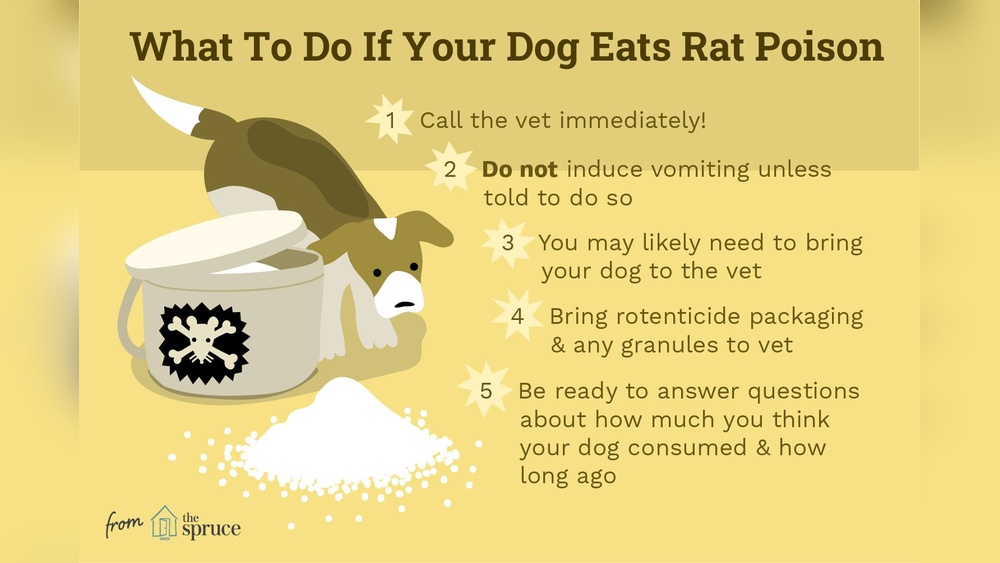
Do not make your dog vomit unless a vet says so. Vomiting may cause more harm with some toxins. Wait for professional guidance before trying any home treatment.
Contacting A Veterinarian Quickly
Call your vet immediately after you discover the poisoning. Provide clear details about what your dog ate and how much. Follow the vet’s instructions exactly for the best care.
Emergency Care At Home
When a dog eats something toxic, quick action is crucial. Emergency care at home can help stabilize your pet. Knowing what to do and what to avoid can save precious time. Stay calm and act carefully to protect your dog’s health.
First Aid Measures
Check your dog for signs of poisoning. Look for vomiting, drooling, weakness, or seizures. Try to identify the toxic substance if possible.
Remove any remaining poison from your dog’s mouth. Use a cloth or paper towel, but avoid pushing anything deeper. Offer fresh water in small amounts to help dilute the toxin.
Do not make your dog vomit unless a vet tells you. Some poisons can cause more harm if vomited.
Keep your dog warm and quiet. Monitor breathing and alertness until you reach a vet.
What Not To Do
Do not give your dog any human medicine. Many medicines are unsafe for dogs.
Avoid inducing vomiting without veterinary advice. Some chemicals can burn the throat coming back up.
Never delay seeking professional help. Poisoning can worsen quickly.
Do not feed your dog food or treats right after poisoning. It may interfere with treatment.
Preparing For The Vet Visit
Gather information about the poison. Bring the container or a photo if possible.
Note your dog’s symptoms and when they started. This helps the vet diagnose faster.
Keep your dog calm during transport. Use a leash or carrier for safety.
Call your vet or emergency animal clinic before arrival. Inform them about the poisoning.
Veterinary Treatment Options
When a dog eats something toxic, quick veterinary care is crucial. Vets use specific treatments to help the dog recover safely. These treatments depend on the toxin and the dog’s condition.
Diagnostic Procedures
Vets start by examining the dog carefully. They ask about what the dog ate and when. Blood tests check for toxins and organ damage. X-rays or ultrasounds find foreign objects or blockages. These tests guide the vet to the right treatment.
Medications And Antidotes
Medications help remove toxins or reduce their effects. Some poisons have specific antidotes that can save the dog. Vets may give activated charcoal to absorb toxins. Other drugs control symptoms like vomiting, seizures, or pain. The right medicine depends on the toxin involved.
Supportive Care And Monitoring
Supportive care keeps the dog stable during treatment. This includes fluids to prevent dehydration and maintain blood pressure. Vets monitor heart rate, breathing, and temperature closely. Oxygen therapy may be necessary if breathing is weak. Careful monitoring helps catch problems early and improves recovery chances.
Preventing Future Incidents
Preventing your dog from eating something toxic is very important. Taking steps to keep your pet safe helps avoid emergencies. You can create a safer space and teach your dog good habits. This section covers simple ways to protect your dog in the future.
Safe Storage Tips
Keep all chemicals, medicines, and cleaning products out of reach. Store these items in high cabinets or locked closets. Use containers with childproof lids for extra safety. Never leave food or trash where your dog can get it. Check your home regularly for any harmful items left open.
Training Your Dog
Teach your dog commands like “leave it” and “drop it.” Practice these commands daily in different places. Reward your dog for obeying to encourage good behavior. Training helps your dog avoid eating unknown objects. Be patient and consistent with your training sessions.
Creating A Toxic-free Environment
Remove plants that are poisonous to dogs from your home and yard. Replace harmful plants with safe alternatives. Avoid using pesticides and chemicals in areas your dog visits. Keep your garden and outdoor space clean and free of trash. Regular checks help you spot new dangers quickly.

Credit: www.bostonveterinary.com
FAQs For What To Do Dog Eats Toxic
What Are Common Toxic Foods For Dogs?
Common toxic foods include chocolate, grapes, raisins, onions, garlic, and xylitol. These can cause serious health issues or death. Always keep these foods out of your dog’s reach to prevent accidental poisoning.
How Can I Tell If My Dog Ate Something Toxic?
Symptoms include vomiting, diarrhea, drooling, lethargy, seizures, and difficulty breathing. If you notice these signs, contact your vet immediately for advice and treatment.
What Should I Do Immediately If My Dog Eats Poison?
Call your veterinarian or an emergency pet poison hotline right away. Do not induce vomiting unless instructed by a professional. Quick action can save your dog’s life.
Can I Induce Vomiting At Home Safely?
Only induce vomiting if your vet recommends it. Use hydrogen peroxide as directed, but never do it if your dog is unconscious or having seizures. Professional guidance is crucial.
Conclusion
Act fast if your dog eats something toxic. Call the vet right away. Watch your dog closely for any strange signs. Keep harmful items out of your dog’s reach. Knowing what to do can save your pet’s life. Stay calm and act quickly to help your dog.
Your quick response makes a big difference. Always be prepared for emergencies like this. Taking these steps keeps your dog safe and healthy.