Have you ever wondered if it’s okay to feed your dog wet cat food? Maybe you found some leftover cans and thought it might be a quick meal for your furry friend.
Before you do, it’s important to understand how cat food differs from dog food and what it means for your dog’s health. Keep reading to discover the surprising facts and find out whether wet cat food is a safe choice for your dog—or if it could cause problems you want to avoid.
Your dog’s well-being depends on the right diet, so let’s get to the bottom of this together.
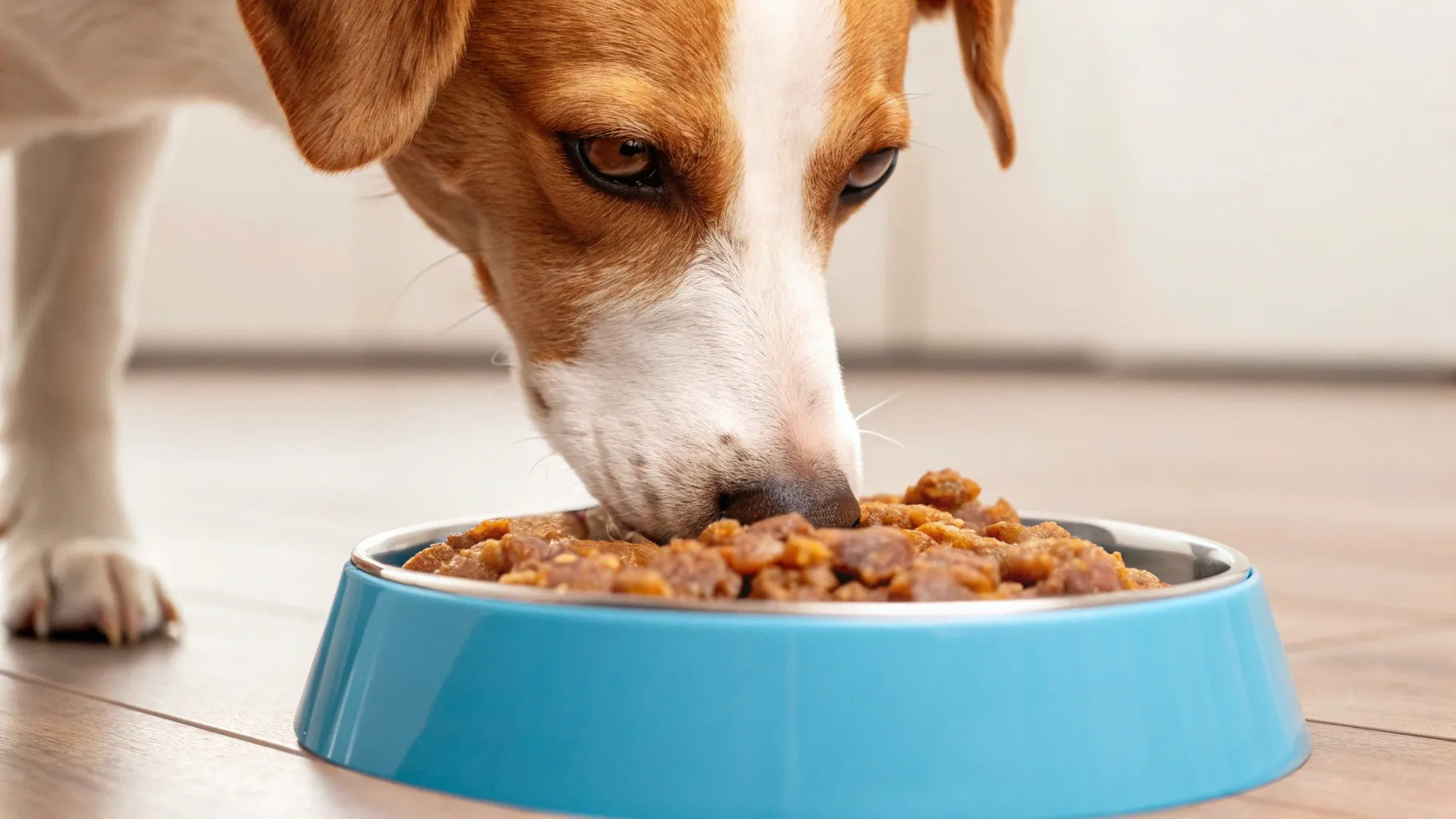
Credit: www.houndsy.com
Differences Between Cat And Dog Food
Many pet owners wonder about feeding dogs wet cat food. Understanding the differences between cat and dog food helps answer this question. Dog nutrition and feline dietary needs vary greatly. These differences affect pet food safety and the health of your dog. Wet cat food has ingredients and nutrient levels made for cats, not dogs. Knowing the key contrasts in canine dietary requirements and protein in pet food is essential before sharing meals between pets.
Nutritional Needs Of Dogs
Dogs have unique dietary needs compared to cats. Their bodies process nutrients differently. Canine dietary requirements focus on balanced nutrition, including proteins, fats, carbohydrates, vitamins, and minerals. Dog nutrition aims for moderate protein and fat levels to support energy and overall health.
Key points about dog nutrition:
- Protein in pet food for dogs is moderate (18-25%).
- Dogs need more carbohydrates than cats.
- Essential fatty acids help maintain healthy skin and coat.
- Dogs require certain vitamins and minerals for immune health.
- Overfeeding protein can strain a dog’s kidneys.
Here is a simple pet diet comparison for dog food:
| Nutrient | Typical Dog Food (%) | Function |
|---|---|---|
| Protein | 18-25 | Muscle growth and repair |
| Fat | 10-15 | Energy and skin health |
| Carbohydrates | 30-50 | Energy source |
| Fiber | 3-5 | Digestive health |
Dogs thrive on food designed for their needs. Feeding dogs cat food regularly can cause health issues.
Nutritional Needs Of Cats
Cats have strict feline dietary needs. They are obligate carnivores, meaning their bodies require nutrients found mainly in meat. Cat food contains higher protein and fat to meet these needs. Cats need specific amino acids and vitamins that dogs do not.
Important facts about cat nutrition:
- Protein in pet food for cats is high (30-45%).
- They need taurine, an amino acid vital for heart and eye health.
- Vitamin A in cat food comes from animal sources, as cats cannot convert plant forms.
- Fat content is higher to supply energy and support brain function.
- Carbohydrates are low since cats do not digest them well.
Here is a quick pet diet comparison for cat food:
| Nutrient | Typical Cat Food (%) | Function |
|---|---|---|
| Protein | 30-45 | Vital for muscle and organ health |
| Fat | 15-25 | Energy and nutrient absorption |
| Carbohydrates | 5-10 | Minimal energy source |
| Taurine | Essential | Heart and vision support |
Feeding cats dog food can cause nutrient deficiencies. Their bodies need specific nutrients only found in cat food ingredients.
Ingredients In Wet Cat Food
Wet cat food contains ingredients formulated for feline needs. It is rich in animal proteins and fats. This supports cats’ high protein and fat demands. Ingredients in wet cat food often include:
- Chicken, fish, or other meats as primary protein sources
- Animal fats for energy and palatability
- Taurine and other amino acids essential for cats
- Vitamins A, D, and E from animal sources
- Low carbohydrates to match feline digestive capacity
Here is a sample breakdown of common cat food ingredients:
| Ingredient | Purpose | Relevance to Dogs |
|---|---|---|
| Chicken | Protein source | Good but often too high for dogs |
| Taurine | Essential for cats | Not required by dogs |
| Animal Fat | Energy and taste | Higher than dog needs |
| Vitamins from animal sources | Meet feline needs | May cause imbalance in dogs |
Wet cat food for dogs is not ideal for long-term feeding. It has too much protein and fat. Pet food safety depends on feeding species-appropriate diets.
Potential Risks Of Feeding Dogs Wet Cat Food
Feeding dogs wet cat food may seem convenient or tempting, especially in urgent situations. However, this practice carries several potential risks that affect your pet’s health. Wet cat food is formulated for cats, whose nutritional needs differ from dogs. Ignoring these differences can cause serious problems related to dog nutrition and overall well-being. Understanding these risks helps pet owners make safe choices in their canine diet and follow proper dog feeding guidelines.
Nutrient Imbalance
Wet cat food is designed with cats’ nutritional needs in mind. Cats require higher levels of protein, fat, and certain vitamins than dogs. Feeding dogs wet cat food often leads to a nutrient imbalance in their diet. This imbalance can cause health issues over time.
Key differences include:
- Higher protein and fat: Cat food contains more protein and fat than dog food, which can strain a dog’s organs.
- Taurine content: Cats need taurine, an amino acid, but dogs produce enough on their own.
- Vitamin A levels: Cat food has preformed vitamin A, which in excess can harm dogs.
Below is a comparison of nutrient levels in typical wet cat food and wet dog food:
| Nutrient | Wet Cat Food | Wet Dog Food |
|---|---|---|
| Protein (%) | 10-12 | 6-8 |
| Fat (%) | 8-10 | 4-6 |
| Vitamin A (IU/kg) | 15,000+ | 10,000-12,000 |
Feeding wet cat food regularly disrupts a balanced dog diet. Dogs may develop obesity, kidney stress, or vitamin toxicity. Always ensure your dog receives food formulated for their species.
Digestive Issues
Wet cat food ingredients can upset a dog’s digestive system. Cats and dogs digest food differently due to variations in their digestive enzymes and gut flora.
Common dog digestive health problems from cat food include:
- Diarrhea: Excess fat and protein may cause loose stools.
- Vomiting: Sudden changes in diet can trigger vomiting episodes.
- Pancreatitis risk: High-fat content increases inflammation risk in the pancreas.
Dogs with sensitive stomachs or canine food intolerance are especially vulnerable. The abrupt introduction of wet cat food ingredients may lead to:
- Stomach cramps
- Bloating
- Loss of appetite
Maintaining pet food safety requires feeding dogs with proper dog food. Any dietary changes should be gradual to protect their digestive system.
Allergic Reactions
Feeding dogs wet cat food can trigger pet allergies or worsen existing ones. Dogs may react to unusual proteins or additives found in cat food.
Signs of canine food intolerance or allergy include:
- Itchy skin or rashes
- Excessive scratching or licking
- Ear infections
- Swelling or hives
Some wet cat food ingredients, like fish or dairy, commonly cause allergic reactions in dogs. Pet owners must monitor any adverse symptoms closely.
Consulting a veterinarian helps identify specific allergies and adjust the canine diet safely. Avoiding cat food for dogs reduces the risk of triggering pet allergies and ensures a healthy diet.
When Wet Cat Food Might Be Safe For Dogs
Feeding dogs wet cat food is a topic many pet owners wonder about. Wet cat food has different ingredients and nutrition compared to dog food. Understanding when wet cat food might be safe for dogs helps keep pets healthy. This section covers safe situations for cross-species feeding and what to watch for in dog digestive health and canine dietary needs.
Occasional Feeding
Occasional feeding of wet cat food to dogs is generally safe but should be limited. Cats need more protein and fat than dogs. Wet cat food ingredients often have higher levels of these nutrients, which can upset a dog’s stomach if given too often.
Here are some points to consider for occasional feeding:
- Small Amounts: Give only a few bites or a small portion.
- Not a Regular Meal: Avoid replacing dog food with cat food regularly.
- Check Ingredients: Avoid cat foods with onion, garlic, or other harmful additives.
Dogs can usually digest a small amount of cat food without problems, but repeated feeding can cause:
- Weight gain
- Digestive upset
- Pancreatitis risk
| Aspect | Wet Cat Food | Wet Dog Food |
|---|---|---|
| Protein | Higher | Moderate |
| Fat | Higher | Lower |
| Taurine | Added | Not Required |
| Fiber | Lower | Higher |
Use wet cat food as a rare treat only, not a substitute for dog nutrition.
Emergency Situations
Wet cat food can serve as a temporary pet food alternative in emergencies. During Emergency Pet Care, access to dog food might be limited. Wet cat food provides calories and moisture to a hungry dog in such cases.
Important guidelines for emergency feeding:
- Short Term Use: Feed cat food only until proper dog food is available.
- Watch for Reactions: Monitor the dog for digestive upset or allergies.
- Hydration: Ensure fresh water is always accessible.
Emergency feeding with wet cat food should not replace balanced canine dietary needs. The food supports energy and hydration but lacks certain nutrients dogs need long term.
Pet food safety is crucial in emergencies. Avoid spoiled or expired wet cat food. Check wet cat food ingredients to confirm no toxic substances are present.
Consulting A Veterinarian
Veterinarian advice is vital before feeding wet cat food to dogs. A vet can evaluate your dog’s health and provide guidance on pet food safety and nutrition. This step ensures that cross-species feeding does not harm dog digestive health.
Reasons to consult a veterinarian include:
- Determining if wet cat food suits your dog’s dietary needs
- Identifying any allergies or sensitivities
- Getting recommendations for safe pet food alternatives
- Understanding animal dietary guidelines for mixed feeding
A veterinarian can recommend suitable dog food brands or special diets if needed. They might also suggest supplements to balance nutrition if occasional wet cat food feeding occurs.
Always follow professional veterinarian advice to maintain your dog’s health and avoid risks related to improper feeding.
Healthier Alternatives For Dogs
Feeding dogs wet cat food might seem like a quick fix, but it often lacks the balance needed for canine health. Wet cat food ingredients are designed for cats, not dogs, and may not meet essential dog food nutritional needs. Choosing healthier alternatives supports your pet’s well-being and avoids pet health concerns related to improper diets. Exploring dog food alternatives ensures your dog gets proper nutrients, energy, and vitamins for a long, happy life.
Commercial Dog Food Options
Commercial dog foods are formulated to meet strict canine nutrition standards. They provide a balanced mix of proteins, fats, vitamins, and minerals. These foods come in dry kibble, wet canned, and semi-moist forms, making it easy to find one your dog enjoys.
Benefits of commercial dog food:
- Complete nutrition tailored for dogs
- Convenient and easy to store
- Variety of flavors and formulas for different ages and sizes
- Veterinarian-approved options for special health needs
The table below compares key pet food comparison points between wet cat food and commercial dog food:
| Aspect | Wet Cat Food | Commercial Dog Food |
|---|---|---|
| Protein Level | High, cat-focused | Moderate, dog-specific |
| Fat Content | Higher fat | Balanced fat |
| Essential Nutrients | Designed for cats | Tailored for dogs |
| Feeding Safety | Can cause health issues | Safe and tested |
Choosing commercial dog food supports dog diet safety and overall health. Always check labels for AAFCO approval to ensure quality.
Homemade Dog Food Recipes
Homemade dog meals offer control over ingredients and nutrition. Preparing food at home helps meet your dog’s unique dog food nutritional needs. It allows avoiding unknown additives found in wet cat food.
Key components of a healthy homemade dog meal:
- Lean proteins like chicken, beef, or fish
- Carbohydrates such as rice or sweet potatoes
- Vegetables like carrots, peas, or green beans
- Healthy fats including fish oil or olive oil
Example of a simple homemade dog food recipe:
Ingredients: - 1 cup cooked chicken breast - 1/2 cup cooked brown rice - 1/4 cup steamed carrots - 1 tsp olive oil Instructions: 1. Mix all ingredients thoroughly. 2. Serve in appropriate portions based on your dog's size. 3. Store leftovers in the refrigerator for up to 3 days. Homemade meals require attention to dog dietary supplements to prevent nutrient gaps. Consulting with a vet or canine nutritionist ensures a balanced diet and avoids pet health concerns.
Supplements For Specific Needs
Dog dietary supplements support areas where regular food might fall short. Supplements help with joint health, skin and coat condition, digestion, and immune support. They are important for dogs with allergies, age-related issues, or special diets.
Common supplements for dogs include:
- Glucosamine and chondroitin: Supports joint health
- Omega-3 fatty acids: Improves skin, coat, and reduces inflammation
- Probiotics: Enhances digestion and gut health
- Multivitamins: Fills nutritional gaps in homemade meals
Using supplements alongside a balanced diet improves canine nutrition and dog diet safety. Avoid feeding wet cat food due to its unsuitable nutrient balance and possible pet health concerns. Always select supplements based on your dog’s specific needs and consult your veterinarian for guidance.
Signs Your Dog Has Eaten Cat Food
Many dog owners wonder, Can You Feed Dogs Wet Cat Food? While an occasional lick may seem harmless, wet cat food has different ingredients and nutrient levels designed for cats, not dogs. Wet Cat Food Effects on dogs can vary, sometimes causing mild upset or more serious problems. Recognizing the Signs Your Dog Has Eaten Cat Food is important to protect your pet’s health. These signs often show up through changes in behavior and physical health. Understanding these clues helps catch any issues early, ensuring better Dog Nutrition and Pet Food Safety.
Behavioral Changes
Dogs that consume cat food may show noticeable Animal Behavior Changes. Cat food is richer in fats and proteins, which can lead to discomfort or restlessness in dogs. Watch for these common behavior signs:
- Increased restlessness: Your dog may pace or seem unable to settle.
- Excessive licking or chewing: They might lick their lips or chew their paws more than usual.
- Loss of appetite: After eating cat food, dogs may refuse their regular meals.
- Whining or signs of discomfort: Vocalizing more could indicate tummy pain.
- Changes in energy levels: Sudden hyperactivity or lethargy can occur.
These changes happen because dogs are not built to digest certain Cat Food Ingredients. Their digestive systems respond differently to the higher fat and protein content. Behavior shifts are an early warning of potential Dog Digestive Issues. Monitoring your pet’s mood and activity helps detect trouble fast.
Physical Symptoms
Canine Physical Symptoms from eating wet cat food often show up within hours. The richness and nutrient differences can upset the dog’s stomach and cause problems. Common physical signs include:
| Symptom | Description | Possible Cause |
|---|---|---|
| Vomiting | Forceful expulsion of stomach contents | Intolerance to high fat and protein |
| Diarrhea | Loose or watery stools | Digestive upset from unfamiliar ingredients |
| Excessive thirst | Increased water intake | High salt content in cat food |
| Abdominal pain | Signs of discomfort when touching belly | Inflammation or irritation of the stomach |
| Flatulence | Increased gas and bloating | Poor digestion of fats and proteins |
These symptoms point to Canine Health Risks linked to inappropriate diet. Cat food is not made for dogs’ digestive systems. Prolonged exposure to these foods can lead to serious health problems. Early recognition of these signs can prevent worsening conditions.
When To Seek Veterinary Care
Knowing when to get Veterinary Advice Dogs is crucial for your pet’s wellbeing. Some symptoms require prompt medical attention to avoid serious complications. Seek help if you notice:
- Persistent vomiting or diarrhea: Lasting more than 24 hours.
- Signs of dehydration: Dry gums, sunken eyes, or lethargy.
- Severe abdominal pain: Whining, reluctance to move, or guarding the belly.
- Weakness or collapse: Sudden loss of strength or consciousness.
- Unusual breathing or pale gums: Could indicate serious internal issues.
Always mention the amount and type of Cat Food Ingredients your dog consumed. This helps vets assess Pet Dietary Concerns accurately. Veterinary care ensures safe treatment and supports recovery from any Dog Digestive Issues. Don’t delay care if symptoms worsen or your dog acts very sick.
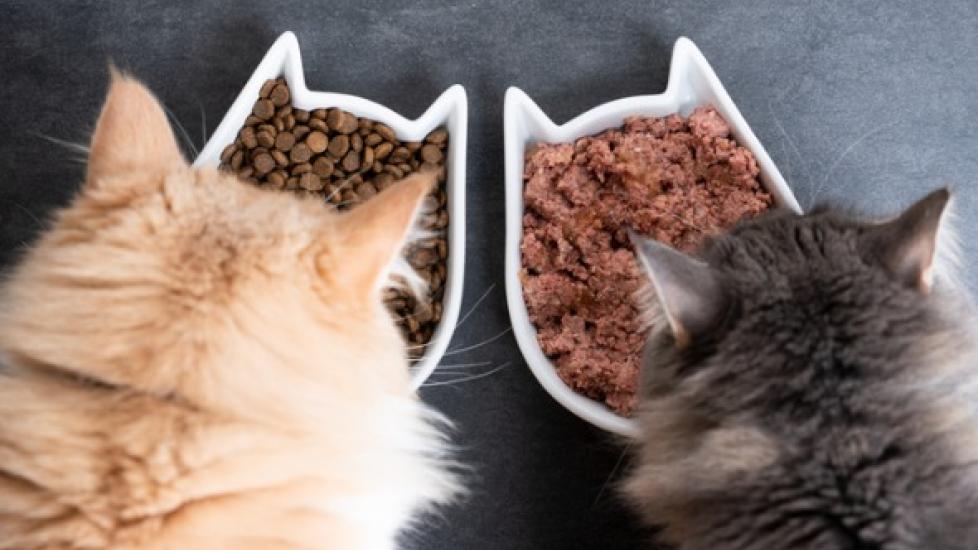
Credit: www.petmd.com
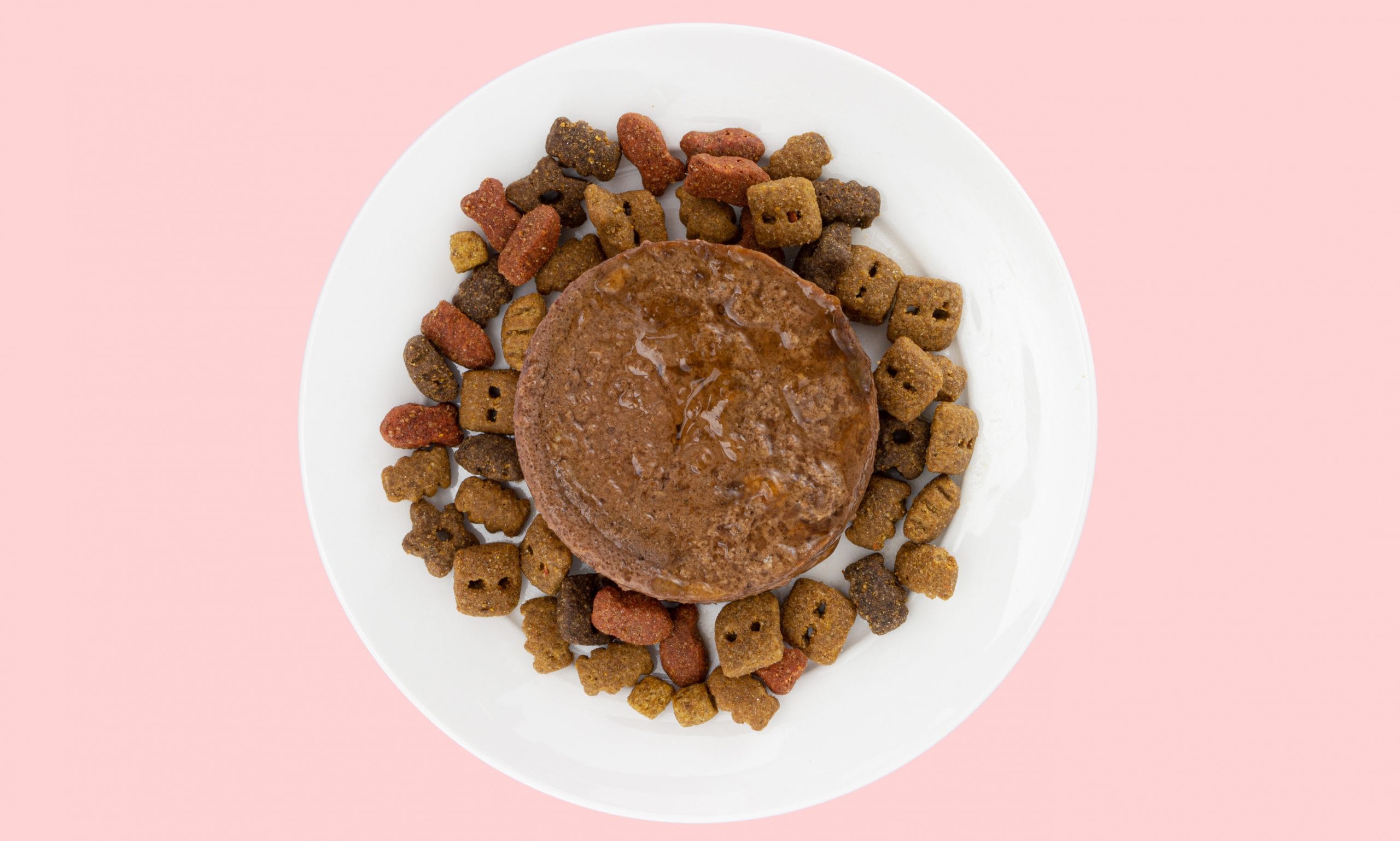
Credit: www.liftingitalia.com
Frequently Asked Questions
Can Dogs Safely Eat Wet Cat Food Occasionally?
Dogs can eat wet cat food occasionally, but it’s not ideal. Cat food is richer in protein and fat. Regular feeding may cause digestive upset and obesity in dogs. Use it only as a rare treat, not a substitute for dog food.
What Are The Risks Of Feeding Dogs Cat Food?
Feeding dogs cat food regularly risks nutrient imbalances, digestive issues, and weight gain. Cat food has more protein, fat, and certain vitamins. Dogs need a balanced diet tailored for them to stay healthy and avoid health problems.
How Does Wet Cat Food Affect A Dog’s Health?
Wet cat food can cause diarrhea or upset stomach in dogs due to high fat and protein. Over time, it may lead to obesity or nutrient deficiencies. Feeding dogs specifically formulated dog food is best for their long-term health.
Can Puppies Eat Wet Cat Food Instead Of Dog Food?
Puppies should not eat wet cat food. They need puppy-formulated dog food for proper growth and development. Cat food lacks essential nutrients and proper balance for puppies, potentially causing health issues and poor growth.
Conclusion
Feeding dogs wet cat food is not a good idea. Cat food has more fat and protein than dog food. This can cause stomach problems for dogs. Small amounts might be okay once in a while. But regular feeding can lead to health issues.
Always choose food made for dogs. Their bodies need different nutrients to stay healthy. Consult your vet if you want to change your dog’s diet. Keep your dog safe and well-fed with the right food. Simple and healthy choices make a big difference.