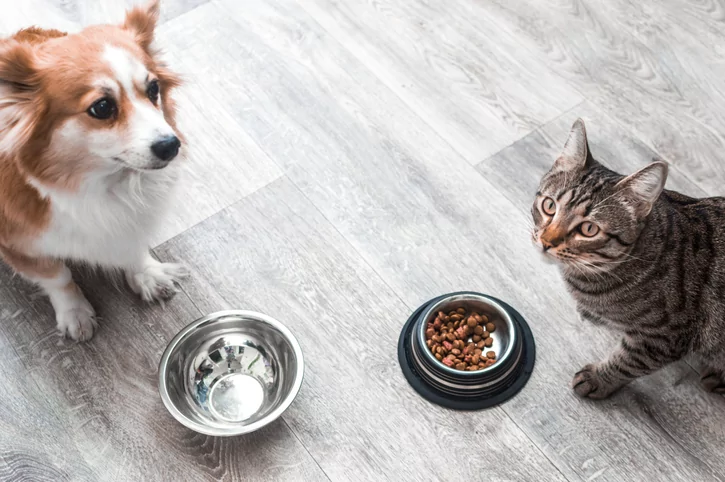
Have you ever caught your dog sneaking a bite of your cat’s food and wondered, “Can a dog die from eating cat food?” It’s a common worry for many pet owners like you. While cat food might seem harmless, it’s made differently and could affect your furry friend in surprising ways.
If you want to protect your dog and understand the risks involved, keep reading. This article will clear up the confusion and help you keep your pet safe and healthy.
Credit: bottletreeanimalhospital.com
Risks Of Dogs Eating Cat Food
Dogs sometimes sneak cat food, but this can lead to serious problems. Emergency pet care may be needed if dogs eat cat food often or in large amounts. Cat food and dog food differ greatly, creating pet dietary hazards for dogs. Understanding the risks of dogs eating cat food helps protect your pet from harm.
Nutritional Differences Between Dog And Cat Food
Pet food nutritional differences are a key reason why cat food can be unsafe for dogs. Cat food contains higher levels of protein, fat, and certain vitamins to meet a feline’s unique diet needs. Dogs need a balanced diet with less protein and fat.
- Protein Levels in Cat Food are much higher than in dog food. This can strain a dog’s kidneys and liver.
- Cat food includes extra taurine, an amino acid dogs produce themselves.
- Fat content in cat food is richer, which may cause digestive upset in dogs.
Here is a simple comparison:
| Nutrient | Dog Food | Cat Food |
|---|---|---|
| Protein | 18-25% | 30-45% |
| Fat | 8-15% | 15-25% |
| Taurine | Low | High |
These differences create feline diet risks for dogs. Dogs eating cat food regularly may suffer nutritional imbalances and long-term health issues.
Potential Health Issues For Dogs
Canine health problems from cat food can range from mild to severe. Cat food is not toxic by itself, but its ingredients can cause dog toxicity cat food symptoms.
Common health issues include:
- Pancreatitis: High fat levels can inflame the pancreas.
- Obesity: Excess calories and fat lead to weight gain.
- Kidney strain: Too much protein forces kidneys to work harder.
- Allergic reactions: Some dogs react to cat food ingredients.
Signs of these problems may appear slowly and need a vet check. Symptoms of dog food poisoning include vomiting, diarrhea, and lethargy. Severe cases require emergency pet care. Prevent canine digestive issues by feeding pets the right food.
Short-term Effects On Dogs
Eating cat food once or twice may cause mild canine digestive issues. Dogs often show:
- Upset stomach
- Vomiting
- Diarrhea
- Gas and bloating
These effects usually pass in a day or two but can be unpleasant. If symptoms worsen or last longer, seek emergency pet care. Repeated cat food consumption increases risks of serious problems.
Short-term risks often include:
Vomiting Diarrhea Loss of appetite LethargyWatch pets closely after they eat cat food. Early treatment protects against lasting damage. Avoid pet dietary hazards by keeping cat food out of reach.
When Cat Food Becomes Dangerous
Dogs may sometimes eat cat food out of curiosity or hunger. While a small amount might not cause serious problems, cat food can become dangerous for dogs in certain situations. Understanding when cat food becomes harmful helps protect your pet from health risks. Cat food has different nutritional content made for cats, not dogs, which can lead to issues like toxicity or digestive problems. This section explores the main dangers linked to dogs eating cat food.
Ingredients Harmful To Dogs
Cat food contains several ingredients that can be harmful to dogs. The formula of cat food focuses on high protein and fat, which suits cats but may overload a dog’s system. Some ingredients in cat food can cause dog toxicity cat food problems, especially if eaten often or in large amounts.
Common harmful ingredients in cat food for dogs include:
- High Fat Content: Can lead to obesity and pancreatitis in dogs.
- Excessive Protein: Strains dog kidneys and liver over time.
- Taurine: Safe for cats but unnecessary for dogs in excess.
- Added Vitamins: Some vitamins in cat food may be too strong for dogs.
- Artificial Additives: Preservatives and flavor enhancers may irritate dog digestion.
The table below compares dog food vs cat food ingredients and their effects on dogs:
| Ingredient | Cat Food Content | Dog Effect |
|---|---|---|
| Fat | High (15-25%) | Can cause pancreatitis and obesity |
| Protein | High (30-50%) | Strains kidneys and liver |
| Taurine | Added for cats | Not needed, may cause imbalance |
| Vitamins A & D | High levels | Can be toxic in large amounts |
Feeding cat food regularly increases canine dietary risks. Use pet food safety rules to keep dogs away from cat food bowls.
Allergic Reactions And Sensitivities
Dogs can suffer dog allergic reactions after eating cat food. The different ingredients and additives can trigger allergies or sensitivities. Some dogs have sensitive stomachs and cannot handle the richer cat food formula.
Signs of allergic reactions or sensitivities include:
- Itchy skin or redness
- Hives or swelling
- Vomiting or diarrhea
- Excessive scratching or licking
- Ear infections or head shaking
Allergic reactions often result from the unfamiliar proteins or preservatives in cat food. Dogs with pre-existing allergies may react worse. Dog digestive issues arise because cat food lacks the balance dogs need.
Managing pet health concerns means watching your dog for symptoms after any cat food exposure. Some dogs tolerate small bites without problems, but repeated eating can cause chronic issues. Speak to a vet if you see any signs of allergy or sensitivity.
Risk Of Pancreatitis
Pancreatitis in dogs is a serious condition often linked to diet. Cat food’s high fat content is a major cause of pancreatitis flare-ups. Feeding cat food to dogs, even occasionally, increases the risk of inflammation in the pancreas.
Pancreatitis can cause extreme pain, vomiting, and loss of appetite in dogs. It may require veterinary care and special diets to manage.
Key points about pancreatitis risk from cat food:
- Cat food fat levels far exceed those in dog food.
- High fat triggers pancreas to overwork and inflame.
- Dogs with previous pancreatitis are especially vulnerable.
- Repeated exposure to cat food worsens the risk.
- Symptoms include abdominal pain, lethargy, and diarrhea.
Preventing pancreatitis means avoiding feeding cat food and sticking to balanced dog food. Understanding canine dietary risks helps keep dogs healthy and prevents dog digestive issues caused by inappropriate food choices.
Signs Of Illness After Eating Cat Food
Dogs may sometimes eat cat food out of curiosity or hunger. While cat food is not designed for dogs, a small amount usually does not cause serious harm. Still, eating cat food can lead to dog digestive problems and canine dietary issues because the nutrients differ from dog food. Some dogs may show symptoms of poisoning in dogs or other health problems due to the rich ingredients and fats in cat food. Recognizing the signs of illness after eating cat food helps protect your dog’s health and avoid serious complications.
Behavioral Changes
After eating cat food, dogs might show noticeable pet behavior changes. Watch your dog’s behavior closely for signs that something is wrong. These changes often appear before physical symptoms and can signal cross-species feeding hazards.
- Restlessness: Dogs may pace or seem unable to settle down.
- Lethargy: Your dog might become unusually tired or unwilling to play.
- Irritability: Sudden mood changes or growling when touched.
- Excessive drooling: More drool than normal can indicate nausea.
- Loss of appetite: Refusing regular dog food after eating cat food.
These behavioral shifts may signal dog health risks related to improper nutrition or mild poisoning. Keep a journal to track any changes. Early detection improves recovery chances.
Physical Symptoms To Watch For
Physical signs often develop after behavioral changes and signal cat food toxicity or other health issues. Check your dog carefully for these symptoms:
| Symptom | Description | Possible Cause |
|---|---|---|
| Vomiting | Forceful expulsion of stomach contents | Digestive upset, toxins, or fat overload |
| Diarrhea | Loose or watery stools | Intestinal irritation or bacterial imbalance |
| Abdominal pain | Whining or sensitivity when touching belly | Gastrointestinal distress |
| Excessive thirst | Drinking more water than usual | Kidney stress or dehydration |
| Swelling | Abdominal bloating or leg swelling | Fluid retention or allergic reaction |
These signs reflect animal nutrition concerns and possible poisoning. Monitor your dog closely after any non-dog food ingestion.
When To Seek Veterinary Help
Knowing veterinary emergency signs related to cat food ingestion is crucial. Some symptoms require immediate medical attention to prevent serious harm or death.
- Repeated vomiting or diarrhea lasting more than 24 hours.
- Severe lethargy or collapse, indicating a serious health crisis.
- Difficulty breathing or excessive panting.
- Seizures or tremors, signs of poisoning or neurological issues.
- Abdominal swelling or pain that worsens quickly.
Contact your veterinarian immediately if any of these appear. Early treatment reduces risks from pet food safety issues and dog health risks linked to cat food. Always keep emergency numbers handy and describe your dog’s symptoms clearly.
Preventing Dogs From Eating Cat Food
Dogs eating cat food can face serious health problems due to different nutrient needs. Cat food has higher fat and protein levels, which may cause canine digestive issues or food poisoning in dogs. Preventing dogs from eating cat food protects their health and avoids dog health risks. This section covers practical ways for preventing pet food contamination and managing diet safely.
Safe Feeding Practices
Feeding pets the right food is key to a safe pet diet. Dogs and cats have different nutritional needs. Cat food toxicity occurs because it contains too much protein and fat for dogs.
Follow these safe feeding tips to protect your dog:
- Feed pets separately: Use different rooms or areas for dog and cat meals.
- Use scheduled feeding times: Limit food access to set times to control eating habits.
- Choose appropriate food: Offer dog-specific food designed for canine nutrition.
- Supervise mealtime: Watch pets while they eat to prevent cross-species feeding dangers.
- Provide fresh water: Hydration supports digestion and overall health.
Here is a simple comparison of pet food types to understand nutrient differences:
| Aspect | Dog Food | Cat Food |
|---|---|---|
| Protein | Moderate (18-25%) | High (30-45%) |
| Fat | Moderate (8-15%) | High (15-30%) |
| Taurine | Low | Essential (added) |
Maintaining clear feeding boundaries helps avoid cross-species feeding dangers and keeps dogs safe.
Storage Solutions
Proper pet food storage prevents contamination and spoilage. It is vital for preventing pet food contamination and protecting pet health.
Use these pet food storage tips to keep cat and dog food separate and fresh:
- Store food in sealed containers: Use airtight bins to block moisture and pests.
- Label containers clearly: Mark “Cat Food” and “Dog Food” to avoid confusion.
- Keep food in separate locations: Store dog and cat food in different cupboards or shelves.
- Check expiration dates regularly: Discard expired food to prevent food poisoning in dogs and cats.
- Clean storage areas: Wipe containers and shelves frequently to prevent mold or bacteria.
Here is a quick guide for storing pet food safely:
| Storage Method | Benefit |
|---|---|
| Airtight Plastic Containers | Keeps moisture and pests out, maintains freshness |
| Separate Shelves or Cabinets | Prevents accidental mixing and cross-contamination |
| Cool, Dry Location | Reduces spoilage and bacterial growth |
| Labeling | Prevents feeding errors and confusion |
Good storage limits dog health risks and supports a safe pet diet.
Training Tips To Avoid Cross-feeding
Dog training for feeding helps stop dogs from eating cat food. Training reduces cross-species feeding dangers and protects pet nutrition differences.
Try these training tips:
- Teach “Leave It” command: Helps dogs ignore cat food bowls.
- Reward good behavior: Give treats when dogs avoid cat food.
- Separate feeding areas: Feed pets in different rooms or behind barriers.
- Use feeding stations: Elevated cat feeders can keep food out of dog’s reach.
- Supervise mealtime: Watch pets to prevent unwanted eating.
- Be consistent: Regular training sessions improve behavior over time.
Training helps reduce canine digestive issues caused by cat food toxicity. Consistent effort protects dogs and supports their health.
Veterinary Treatment And Recovery
Dogs eating cat food can face serious health problems, sometimes life-threatening. Veterinary treatment and recovery play a crucial role in managing these risks. Early detection and proper care improve outcomes significantly. Knowing what happens after a dog consumes cat food helps pet owners act quickly. Veterinary professionals use specific diagnostic procedures to identify the severity of the problem. Treatment options vary depending on symptoms and toxicity levels. Long-term care and monitoring ensure dogs recover fully and avoid future complications.
Diagnostic Procedures
Veterinarians start with a thorough examination to identify Pet Poisoning Symptoms and Dog Toxicity Cat Food effects. Common signs include vomiting, diarrhea, lethargy, and abdominal pain. These are often linked to Digestive Issues In Dogs caused by the high fat and protein content in cat food. Early diagnosis is vital.
Veterinary Diagnostic Tests may include:
- Blood tests to check organ function and detect toxins
- Urinalysis to assess kidney health
- X-rays or ultrasound to view digestive tract problems
- Electrolyte panels to monitor dehydration and imbalances
These tests help determine the dog’s condition and guide Emergency Treatment Pets require. A quick diagnosis can prevent severe complications like pancreatitis or liver damage.
| Test | Purpose | Common Findings |
|---|---|---|
| Blood Test | Check organ function and toxins | Elevated liver enzymes, high white blood cells |
| Urinalysis | Assess kidney health | Protein in urine, signs of dehydration |
| Imaging (X-ray/Ultrasound) | Detect digestive tract issues | Blockages, inflammation |
Treatment Options
Treatment depends on the dog’s symptoms and the level of Canine Dietary Risks from cat food. Mild cases may only need supportive care. Severe toxicity requires more intensive care. The main goals are to stabilize the dog and prevent organ damage.
Common treatment steps include:
- Inducing vomiting to remove cat food from the stomach (only under vet supervision)
- Administering activated charcoal to absorb toxins
- Intravenous fluids to treat dehydration and maintain electrolyte balance
- Medications to control vomiting, pain, or inflammation
- Hospitalization for close monitoring in serious cases
Veterinarians also advise on Cross-Species Pet Nutrition to avoid future risks. Nutritional imbalance pets experience from cat food can lead to chronic issues. Prompt Emergency Treatment Pets receive improves survival chances.
Long-term Care And Monitoring
Recovery from cat food toxicity may take days or weeks. Chronic Health Monitoring Dogs is essential to detect lingering effects. Nutritional imbalances can harm the liver, pancreas, and kidneys over time.
Veterinarians recommend regular check-ups and specific tests after initial recovery:
- Blood tests to track organ function
- Weight and appetite monitoring
- Digestive health assessments
- Adjustments in diet to suit canine needs
Owners should watch for signs such as vomiting, diarrhea, or lethargy. These may indicate recurring problems or new issues. Consulting Pet Poison Control experts helps manage risks better. Long-term care ensures dogs avoid future Canine Dietary Risks and stay healthy.
:strip_icc()/GettyImages-1137504605-4ea3ceec185f4d1e9dc39fb71f8ae04c.jpg)
Credit: thorfamilylaw.com
Credit: redwhitecellar.co.nz
Frequently Asked Questions
Can Eating Cat Food Harm My Dog?
Yes, cat food can harm dogs if eaten regularly. It has high protein and fat, which can cause digestive upset or obesity in dogs.
Is Cat Food Toxic To Dogs?
Cat food is not toxic but is nutritionally unbalanced for dogs. It lacks certain nutrients dogs need and can lead to health issues over time.
What Happens If A Dog Eats Cat Food Once?
Eating cat food once usually causes no serious harm. Some dogs may experience mild stomach upset or diarrhea, but symptoms typically resolve quickly.
How Can I Stop My Dog From Eating Cat Food?
Keep cat food out of reach and feed pets separately. Use baby gates or closed doors to prevent your dog from accessing cat food.
Conclusion
Dogs eating cat food once in a while usually do not face danger. Cat food has more fat and protein, which can upset a dog’s stomach. Eating too much can cause serious health problems over time. Watch your dog closely if it eats cat food accidentally.
Always keep cat food out of reach from dogs. For your dog’s safety, feed them food made just for dogs. Keeping pets healthy starts with the right diet every day. Small steps can prevent big problems later. Stay aware and care for your pets well.