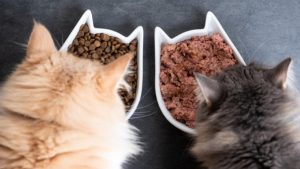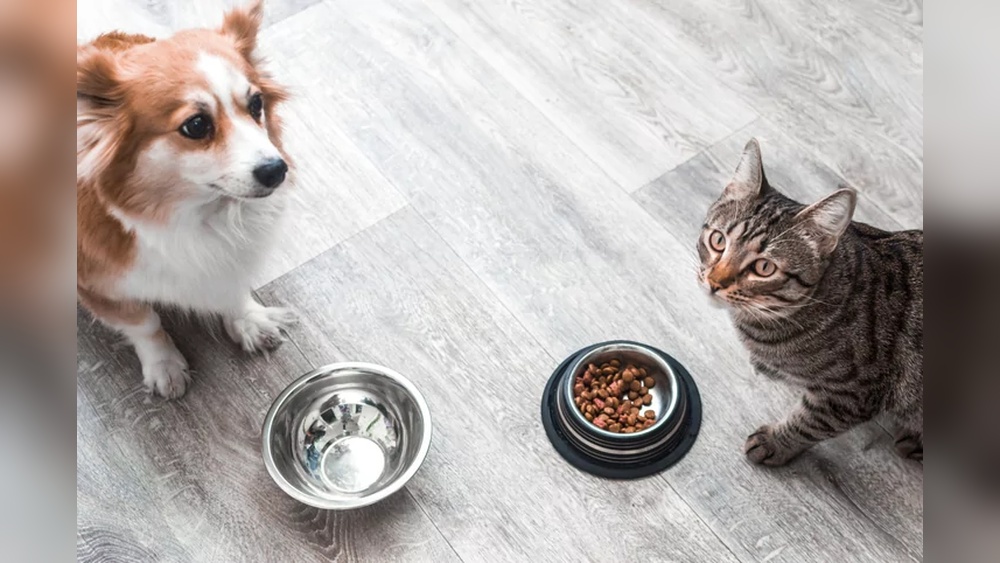
If your dog has ever sneaked a bite of your cat’s food, you might be worried about what that means for their health. You may not realize it, but eating cat food can sometimes lead to a serious condition called pancreatitis in dogs.
This can cause your furry friend pain and discomfort, and you want to catch it early before things get worse. You’ll learn exactly why cat food can be risky for dogs, what signs to watch for, and how to keep your pet safe and healthy.
Keep reading—your dog’s well-being depends on it.
Risks Of Dog Eating Cat Food
Dogs eating cat food face serious health risks. One major concern is pancreatitis. This condition means inflammation of the pancreas. Cat food is made for a different animal, and its nutrients can harm dogs. Understanding the risks of dog eating cat food helps in pancreatitis prevention in dogs. It also reveals common pet food risks that pet owners should avoid. Dogs may show dog pancreatitis symptoms like vomiting, diarrhea, and belly pain after eating cat food. Knowing why cat food triggers these problems is key to good canine nutrition and health.
Nutritional Differences
Cat food and dog food have big nutritional differences. Cats need more protein and fat in their diet. Dog food has balanced nutrients for their metabolism. Feeding cat food to dogs can cause digestive upset in dogs and other health problems.
- Protein: Cat food contains more protein than dog food.
- Fat: Cat food has a high fat content to meet feline needs.
- Calories: Cat food is more calorie-dense.
- Vitamins & Minerals: Cats need extra taurine and vitamin A, which dog food may not have.
Here is a quick comparison of typical nutrients:
| Nutrient | Cat Food | Dog Food |
|---|---|---|
| Protein | 35-50% | 18-30% |
| Fat | 15-25% | 8-15% |
| Calories per cup | 450-600 | 300-450 |
Feeding cat food to dogs regularly causes excess fat intake. This can lead to weight gain and stress on the pancreas. Too much fat is a known pancreatitis trigger in dogs. Keeping dogs on a diet made for their needs supports better health and reduces dietary fat impact on the pancreas.
Common Ingredients In Cat Food
Cat food ingredients differ from dog food ingredients. Cat food often contains more animal fats and proteins. Ingredients can be richer and harder for dogs to digest. Some cat food ingredients may cause digestive upset in dogs or trigger pancreatitis.
- Chicken fat and fish oils: High in fat, good for cats but risky for dogs in large amounts.
- Meat by-products: Common in cat food, they vary in quality and digestibility.
- Taurine: Essential for cats, added to cat food but not necessary for dogs.
- Fatty acids: Higher amounts in cat food to meet feline needs.
Many cat foods use ingredients that increase high fat content. This can overwhelm a dog’s digestive system. Dogs eating cat food may suffer from sudden inflammation of pancreas due to the ingredient mix. Avoid sharing cat food to reduce pet food risks. Choose food made for dogs only. Check labels for fat and protein levels before feeding any pet food cross-species.
Why Cat Food Can Trigger Pancreatitis
Pancreatitis happens when the pancreas becomes inflamed. Cat food’s high fat and protein levels can cause this in dogs. The pancreas struggles to break down the rich cat food. This leads to irritation and swelling. Many dogs are sensitive to sudden changes in diet, especially rich foods.
- High Fat Content: Cat food fat levels can trigger the pancreas to overwork.
- Sudden Dietary Changes: Dogs not used to rich food get digestive upset easily.
- Excess Calories: Too many calories cause weight gain and stress on the pancreas.
- Fat Digestion Difficulty: Dogs digest fat differently than cats. Cat food fat is harder for dogs to process.
Dog pancreatitis symptoms include vomiting, loss of appetite, and abdominal pain. These signs appear soon after eating cat food. Preventing this means avoiding cat food for dogs. Focus on canine nutrition and feeding a proper diet. Understanding pancreatitis triggers helps keep dogs healthy. A balanced dog diet lowers the risk of inflammation of pancreas and other health problems.

Credit: www.petmd.com
Symptoms Of Pancreatitis In Dogs
Dog Eating Cat Food Pancreatitis occurs when dogs consume cat food, leading to inflammation of the pancreas. This condition triggers serious health problems and requires prompt attention. Recognizing the Symptoms of Pancreatitis in Dogs helps pet owners act fast. Pancreatitis causes the pancreas to stop working well, affecting digestion and causing pain. Early signs can be subtle but become more obvious as the disease progresses.
Digestive Signs
Canine digestive issues are often the first and most noticeable signs of pancreatitis. The pancreas produces enzymes that help break down food. When inflamed, these enzymes may damage the pancreas and nearby organs, causing digestive problems.
- Vomiting: Frequent vomiting is a common dog vomiting cause linked to pancreatitis. Vomiting may contain bile or food.
- Diarrhea: Loose or watery stools often appear due to poor digestion.
- Loss of appetite: Dogs stop eating or eat less, especially when cat food toxicity in dogs affects their stomach.
- Dehydration: Vomiting and diarrhea lead to fluid loss, causing dehydration.
These symptoms can mimic other illnesses, so monitoring dog eating habits is crucial. Cat food often has higher fat, which stresses the pancreas and worsens these signs.
| Digestive Sign | Description | Why It Happens |
|---|---|---|
| Vomiting | Forceful expulsion of stomach contents | Pancreatic inflammation irritates the stomach and intestines |
| Diarrhea | Frequent, loose stools | Enzymes fail to break down fats properly |
| Loss of Appetite | Reduced interest in food | Pain and nausea reduce desire to eat |
| Dehydration | Excessive fluid loss | Vomiting and diarrhea cause fluid imbalance |
Behavioral Changes
Behavioral changes in sick dogs can signal pancreatitis. Dogs in pain or discomfort often act differently than usual. These changes help identify signs of pancreatitis in dogs early.
Common behavioral changes include:
- Lethargy: Dogs become tired and inactive.
- Irritability: Dogs may snap or growl when touched, especially around the abdomen.
- Restlessness: Some dogs pace or change positions often to ease discomfort.
- Hiding: Dogs may seek quiet, dark places to avoid pain.
- Depression: Lack of interest in play or interaction is a warning sign.
Because canine abdominal pain is hard to see, watch closely for these subtle signs. Changes in mood or behavior often appear before physical signs worsen. Monitoring your dog’s normal activity and response to touch is vital when suspecting pancreatitis.
Physical Indicators
Physical indicators of pancreatitis in dogs provide strong clues about the disease. These signs appear as the illness progresses and can include visible and palpable symptoms.
Look for the following physical changes:
- Abdominal tenderness: Dogs may pull away or yelp when their belly is pressed.
- Swollen abdomen: Inflammation may cause the belly to appear distended or bloated.
- Rapid breathing: Pain and discomfort often increase breathing rates.
- Dehydration signs: Dry gums, sunken eyes, and sticky skin indicate fluid loss.
- Fever: Body temperature may rise as the body fights inflammation.
These physical indicators, combined with changes in dog eating habits and behavior, form a clear picture of pancreatitis. Early veterinary care is needed to manage symptoms and prevent complications from cat food effects on dogs.
Diagnosing Pancreatitis
Diagnosing pancreatitis in dogs, especially those that have eaten cat food, requires careful assessment. Cat food toxicity in dogs can trigger serious digestive problems, including pancreatitis. Early and accurate pancreatitis diagnosis in dogs improves treatment success. Vets use several methods to confirm the condition and rule out other illnesses. Understanding the steps involved helps pet owners recognize the importance of timely veterinary care.
Veterinary Examination
The veterinary pancreatitis examination starts with a thorough physical check. The vet looks for common dog pancreatitis symptoms like vomiting, abdominal pain, and lethargy. Dogs that eat cat food may show signs sooner due to the high fat content in cat diets. The vet will:
- Ask about recent dog diet and pancreatitis risk factors, including access to cat food.
- Palpate the dog’s abdomen to find tenderness or swelling.
- Check hydration, temperature, and heart rate.
- Observe the dog’s behavior and appetite.
These steps help the vet form an initial idea about the dog’s health. They also look for clues about canine digestive issues that mimic pancreatitis. A detailed history and examination are vital before moving to tests.
Blood Tests And Imaging
Blood tests for pancreatitis provide essential information about the dog’s internal condition. Elevated pancreatic enzymes and inflammation markers suggest pancreatitis. The vet may order:
- Complete blood count (CBC) to detect infection or anemia.
- Serum chemistry panel to check organ function.
- Specific pancreatic lipase tests for dog pancreatitis.
Imaging for dog pancreatitis often includes abdominal ultrasound. It helps identify pancreatic swelling or fluid buildup. X-rays may rule out other causes of symptoms. Imaging and blood tests together increase accuracy in diagnosis.
| Test Type | Purpose | What It Shows |
|---|---|---|
| Blood Tests | Detect inflammation and enzyme levels | High pancreatic enzymes, white blood cell count |
| Ultrasound | Visualize pancreas and surrounding organs | Swelling, fluid, or abnormalities |
| X-ray | Rule out intestinal blockages or other issues | Gas patterns, organ size changes |
Differentiating From Other Conditions
Many canine digestive issues have symptoms similar to pancreatitis. Differentiating pancreatitis from other diseases ensures correct treatment. Conditions like gastrointestinal infections, kidney problems, and liver disease often mimic dog pancreatitis symptoms. The vet uses a combination of tests and clinical signs to separate these conditions:
- Review dog diet and pancreatitis risk, especially cat food impact on dogs.
- Analyze blood test results for specific enzyme elevation.
- Use imaging to exclude other organ problems.
- Monitor symptom patterns over time.
Accurate differentiation helps prevent misdiagnosis. It also guides dietary changes and medical care for better recovery.
Credit: bottletreeanimalhospital.com
Treatment Options
Treating pancreatitis in dogs caused by eating cat food requires careful attention. High-fat cat food effects can trigger inflammation in the dog’s pancreas. Choosing the right treatment helps reduce pain and prevent further damage. The main treatment options include adjusting the dog’s diet, giving medications, and sometimes hospitalization. Each step aims to support the dog’s recovery and improve dog digestive health. Understanding these options helps pet owners manage their dog’s condition effectively.
Dietary Management
Dietary management is the first step in managing dog diet after pancreatitis. Fat is hard to digest and worsens pancreatitis in dogs. Avoiding high-fat cat food effects is key to preventing flare-ups.
Here are important dietary points:
- Feed low-fat, easily digestible dog food
- Provide small, frequent meals to reduce pancreas stress
- Include high-quality protein and fiber
- Limit treats and table scraps
Below is a simple comparison table for diet choices:
| Food Type | Fat Content | Suitability for Pancreatitis |
|---|---|---|
| High-fat cat food | 20-30% | Not recommended (causes toxicity) |
| Low-fat dog food | 5-10% | Recommended for recovery |
| Home-cooked meals (boiled chicken, rice) | Low | Good option with vet guidance |
Follow dietary recommendations pancreatitis strictly to support healing. This step helps reduce inflammation and protects the pancreas.
Medications And Supportive Care
Medications play a vital role in pancreatitis treatment dogs. They relieve symptoms and support recovery. Supportive care for pancreatitis includes fluids, pain control, and anti-nausea drugs.
Common medications include:
- Analgesics to reduce abdominal pain
- Antiemetics to control vomiting
- Fluids to prevent dehydration
- Antibiotics if infection is present
The goal is to ease discomfort and support dog digestive health. Medications also help manage canine pancreatitis symptoms like vomiting, diarrhea, and lethargy.
Owners must give medicines exactly as prescribed. Never stop treatment early, even if symptoms improve. Follow vet instructions closely for the best outcome.
Hospitalization And Monitoring
Hospitalization for canine pancreatitis is sometimes necessary. Severe cases require close monitoring and intensive care. This helps prevent complications and speeds recovery.
During hospitalization, vets monitor:
- Hydration status through IV fluids
- Vital signs like heart rate and temperature
- Blood tests for pancreatic enzymes
- Response to medications
In-hospital care provides:
- Continuous supportive care for pancreatitis
- Nutrition through feeding tubes if the dog cannot eat
- Immediate treatment for any worsening symptoms
Monitoring helps detect problems early. It ensures the dog receives the best care during recovery from cat food toxicity in dogs. Hospital stays vary based on the dog’s condition and response to treatment.
Preventing Pancreatitis
Preventing pancreatitis in dogs due to eating cat food is crucial for their health. Cat food ingredients often differ from dog food and can trigger digestive issues. Dogs eating cat food may develop inflammation of the pancreas, known as pancreatitis. This condition causes pain and serious digestive problems. Animal dietary management helps avoid these risks by controlling what pets eat. Understanding cross-species feeding risks is key to keeping your dog safe and healthy.
Safe Feeding Practices
Proper feeding habits help reduce the chance of pancreatitis in dogs. Cat food is richer in fat and protein, which can upset a dog’s digestive system. Canine digestive health depends on a balanced diet made for dogs, not cats. Follow these tips for safe feeding:
- Feed dogs only dog food recommended by your vet.
- Do not allow dogs to access cat food bowls.
- Use separate feeding areas to avoid food mixing.
- Limit treats and avoid high-fat snacks.
- Follow veterinary nutrition advice to select the right diet.
Here’s a simple comparison of cat and dog food to show why mixing is risky:
| Aspect | Cat Food | Dog Food |
|---|---|---|
| Protein Content | High (30-40%) | Moderate (18-25%) |
| Fat Content | High (15-25%) | Lower (8-15%) |
| Digestive Enzymes Needed | Fewer | More |
Feeding dogs cat food stresses their pancreas, which can cause dog pancreatitis symptoms. Safe feeding stops this problem before it starts.
Separate Food Storage
Storing pet food separately is vital for pet food safety. Mixing cat and dog food can lead to contamination and accidental feeding. Keep the foods in distinct containers with labels. Use these tips for proper storage:
- Store cat and dog food in airtight containers to maintain freshness.
- Place containers in different cabinets or shelves.
- Clean feeding bowls and storage areas regularly to avoid bacteria build-up.
- Check expiration dates frequently to prevent spoiled food from causing illness.
- Keep food away from pests and moisture.
Preventing pet food contamination protects your pet’s digestive health. Here is a checklist for safe storage:
| Storage Step | Benefit |
|---|---|
| Airtight Containers | Preserves food quality and prevents pests |
| Separate Locations | Avoids accidental feeding of wrong food |
| Regular Cleaning | Reduces bacteria and contamination risk |
| Expiration Checks | Prevents illness from spoiled food |
Separate food storage is a simple step with big benefits for pancreatitis treatment dogs might need if exposed to cat food.
Regular Veterinary Checkups
Routine vet visits play a key role in keeping dogs safe from pancreatitis. Veterinarians provide expert veterinary nutrition advice and monitor digestive enzymes in dogs. Early detection of dog pancreatitis symptoms can prevent severe illness.
During checkups, vets will:
- Assess your dog’s diet and make adjustments for animal dietary management.
- Test blood for enzyme levels linked to pancreas health.
- Check for signs of digestive discomfort or pain.
- Offer tips on avoiding cross-species feeding risks.
- Recommend safe foods and supplements to support digestion.
Regular exams improve canine digestive health and reduce pancreatitis chances. A healthy pancreas means a happier pet.
Long-term Care For Affected Dogs
Dogs eating cat food can develop pancreatitis, a serious inflammation of the pancreas. This condition demands careful, ongoing care to keep affected dogs healthy. Long-term care for affected dogs focuses on preventing flare-ups and supporting recovery through diet and lifestyle. Managing dog pancreatitis involves understanding the differences between dog food vs cat food and making key canine nutrition adjustments. Consistent care improves dog digestive health and helps avoid severe pancreatitis symptoms. Here’s how to provide the best care after an episode.
Diet Adjustments
Diet plays a crucial role in pancreatitis treatment in dogs. Cat food impact on dogs can be harmful because it is higher in fat and protein. This can trigger pancreatitis or cause flare-ups. Switching to a proper diet supports the pancreas and reduces stress on digestion.
Key diet changes include:
- Feeding low-fat, easily digestible dog food designed for sensitive digestion
- Providing smaller, frequent meals instead of large portions
- Avoiding treats or table scraps that contain high fat or spices
- Following pet diet recommendations from your vet closely
Here is a simple comparison table to understand the difference between dog food and cat food for affected dogs:
| Feature | Dog Food | Cat Food |
|---|---|---|
| Fat Content | Low to moderate | High |
| Protein Level | Moderate | High |
| Digestibility | Designed for dog digestive health | Not suitable for dogs |
| Pancreatitis Risk | Lower | Higher |
Canine nutrition adjustments help reduce the risk of pancreatitis flare-up prevention. Always consult your vet before changing your dog’s diet to ensure all nutritional needs are met safely.
Managing Recurrences
Pancreatitis can come back if not managed properly. Recognizing dog pancreatitis symptoms early helps prevent severe issues. Common signs include vomiting, abdominal pain, and loss of appetite. Managing recurrences requires vigilance and consistent care.
Steps to manage flare-ups:
- Monitor your dog’s behavior and appetite daily
- Keep a log of symptoms and feeding times
- Contact the vet immediately if symptoms worsen
- Follow prescribed medications and treatment plans strictly
- Maintain regular vet check-ups for ongoing assessment
Preventing recurrence depends on strict adherence to diet and lifestyle. Avoid any access to cat food or fatty human foods. Pancreatitis flare-up prevention involves a team effort between pet owners and veterinarians.
Lifestyle Modifications
Long-term lifestyle changes for dogs can improve recovery and reduce future pancreatitis episodes. Lifestyle changes for dogs with pancreatitis include controlling weight and reducing stress on the digestive system.
Effective lifestyle modifications:
- Keep your dog at a healthy weight through regular exercise
- Provide a calm, low-stress environment
- Prevent access to cat food or other harmful foods
- Use feeding tools or barriers to control food intake
- Schedule routine health check-ups to monitor dog digestive health
Changing lifestyle habits supports pancreatitis treatment in dogs and contributes to long-term wellness. Making these adjustments helps dogs live a happier, healthier life free from painful flare-ups.

Credit: chidog.com
Frequently Asked Questions
Can Dog Eating Cat Food Cause Pancreatitis?
Yes, dog eating cat food can cause pancreatitis. Cat food is high in fat, which strains a dog’s pancreas. This can lead to inflammation and digestive issues. Avoid feeding dogs cat food to prevent this serious health problem.
Why Is Cat Food Harmful To Dogs’ Pancreas?
Cat food contains more fat and protein than dog food. Dogs’ pancreases struggle to digest high-fat meals. This overload can trigger pancreatitis, causing pain, vomiting, and lethargy. Feeding dogs appropriate food is essential to protect their pancreas.
What Are Pancreatitis Symptoms In Dogs After Cat Food?
Symptoms include vomiting, diarrhea, abdominal pain, lethargy, and loss of appetite. Severe cases may cause dehydration and fever. If your dog shows these signs after eating cat food, consult a vet immediately for diagnosis and treatment.
How To Prevent Pancreatitis From Cat Food In Dogs?
Keep cat food out of your dog’s reach to prevent accidental eating. Feed dogs a balanced, species-appropriate diet. Monitor your dog’s behavior and health regularly. Early prevention reduces the risk of pancreatitis and other digestive issues.
Conclusion
Dogs eating cat food can cause serious health problems like pancreatitis. Watch your pet’s diet closely to avoid risks. Cat food has more fat, which can upset a dog’s pancreas. Early signs include vomiting, stomach pain, and loss of appetite.
Acting fast helps protect your dog’s health and comfort. Always keep cat food out of your dog’s reach. Consult a vet if your dog shows unusual symptoms. Healthy pets need proper food and care every day. Staying alert can prevent pancreatitis and keep tails wagging.