Have you ever wondered if your dog eating cat poop could be dangerous? It might sound gross, but this is a common concern for many pet owners like you.
You want to keep your furry friend safe, and understanding the risks is the first step. You’ll learn what really happens when your dog eats cat poop and whether it can be life-threatening. Keep reading to discover the facts that could protect your dog’s health and give you peace of mind.
Risks Of Dogs Eating Cat Feces
Can eating cat poop kill a dog? This question worries many dog owners. Cat feces ingestion poses several risks to canine health. Dogs that eat cat feces may develop serious health problems. Understanding the risks helps owners protect their pets. Cat feces can carry harmful parasites and bacteria. These can cause infections and illnesses in dogs. Dog behavior eating feces is common but dangerous. It is important to know why dogs do this and how to prevent it.
Common Reasons Dogs Eat Cat Poop
Dog coprophagia, or eating feces, is a behavior some dogs show. Eating cat feces happens for several reasons. Some dogs eat cat poop out of curiosity. Others do it because of boredom or stress. Nutritional deficiencies in dog dietary habits may also lead to this behavior. The strong smell of cat feces attracts some dogs. Here are common reasons dogs eat cat poop:
- Curiosity: Dogs explore the world with their mouths.
- Hunger or nutritional needs: Missing nutrients can cause dogs to eat unusual items.
- Boredom or anxiety: Dogs may eat feces to relieve stress or boredom.
- Imitation: Puppies may copy older dogs or cats.
- Attraction to smell: Cat feces have a strong scent that some dogs find appealing.
Understanding dog dietary habits helps prevent dog coprophagia. Training and providing proper nutrition reduce this behavior. Keeping the cat litter box clean also limits access. The table below summarizes reasons and solutions for dogs eating cat poop:
| Reason | Description | Solution |
|---|---|---|
| Curiosity | Dogs explore with their mouths, tasting new things. | Supervise and redirect dog behavior. |
| Nutritional Deficiency | Missing vitamins or minerals cause unusual eating habits. | Provide balanced dog food and supplements. |
| Boredom/Anxiety | Stress leads dogs to eat feces for comfort. | Increase exercise and mental stimulation. |
| Attraction to Smell | Strong odor of cat feces draws dogs. | Clean litter box frequently and use covered boxes. |
Potential Health Hazards
Cat feces ingestion carries serious health risks for dogs. Cat feces often contain parasites and bacteria harmful to dogs. Toxoplasmosis in dogs is one such parasitic infection dogs can get. It causes fever, diarrhea, and weak immune response. Cat litter dangers also come from chemicals and sharp materials. Eating cat feces can lead to gastrointestinal issues dogs face. Symptoms include vomiting, diarrhea, and abdominal pain. Bacterial infections like salmonella and E. coli are also risks.
Here are key canine health risks from cat feces ingestion:
- Parasitic infections dogs: Toxoplasma gondii and roundworms.
- Gastrointestinal problems: Vomiting, diarrhea, and dehydration.
- Bacterial infections: Salmonella, E. coli, and Campylobacter.
- Poisoning from cat litter: Chemicals or clumping materials can harm dogs.
- Spread of diseases: Feces carry viruses and bacteria dangerous to dogs.
Preventing dog coprophagia reduces these health hazards. Keep litter boxes out of reach. Clean litter boxes regularly to reduce contamination. Watch for signs of illness in dogs after they eat cat feces. Immediate veterinary care is necessary if symptoms appear. The table below shows common health hazards and their effects:
| Health Hazard | Effect on Dogs | Signs to Watch |
|---|---|---|
| Toxoplasmosis | Fever, muscle pain, weakness | Loss of appetite, lethargy |
| Bacterial Infection | Diarrhea, vomiting, dehydration | Stomach pain, fever |
| Cat Litter Poisoning | Blockage, chemical burns | Drooling, difficulty breathing |
| Parasitic Worms | Weight loss, anemia | Diarrhea, visible worms in stool |
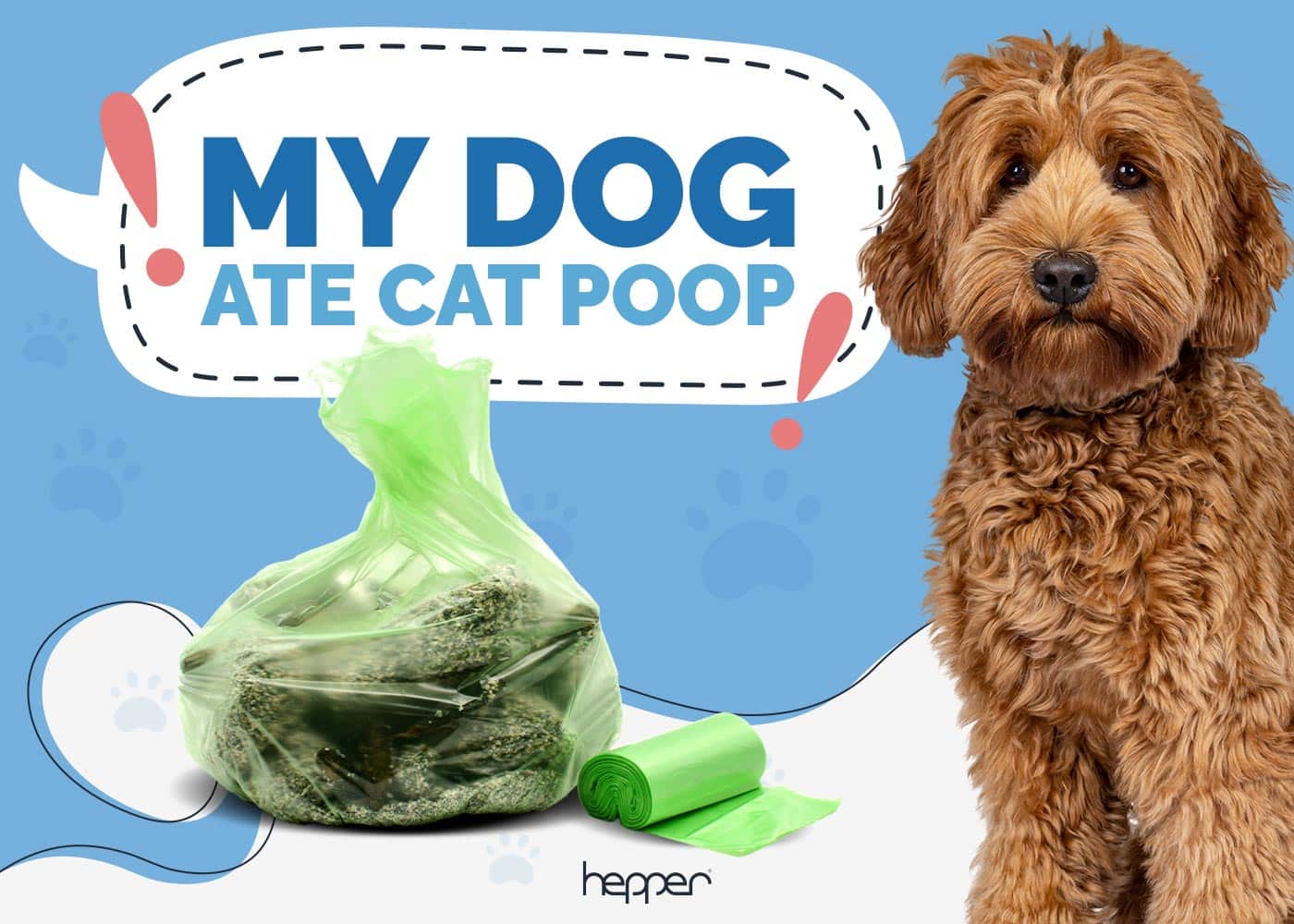
Credit: articles.hepper.com
Parasites And Bacteria In Cat Feces
Dogs that eat cat poop face serious health risks. Cat feces can contain harmful parasites and bacteria. These pathogens can cause illness or even death in dogs. Understanding parasite transmission from cats to dogs helps pet owners protect their furry friends. Cat feces toxicity is a real threat. The main dangers come from parasites like Toxoplasma gondii and various bacteria. These cause dog health hazards and zoonotic diseases from cat feces. Awareness and prevention of dog poisoning are key to keeping dogs safe.
Toxoplasmosis And Its Effects
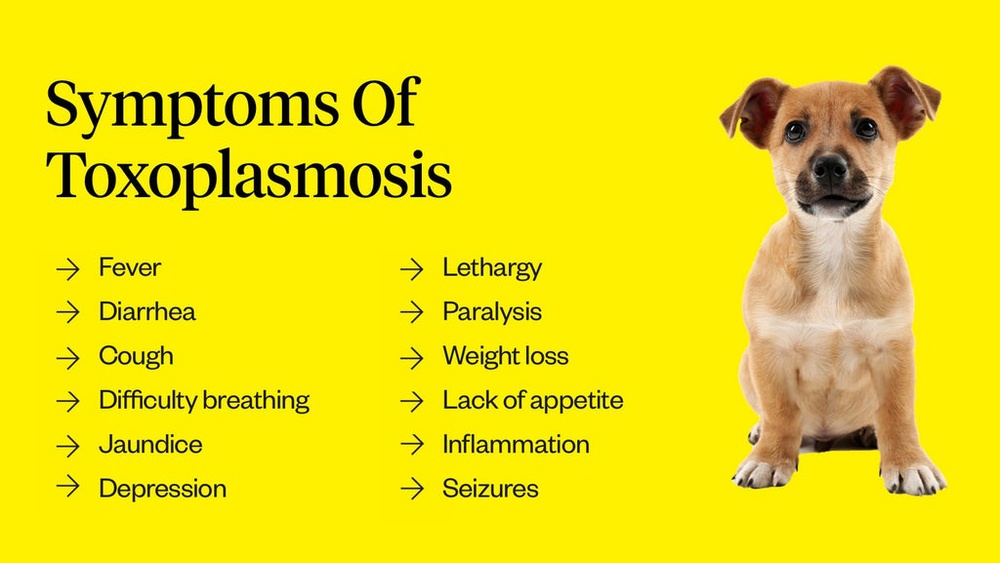
Toxoplasmosis in dogs happens when dogs ingest cat poop carrying the Toxoplasma gondii parasite. This parasite lives in cat feces and can infect dogs, causing serious illness. Dogs may get the infection by licking or eating contaminated soil, water, or cat litter.
Symptoms of toxoplasmosis in dogs vary from mild to severe. Common signs include:
- Fever and lethargy
- Loss of appetite
- Muscle pain and weakness
- Diarrhea and vomiting
- Seizures in severe cases
Young puppies and dogs with weak immune systems face higher risks. Untreated toxoplasmosis can lead to long-term health problems or death.
| Risk Factor | Impact on Dogs |
|---|---|
| Eating cat poop | Direct exposure to Toxoplasma parasites |
| Contaminated soil or water | Indirect infection sources |
| Weak immune system | Increased severity of symptoms |
Preventing access to cat feces and cleaning litter boxes regularly reduces the risk. Early diagnosis and treatment improve recovery chances.
Bacterial Infections To Watch For
Bacterial contamination in cat litter poses a serious threat to dogs. Cat feces contain bacteria like Salmonella, E. coli, and Campylobacter. These bacteria can cause canine bacterial infections after ingestion.
Common symptoms of bacterial infections include:
- Diarrhea, often with blood or mucus
- Vomiting
- Fever
- Dehydration
- Weakness and lethargy
These infections spread through contaminated cat feces and dirty litter boxes. Dogs that sniff or eat cat poop are at high risk. Bacterial infections can lead to serious complications like organ damage.
| Bacteria | Source | Dog Symptoms |
|---|---|---|
| Salmonella | Cat feces, contaminated food | Diarrhea, fever, vomiting |
| E. coli | Cat feces, soil | Severe diarrhea, dehydration |
| Campylobacter | Cat feces, water | Fever, diarrhea, weakness |
Prevention of dog poisoning includes keeping litter boxes out of reach and washing hands after cleaning. Regular vet check-ups help detect infections early. Prompt treatment with antibiotics is necessary for recovery.
Symptoms To Monitor After Ingestion
Eating cat poop can pose serious risks to dogs. Cat feces toxicity may introduce harmful parasites and bacteria. Monitoring symptoms after ingestion is vital for your dog’s health. Early detection helps prevent severe complications. This section highlights key signs to watch for under Symptoms to Monitor After Ingestion. Knowing these signs supports timely action and proper care.
Digestive Issues
Canine digestive problems often appear soon after a dog eats cat feces. Cat feces can carry parasites and bacteria that upset your dog’s stomach. Watch closely for digestive symptoms. These signs indicate potential dog dietary hazards linked to stool eating effects.
- Vomiting: Frequent or severe vomiting may occur.
- Diarrhea: Loose or watery stools are common.
- Loss of appetite: Dogs may refuse food or eat less.
- Abdominal pain: Dogs might show discomfort or bloating.
- Dehydration: Diarrhea and vomiting lead to fluid loss.
Use this table to compare normal and concerning digestive signs:
| Symptom | Normal Dog | After Cat Poop Ingestion |
|---|---|---|
| Stool Consistency | Firm and formed | Loose, watery, or mucous-filled |
| Appetite | Regular eating habits | Reduced or no interest in food |
| Energy Level | Active and alert | Lethargic or weak |
| Vomiting | Rare or none | Frequent or persistent |
Parasite transmission is a major risk from cat feces. Parasites like roundworms and coccidia cause digestive upset. These can lead to long-term health issues if untreated. Stay alert for any sudden digestive changes. Prompt veterinary care can prevent severe pet poisoning signs.
Behavioral Changes
Behavioral symptoms dogs show after eating cat poop can be subtle or obvious. Changes may reveal discomfort or illness linked to coprophagia in dogs. Tracking these signs is important for overall dog health risks.
- Increased restlessness: Dogs may pace or seem uneasy.
- Whining or vocalizing: More frequent sounds can signal pain.
- Withdrawal: Dogs may hide or avoid interaction.
- Excessive licking: Licking lips or mouth can indicate nausea.
- Changes in sleep: More sleep or difficulty settling down.
These behavioral changes often accompany physical symptoms. They reflect distress from cat feces toxicity or emerging zoonotic diseases dogs may face. Early behavioral warning signs help catch problems early.
Consider this checklist for Behavioral Symptoms Dogs may show:
- Look for restlessness or pacing.
- Note any unusual vocal sounds.
- Watch for hiding or reduced social behavior.
- Check for excessive mouth licking or drooling.
- Observe sleep pattern changes.
Understanding these signs improves response time. Quick action limits the impact of dog dietary hazards caused by stool eating effects. Always consult a vet if you notice worrying symptoms after your dog ingests cat feces.

Credit: www.youtube.com
When To Seek Veterinary Care
Eating cat poop can expose dogs to serious health problems, including Toxoplasmosis in dogs and other Zoonotic diseases. Knowing when to seek veterinary care is crucial for pet safety. Cat feces poisoning may cause various canine health risks, especially digestive issues. This section helps identify Veterinary Emergency Signs and explains the importance of routine veterinary check-ups to keep your dog safe and healthy.
Emergency Signs
Cat feces can carry parasites and harmful bacteria that lead to parasite transmission and dog digestive issues. Some symptoms need immediate veterinary attention. Watch for these veterinary emergency signs:
- Severe vomiting or diarrhea lasting more than 24 hours
- Blood in vomit or stool
- Extreme lethargy or weakness
- Difficulty breathing or rapid breathing
- Excessive drooling or signs of pain
- Loss of appetite for more than a day
- Signs of dehydration, such as dry gums or sunken eyes
Gastrointestinal symptoms in dogs after eating cat feces may signal Toxoplasmosis in dogs or other infections. Immediate veterinary care can prevent severe illness or death.
| Symptom | Possible Cause | Urgency Level |
|---|---|---|
| Persistent Vomiting | Cat feces poisoning, infection | High |
| Blood in Stool | Internal injury, parasite transmission | High |
| Severe Weakness | Dehydration, systemic infection | High |
| Mild Diarrhea | Minor digestive upset | Medium |
Routine Check-ups
Routine veterinary check-ups play a vital role in preventing serious canine health risks. These visits help detect early signs of zoonotic diseases and manage dog digestive issues before they worsen. Regular exams keep your dog protected from cat feces poisoning and parasite transmission.
During routine check-ups, veterinarians may:
- Perform physical exams and check vital signs
- Test for parasites and infections related to cat feces
- Advise on pet safety tips to reduce exposure to harmful substances
- Provide vaccinations and preventive treatments
- Discuss diet and behavior to reduce risky habits
Scheduling regular visits supports your dog’s long-term health and helps catch Toxoplasmosis in dogs early. Maintaining these appointments ensures prompt treatment and reduces the chance of emergency situations.
Use this table to track routine check-up benefits:
| Check-Up Activity | Benefit |
|---|---|
| Physical Exam | Detect early signs of illness |
| Parasite Testing | Prevent parasite transmission |
| Vaccinations | Protect against zoonotic diseases |
| Owner Education | Improve pet safety tips and habits |
Preventing Dogs From Eating Cat Feces
Dogs eating cat feces is a common concern among pet owners. This behavior, known as coprophagia in dogs, can expose them to several health risks. Cat feces may contain harmful bacteria, parasites, and toxins that lead to bacterial infections in pets and zoonotic diseases. Preventing dogs from eating cat feces helps protect their health and avoids potential canine digestive issues. Proper strategies focus on improving litter box hygiene and using pet behavior training to discourage this habit. Understanding these approaches is key to reducing dog health risks related to cat feces toxicity and parasite transmission.
Litter Box Management
Maintaining excellent litter box hygiene is essential for preventing coprophagia and protecting dog health. Clean litter boxes reduce the chance of dogs accessing cat feces, lowering exposure to harmful elements. Follow these tips for effective litter box management:
- Clean daily: Scoop out feces at least once a day to keep the box fresh.
- Use covered boxes: A covered litter box can limit dog access while giving cats privacy.
- Place boxes strategically: Put litter boxes in areas hard for dogs to reach but easy for cats.
- Use multiple boxes: If you have several cats, more boxes mean less chance of feces piling up.
- Choose the right litter: Some litters reduce odor and discourage dogs from exploring the box.
Implementing these steps creates a clean environment and minimizes contact between dogs and cat feces. The table below summarizes how litter box management impacts pet health risks:
| Management Step | Benefit | Health Risk Reduced |
|---|---|---|
| Daily cleaning | Removes feces quickly | Bacterial infections, parasite transmission |
| Covered boxes | Limits dog access | Coprophagia in dogs, zoonotic diseases |
| Strategic placement | Harder for dogs to reach | Dog health risks, canine digestive issues |
| Multiple boxes | Less feces buildup | Cat feces toxicity, bacterial infections in pets |
Training And Deterrents
Pet behavior training plays a vital role in stopping dogs from eating cat feces. Teaching dogs to avoid the litter box area reduces exposure to harmful substances. Use the following training methods and deterrents:
- Positive reinforcement: Reward dogs for ignoring the litter box or obeying “leave it” commands.
- Redirect attention: Provide toys or activities to keep dogs busy and distracted from feces.
- Barrier methods: Use baby gates or closed doors to block dog access to cat areas.
- Taste deterrents: Apply safe sprays near the litter box that make feces smell or taste unpleasant.
- Consistent supervision: Watch your dog closely and intervene if they approach the litter box.
These techniques reduce coprophagia in dogs and prevent parasite transmission and bacterial infections in pets. The table below shows how each training method helps control this behavior:
| Training Method | Purpose | Health Benefit |
|---|---|---|
| Positive reinforcement | Encourages good behavior | Reduces dog health risks |
| Redirect attention | Keeps dog distracted | Prevents coprophagia |
| Barrier methods | Blocks access | Limits parasite transmission |
| Taste deterrents | Discourages eating feces | Decreases cat feces toxicity effects |
| Supervision | Allows quick intervention | Reduces bacterial infections in pets |
Credit: www.nefeg.com.br
Frequently Asked Questions
Can Eating Cat Poop Harm My Dog?
Yes, eating cat poop can expose dogs to harmful bacteria, parasites, and toxins. It may cause infections or digestive issues. Immediate veterinary attention is recommended if symptoms appear.
What Diseases Can Dogs Get From Cat Feces?
Dogs can contract parasites like Toxoplasma gondii and bacteria such as Salmonella from cat feces. These can cause vomiting, diarrhea, and serious health problems if untreated.
How To Prevent Dogs From Eating Cat Poop?
Keep your dog’s environment clean and supervise outdoor activities. Provide distractions and training to discourage this behavior. Regularly clean litter boxes and place them out of the dog’s reach.
Is Cat Poop Toxic To Dogs?
Cat poop contains harmful pathogens and parasites that can be toxic to dogs. While not always fatal, ingestion can lead to severe health issues requiring veterinary care.
Conclusion
Eating cat poop can harm dogs but rarely causes death. It may carry germs that upset your dog’s stomach or cause infections. Watch your dog closely if it eats cat feces. Clean the area where your cat uses the litter box often.
Keep your dog away from cat waste to stay safe. Contact your vet quickly if your dog shows sickness signs. Safe habits protect your dog’s health and happiness. Simple care helps avoid serious problems. Stay alert and keep your dog healthy every day.