Are you wondering if salmon dog food is the right choice for your furry friend? Choosing the best food for your dog can feel overwhelming, especially with so many options out there.
Salmon dog food has gained popularity, but is it truly good for your dog’s health and happiness? You’ll discover the real benefits and potential downsides of feeding your dog salmon-based meals. Keep reading to find out if this tasty option can give your dog the nutrition they need to thrive.
Benefits Of Salmon In Dog Food
Salmon dog food is a popular choice for many pet owners. It offers several health benefits for dogs. Salmon is rich in nutrients that support overall dog wellness. Many dog foods with salmon are designed as hypoallergenic dog food. This makes them good for dogs with allergies or sensitive stomachs. Salmon protein dog diet helps provide essential nutrients that dogs need. The benefits of salmon in dog food include important compounds like omega-3 fatty acids. These nutrients help improve skin, coat, and joint health in dogs. Choosing salmon dog food can be a smart option for pet owners seeking healthy dog coat supplements and joint support dog food.
Rich Source Of Omega-3 Fatty Acids
Omega-3 fatty acids for dogs are very important nutrients. Salmon is one of the best natural sources of these healthy fats. These fats help reduce inflammation and support heart health. Omega-3 fatty acids also help improve brain function in dogs. Salmon dog food benefits come mainly from these healthy fats.
Key omega-3 fatty acids found in salmon include:
- Eicosapentaenoic acid (EPA) – helps reduce inflammation and supports the immune system.
- Docosahexaenoic acid (DHA) – important for brain and eye development.
- Alpha-linolenic acid (ALA) – supports overall cell health.
Here is a simple comparison of omega-3 content in common dog food ingredients:
| Ingredient | Omega-3 Fatty Acids (per 100g) |
|---|---|
| Salmon | 2,000 mg |
| Chicken | 100 mg |
| Beef | 50 mg |
Salmon dog food is a great choice for providing omega-3 fatty acids for dogs. These fats work as natural anti-inflammatory dog food components. They help keep dogs healthy and active.
Supports Skin And Coat Health
Salmon nutrition for dogs plays a vital role in skin and coat health. Dogs with dry or itchy skin often benefit from salmon-based diets. The omega-3 fatty acids in salmon help reduce skin irritation. They also improve moisture retention in the skin. This leads to a softer, shinier coat.
Salmon dog food benefits dogs with sensitive skin or allergies. It is often included in dog food for skin health formulas. These foods provide essential nutrients that support healthy skin layers and hair follicles.
- Reduces itching and inflammation linked to skin problems.
- Supports healing of dry or damaged skin.
- Improves coat shine and softness with regular feeding.
- Hypoallergenic dog food with salmon reduces allergic reactions.
Healthy dog coat supplements often include salmon or fish oils. These supplements help maintain a glossy and strong coat. Regular feeding of salmon dog food can prevent skin diseases caused by poor nutrition.
Enhances Joint Function
Joint support dog food often contains salmon because of its anti-inflammatory properties. Salmon’s omega-3 fatty acids help reduce joint pain and stiffness. This is especially helpful for older dogs or those with arthritis.
Salmon dog food benefits dogs needing better joint health. The nutrients in salmon improve cartilage function and joint lubrication. This leads to easier movement and less discomfort.
- Omega-3 fatty acids reduce joint inflammation and pain.
- Supports cartilage repair and joint flexibility.
- Improves mobility in dogs with joint problems.
- Anti-inflammatory dog food with salmon helps manage arthritis symptoms.
Dogs with joint problems often do well on a salmon protein dog diet. It provides natural support without harsh chemicals or drugs. Feeding salmon dog food regularly is a good way to promote strong joints and an active lifestyle.
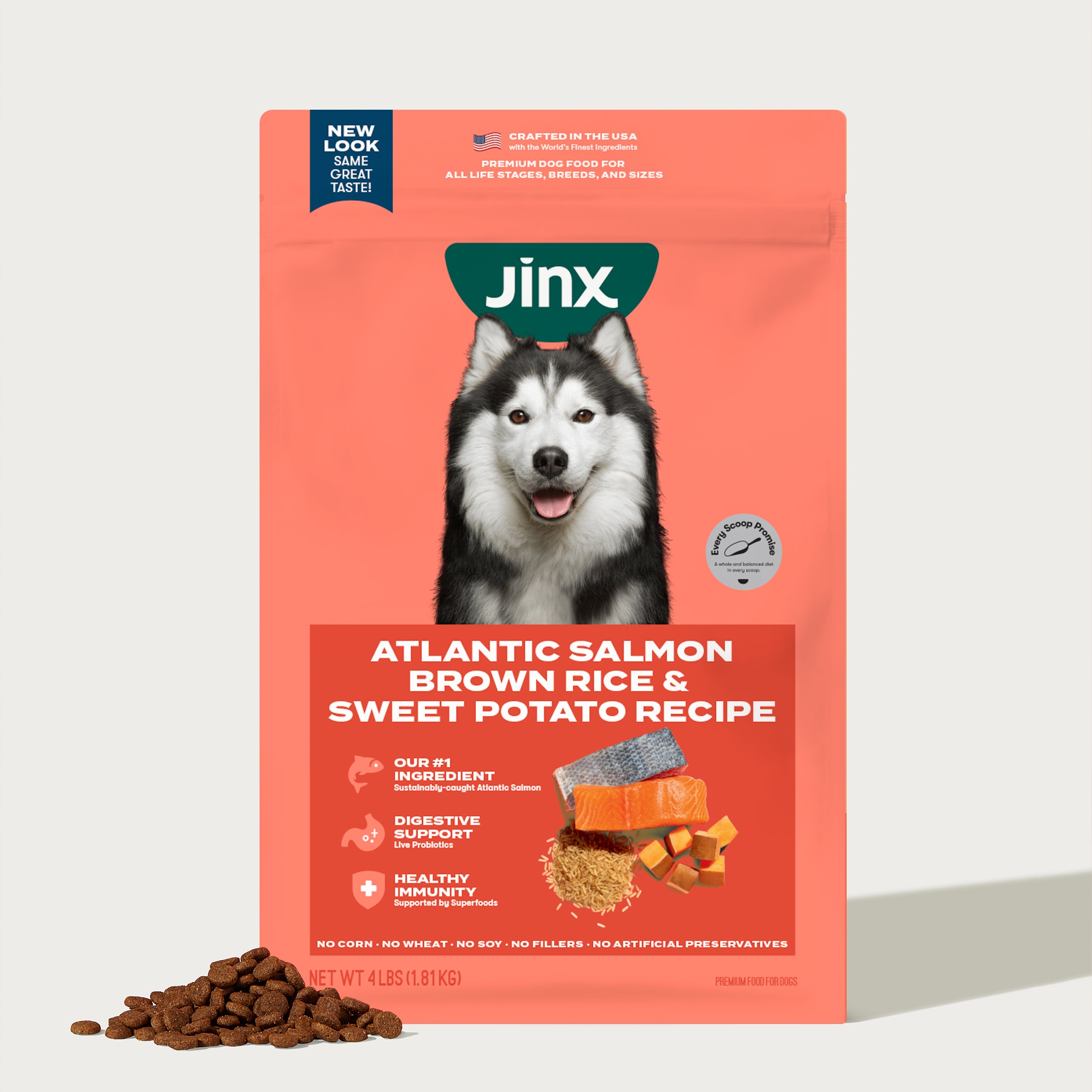
Credit: www.thinkjinx.com
Nutritional Profile Of Salmon Dog Food
Salmon dog food is a popular choice for many dog owners. It offers several health benefits and provides important nutrients. Understanding the nutritional profile of salmon dog food helps decide if it suits your dog’s needs. This type of food is known for its rich content of high-quality protein sources and essential fatty acids. Salmon also supports dogs with sensitive stomachs or allergies. Many pet parents read Salmon-Based Dog Food Reviews to learn about its effects. Knowing the details about salmon nutrition for dogs can guide better feeding choices.
Protein Content And Quality
Salmon dog food usually contains a high amount of protein. Protein is vital for muscle growth and repair. It helps maintain strong bones and healthy skin. The protein in salmon is easy to digest, which is important for many dogs. This relates to dog food digestibility, meaning dogs get more nutrients from their meals.
- Salmon provides complete protein with all essential amino acids.
- It is a rich source of high-quality protein sources that support overall health.
- Protein from salmon is often better tolerated by dogs with allergies.
Here is a comparison of protein content in salmon dog food:
| Protein Source | Protein Content (%) | Digestibility |
|---|---|---|
| Salmon | 25-30% | High |
| Chicken | 20-28% | Moderate to High |
| Beef | 18-25% | Moderate |
Vitamins And Minerals Included
Salmon dog food contains many important vitamins and minerals. These nutrients help keep dogs strong and healthy. They support the immune system, bones, and skin. Some key nutrients found in salmon dog food include:
- Vitamin B12 – helps with energy and brain function.
- Vitamin D – supports healthy bones and teeth.
- Selenium – acts as an antioxidant to protect cells.
- Phosphorus – important for bone health.
- Omega-3 fatty acids for dogs – reduce inflammation and improve coat quality.
These nutrients make salmon dog food a good choice for balanced nutrition. The combination of dog food vitamins and minerals supports overall well-being.
Comparing To Other Protein Sources
Salmon differs from other proteins like chicken or beef in several ways. It often causes fewer allergies in dogs. This is important for those with salmon allergen concerns. Salmon provides more omega-3 fatty acids than chicken, which benefit heart and brain health.
- Salmon dog food benefits include better skin and coat condition.
- Chicken is a common protein but may cause allergies in some dogs.
- Salmon offers a unique nutrient profile not found in many other proteins.
- Salmon has a mild flavor that many dogs enjoy.
The table below compares salmon and chicken dog food:
| Aspect | Salmon | Chicken |
|---|---|---|
| Protein Quality | High-quality protein sources with complete amino acids | High-quality but slightly less omega-3 |
| Allergen Risk | Lower, good for sensitive dogs | Higher, common allergen |
| Omega-3 Fatty Acids | Rich source | Low source |
| Digestibility | Excellent | Good |
Choosing the best protein for dog health depends on your dog’s needs. Salmon offers benefits that may not be present in chicken dog food.
Potential Allergies And Sensitivities
Salmon dog food is popular because of its high-quality protein and omega-3 fats. These fats support skin and coat health. Salmon protein digestibility is usually good for dogs. But some dogs may develop allergies or sensitivities to salmon or other ingredients. Understanding potential allergies and sensitivities helps keep dogs healthy and comfortable.
Common Allergic Reactions
Canine food allergies often come from proteins in dog food ingredients like salmon. Salmon allergy in dogs can cause reactions because the immune system sees salmon protein as harmful. Fish-based dog food can sometimes trigger allergies, especially if the dog eats it often.
Common allergic reactions include:
- Itchy skin and frequent scratching
- Red or inflamed skin, especially around ears and paws
- Digestive issues such as vomiting or diarrhea
- Excessive licking or chewing on paws
These symptoms show the dog’s immune system reacts to certain dog food ingredients. Salmon protein digestibility is high for most dogs, but not all. Some dogs need hypoallergenic dog food to avoid these reactions.
Identifying Symptoms In Dogs
Symptoms of dog food allergy often appear soon after eating. Watch dogs closely after feeding fish-based dog food. Early signs include:
- Scratching or rubbing skin more than usual
- Redness or swelling on the skin
- Hair loss in certain spots
- Stomach upset like vomiting or loose stools
More serious symptoms may include:
- Ear infections that keep coming back
- Difficulty breathing or coughing
Tracking symptoms over time helps determine if salmon dog food causes problems. Keep a food diary with notes on symptoms and feeding times. This method helps spot dog food sensitivities early.
Alternatives For Sensitive Dogs
Dogs with salmon allergy need alternative dog food options. Hypoallergenic dog food uses proteins less likely to cause reactions. Some common alternatives include:
| Protein Source | Benefits |
|---|---|
| Duck | Rarely causes allergies, good taste |
| Lamb | Gentle on stomach, good digestibility |
| Venison | Novel protein, helps with food sensitivities |
| Turkey | Lean protein, often well tolerated |
| Plant-based proteins | Good for dogs with multiple allergies |
Switching to alternative dog food options can reduce symptoms. Always introduce new food slowly. Monitor the dog’s condition to ensure the new diet works well.
Evaluating Commercial Salmon Dog Foods
Salmon dog food has grown popular for many pet owners. It offers a rich source of protein and healthy fats. Evaluating commercial salmon dog foods helps find the best option for your dog’s health. Many dogs benefit from the nutrients found in fish-based dog food nutrition. Salmon protein for dogs is known to support skin, coat, and joint health. Choosing the right salmon dog food means checking the ingredients and avoiding harmful additives. This guide covers important points to help select the healthiest salmon dog food.
Ingredients To Look For
Healthy dog food ingredients are key to your dog’s well-being. Salmon dog food benefits come mainly from its rich protein and omega-3 fatty acids. These fatty acids improve heart health and reduce inflammation. Look for salmon as the first ingredient. It shows the food contains high-quality salmon protein for dogs.
Other important ingredients to check include:
- Whole grains or grain-free options: Grain-free salmon dog food suits dogs with grain allergies.
- Natural dog food additives: These help preserve nutrients without artificial chemicals.
- Vegetables and fruits: They provide fiber and vitamins.
- Limited fillers: Avoid foods with too many fillers like corn or soy.
| Ingredient | Why It Matters |
|---|---|
| Salmon | Main source of protein and omega-3 fatty acids |
| Sweet potatoes | Good source of fiber and energy |
| Peas | Provide vitamins and minerals |
| Natural preservatives | Keep food fresh without chemicals |
Avoiding Harmful Additives
Avoiding artificial preservatives in dog food is important. These can cause allergies or health issues. Salmon dog food allergens might also hide in additives. Look for foods that use natural dog food additives instead. These keep the food fresh and safe.
Common harmful additives to avoid include:
- Artificial colors and flavors: No benefit to dogs and may cause reactions.
- BHA and BHT: Chemicals used to preserve fats but linked to health risks.
- Propylene glycol: Used to keep moisture but not safe for pets.
Choosing grain-free salmon dog food may reduce allergy risks. Dogs sensitive to grains benefit from such options. Always check the label carefully for any hidden ingredients that might cause problems. Salmon dog food benefits are best enjoyed when the food is free from harmful chemicals.
Top Brands With Salmon Formulas
Best salmon dog food brands focus on quality ingredients and safety. They include salmon as a key protein source. Many brands offer grain-free salmon dog food for sensitive dogs. These brands also avoid harmful additives and artificial preservatives.
Here are some features of top salmon dog food brands:
- Use wild-caught salmon: Better nutrition and fewer contaminants.
- Include omega-3 fatty acids in dog food: Support healthy skin and coat.
- Offer grain-free options: Help dogs with allergies.
- Use natural dog food additives: Keep food fresh without chemicals.
| Brand | Salmon Source | Special Features |
|---|---|---|
| Brand A | Wild-caught salmon | Grain-free, no artificial preservatives |
| Brand B | Farm-raised salmon | Omega-3 rich, includes sweet potatoes |
| Brand C | Wild-caught salmon | Natural additives, suitable for sensitive dogs |
Choosing a trusted brand ensures your dog gets the full benefits of salmon dog food. Always check ingredients and avoid foods with salmon dog food allergens. Good brands maintain quality for your dog’s health and happiness.
Homemade Salmon Dog Food Tips
Salmon dog food is popular because it offers many health benefits. Salmon contains important nutrients like omega-3 fatty acids dogs need. These fats help keep a dog’s skin and coat healthy. Homemade salmon dog food tips can help prepare safe and balanced meals. Using fresh ingredients and the right methods ensures your dog gets the best nutrition.
Safe Preparation Methods
Preparing salmon for dogs requires care to ensure safety. Raw salmon may contain parasites or bacteria that can harm dogs. Cooking salmon properly removes these risks and makes the food safe. Boiling, baking, or steaming are good methods. Avoid adding salt, spices, or onions, as these can be harmful to dogs.
Steps for safe salmon dog food safety:
- Choose fresh, high-quality salmon without bones
- Cook salmon thoroughly until it flakes easily
- Remove all bones before serving
- Do not use smoked or cured salmon products
- Check for any allergies before feeding regularly
Proper preparation protects your dog from health issues. Salmon dog food safety is important to prevent stomach upset and poisoning.
Balanced Meal Components
A balanced diet for dogs includes more than just salmon. Salmon nutrition for dogs offers protein and omega-3 fatty acids dogs need. However, dogs also need carbs, vitamins, and minerals. Combining salmon with other healthy dog meal components creates a complete meal.
Important components for dog food with fish ingredients:
| Component | Purpose | Examples |
|---|---|---|
| Protein | Supports muscle and tissue health | Salmon, chicken, eggs |
| Carbohydrates | Provide energy and fiber | Brown rice, sweet potato, oats |
| Fats | Support brain and skin health | Salmon oil, flaxseed oil |
| Vitamins and Minerals | Boost immune system and bones | Carrots, spinach, pumpkin |
Mix these ingredients in balanced amounts. This helps your dog stay strong and healthy. Benefits of salmon dog food increase when combined with other nutrients.
Storage And Serving Suggestions
Salmon dog food storage is important to keep it fresh. Store cooked salmon in airtight containers. Refrigerate for up to three days or freeze for longer storage. Always check for smells or signs of spoilage before serving.
Serving salmon to dogs is best done in small portions. This prevents digestive problems and helps adjust to new food. Use the following tips for serving:
- Serve at room temperature, not too hot or cold
- Mix salmon with other meal components for balance
- Offer fresh water alongside the meal
- Start with small amounts and watch for reactions
- Feed salmon 1-2 times per week, not daily
Good storage and serving habits keep salmon dog food safe. These habits help your dog enjoy healthy meals with fish ingredients.

Credit: www.thinkjinx.com
Feeding Guidelines And Portion Control
Salmon dog food is known for its rich nutrients and gentle effect on dogs’ digestion. It offers many benefits like high-quality protein and Omega-3 fatty acids for dogs. Feeding guidelines and portion control help keep dogs healthy and avoid overeating. Choosing the right amount and type of food supports a healthy dog diet. This is very important for dogs with allergies or sensitivities. Proper portion control for dogs ensures they get enough energy without gaining weight.
Age And Size Considerations
Age-appropriate dog food is key when feeding salmon dog food. Puppies, adults, and senior dogs have different needs. Smaller dogs need less food than bigger dogs. Age and size affect how much food a dog should eat.
- Puppies need more protein for growth. Salmon dog food benefits puppies with healthy fats and protein sources.
- Adult dogs require balanced nutrition to keep energy and health steady.
- Senior dogs may need food that is easier to digest and supports joint health.
Portion control for dogs changes by size. Small breeds eat smaller portions, while large breeds need more food. Use feeding guidelines for dogs based on weight to avoid overfeeding.
| Dog Size | Daily Portion (grams) | Notes |
|---|---|---|
| Small (under 10 kg) | 100 – 200 | Feed 2-3 times per day |
| Medium (10-25 kg) | 200 – 400 | Feed 2 times per day |
| Large (over 25 kg) | 400 – 600 | Feed 1-2 times per day |
Frequency And Amount
Feeding guidelines for dogs recommend the right frequency and amount of food. Dogs need regular meals to keep energy levels steady. Portion control for dogs prevents overeating and obesity.
Most dogs do well with two meals per day. Puppies may need three or four smaller meals. Older dogs might eat once or twice daily depending on their health.
- Two meals per day is standard for most adult dogs.
- Smaller, frequent meals help puppies grow well.
- Monitor portion sizes to avoid weight gain.
Check the dog food packaging for portion size advice. Adjust based on your dog’s activity level and weight. Salmon dog food benefits come with proper feeding amounts. Too much food can cause stomach upset even if it is healthy.
Monitoring Dog’s Response
Monitoring dog health is important when feeding salmon dog food. Watch for changes in energy, coat, and digestion. Salmon dog food is often good for dogs with allergies or sensitivities.
Look for signs of dog food allergies and sensitivities such as itching or diarrhea. Omega-3 fatty acids for dogs can improve skin and coat health. But some dogs may need a different protein source.
- Check stool quality and frequency.
- Observe coat shine and softness.
- Note any changes in energy or mood.
- Watch for vomiting or gas.
Healthy dog diet tips include switching foods slowly to avoid upset. Keep a food diary to track reactions. Consult a vet if problems appear. This helps find the best dog food for sensitive stomachs.
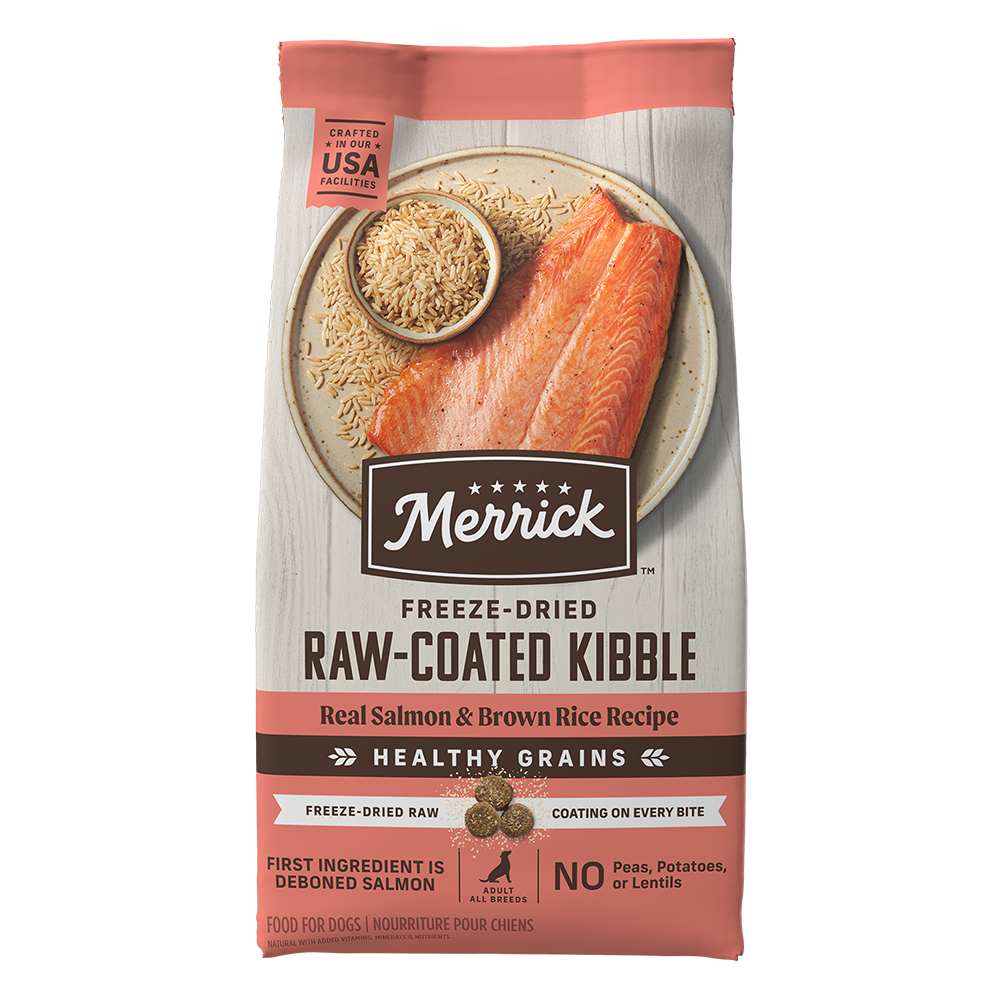
Credit: www.merrickpetcare.com
FAQs For Is Salmon Dog Food Good For Dogs
Is Salmon Dog Food Healthy For Dogs?
Salmon dog food is rich in omega-3 fatty acids, which support skin, coat, and joint health. It is also a great source of high-quality protein and essential nutrients, making it a healthy option for most dogs.
Can Dogs With Allergies Eat Salmon Dog Food?
Yes, salmon dog food is often recommended for dogs with allergies. It is a novel protein that can reduce allergic reactions compared to common proteins like chicken or beef.
How Does Salmon Dog Food Benefit A Dog’s Coat?
Salmon contains omega-3 fatty acids that improve skin hydration and reduce inflammation. This results in a shinier, healthier coat and less itching for dogs.
Is Salmon Dog Food Suitable For All Dog Breeds?
Salmon dog food is generally suitable for all breeds, but always consult your vet. Some dogs may have allergies or intolerances, so monitor their reaction after switching.
Conclusion
Salmon dog food offers good nutrients for many dogs. It provides healthy fats and protein that support strong muscles and shiny coats. Some dogs may like the taste more than other foods. Watch your dog for any allergies or stomach issues.
Choosing salmon dog food can be a healthy option but depends on your dog’s needs. Always check the ingredients and quality before buying. Feeding your dog well helps keep them happy and active. Salmon dog food can fit well in a balanced diet.