Feeding your dog might seem simple, but are you really giving them what they need to stay healthy and happy? What you put in their bowl affects their energy, mood, and even how long they live.
If you want to make sure your furry friend gets the best nutrition without any guesswork, keep reading. This guide will show you exactly how to feed your dog the right way—easy tips you can start using today to see real, positive changes in your pet’s life.
Don’t miss out on what could be the key to your dog’s well-being!
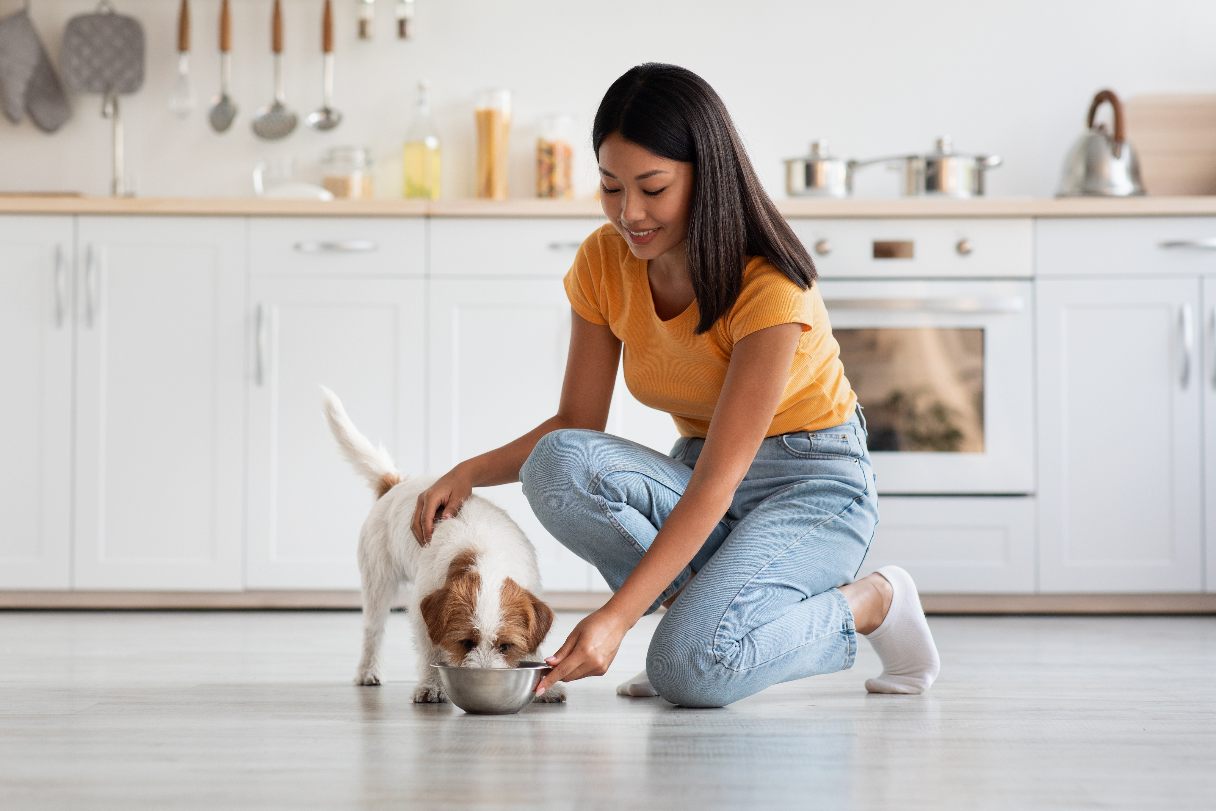
Credit: www.carecredit.com
Choosing The Right Food
Choosing the right food for your dog is very important. It affects their health, energy, and happiness. Each dog has different needs based on size, age, and breed. The right food gives your dog the nutrients they need to live well.
Knowing what to feed and how to read labels helps you make smart choices. Let’s explore the main types of dog food and how to pick the best one.
Types Of Dog Food
There are three main types of dog food: dry, wet, and raw. Dry food is easy to store and helps keep teeth clean. Wet food has more moisture and often tastes better to dogs. Raw food mimics a natural diet but needs careful handling. Each type has pros and cons. Pick the type that fits your dog’s lifestyle and your routine.
Reading Dog Food Labels
Dog food labels show important information. Check the ingredients list to find real meat or fish at the top. Avoid foods with many fillers like corn or wheat. Look for added vitamins and minerals. The label also shows guaranteed analysis for protein, fat, and fiber. These numbers help you compare foods and choose the best for your dog’s needs.
Considering Age And Breed
Puppies need food rich in protein and fat for growth. Adult dogs need balanced nutrition to stay healthy. Older dogs may need food with fewer calories and joint support. Small breeds often eat different food than large breeds. Breed size affects how much food and what nutrients are needed. Adjust food choices to fit your dog’s age and breed for best health.
Feeding Schedule Tips
Feeding your dog at the right times helps keep them healthy and happy. A good feeding schedule can prevent overeating and digestive problems. It also builds a routine your dog can trust. Follow these tips to set up the best feeding plan.
Establishing Regular Meal Times
Feed your dog at the same times each day. Most dogs do well with two meals daily—morning and evening. Regular meal times help your dog’s digestion and behavior. They learn when to expect food, which reduces begging and anxiety.
Portion Control
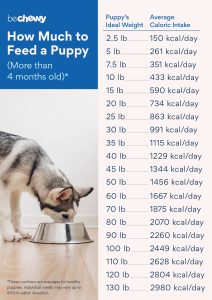
Measure your dog’s food carefully. Use the feeding guide on the dog food package as a start. Adjust portions based on your dog’s size, age, and health. Too much food can cause weight gain. Too little may leave your dog hungry or weak.
Adjusting For Activity Levels
Change your dog’s food amount based on their activity. Active dogs need more energy and calories. Less active dogs need fewer calories to avoid weight gain. Watch your dog’s body shape and energy to find the right balance.
Homemade Vs. Commercial Diets
Choosing between homemade and commercial diets for your dog can be confusing. Both options have pros and cons. Understanding these can help you make the right choice for your pet’s health and happiness.
Homemade meals let you control the ingredients and avoid fillers. Commercial diets offer convenience and balanced nutrition. This section explores the benefits, risks, and supplements needed for homemade dog food.
Benefits Of Homemade Meals
Homemade meals allow fresh ingredients tailored to your dog’s needs. You avoid artificial additives and preservatives often found in commercial foods. Many dogs find homemade food tastier and easier to digest. Preparing meals at home can help monitor allergies and food sensitivities. You can include a variety of vegetables, meats, and grains for a balanced diet.
Risks And Precautions
Homemade diets can lack essential nutrients if not planned well. Overfeeding or underfeeding certain foods causes health problems. Some ingredients safe for humans are toxic to dogs, like onions or garlic. Food safety is crucial to avoid bacteria and contamination. Consulting a vet or pet nutritionist is important before starting homemade meals.
Supplements To Consider
Homemade meals may need extra vitamins and minerals. Calcium is often missing and requires supplementation. Omega-3 fatty acids support skin, coat, and joint health. Probiotics help with digestion and gut health. A vet can recommend the right supplements based on your dog’s diet and health needs.
Foods To Avoid
Choosing the right food for your dog is very important. Some foods can hurt your dog’s health. Avoid feeding your dog harmful foods to keep them safe and happy. This section explains which foods to avoid and what safe treats you can use instead.
Toxic Human Foods
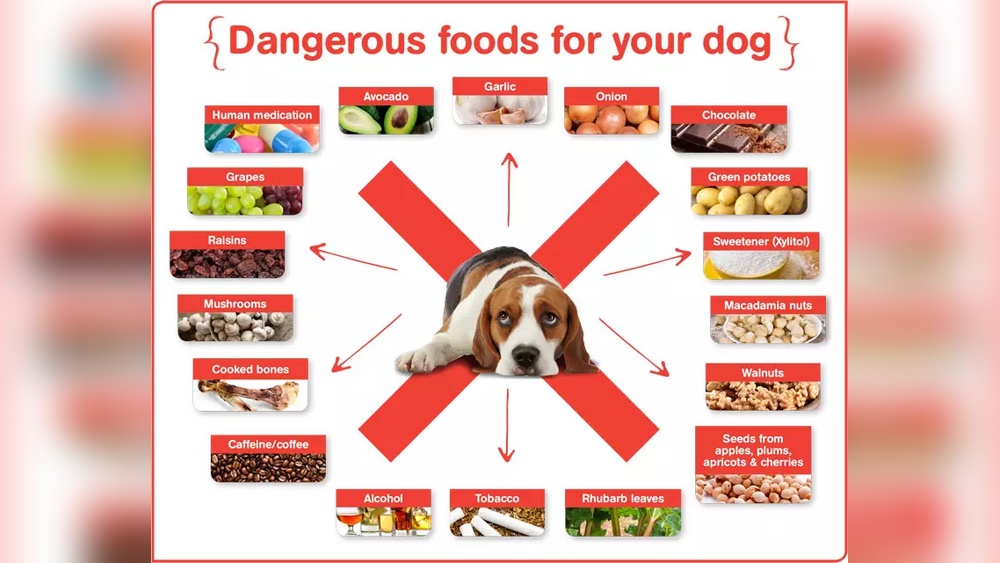
Many common human foods are toxic to dogs. Chocolate contains a chemical called theobromine, which can cause vomiting and seizures. Grapes and raisins may lead to kidney failure. Onions and garlic can damage your dog’s red blood cells. Avoid giving these foods at all times.
Harmful Ingredients
Some ingredients in dog food or snacks can be harmful. Artificial sweeteners like xylitol cause a dangerous drop in blood sugar. High salt content can lead to dehydration and heart problems. Fatty foods may cause pancreatitis. Check labels carefully before feeding any treats to your dog.
Safe Treat Alternatives
Choose healthy and safe treats for your dog. Small pieces of cooked chicken or turkey work well. Carrots and green beans make crunchy, low-calorie snacks. Commercial dog treats made with natural ingredients are a good choice. Always introduce new treats slowly to watch for allergies.
Hydration And Treats
Feeding your dog well means paying attention to hydration and treats. Water keeps your dog healthy. Treats can show love and help with training. Both need balance for a happy pet.
Importance Of Fresh Water
Dogs need fresh water every day. It helps their body work well. Water keeps dogs cool and stops dehydration. Always check your dog’s water bowl. Refill it with clean water often.
Dirty water can make dogs sick. Change the water at least twice a day. In warm weather, give more water to prevent heat stress. Clean bowls also stop bacteria from growing.
Healthy Treat Options
Treats should be tasty and good for dogs. Choose small pieces of fruits like apples or carrots. Plain cooked chicken or cheese works too. Avoid treats with sugar, salt, or spices.
Use treats to reward good behavior. Keep treats special, not everyday food. Healthy treats help dogs stay strong and happy.
Avoiding Overfeeding Treats
Too many treats cause weight gain and health problems. Limit treats to 10% of your dog’s daily food. Count treats as part of their meal plan.
Watch your dog’s weight and adjust treat amounts. Use treats only for training or special moments. This keeps your dog fit and active.
Credit: www.rspcapetinsurance.org.au
Monitoring Health And Weight
Monitoring your dog’s health and weight is key to keeping them happy and strong. Regular checks help spot problems early. Healthy weight means better energy and longer life for your dog.
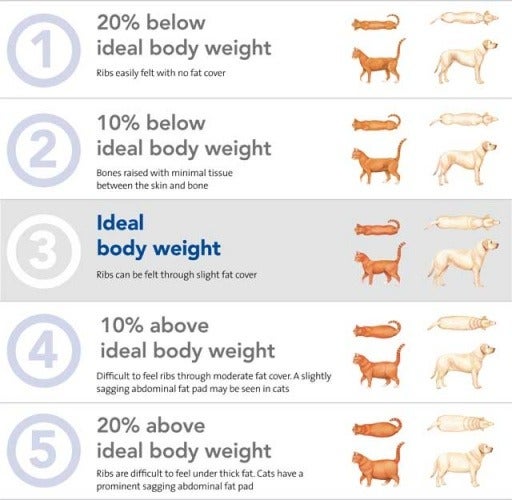
Watch for changes in your dog’s body and behavior. These clues show if their diet meets their needs. Tracking weight gives clear signs of health or issues. Knowing when to ask a vet ensures your dog stays safe.
Recognizing Signs Of Malnutrition
Look for dull fur or dry skin. These often mean lack of nutrients. Your dog may seem weak or tired. Loss of appetite can also signal malnutrition. Check for weight loss or a visible rib cage. These signs mean your dog needs better food or care.
Tracking Weight Changes
Weigh your dog regularly. Use a scale or visit the vet for help. Record the weight each time to spot trends. Sudden gain or loss may point to health issues. Adjust food portions based on weight changes. Keep your dog at a healthy weight to avoid problems.
When To Consult A Vet
See a vet if your dog loses or gains weight fast. Unusual behavior or eating habits also need a check-up. Persistent vomiting or diarrhea is a warning sign. Your vet can find health problems early. Follow their advice for diet or treatment changes.
:max_bytes(150000):strip_icc()/11-human-foods-dogs-can-eat-and-5-they-shouldnt-color01-18549b5534c4402b8641c1c60d33b9b2.jpg)
Credit: www.treehugger.com
FAQs For How To Feed Dog
How Often Should I Feed My Dog Daily?
Most adult dogs should be fed twice a day, once in the morning and once in the evening. Puppies may require three to four meals daily due to their higher energy needs. Consistency in feeding times helps regulate digestion and behavior.
What Is The Best Type Of Dog Food To Feed?
Choose high-quality commercial dog food with balanced nutrients. Look for options with real meat, vegetables, and no fillers. Consult your vet for specific dietary needs based on breed, age, and health conditions.
Can I Feed My Dog Human Food Safely?
Some human foods like carrots and plain rice are safe for dogs in moderation. Avoid toxic foods such as chocolate, grapes, onions, and garlic. Always check with your vet before introducing new foods to your dog’s diet.
How Much Food Should I Give My Dog Daily?
The amount depends on your dog’s weight, age, and activity level. Follow the feeding guidelines on the dog food package and adjust as needed. Overfeeding can lead to obesity, so monitor your dog’s weight regularly.
Conclusion
Feeding your dog well keeps them healthy and happy. Choose good food and serve the right amount daily. Fresh water must always be available. Watch your dog’s weight and energy to adjust meals. Treats are fine but should be limited.
A regular feeding schedule helps your dog feel safe. Remember, your care makes a big difference in their life. Keep learning and enjoy the time with your pet. Simple steps lead to a strong, happy dog.