Are you worried about what goes into your dog’s bowl every day? Making your own dog food can be a simple and rewarding way to give your furry friend the healthiest meals possible.
Imagine knowing exactly what your dog is eating and tailoring recipes to their unique tastes and needs. You’ll discover easy steps and tips to create nutritious, delicious dog food at home. Keep reading, and you’ll soon feel confident preparing meals that keep your dog happy and thriving.
Credit: www.vitacost.com
Choosing Ingredients
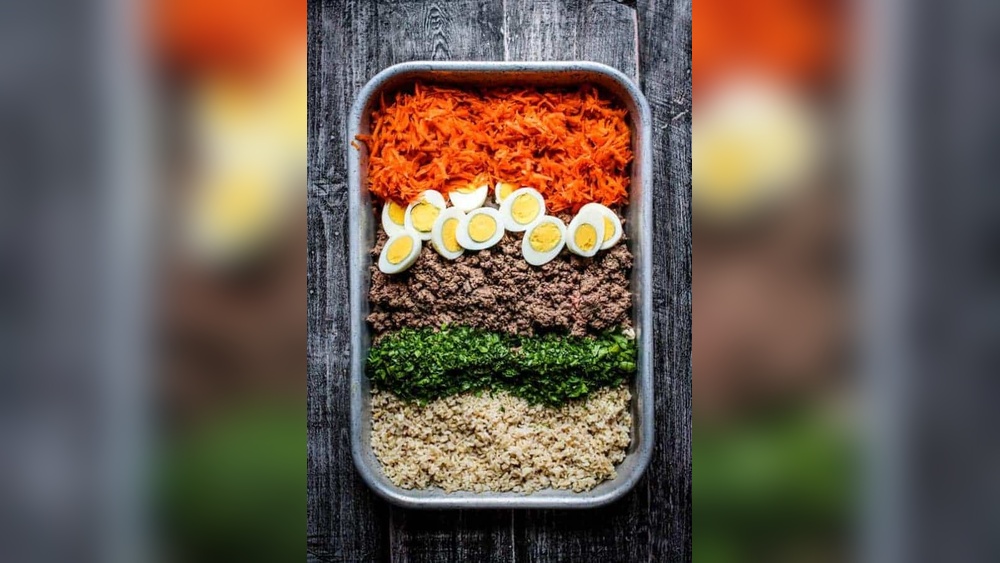
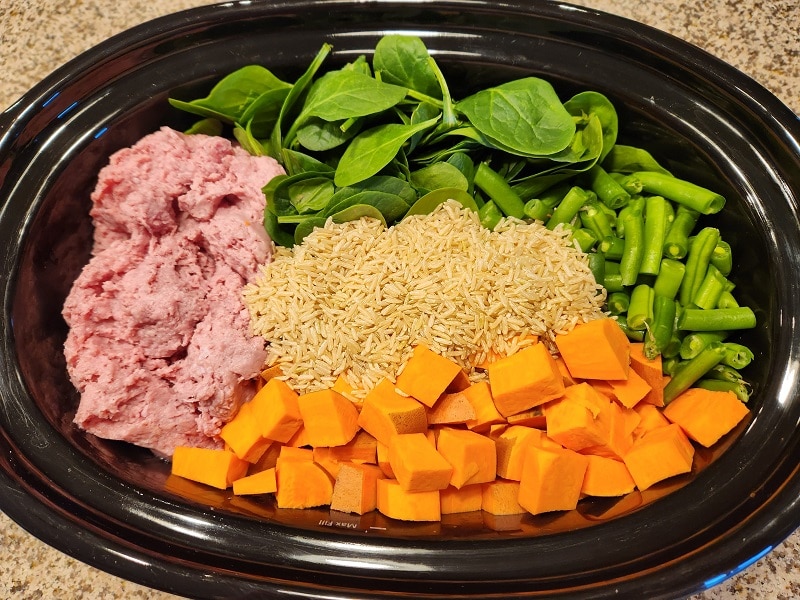
Choosing the right ingredients is key to making healthy dog food at home. Good ingredients give your dog energy and help keep them strong. Every meal should include proteins, fats, carbohydrates, and some vegetables or fruits. These parts work together to support your dog’s health and happiness.
Each ingredient type has a special role. Proteins build muscles. Carbohydrates provide energy. Fats keep the skin and coat shiny. Vegetables and fruits add vitamins and fiber. Knowing which ingredients to pick makes your homemade dog food safe and tasty.
Proteins For Dogs
Proteins are the most important part of dog food. Choose lean meats like chicken, turkey, or beef. Fish such as salmon or whitefish is also good. Eggs provide a complete protein source. Avoid processed meats or those with added salt. Cook all proteins well to kill bacteria.
Healthy Carbohydrates
Carbohydrates give dogs energy. Brown rice, oatmeal, and sweet potatoes are easy to digest. These carbs release energy slowly. Avoid white bread or pasta as they lack nutrients. Cook grains until soft for easy chewing. Limit carbs to balance the meal.
Essential Fats
Fats help dogs absorb vitamins and keep their skin healthy. Use oils like olive oil or fish oil. These contain omega-3 and omega-6 fatty acids. Add fats in small amounts to avoid weight gain. Never feed dogs butter or fatty scraps from meals.
Safe Vegetables And Fruits
Vegetables and fruits add fiber and vitamins. Carrots, green beans, and peas are safe choices. Apples and blueberries provide antioxidants. Always wash and chop them finely. Avoid onions, grapes, and raisins, as they are toxic to dogs.
Nutritional Needs
Feeding your dog homemade food starts with understanding its nutritional needs. Dogs require a mix of proteins, fats, carbohydrates, vitamins, and minerals. Each nutrient plays a role in keeping them healthy and active. Meeting these needs helps your dog live a longer and happier life.
Balancing Vitamins And Minerals
Vitamins and minerals support your dog’s body functions. They help with bone strength, immune defense, and energy. Common vitamins include A, D, E, and B-complex. Minerals like calcium, phosphorus, and potassium are vital too. Use a variety of ingredients to cover these nutrients. Avoid giving too much of one vitamin or mineral. Balance is key to prevent health problems.
Portion Sizes By Breed And Age
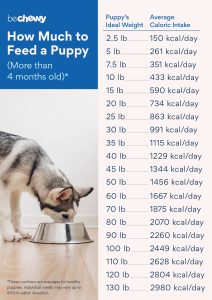
Different dog breeds need different food amounts. Small dogs eat less than large dogs. Puppies need more nutrients for growth. Older dogs require fewer calories but more fiber. Monitor your dog’s weight and energy level. Adjust portions to keep your dog fit and strong. Overfeeding leads to obesity. Underfeeding causes weakness and illness.
Avoiding Harmful Foods
Some human foods can harm dogs. Chocolate, onions, garlic, and grapes are toxic. Avoid artificial sweeteners like xylitol. Fatty and salty foods upset digestion. Always check ingredients before feeding. Stick to dog-safe fruits and vegetables. Clean water must be available at all times. Protect your dog from dangerous foods to ensure good health.
Simple Homemade Recipes
Making dog food at home can be easy and healthy. Simple recipes use common ingredients. They save money and give your dog fresh meals. You control what goes in the food. No fillers or unknown additives.
Here are three easy recipes. Each one uses basic ingredients. They provide good nutrition for your dog. Try these recipes to keep your dog happy and strong.
Basic Chicken And Rice Meal
Cook 1 cup of white rice until soft. Boil 1 pound of chicken breast. Cut chicken into small pieces. Mix chicken and rice together. Add a small amount of cooked carrot or peas. Let cool before serving. This meal is gentle on the stomach.
Beef And Vegetable Mix
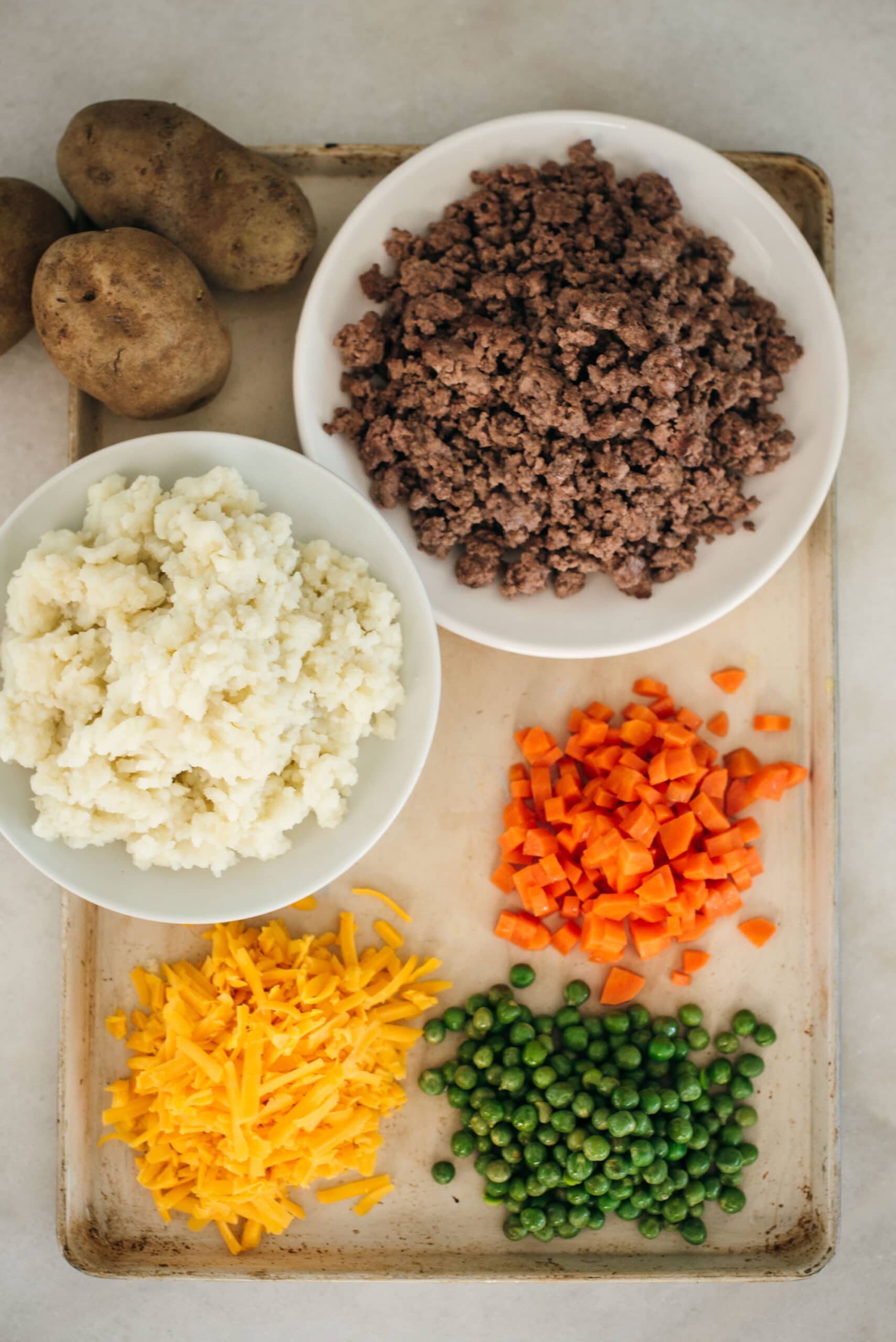
Brown 1 pound of lean ground beef in a pan. Add 1 cup of chopped green beans and carrots. Cook until vegetables are soft. Mix beef and vegetables well. Allow to cool before serving. This dish gives protein and vitamins.
Fish And Sweet Potato Dish
Bake 1 cup of sweet potato until soft. Cook 1 cup of white fish, like cod or tilapia. Flake the fish into small pieces. Combine fish and sweet potato. Mix well and cool before serving. This meal is rich in omega-3 and fiber.
Credit: www.thorfamilylaw.com
Meal Preparation Tips
Preparing homemade dog food requires care to keep meals healthy and tasty. Proper meal preparation helps keep nutrients in the food. It also makes feeding easier and safer for your dog. These tips focus on cooking, storing, and serving your dog’s meals well.
Cooking Techniques For Nutrient Retention
Choose gentle cooking methods like steaming or boiling. These keep most vitamins and minerals intact. Avoid high heat or long cooking times. They can break down nutrients and reduce food quality. Cut ingredients into small pieces for even cooking. This helps your dog digest the food better.
Storage And Shelf Life
Store homemade dog food in airtight containers. Use the fridge for up to three days. Freeze extra portions for longer storage. Label containers with the date to track freshness. Always check for signs of spoilage before feeding. Safe storage keeps your dog healthy and happy.
Serving Suggestions
Serve meals at room temperature for better taste. Mix food gently to blend flavors and textures. Add a small amount of water or broth to moisten dry food. Offer fresh water alongside every meal. Vary ingredients to provide balanced nutrition and interest.
Adjusting Recipes For Special Needs
Adjusting dog food recipes helps meet your pet’s unique health needs. Dogs need special care in their diet for better health. Tailoring meals supports their well-being and happiness.
Different dogs have different needs. Some need fewer calories, some need allergy-safe foods, and older dogs need gentle nutrition. Customizing meals keeps dogs healthy and active. Here are ways to adjust recipes for special needs.
Weight Management Meals
Weight control is important for many dogs. Use lean proteins like chicken or turkey. Include plenty of vegetables for fiber and low calories. Avoid high-fat ingredients and extra treats. Measure portions carefully to prevent overeating. Regular exercise works with a balanced diet.
Allergy-friendly Options
Food allergies cause itching and stomach upset. Common allergens include beef, dairy, and wheat. Replace these with novel proteins like duck or rabbit. Use rice or sweet potatoes instead of wheat. Avoid artificial additives and preservatives. Test new ingredients slowly to spot any reactions.
Senior Dog Diets
Older dogs digest food slower and need gentle meals. Include easily digestible proteins and soft vegetables. Add omega-3 fatty acids for joint health. Reduce salt and fat to protect the heart. Smaller, frequent meals help with digestion. Keep hydration high with wet foods or broth.
Credit: www.theguardian.com
Monitoring Your Dog’s Health
Keeping an eye on your dog’s health is very important when feeding homemade food. Changes in diet can affect digestion, energy, and coat condition. Watching your dog closely helps you know if the food works well or needs adjustment.
Small signs can tell a lot about your dog’s wellbeing. You can catch problems early by paying attention to behavior and physical changes. This helps keep your dog happy and healthy.
Recognizing Positive Changes
Look for a shiny coat and clear eyes. These show good nutrition and health. Your dog may have more energy and a better mood. Healthy digestion means regular, firm stools. Notice if your dog wants to play more. These are signs the homemade food is working.
When To Consult A Vet
Contact a vet if your dog loses weight or has diarrhea. Vomiting or lack of appetite are warning signs. Sudden tiredness or swelling should not be ignored. A vet can check for deficiencies or allergies. Early help avoids serious health problems.
Supplementing Homemade Food
Sometimes homemade meals miss important vitamins or minerals. Adding fish oil, calcium, or a multivitamin may help. Talk to a vet before adding supplements. Proper balance keeps your dog strong and healthy. Supplements fill gaps in homemade diets safely.
FAQs For How To Make Dog Food
What Ingredients Are Best For Homemade Dog Food?
Use lean meats, vegetables like carrots and peas, and grains such as rice. Avoid onions, garlic, and chocolate. Ensure a balanced mix for nutrients.
How Do I Ensure Homemade Dog Food Is Balanced?
Include protein, carbohydrates, fats, vitamins, and minerals in proper ratios. Consult a vet or pet nutritionist to create a balanced recipe for your dog.
Can I Store Homemade Dog Food Safely?
Yes, store in airtight containers in the refrigerator for up to 3 days. Freeze portions for longer storage, up to 2-3 months, to keep food fresh.
How Often Should I Feed My Dog Homemade Food?
Feed your dog twice daily, adjusting portion size by their weight and activity level. Monitor their health and energy to ensure proper feeding frequency.
Conclusion
Making dog food at home can save money and ensure quality. Use fresh, healthy ingredients your dog enjoys. Always balance proteins, carbs, and fats for good health. Keep hygiene in mind while preparing meals. Watch your dog’s reaction to new foods closely.
Homemade meals build a stronger bond with your pet. Simple steps lead to happy, well-fed dogs every day. Try it yourself and see the difference it makes.