How often should you feed your dog? It’s a simple question, but the answer can make a big difference in your furry friend’s health and happiness.
Feeding your dog the right amount at the right times helps keep their energy steady, supports digestion, and prevents weight problems. If you’ve ever wondered whether you’re feeding your dog too much, too little, or just right, this guide is for you.
Keep reading to discover the best feeding schedule tailored to your dog’s age, size, and lifestyle—because your dog deserves the best care every single day.
Credit: www.petmd.com
Feeding Frequency Basics
Feeding your dog the right amount at the right times is key for good health. Dogs need regular meals to keep their energy up and stay strong. The number of meals depends on age, breed, and size. Understanding these basics helps you care better for your pet.
Puppies Vs Adult Dogs
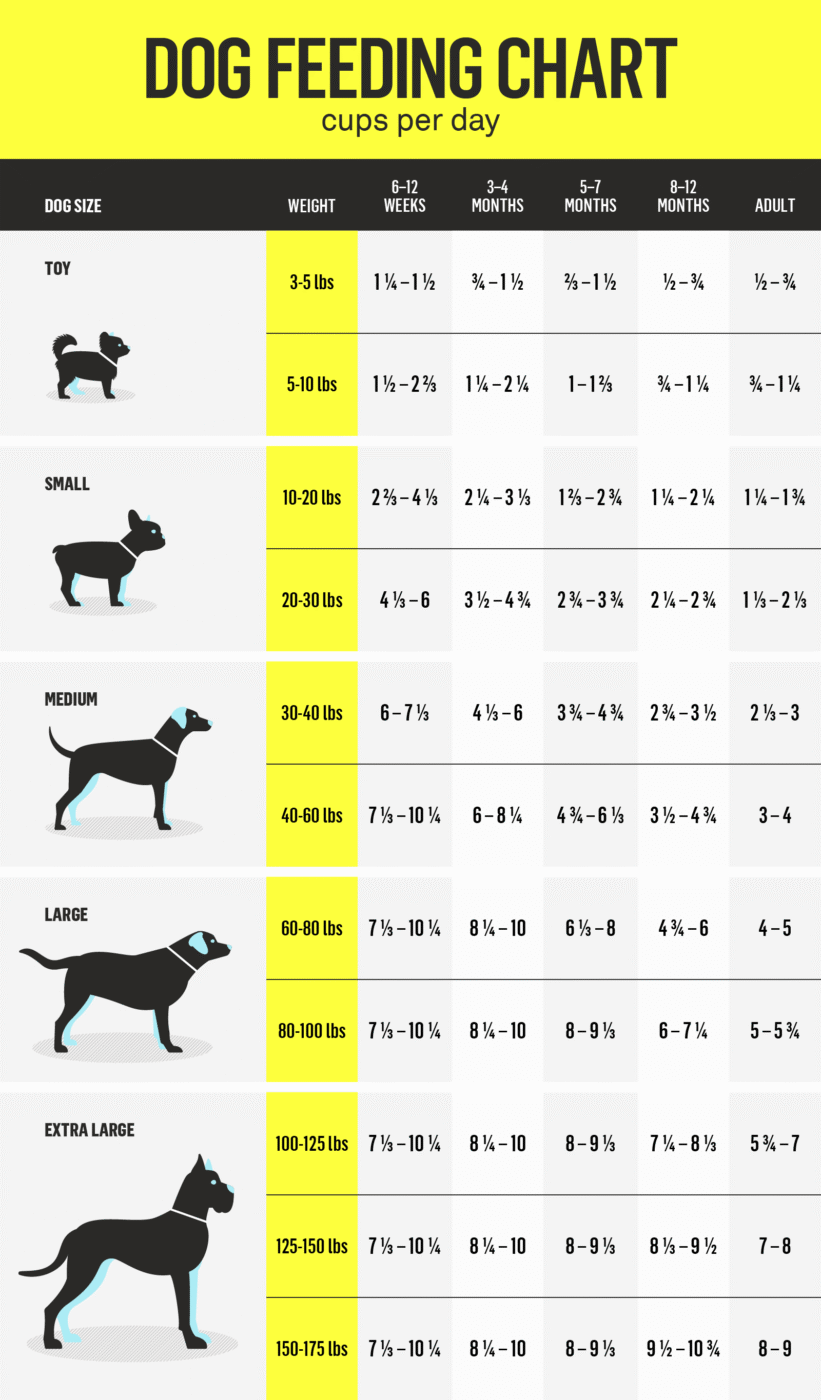
Puppies need more meals than adult dogs. Their small stomachs cannot hold much food at once. Feeding them three to four times daily supports steady growth. Adult dogs usually do well with two meals a day. This schedule keeps their energy steady and digestion smooth.
Breed And Size Considerations
Small breeds often need more frequent meals than large breeds. Small dogs burn energy faster and may get hungry sooner. Large breeds benefit from fewer, larger meals to avoid stomach issues. Adjust feeding times and portions based on your dog’s specific needs.
Credit: www.imperiodacostela.com.br
Daily Feeding Schedules
Feeding your dog every day is important for their health and happiness. Dogs need regular meals to keep their energy up. A good schedule helps avoid hunger or overeating. Different ages of dogs need different feeding routines.
Daily feeding depends on your dog’s age and activity. Puppies, adults, and senior dogs all have unique needs. Understanding these needs makes feeding easier and better for your dog.
Multiple Meals For Puppies
Puppies grow fast and need more energy. They should eat small meals often during the day. Four meals a day is a common plan. This helps their digestion and keeps them active. Feeding too much at once can upset their stomach.
Keep meals consistent and at the same times. This builds a good routine for your puppy. Use high-quality puppy food for best nutrition.
Two Meals For Adults
Adult dogs usually do well with two meals a day. One in the morning and one in the evening works well. This keeps their energy steady throughout the day. Avoid free-feeding to control weight and avoid overeating.
Measure food portions carefully. Adjust amounts based on your dog’s size and activity level. Consistent meal times help with digestion and behavior.
Adjustments For Senior Dogs
Older dogs may need changes in their feeding schedule. Some need fewer calories but still require good nutrition. Two smaller meals a day often suit senior dogs better. Watch for changes in appetite or weight.
Talk to your vet about special diets or supplements. Feeding time may become a chance to check your dog’s health regularly.
Portion Control Tips
Portion control is key to feeding your dog the right amount of food. It helps keep your dog healthy and prevents weight problems. Feeding too much or too little can cause issues. Knowing how to measure the right portion is important for your dog’s well-being.
Calculating Meal Size
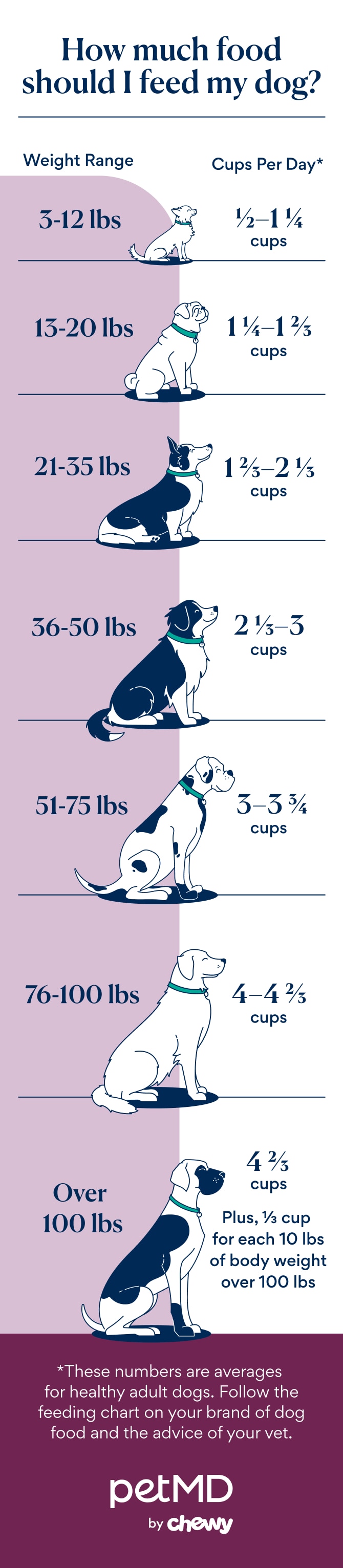
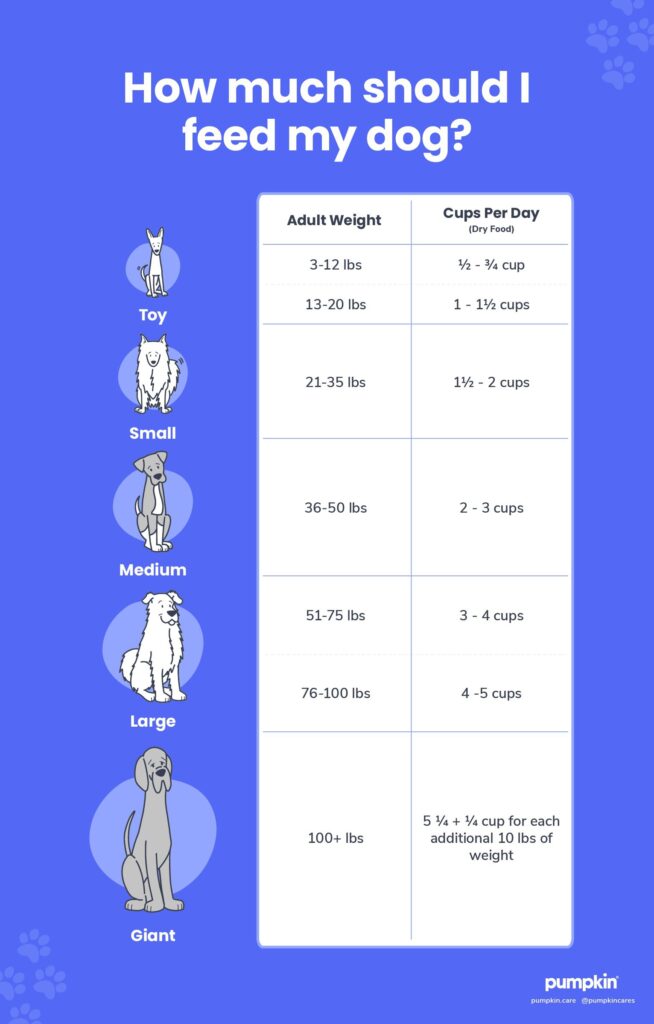
Start by checking your dog’s weight. Use this number to find the daily food amount. Most dog food packages have feeding charts. These charts suggest portions based on weight. Divide the daily amount into two or three meals. Adjust portions if your dog is very active or less active.
Avoiding Overfeeding
Don’t free-feed your dog all day. Set specific meal times and stick to them. Use a measuring cup to serve food. Avoid giving too many treats or scraps. Too many extras add calories and lead to weight gain. Watch your dog’s body shape for signs of overeating.
Using Feeding Guides
Feeding guides offer helpful portion advice. They consider your dog’s age, size, and activity level. Read the guide on the dog food label carefully. Use it as a starting point, not a strict rule. Adjust the amount based on your dog’s needs and health.
Signs Of Proper Feeding
Proper feeding is key to your dog’s health and happiness. It shows in many ways. Knowing the signs helps you feed your dog just right. Not too much. Not too little.
Check your dog often. Watch for clear signals that feeding is on track. These signs tell you your dog is getting the right amount of food daily.
Healthy Weight Indicators
Your dog’s weight says a lot. You should see a waist when looking from above. Ribs should be felt but not seen. Weight that stays steady means feeding is correct. Sudden gain or loss needs a vet check.
Energy Levels
Good energy means good feeding. Your dog should be active and playful. Too tired or too hyper can mean feeding problems. Balanced meals fuel balanced energy all day.
Coat Condition
Look at your dog’s coat. A shiny, soft coat shows good nutrition. Dry, dull fur can mean feeding or health issues. Proper feeding keeps the coat healthy and bright.
Special Feeding Situations
Special feeding situations require extra care and attention. Dogs in different life stages or with unique needs cannot follow the usual feeding schedule. Adjusting the feeding routine helps keep your dog healthy and happy. Understanding these special cases makes feeding easier and more effective.
Pregnant And Nursing Dogs
Pregnant dogs need more food to support their growing puppies. Their meals should be rich in nutrients and given more often. Nursing dogs burn a lot of energy feeding their puppies. They need extra food and frequent meals to stay strong.
Dogs With Health Issues
Some dogs have health problems affecting their appetite and digestion. Feeding times might change based on their condition and vet advice. Special diets or smaller, frequent meals often work best for these dogs.
Active Vs Sedentary Dogs
Active dogs burn more calories and need more food to fuel their energy. Sedentary dogs require less food to avoid weight gain. Adjust feeding amounts and times based on your dog’s daily activity level.
Choosing The Right Food
Choosing the right food for your dog is very important for their health and happiness. The food you pick affects their energy, growth, and overall well-being. Dogs have different needs based on their age, size, and health. Feeding them good food helps them stay strong and active.
Understanding the types of dog food, knowing your dog’s nutritional needs, and reading labels carefully can help you make the best choice. This guide will explain these points clearly.
Types Of Dog Food
There are three main types of dog food: dry, wet, and raw. Dry food is crunchy and easy to store. Wet food contains more moisture and often tastes better to dogs. Raw food is made from fresh ingredients and may include meat, bones, and vegetables. Each type has pros and cons.
Dry food helps keep teeth clean. Wet food is good for dogs who drink less water. Raw food can be nutritious but requires careful handling. Choose the type that suits your dog’s lifestyle and preferences.
Nutritional Needs
Dogs need a balance of proteins, fats, carbohydrates, vitamins, and minerals. Puppies need more protein and calories for growth. Adult dogs require balanced nutrition to maintain health. Older dogs may need fewer calories but more fiber and vitamins.
Active dogs burn more energy and may need extra calories. Less active dogs need fewer calories to avoid weight gain. Pay attention to your dog’s age, size, and activity when choosing food.
Reading Labels
Dog food labels show important information about ingredients and nutrition. Look for high-quality protein like chicken, beef, or fish listed first. Avoid foods with too many fillers like corn or wheat. These add little nutrition.
Check for added vitamins and minerals. The label should state the food meets standards set by pet health authorities. Serving size and calorie content help you feed the right amount. Reading labels helps you pick safe and healthy food.
Common Feeding Mistakes
Feeding dogs may seem simple, but many pet owners make common mistakes. These errors can harm your dog’s health and behavior. Knowing what to avoid helps your dog stay healthy and happy.
Understanding these mistakes ensures you provide the best care. Let’s explore some common feeding errors and how to prevent them.
Skipping Meals
Skipping your dog’s meals can cause low energy and mood swings. Dogs need regular food to keep their bodies working well. Missing meals often leads to overeating later, causing weight gain.
Set a feeding schedule and stick to it. This keeps your dog’s digestion steady and prevents hunger-related problems.
Free Feeding Risks
Free feeding means leaving food out all day. It sounds easy but can cause overeating. Dogs may eat too much and become overweight. It also makes it hard to notice if your dog is eating less.
Control portions by feeding measured meals. This helps keep your dog’s weight in check and monitors appetite changes.
Human Food Dangers
Many owners share table scraps with dogs. Some human foods are harmful or toxic to dogs. Chocolate, onions, and grapes can cause serious illness. Even small amounts of certain foods can be dangerous.
Feed only dog-safe foods and treats. Always check before giving your dog any human food.
Credit: www.pumpkin.care
Tips For Successful Feeding
Feeding a dog properly helps keep it healthy and happy. Simple habits make feeding easier for both you and your dog. Clear steps help your dog learn and enjoy mealtime. Follow these tips for a smooth feeding experience.
Consistent Timing
Feed your dog at the same times every day. Dogs feel more secure with a regular schedule. Set specific hours for breakfast and dinner. Avoid giving food outside these times. This helps control your dog’s hunger and energy levels.
Creating A Feeding Routine
Use the same place for feeding your dog. Keep the feeding area clean and quiet. Give the food in the same bowl each time. Stay near your dog while it eats, but do not disturb. A calm setting helps your dog focus on eating.
Monitoring Changes
Watch for changes in your dog’s eating habits. Note if your dog eats less or more than usual. Check for signs of illness like vomiting or diarrhea. Contact a vet if you see sudden changes. Early care keeps your dog healthy and strong.
FAQs For How Often Feed Dog
How Often Should I Feed My Adult Dog Daily?
Most adult dogs should be fed twice a day. This helps maintain energy and prevents overeating. Adjust portion sizes based on your dog’s size and activity level.
When Should Puppies Be Fed Each Day?
Puppies need more frequent meals, usually three to four times daily. Their smaller stomachs require smaller, more frequent portions to support growth and energy.
Can Feeding Frequency Affect My Dog’s Health?
Yes, regular feeding schedules improve digestion and prevent obesity. Consistent meal times help regulate metabolism and maintain a healthy weight for your dog.
Should Feeding Frequency Change With Dog’s Age?
Yes, feeding needs change as dogs age. Puppies eat more often, adults twice daily, and seniors may require adjusted portions or meal times.
Conclusion
Feeding your dog the right amount helps keep them healthy and happy. Puppies need more meals than adult dogs. Small, regular portions work best for digestion. Watch your dog’s weight and energy levels closely. Adjust feeding times as they grow or change activity.
Always provide fresh water alongside meals. Consistent feeding routines build good habits and reduce stress. A well-fed dog is a joyful companion. Simple steps lead to a strong, healthy pet.