
You want your dog to stay by your side for as many happy years as possible. But how do you make that happen?
The good news is, there are simple steps you can take every day to help your furry friend live a longer, healthier life. From what you feed them to how often you visit the vet, small changes can make a big difference.
Keep reading, and you’ll discover easy ways to boost your dog’s lifespan and enjoy more precious moments together.

Credit: www.scenthound.com
Balanced Nutrition
Balanced nutrition plays a key role in helping your dog live a long, healthy life. Good food supports strong bones, a shiny coat, and a healthy heart. It also boosts energy and helps fight diseases.
Choosing the right food means meeting your dog’s needs at every life stage. Puppies, adults, and seniors all require different nutrients. Feeding well keeps your dog active and happy.
Choosing Quality Dog Food
Select dog food with real meat as the first ingredient. Avoid foods with fillers like corn or wheat. Look for brands that follow strict safety rules. Natural ingredients help your dog digest food better.
Consult your vet for food advice. Some dogs have allergies or special needs. Quality food supports their overall health and well-being.
Essential Nutrients For Dogs
Proteins build muscle and repair tissues. Fat provides energy and keeps the coat shiny. Carbohydrates fuel daily activities. Vitamins and minerals support bones and the immune system.
Water is vital. Always provide fresh water to keep your dog hydrated. Balanced nutrients help prevent obesity and other health issues.
Feeding Schedules And Portions
Feed your dog at the same times every day. Consistent schedules aid digestion and prevent overeating. Divide food into two or three meals daily, depending on age and size.
Measure portions carefully. Follow package guidelines and adjust for your dog’s activity level. Avoid free feeding to maintain a healthy weight and lifestyle.
Regular Exercise
Regular exercise keeps your dog healthy and happy. It helps control weight and builds strong muscles. Exercise also improves heart health and boosts mood. Dogs need activity every day to live longer and feel better.
Daily Walks And Playtime
Daily walks give dogs fresh air and new sights. These walks help with digestion and reduce stress. Playtime, like fetch or tug, strengthens your bond. Short, frequent sessions suit most dogs well.
Exercise For Different Breeds
Small breeds need less intense exercise but still need it. Large or active breeds require longer walks and more play. Tailor activities to your dog’s breed and energy level. This prevents injury and keeps exercise fun.
Indoor Activities For Bad Weather
Rain or snow should not stop your dog’s exercise. Indoor games like hide and seek keep dogs moving. Use toys and puzzles to stimulate their mind and body. Short indoor sessions maintain energy and mood.
Routine Vet Visits
Routine vet visits keep your dog healthy and strong. Regular checkups help catch problems early. They also keep vaccinations up to date. A healthy dog lives longer and feels better every day.
Vaccinations And Preventive Care
Vaccinations protect your dog from serious diseases. Your vet gives shots to prevent illness. Flea and tick treatments stop pests that harm dogs. Heartworm prevention protects your dog’s heart and lungs. These steps reduce risks and keep your dog safe.
Dental Checkups
Dental health is often overlooked but very important. Your vet cleans your dog’s teeth during visits. This prevents gum disease and tooth loss. Healthy teeth help your dog eat and stay comfortable. Regular dental care supports overall health and longevity.
Early Detection Of Diseases
Vet visits help find diseases before they get worse. Blood tests and exams spot issues early. Early treatment can save your dog’s life. Detecting problems soon leads to better recovery. Routine exams keep your dog feeling good longer.

Credit: www.amazon.com
Mental Stimulation
Mental stimulation is very important for your dog’s long life. It keeps their brain active and healthy. Dogs need challenges to avoid boredom and stress. A sharp mind helps them stay happy and live longer. You can use simple activities to boost your dog’s mental health every day.
Training And Obedience
Training your dog teaches new skills and improves focus. Basic commands like sit, stay, and come are good starters. Training sessions should be short and fun. Regular practice keeps your dog’s mind busy. It also builds a strong bond between you and your pet. Learning new tricks can keep your dog curious and alert.
Interactive Toys
Interactive toys engage your dog’s brain during play. Puzzle feeders and treat-dispensing toys work well. These toys make dogs think and solve problems. They slow down eating and reduce anxiety. Choose toys that match your dog’s size and skill. Change toys often to keep playtime interesting. Mental games improve your dog’s focus and patience.
Socialization With Other Dogs
Meeting other dogs helps your dog learn social skills. Playtime with friends provides mental and physical exercise. Social dogs are usually less anxious and more confident. Visit dog parks or arrange playdates often. Supervise interactions to keep play safe and friendly. Socialization stimulates your dog’s brain and reduces loneliness. Happy dogs tend to live healthier, longer lives.
Safe Living Environment
A safe living environment is key to helping your dog live longer. Dogs need a home that protects them from harm. It should keep dangers away and provide comfort. A safe space lets your dog feel calm and happy every day.
Pet-proofing Your Home
Check your home for anything that could hurt your dog. Small objects, sharp items, and wires need to be out of reach. Keep doors and windows secure to stop your dog from running away. Use baby gates to block unsafe areas. Pet-proofing lowers the chance of accidents and injuries.
Avoiding Toxic Substances
Many common household items can poison dogs. Cleaners, medicines, and certain plants can be harmful. Store these items high or in locked cabinets. Watch for foods that are toxic to dogs, like chocolate and grapes. Keeping toxins away saves your dog from serious health problems.
Comfortable Resting Areas
Dogs need soft, quiet spots to rest and sleep. Choose a bed that supports their joints and bones. Place it in a calm area away from noise and drafts. A cozy resting place helps your dog relax and recharge. Good rest supports a healthy and long life.
Weight Management
Weight management plays a key role in helping your dog live longer. Maintaining a healthy weight keeps your dog active and reduces health problems. Overweight dogs face risks such as joint pain and heart issues. A balanced diet and regular exercise support a healthy weight. Small changes in daily habits can make a big difference in your dog’s life.
Recognizing Obesity Risks
Obesity causes many health problems in dogs. It can lead to diabetes, arthritis, and heart disease. Overweight dogs often have less energy and tire quickly. You might notice difficulty breathing or trouble moving. Spotting these signs early helps prevent serious conditions. Keep an eye on your dog’s body shape and activity level.
Healthy Treat Options
Treats should be given carefully to avoid extra weight gain. Choose low-calorie snacks like carrots or green beans. Avoid high-fat or sugary treats that add unnecessary calories. Use treats to reward good behavior, not just for fun. Healthy treats support training and keep your dog fit. Always adjust meal portions if you give more treats.
Monitoring Weight Regularly
Weigh your dog at least once a month. Use a home scale or visit the vet for accurate results. Track changes in weight and body condition over time. Notice if your dog gains or loses weight quickly. Regular monitoring helps catch problems early. Adjust food and exercise plans based on weight trends.
Hydration Importance
Hydration is vital for your dog’s health and longevity. Water helps keep their body temperature steady. It supports digestion and nutrient absorption. Staying hydrated also aids in removing toxins from their body. Without enough water, dogs can get sick quickly.
Providing Fresh Water
Always offer clean, fresh water to your dog. Change the water at least once a day. Use a clean bowl to avoid bacteria buildup. Place water bowls in cool, shady spots. This encourages your dog to drink more often.
Signs Of Dehydration
Watch for dry gums and sticky saliva. Sunken eyes and lethargy are common signs. Your dog may pant heavily or have a fast heartbeat. Check skin elasticity by gently pinching the skin. If it stays up, your dog needs water.
Hydration During Exercise
Dogs lose water quickly when they run or play. Offer water breaks every 15 to 20 minutes. Bring a portable water bowl on walks. Avoid exercising your dog in hot weather. Always watch for signs of tiredness or overheating.
Stress Reduction
Stress affects dogs just like people. It can shorten their life and cause health issues. Reducing stress helps your dog stay happy and healthy longer. Simple steps can make a big difference in your dog’s well-being.
Calm Environment Tips
Create a quiet and safe space for your dog. Avoid loud noises and sudden changes. Keep your home clean and organized to reduce chaos. Soft bedding and familiar toys can comfort your dog. Regular routines give dogs a sense of security.
Handling Separation Anxiety
Some dogs worry when alone. Start by leaving your dog for short times. Gradually increase the time apart to build trust. Leave toys or treats to keep your dog busy. Avoid long goodbyes to reduce anxiety.
Using Calming Products
Calming products can support your dog’s relaxation. Use pheromone sprays or diffusers designed for dogs. Natural supplements like chamomile may help calm nerves. Always check with a vet before trying new products. These tools can ease stress in tough times.
Senior Dog Care
Senior dog care is important for your pet’s health and happiness. Older dogs need special attention to stay active and comfortable. Their needs change as they age, so adjusting their care helps them live longer.
Pay close attention to their diet, exercise, and comfort. Small changes can make a big difference in their quality of life.
Adjusting Diet And Exercise
Older dogs need fewer calories but more nutrients. Choose food made for senior dogs. It supports their joints and digestion. Exercise should be gentle and regular. Short walks and light play keep muscles strong. Avoid overexertion to prevent injuries.
Monitoring Age-related Changes
Watch for signs of aging like slower movement or weight changes. Check their eyes, ears, and teeth often. Older dogs may need more vet visits. Early detection of problems helps treatment work better.
Comfort And Mobility Support
Provide soft bedding to ease joint pain. Use ramps or steps for easier access to furniture. Keep their living area warm and dry. Regular massages can help with stiffness. Comfort boosts their mood and mobility.
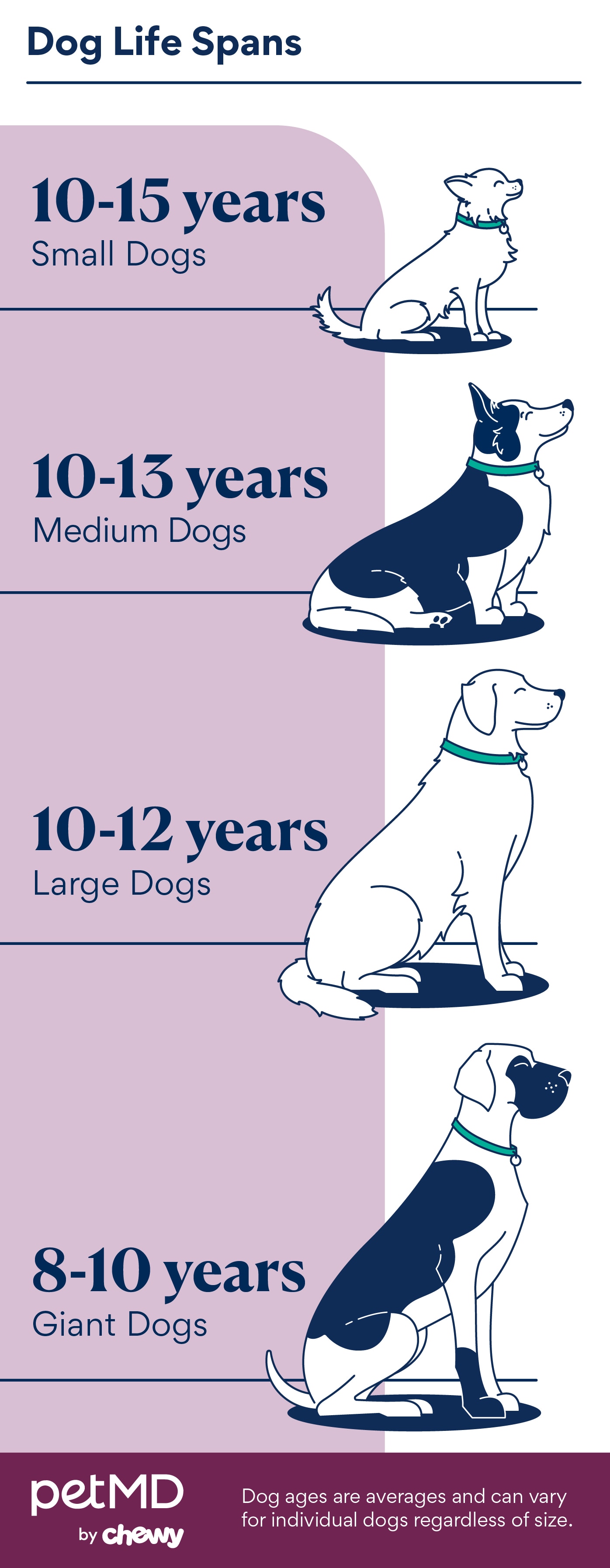
Credit: www.petmd.com
FAQs For How To Help Your Dog Live Longer
How Can Diet Affect My Dog’s Lifespan?
A balanced, nutritious diet supports your dog’s health and longevity. High-quality food with essential nutrients boosts immunity and energy. Avoid harmful ingredients and overfeeding to prevent obesity. Consult your vet for personalized dietary advice to ensure your dog lives a longer, healthier life.
What Exercises Help Dogs Live Longer?
Regular physical activity maintains a healthy weight and strengthens your dog’s heart. Daily walks, playtime, and mental stimulation reduce stress. Tailor exercise to your dog’s breed, age, and health. Consistent activity improves overall wellbeing and can extend your dog’s lifespan significantly.
How Often Should I Visit The Vet For Longevity?
Routine veterinary check-ups detect health issues early, improving treatment success. Schedule at least annual exams, or more for senior dogs. Vaccinations and parasite control protect your dog from disease. Regular vet visits are crucial for maintaining your dog’s long-term health.
Can Dental Care Increase My Dog’s Lifespan?
Good dental hygiene prevents infections and heart disease linked to poor oral health. Brush your dog’s teeth regularly and provide dental treats or toys. Professional cleanings by a vet are essential. Maintaining dental care directly supports your dog’s overall longevity.
Conclusion
Helping your dog live longer takes daily care and love. Feed healthy food and keep them active. Regular vet visits catch problems early. Clean water and a safe home matter a lot. Spend time playing and bonding every day. Small steps make a big difference in their life.
Your dog will thank you with happiness and health. Keep these habits to enjoy many years together. Taking care is the best way to show you care.