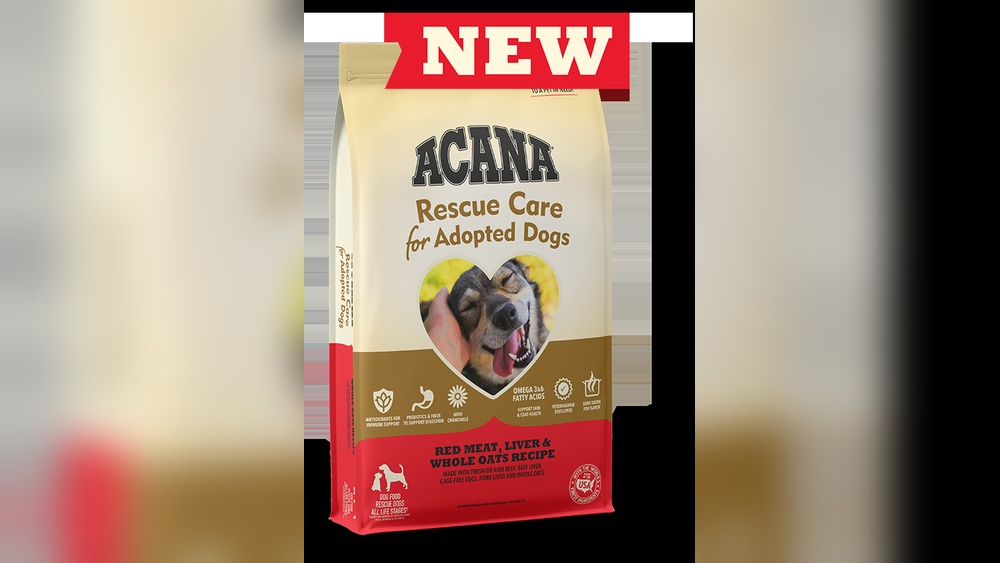
Bringing a rescue dog into your life is a wonderful decision filled with love and new beginnings. But you might be wondering, what should you feed your new furry friend to keep them healthy and happy?
Choosing the right food isn’t just about filling their bowl—it’s about giving them the care and nutrition they need to thrive. You’ll discover simple, practical tips to make sure your rescue dog gets the best diet possible. Keep reading to learn how to nurture your dog’s body and soul with the right food choices.
Assessing Your Rescue Dog’s Needs
Feeding a rescue dog requires careful thought. Each dog has unique needs. Assessing these needs helps you choose the right food. This step sets the foundation for a healthy life.
Evaluating Age And Breed
Age affects a dog’s diet greatly. Puppies need more calories and nutrients for growth. Adult dogs require balanced meals to maintain health. Senior dogs benefit from food that supports joints and digestion.
Breed also matters. Small breeds need different food than large breeds. Some breeds have specific dietary needs or sensitivities. Understanding breed traits guides food choices.
Considering Health Conditions
Many rescue dogs have health issues. Allergies, obesity, or digestive problems are common. Special diets help manage these conditions. Consult a vet to identify health needs. Tailor meals to support recovery and well-being.
Understanding Behavioral Traits
Behavior affects eating habits. Anxious dogs may eat less or too fast. Some dogs guard food or beg often. Recognize these traits to improve mealtime. Providing a calm, safe space encourages healthy eating.

Credit: www.isettledmycase.com
Choosing The Right Food
Choosing the right food for a rescue dog is very important. Many rescue dogs have special needs or health issues. Their past might affect their diet. Good nutrition helps them feel better and gain energy. It builds their trust and comfort in a new home.
Commercial Dog Food Options
Commercial dog food is easy and convenient. It comes in dry kibble, canned, or semi-moist forms. Look for brands with real meat listed first. Avoid foods with too many fillers like corn or soy. Check if the food meets AAFCO standards. These foods provide balanced nutrients for most dogs.
Choose formulas for sensitive stomachs if your rescue dog has digestive issues. Puppy or senior formulas help with age-specific needs. Always introduce new food slowly to avoid upset stomach.
Homemade Meal Ideas
Homemade meals can be healthy and fresh. Use cooked chicken, turkey, or lean beef as the main protein. Add cooked rice or pasta for energy. Include steamed vegetables like carrots or green beans. Avoid onions, garlic, grapes, and chocolate—they are toxic to dogs.
Consult a vet or pet nutritionist to balance homemade meals. They can recommend vitamins or supplements your dog may need. Homemade food gives control over ingredients and quality.
Raw Diet Considerations
The raw diet uses raw meat, bones, and organs. It mimics what dogs ate in the wild. Some believe it improves coat, teeth, and energy. But raw food carries risks like bacteria and parasites. Always source meat carefully and handle it hygienically.
Talk to your vet before starting a raw diet. Your rescue dog’s health and age affect if this diet is safe. Monitor your dog for any signs of illness or allergies.
Key Nutrients For Recovery
Rescue dogs need special care, especially in their diet. Their bodies may be weak and require nutrients to heal and grow strong. Feeding the right nutrients helps speed recovery and improves their overall health. Focus on key nutrients that support energy, tissue repair, and immune strength.
Proteins And Fats
Proteins are the building blocks for muscles and tissues. They help repair injuries and keep your dog’s body strong. Choose high-quality protein sources like chicken, turkey, or fish. Fats provide energy and help absorb vitamins. Healthy fats also support skin and coat health. Include sources like fish oil or flaxseed oil for good fats.
Vitamins And Minerals
Vitamins and minerals help keep a dog’s body working well. Vitamin A supports skin and eye health. Vitamin E protects cells from damage. Minerals like calcium and phosphorus build strong bones. Zinc helps heal wounds and boosts the immune system. Offer fresh vegetables and fruits in small amounts for these nutrients.
Hydration Importance
Water is vital for every part of the body. It helps with digestion and keeps organs working. Rescue dogs often get dehydrated easily. Provide fresh, clean water at all times. Wet food can add extra moisture. Hydrated dogs recover faster and stay healthier overall.
Credit: www.dogfoodadvisor.com
Feeding Schedule And Portion Control
Feeding a rescue dog needs care and consistency. A good feeding schedule helps your dog feel safe and healthy. Portion control keeps your dog at a good weight and avoids health problems. This section explains how to create a feeding routine and adjust food amounts carefully.
Establishing Routine Meal Times
Set fixed times for feeding your rescue dog each day. Most dogs eat twice a day—morning and evening. Routine meal times help your dog know what to expect. This reduces anxiety and improves digestion. Avoid free feeding, where food is always available. Scheduled meals help you monitor your dog’s eating habits.
Adjusting Portions Gradually
Start with small portions to avoid stomach upset. Gradually increase or decrease food amount over days. Watch how your dog reacts to changes. Sudden changes can cause diarrhea or vomiting. Use the dog food package as a guide but adjust based on your dog’s size and activity level. Consistency is key to healthy digestion.
Monitoring Weight And Health
Check your dog’s weight regularly. Use a scale or visit a vet for advice. Look for signs of weight gain or loss. Keep an eye on your dog’s coat, energy, and mood. Healthy dogs eat well, have shiny fur, and feel active. Adjust food portions if you notice any health changes. Regular monitoring helps keep your rescue dog fit and happy.
Foods To Avoid
Choosing the right food for a rescue dog is very important. Some foods can harm their health. Avoiding certain foods keeps your dog safe and healthy. Here are key foods to avoid feeding your rescue dog.
Toxic Human Foods
Some common human foods are poisonous to dogs. Chocolate can cause serious illness or death. Grapes and raisins may lead to kidney failure. Onions and garlic damage red blood cells. Avoid giving these foods to your rescue dog.
Unsafe Dog Treats
Not all dog treats are safe for rescue dogs. Treats with artificial colors or flavors can upset their stomach. Hard treats may break teeth or cause choking. Avoid treats with unknown ingredients or poor quality. Choose simple, natural treats instead.
Harmful Additives And Ingredients
Certain additives in dog food can harm rescue dogs. Artificial preservatives like BHA and BHT may cause health problems. Foods with too much salt or sugar stress their organs. Avoid foods with fillers like corn or wheat. Always check ingredient labels carefully.
Supplementing Your Dog’s Diet
Supplementing your rescue dog’s diet can help fill nutritional gaps. Rescue dogs often face stress and health issues that affect their nutrition. Supplements support their recovery and overall well-being. They can boost immune health, improve coat condition, and aid digestion. Understanding when and what to use is key for best results.
When To Use Supplements
Use supplements if your dog shows signs of poor nutrition. These signs include dull fur, low energy, or digestive problems. Supplements help during recovery from illness or stress. Also, they support older dogs with joint or bone issues. Avoid random use; supplements should target specific needs.
Popular Supplements For Rescue Dogs
Common supplements include omega-3 fatty acids for skin and coat health. Probiotics help balance gut bacteria and improve digestion. Glucosamine supports joint health, especially in older or injured dogs. Vitamins like B-complex and E boost energy and immune function. Always choose high-quality supplements made for dogs.
Consulting A Veterinarian
Consult a veterinarian before starting any supplements. They assess your dog’s health and recommend safe options. Vets help avoid harmful interactions with medications. They tailor supplement plans to your dog’s age and condition. Regular check-ups ensure supplements work well and adjust if needed.
Tips For Transitioning Food
Changing a rescue dog’s food needs care and patience. Dogs have sensitive stomachs after stress or shelter life. Sudden food changes can cause upset stomachs or refusal to eat. Follow simple tips to make the switch smooth and safe. This helps your dog feel better and enjoy meals.
Gradual Introduction Techniques
Start by mixing a small amount of new food with the current food. Increase the new food slowly over 7 to 10 days. Watch for signs of stomach upset like vomiting or diarrhea. Keep the dog’s water bowl full at all times. This gentle method helps the dog adjust without stress.
Managing Food Sensitivities
Some rescue dogs have allergies or sensitive stomachs. Use limited ingredient diets to reduce reactions. Choose foods with novel proteins like duck or venison. Avoid common allergens such as wheat, soy, or corn. Consult a vet if you see itching, redness, or loose stools. Careful food choices support healing and comfort.
Encouraging Appetite In Picky Eaters
Many rescue dogs refuse new food at first. Warm the food slightly to release smell and flavor. Add a small amount of low-sodium broth or plain yogurt. Feed in a quiet, calm place to reduce anxiety. Offer meals at regular times to build routine. Patience and gentle encouragement boost eating habits.

Credit: givebutter.com
FAQs For What To Feed A Rescue Dog
What Is The Best Food For A Rescue Dog?
The best food for a rescue dog is high-quality, balanced dog food. Choose options rich in protein and essential nutrients. Avoid fillers and artificial additives. Consult a vet for specific dietary needs and allergies to ensure proper nutrition and health.
How Often Should I Feed A Rescue Dog?
Feed a rescue dog twice daily, once in the morning and once in the evening. Puppies may need more frequent meals. Consistent feeding times help regulate digestion and behavior. Adjust portions based on age, size, and activity level.
Can I Feed Human Food To A Rescue Dog?
Some human foods like plain cooked chicken and carrots are safe for rescue dogs. Avoid toxic foods like chocolate, onions, and grapes. Always check with a vet before introducing new foods to prevent health risks.
Should I Change A Rescue Dog’s Diet Immediately?
Transition a rescue dog’s diet gradually over 7-10 days. Mix increasing amounts of new food with old food. This prevents stomach upset and helps the dog adjust to the new diet smoothly.
Conclusion
Feeding a rescue dog needs patience and care. Choose food that suits their age and health. Fresh water must always be available. Watch for any signs of allergies or upset stomach. Regular meals help build trust and comfort. Treats are good but use them sparingly.
Remember, each dog is unique and may need special attention. A healthy diet supports their recovery and happiness. Caring for a rescue dog is a rewarding journey. Keep learning and enjoy every moment with your new friend.